

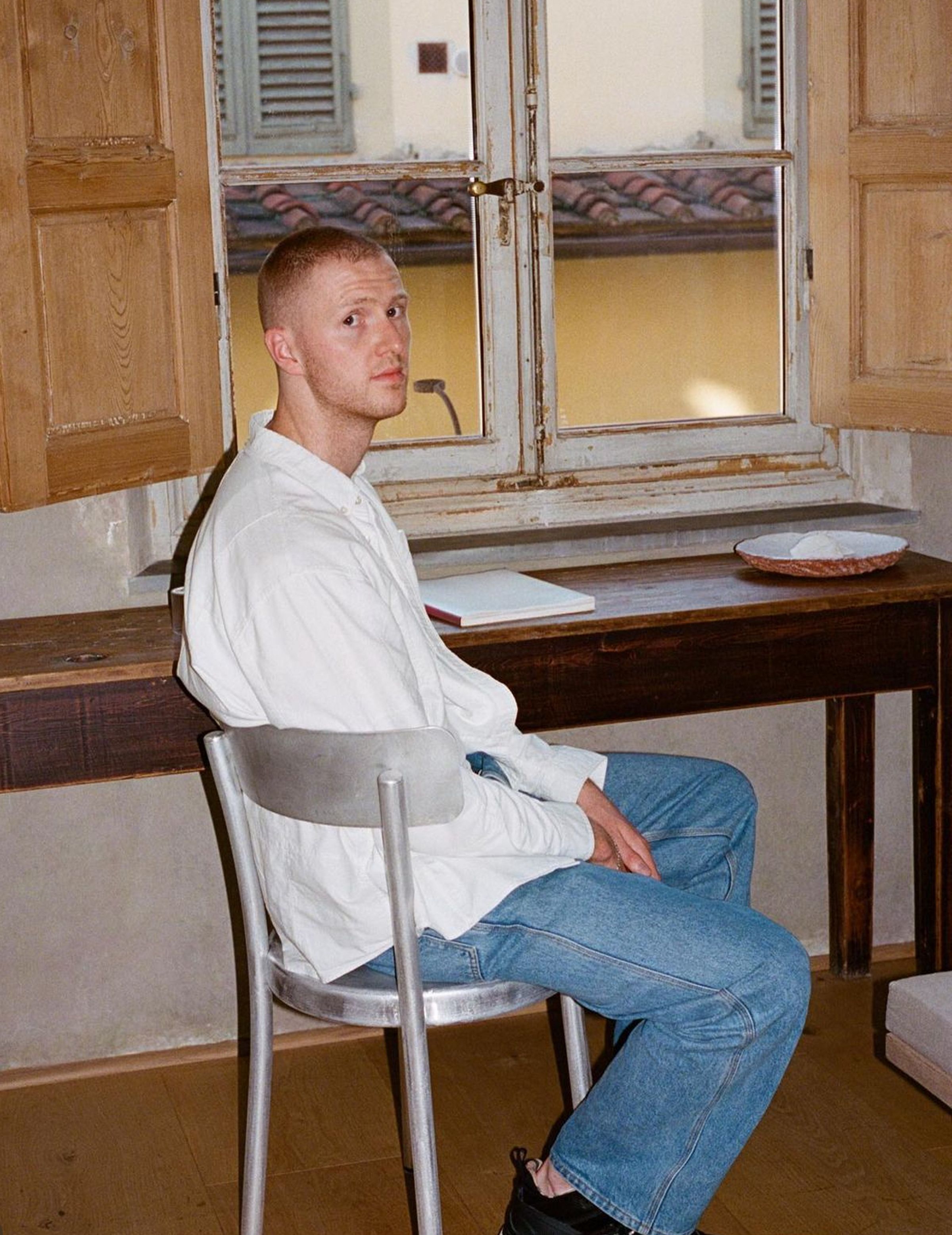
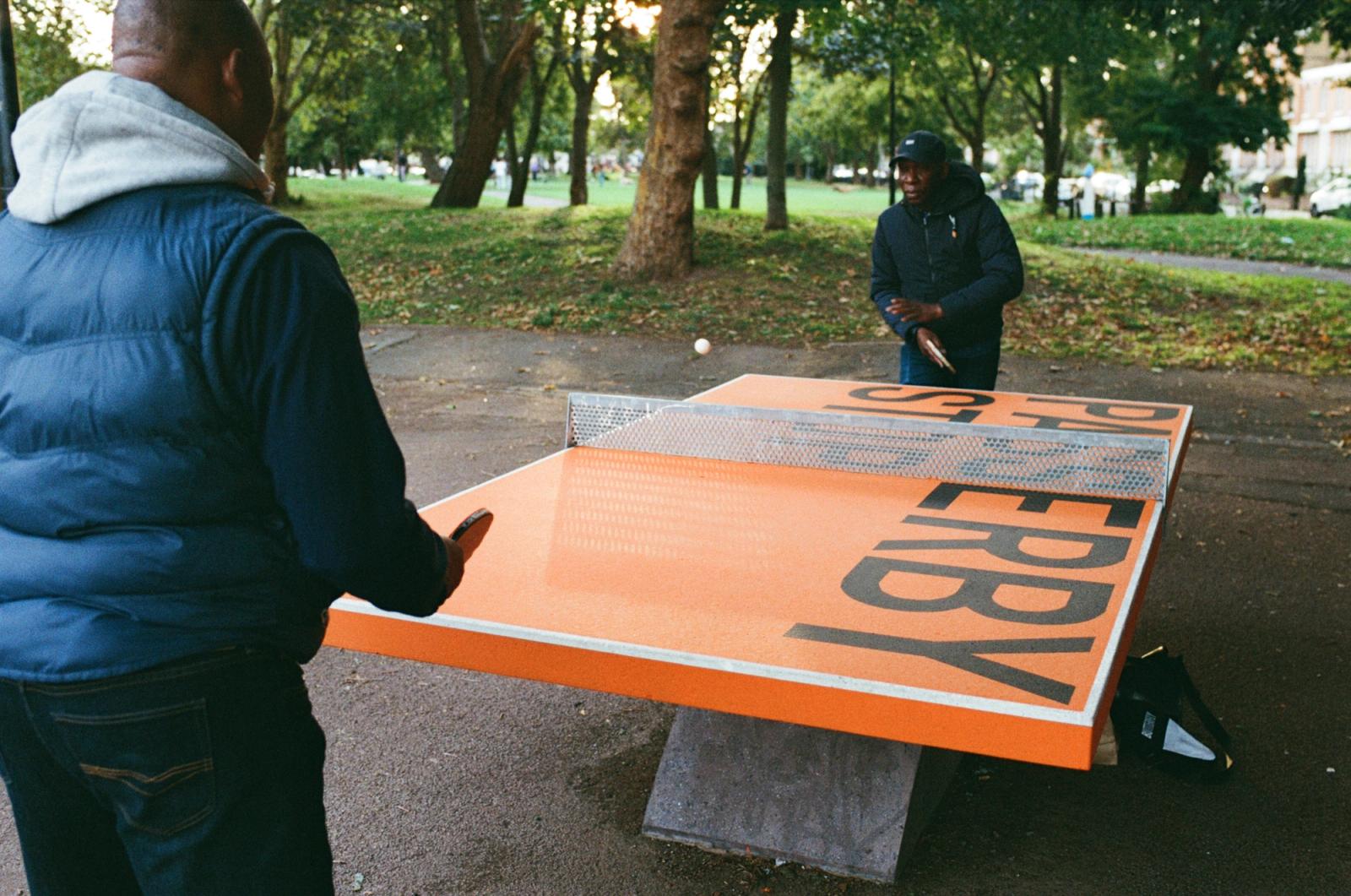
KW: Rooms of Neighbours is a recent project of yours that spans twelve households on the street you live on: Clifton Crescent, Peckham. You paired each household with an artist—Liz Johnson Artur, Liam Gillick, Ghislaine Leung, Olukemi Lijadu, and Rirkrit Tiravanija, among others—who made new artworks that were installed within private homes and shared communal spaces. What inspired this project?
BB: I saw an exhibition at WIELS in 2024 by Jef Geys, who I learned was part of Chambres d’Amis, an exhibition organised by Jan Hoet in the 1980s that situated contemporary art in domestic spaces in Ghent. The project wasn’t without its limitations in that a lot of participants were patrons of the museum. Looking through the exhibition catalogue, there was clearly a lot of wealth in these households. I began to think about how to apply the same methodology of exhibiting art in domestic settings, but applying it to a more democratic environment that better represents society as a whole, not only people that are collectors or fans of art.
I live on a street in Peckham that, by its very nature, includes people who are new to the street and those who have lived here for fifty years. Many diasporas, classes and generations are represented. I wanted to apply the same logic—using domestic space as sites for art making and exhibition—to a street that typifies what it is to live in London.
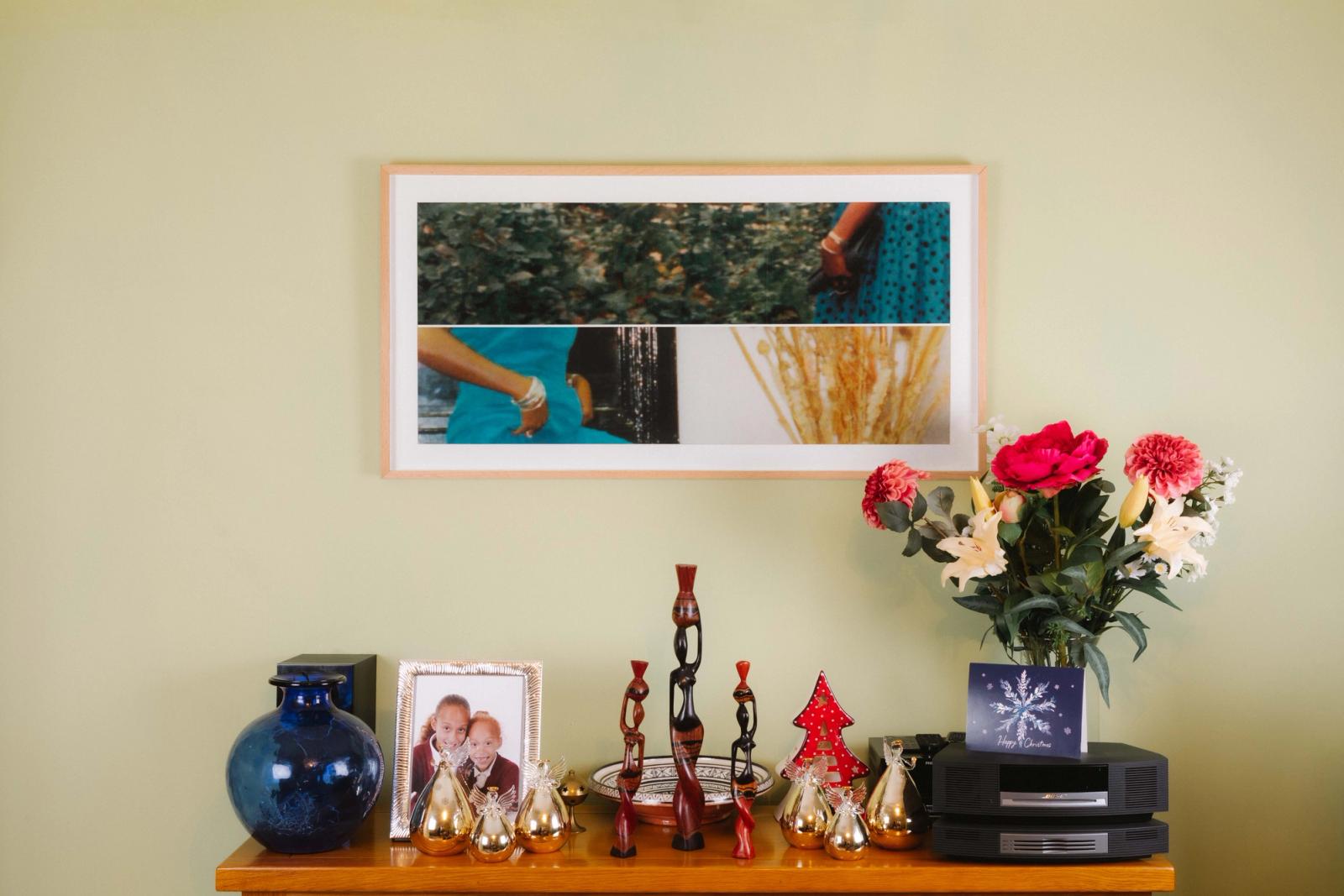
Most artists came and met the household they were working with and spent time with them. Some relationships became very close. Artists were willing to bend their methodologies and approach their work differently in relation to the people they were working with. I don’t think compromise is the right word—it was more about meeting the household where they are.
The act of initiating this project means I’ve gotten to know all my neighbours. It also means that my neighbours have all gotten to know each other. We have tea and cake at my place, are organizing barbecues in the summer, I’m in charge of the WhatsApp group for the street.
KW: Were you intending for Rooms of Neighbours to form a community as much as it clearly did?
BB: I talk a lot about forming community, especially in things like grant applications, and it’s definitely a facet of my work. But I think this is the first time I’ve really succeeded or had to grapple with what a community really is and what it means to form a community, and also how it can work in some ways and not in others. I anticipated, naively, that everyone would be really onboard with the project, and whilst they were for the most part, it doesn’t mean there wasn’t pushback. Those negotiations shaped the project and ultimately made it stronger.
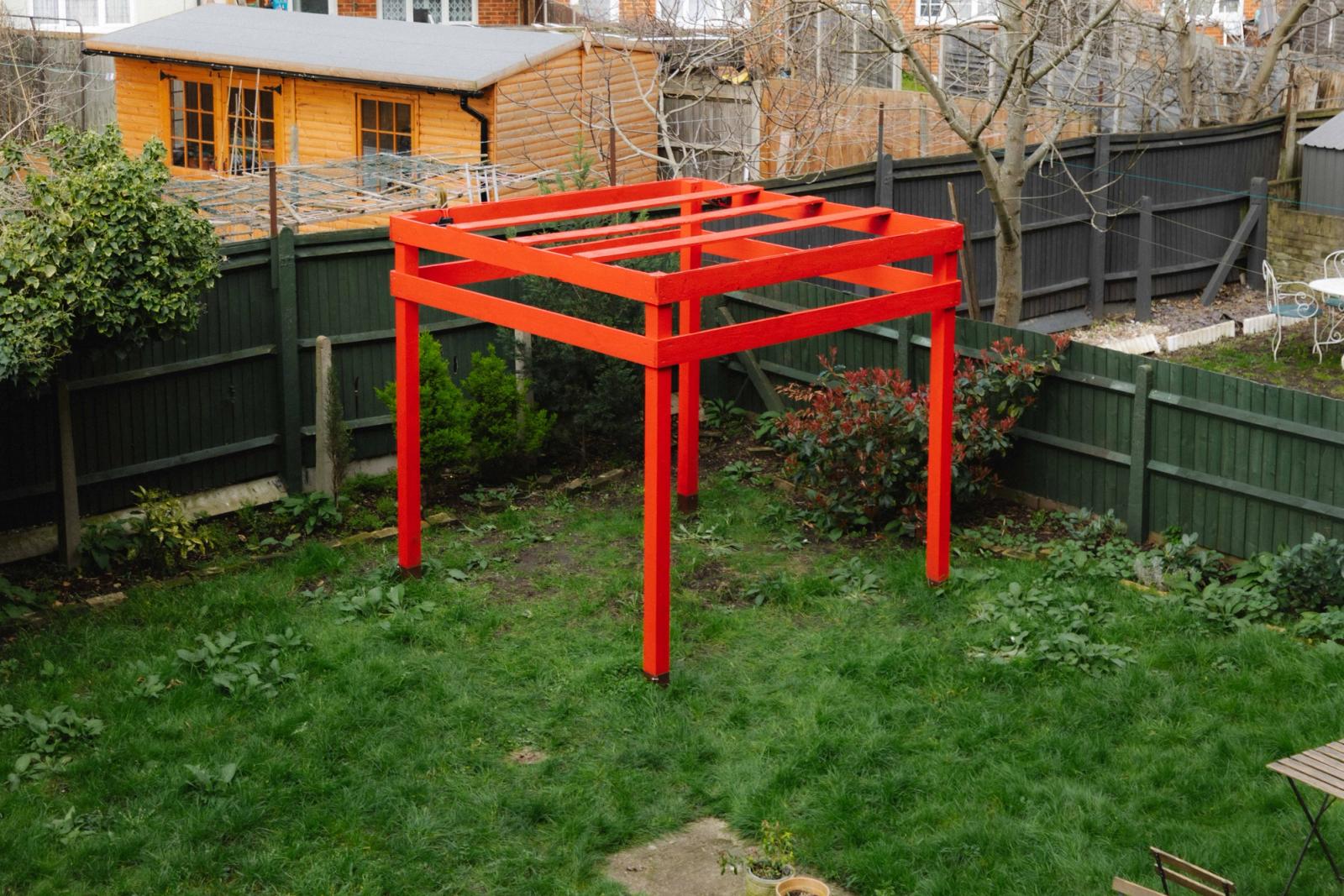
There was a moment with Liam Gillick where residents in one apartment block were discussing a sculpture proposal with him over Zoom. They didn’t care that he was a canonised artist and they didn’t approach him with the reverence that exists within the art world. These conversations ended up genuinely shaping the work. The colour changed. The form shifted slightly. It became a negotiation between the artist’s intentions and the desires of the people living with it.
KW: You’ve created initiatives like Artist Grant and Artist Membership Project, both of which are alternative ways to circulate resources in the art world. Tell me how these connect to your broader curatorial work.
BB: The Artist Membership Project attempts to acknowledge a disconnect between the means of artists living in London and the prohibitively high costs of exhibition entry at London’s major arts institutions. I stashed membership cards in lockboxes close to each museum and the codes to the boxes are distributed in (another) Whatsapp group - now with over 1000 members. For Artist Grant, I fundraise from galleries—£10,000 for each iteration—that gets distributed through an international open call to five artists. Anyone who considers themselves an artist can apply. For five galleries to say yes this, I asked sixty galleries if they’d contribute…fundraising isn’t easy!
I think what artists need more than anything, given that we exist in a hyper-capitalist society, is financial resources and space. I preach a lot about alternative methodologies for artmaking and try to think about how we can make systems that are more equitable and sustainable for artists. So these are ways for me to practice a bit of what I preach—a bit of skin in the game!
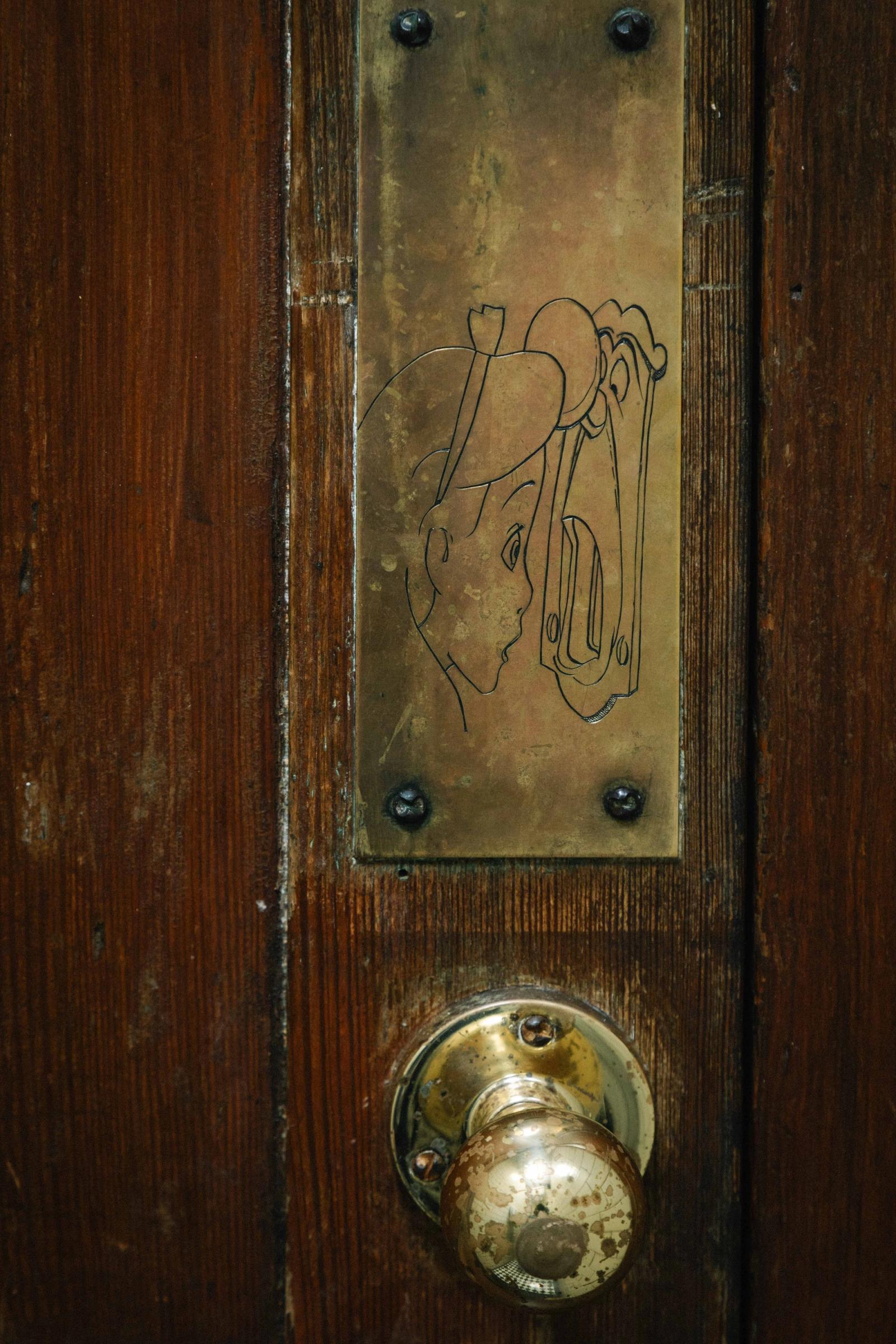
Cyprien Gaillard, Southend Green WCs, Hand engraving on brass push plate. Photo by Jorge Stride, 2026.
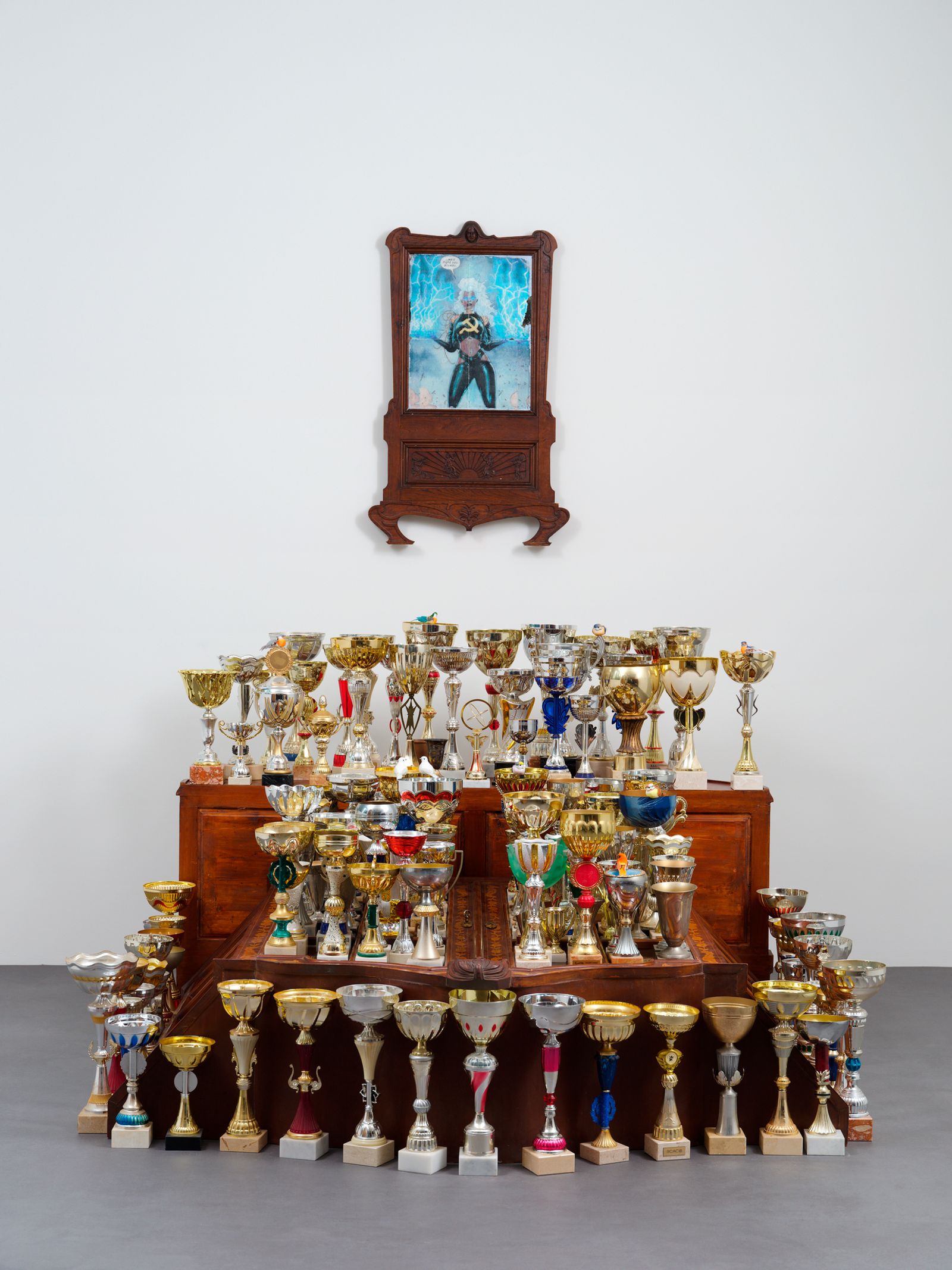
Ladji Diaby “Who’s Gonna Save the World?” at Lafayette Anticipations, Paris, 2026. Photo by Aurélien Mole.
KW: Where does your desire to work outside of the gallery and institution come from?
BB: Most self-initiated projects require begging, borrowing, or stealing. And I’m not afraid of proposing something out of the blue—or sending a cold email. Projects like Rooms of Neighbours are achievable with limited resources and can happen according to my own interests and values. I can make a project without any resources, and without answering to anyone. In the end I did manage to get Arts Council funding, but I know many of the participants would have been willing to participate, even if there hadn’t been money available. Had I not gotten the funding, I would have still initiated the project and for almost nothing.
Institutions especially are limiting spaces. I was speaking to a friend of mine the other day about the excess of curatorial talent, which as a consequence means curators are not valued properly for their work, and so institutions lowball curators. If one person says no, another will say yes. There’s no bargaining power for curators. Institutions call the shots. There’s little scope or certainty for curators to realize ambitious ideas with artists because, to keep their jobs, institutional curators have to pledge allegiance to institutional workings as opposed to fighting in the artist’s corner—which at times means ruffling feathers.
Working within your own neighbourhood, the restrictions are different. There are still difficulties and you are still confined, but in many ways the confines of this project are what make the artwork interesting. The confines challenge artists to think differently about their work instead of getting in their way.
I am focused on community and building an art world that I want to be a part of. It happens out of necessity.
Comments
Leave a comment