

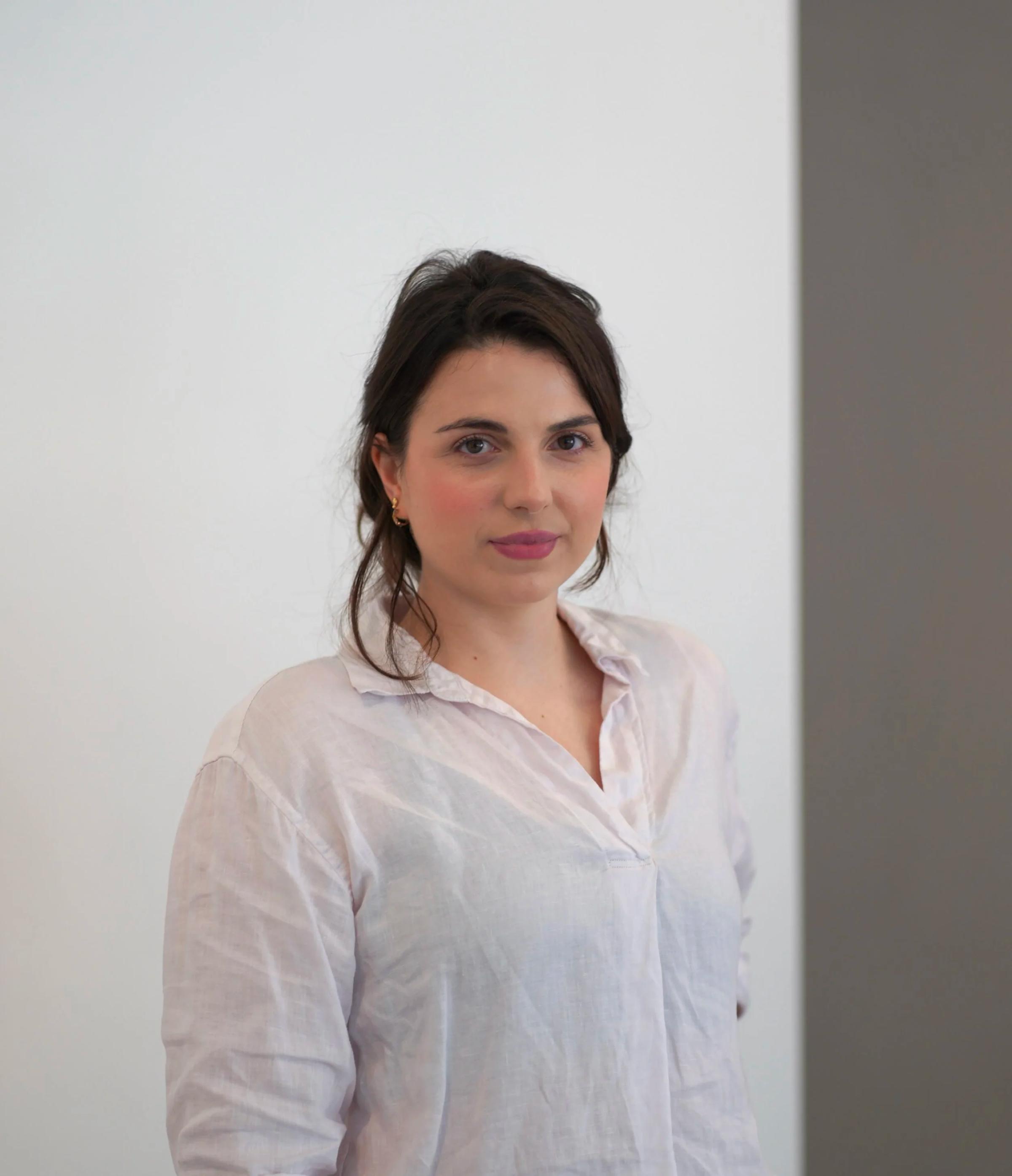
bP: Where did you work before creating Alma Pearl and how did those experiences prepare you for the art world?
CB: I have a degree in Art History and Art World Practices from the University of Glasgow. My first job after moving to London 10 years ago was at Hamiltons Gallery, where I catalogued Don McCullin's entire work and archive alongside a friend and colleague. This was a great experience, challenging at times, but offered incredible access to Don's amazing work. What followed was a very brief experience in the Photography Department at Phillips, but this definitely wasn't for me. I then worked at Carl Freedman Gallery for a period that was short but also clarifying. The most influential experience I had was working at Richard Saltoun. I learned a great deal from Richard, and especially from someone I consider a mentor, Niamh Coghlan. I learnt that the best thing one can do is to believe in those who work for you and are invested in the project–they won't let you down. I then went on to work for Artsy before opening Alma Pearl, so I had a pretty solid bundle of experiences in place to take such a leap. That said, no matter how prepared you feel when you open your own project, one keeps learning everyday on the job.
bP: What motivated you to launch your own physical space?
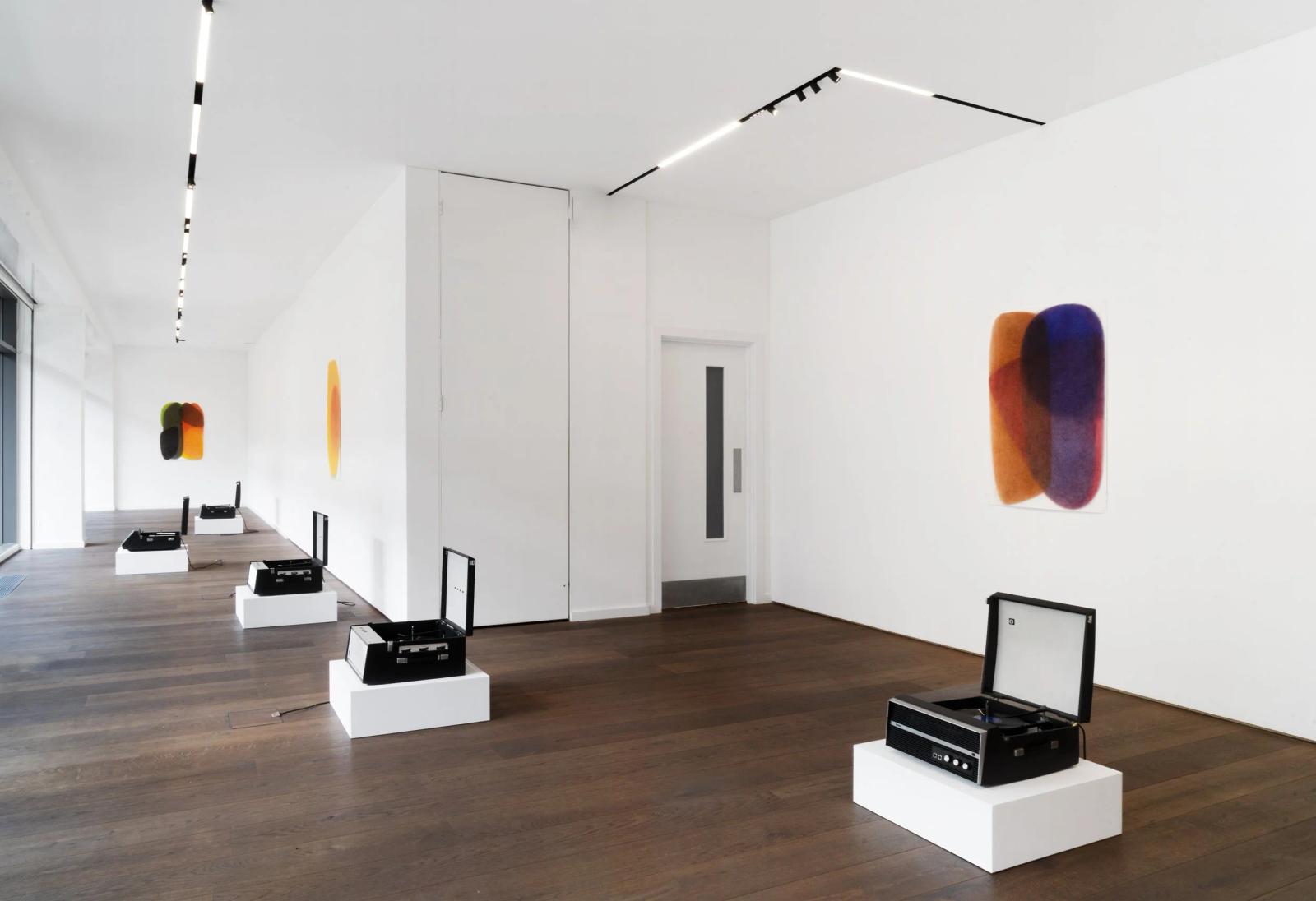
CB: I wanted to create a platform grounded in community, something that has always been central to Alma Pearl's programming. I have always done talks and hosted other collaborative events since day one, and have now launched Alma Pearl Editions, a platform for contextual exploration in which we produce limited edition publications on the artists' work and practice. Another example is happening right now as we are about to open a collaborative exhibition where four Italian galleries, A+B Gallery, Matèria, Pinksummer and z2o Sara Zanin, are invited to show in a collaborative exhibition at Alma Pearl. When I began thinking about opening my own space in 2021, many young galleries I was familiar with were focused primarily on product exchange, quick shows. I aimed to build something slower, sustainable, more intentional, and centred on the artists. Things have evolved since then, and a growing number of young galleries in London are now operating in this direction.
bP: How do you approach risk when approaching artists or designing your programme?
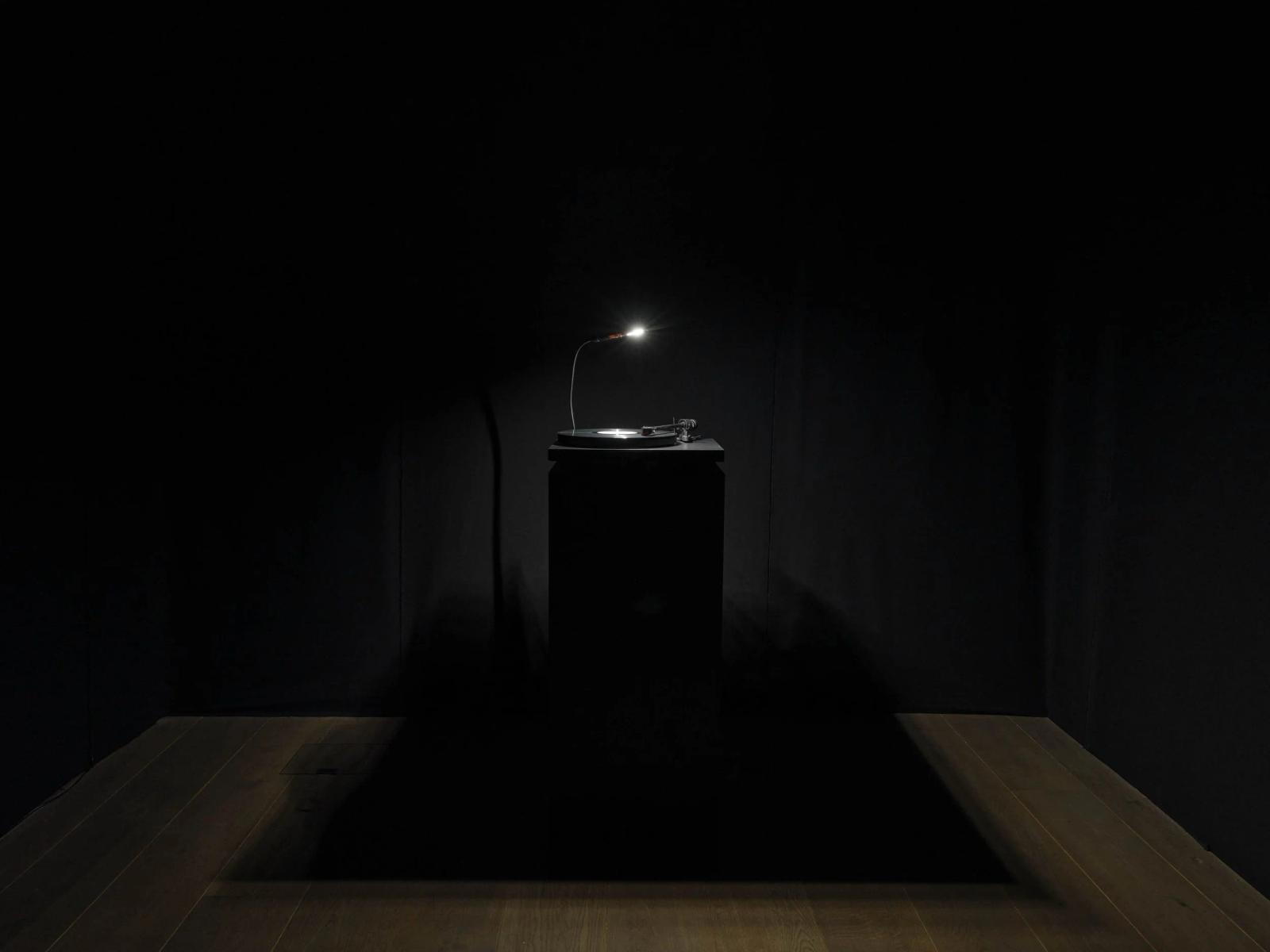
CB: The more the gallery develops, the more I feel it's a controlled risk, although risk is always part of running a gallery. One has to believe, fully. In their artists, in the project, and in those who are willing to support it. My research in an academic context has explored uncertainty and fluidity in an art context and as challenging as it may seem, I feel at home operating on such a terrain. When it comes to working with new artists, the work must, of course, resonate with me. I also consider their ambitions and aims. But beyond that, I now really need to feel that I have something to offer them to fuel their trajectory in terms of context, connections, and the long-term commitment that can support their growth and the development of their practice. All this takes place, of course, while acknowledging that the gallery is growing along with them. Overall, I am perhaps less naive than two years ago and decisions are more weighted and considered now.
bP: Is Alma Pearl primarily a space for artworks, for fostering community, or for exploring ideas?
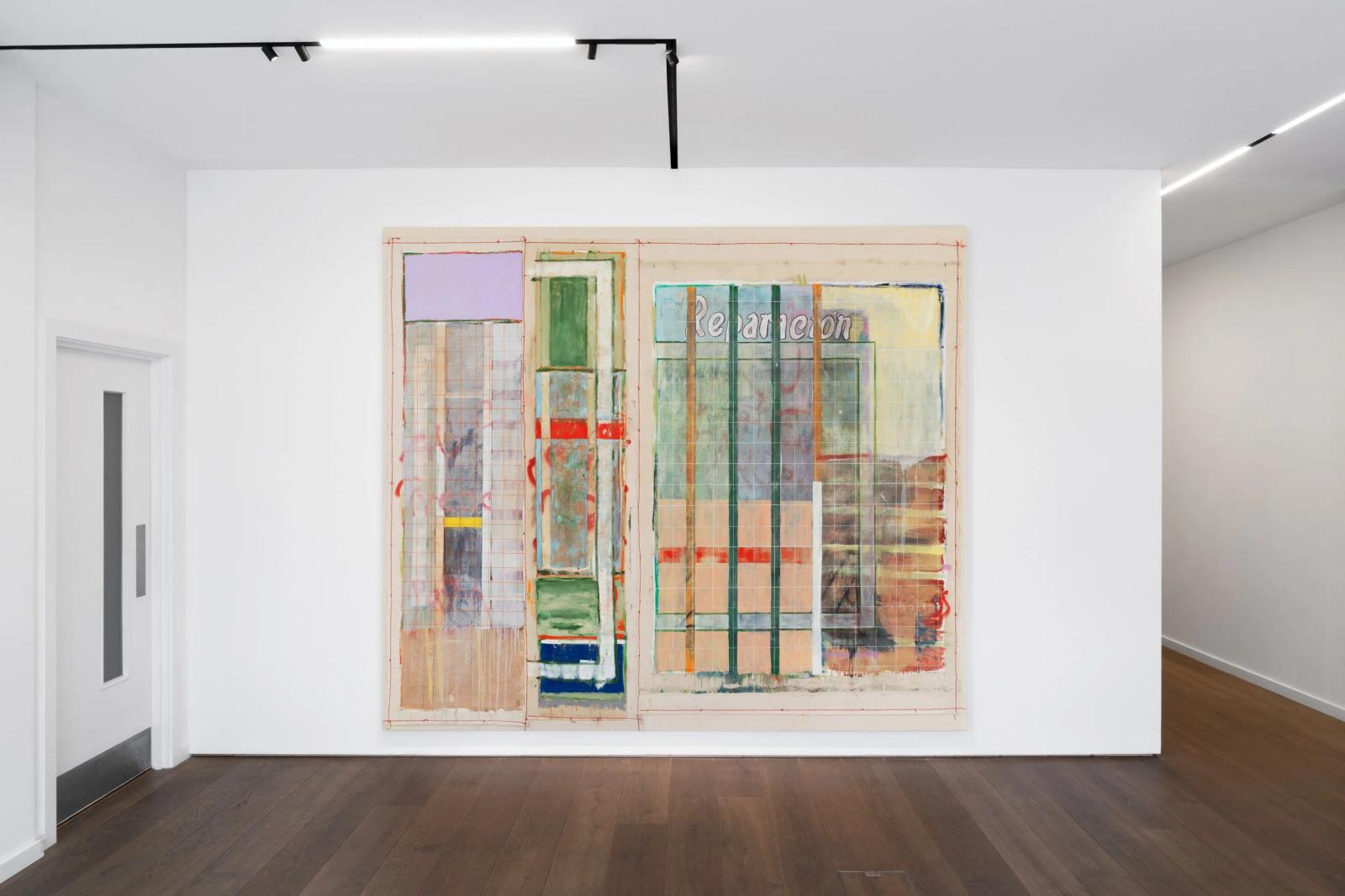
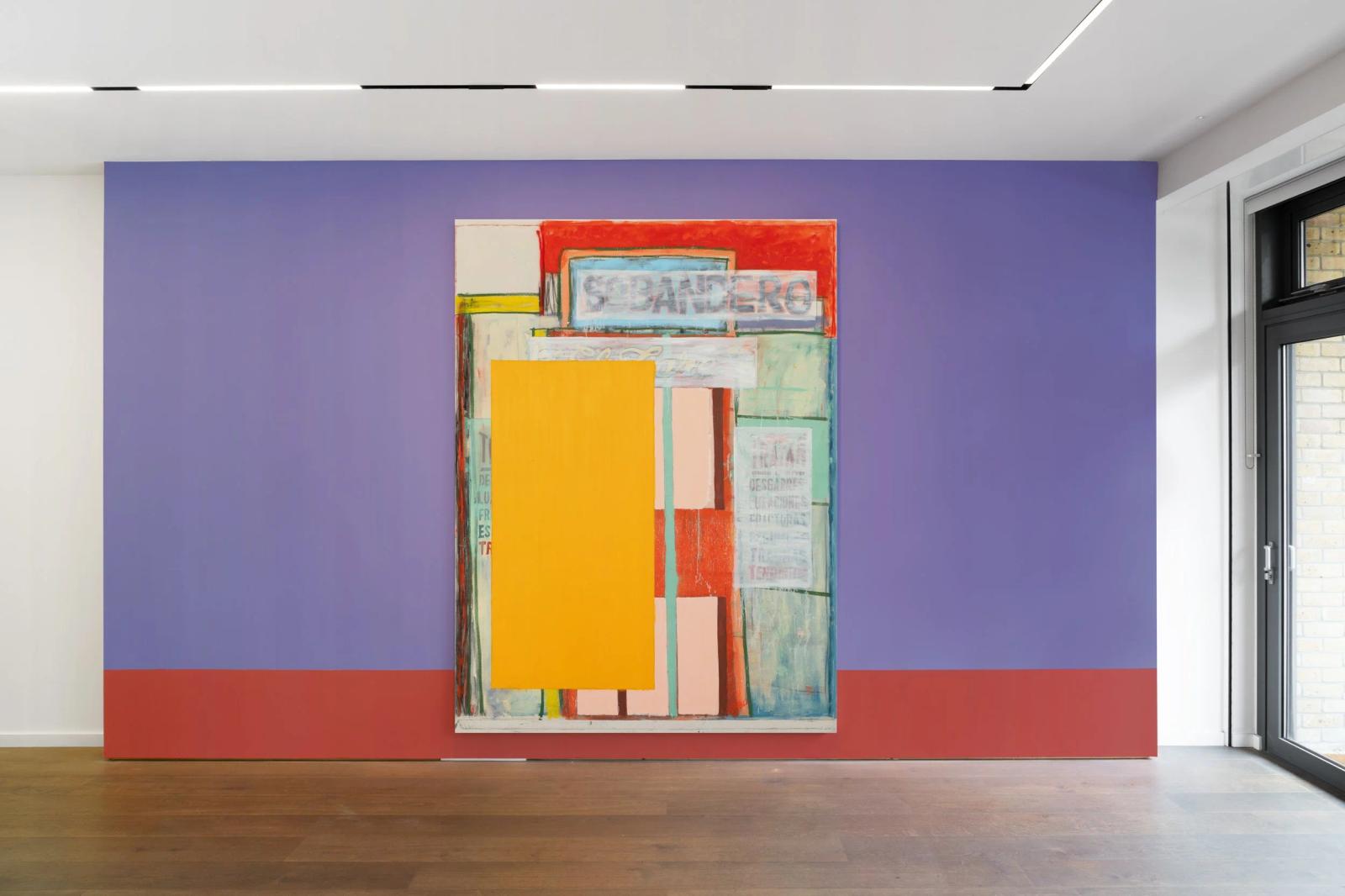
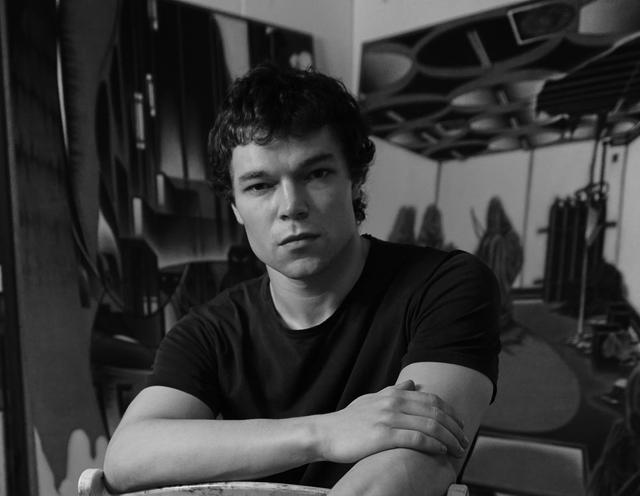
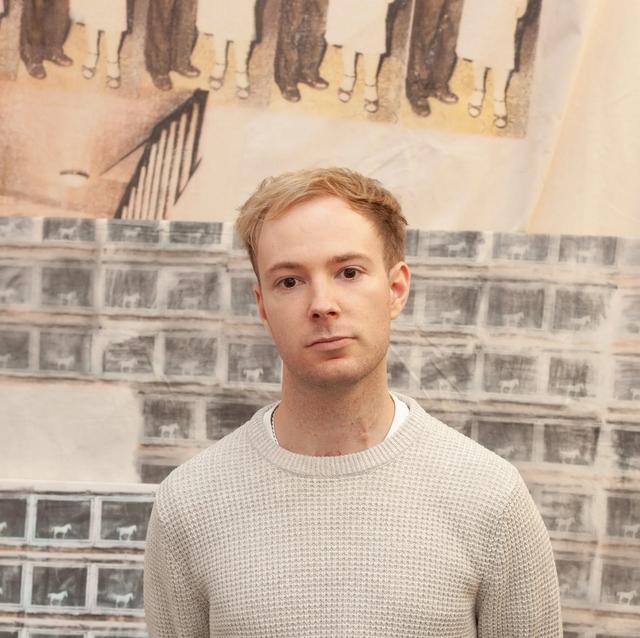
CB: All of the above. I don't think one could exist without the others. It's relational, or perhaps even dialectical–one does not move or build without the relation and movement of the other. I see these terms really as linked but perhaps even as one. The artists I am working with; Ayla Dmyterko, Margarita Gluzberg, Jhonatan Pulido, Ivan Seal, and Cullinan Richards–all have an intimate fit with the aims and ethos of Alma Pearl Gallery.
bP: How do you gauge the success of an exhibition beyond commercial metrics?
CB: For me, it's about the impact on an artist's career–and of course, the implications of making the artist's work and practice visible, understood and known by a wider audience. This is a long-term project and each exhibition is one step towards that goal–the right presentation, a publication, a recorded talk, a collaborative project or performance and the numerous conversations about the artist's work–it all contributes to that goal: to make a lasting and relevant difference. This is the ambition I have for the artists represented by Alma Pearl. And I am lucky because they are equally ambitious and are working with me towards that goal.
bP: What advice would you offer to a fellow young person preparing to launch their own gallery in London?
CB: Keep overheads low and believe in the artists you work with, as well as your community. I'll always be grateful to those who have supported and believed in the gallery project in these early years, especially those whose tangible contributions directly fuelled its growth. And of course, to all the mentors along the way: the artists, collectors, and art professionals who not only shared in the vision, but also helped forge meaningful connections and remain an essential part of our growing network.

Comments
Leave a comment