

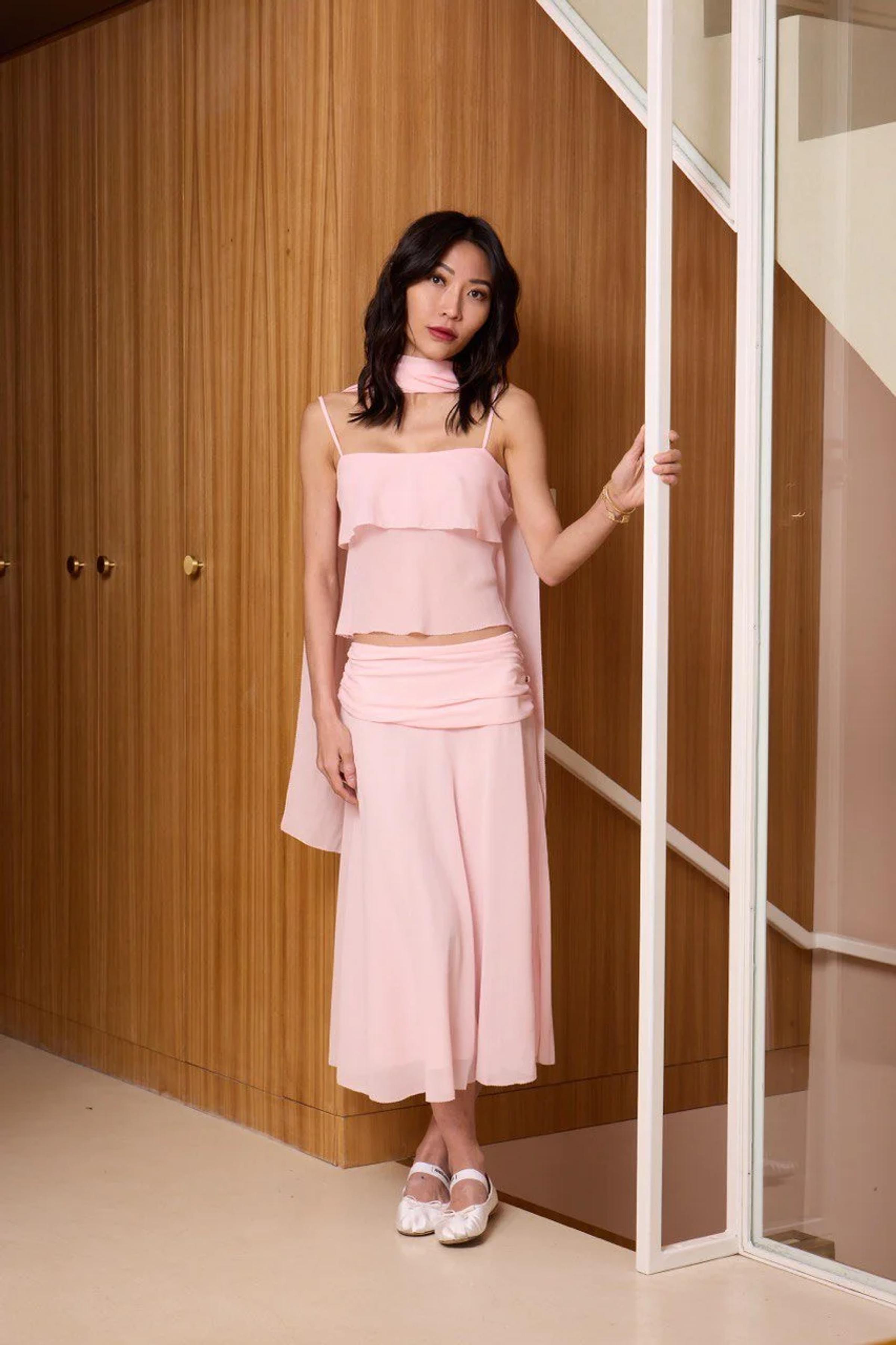
bP: You studied at Sotheby's and Goldsmiths and worked in art advisory before launching Jouissance. How has your background in the art world shaped your creative direction as a perfumer?
CC: I've often joked that I started my own business because I couldn't land a job at a blue-chip gallery. But jokes aside, the truth is I didn't want to work within someone else's vision. I've always had a strong drive to create — I initially studied Photography during my undergraduate years but shifted to a Master's in business at Sotheby's Institute, worried that pursuing art alone wouldn't lead to a stable career. This is precisely why I admire artists deeply for their courage in putting themselves out there, embracing vulnerability in the name of their vision. The reason I chose to work with scent as my medium of expression for JOUISSANCE only became clear to me later. I realized scent shares a unique affinity with photography as a time-based art form — yet where photography captures and fixates a single moment, scent unfolds across time, evoking memories and emotions that stretch backward and forward. A photograph confines you to a fixed instant, but a fragrance expands your experience through time; it's the sensation of time itself. This capacity to transcend a moment and evoke a temporal journey is what truly draws me to perfumery. Though I often say my entry into perfumery was accidental, largely due to the pandemic, in hindsight, it feels less accidental and more like a subconscious pull toward this particular form of expression. The realization just took time to fully surface.
bP: You've been active as a collector for some time. What do you look for in an artwork and how has your perspective on collecting evolved?
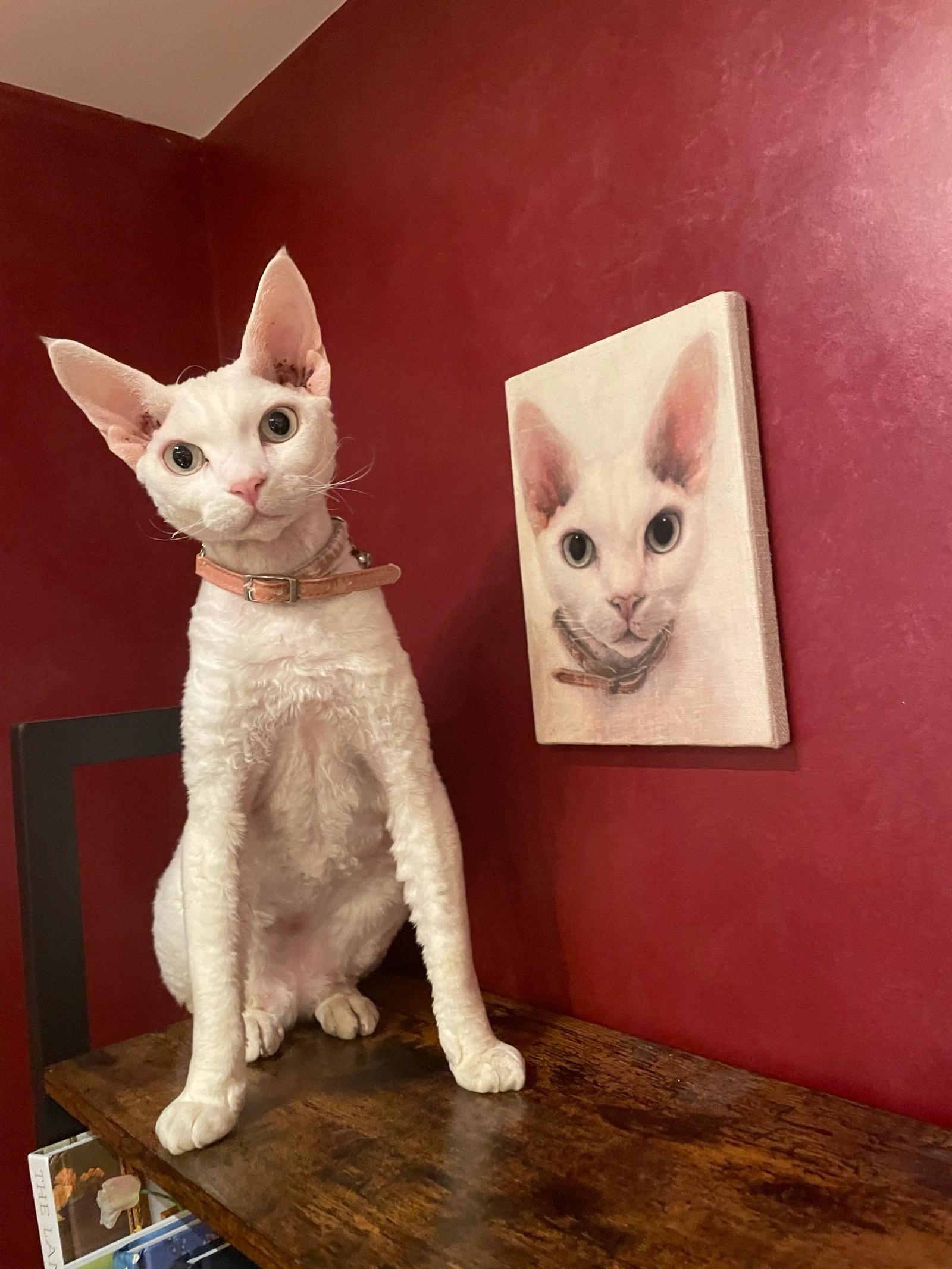
CC: I think it's important to not try to define your collection too early — or to force it into a fixed identity. When I'm asked what I collect, I rarely have a straightforward answer. It's not me being evasive, but because I genuinely don't think about collecting in categorical terms. I collect what resonates — emotionally, intellectually, or sometimes just instinctively. Over time, my approach has become more intuitive and less concerned with trends or cohesion. I used to think collecting had to follow a particular logic or reflect a curatorial thesis. Now, I think of it more as a kind of diary — personal, fragmented, evolving. The works I live with remind me of conversations, encounters, and moments that I've shared with the people who inspire me. One piece in my collection that means the most to me is a commissioned portrait of my cat, Pootie, by Joseph Jones, which my friend Daniel Malarkey helped me to acquire. On one level, it's sentimental, but it also speaks to something larger. First of all, it's an immense privilege to be able to commission a work by an artist. There's something meaningful about that exchange: the trust, the interpretation, the permanence. Moreover, I know this is an artwork I'll look back on for many years, probably long after Pootie is gone. It may sound slightly morbid and also quite corny to say a painting makes me think of mortality. I've always felt uneasy about relying on digital archives; we don't know which platforms will vanish, or which devices will become obsolete. A physical artwork, on the other hand, feels like the only sure and enduring way to preserve something — to protect it, care for it, and be continually reminded of its presence. So while my collection may not follow a conventional path, it's filled with things that carry emotional weight, and that feel, in different ways, like anchors in time.
bP: Are there particular galleries or curators you find yourself drawn to — spaces that consistently challenge surprise or expand your thinking around contemporary art?
CC: I've been following Brunette Coleman's programming religiously since I met Ted and Anna in May 2024. Every show they curate is marked by a strong conceptual and architectural sensibility. Their recent group show, Image as Trace, takes its name from Susan Sontag's seminal book On Photography. The show brought together five artists who engage with photography through experiential processes that challenge its traditional conventions — among them Nat Faulkner and Marietta Mavrokordatou — shown alongside exciting new discoveries: Joyce Joumma, Kazuna Taguchi, and Paride Maria Calvia. Hot Wheels also has an incredibly rigorous programme. Their Jeff Wall Collection exhibition was choreographed over the span of a month, revealing one action per gallery day — a fascinating archival unfolding of curator Pierre Bal-Blanc's collaborations under the aegis of Jeff Wall Production, dating back to 1988. But beyond its own programming, Hot Wheels operates as more than a gallery: it feels like a cultural instigator, actively nurturing a sense of collective energy. I was recently in Athens, where Hot Wheels hosted a group exhibition at TOSITSA 3, bringing together artists from five galleries. I was especially taken by a.SQUIRE's presentation of Cedric Murphy, which was deeply conceptual and risk-taking. In a market often defined by competition, it's heartening to see a new generation of gallerists prioritising mutual support and shared vision. While my collection primarily focuses on living artists, I have deep admiration for gallerists who are courageously reappraising overlooked figures of the 20th century — these are not easy or fashionable choices, and I find their commitment intellectually and curatorially brave.
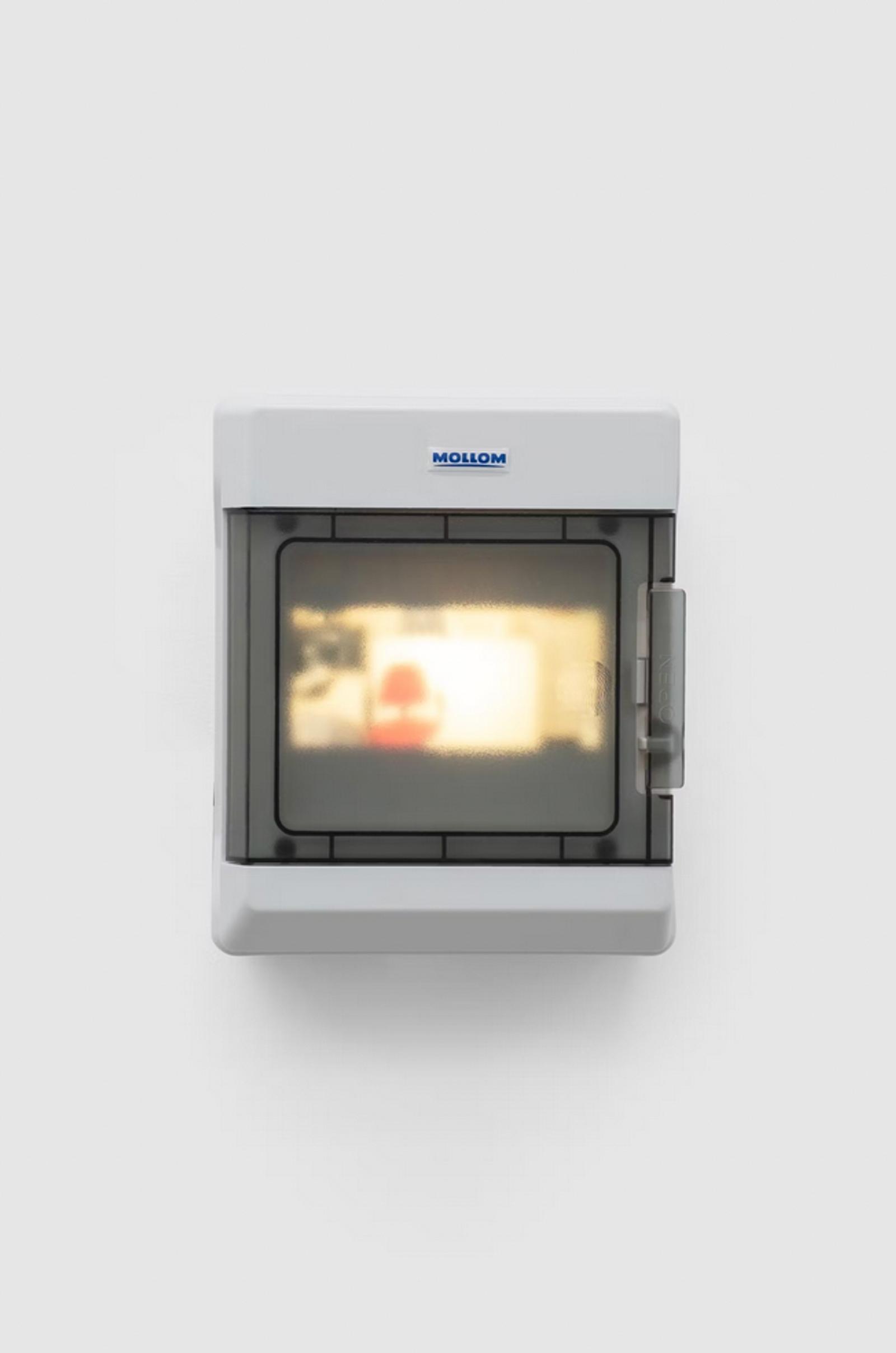
Joyce Joumaa, Archive Centre, 2024, at Brunette Coleman.
Joyce Joumaa, Archive Centre, 2024, at Brunette Coleman.
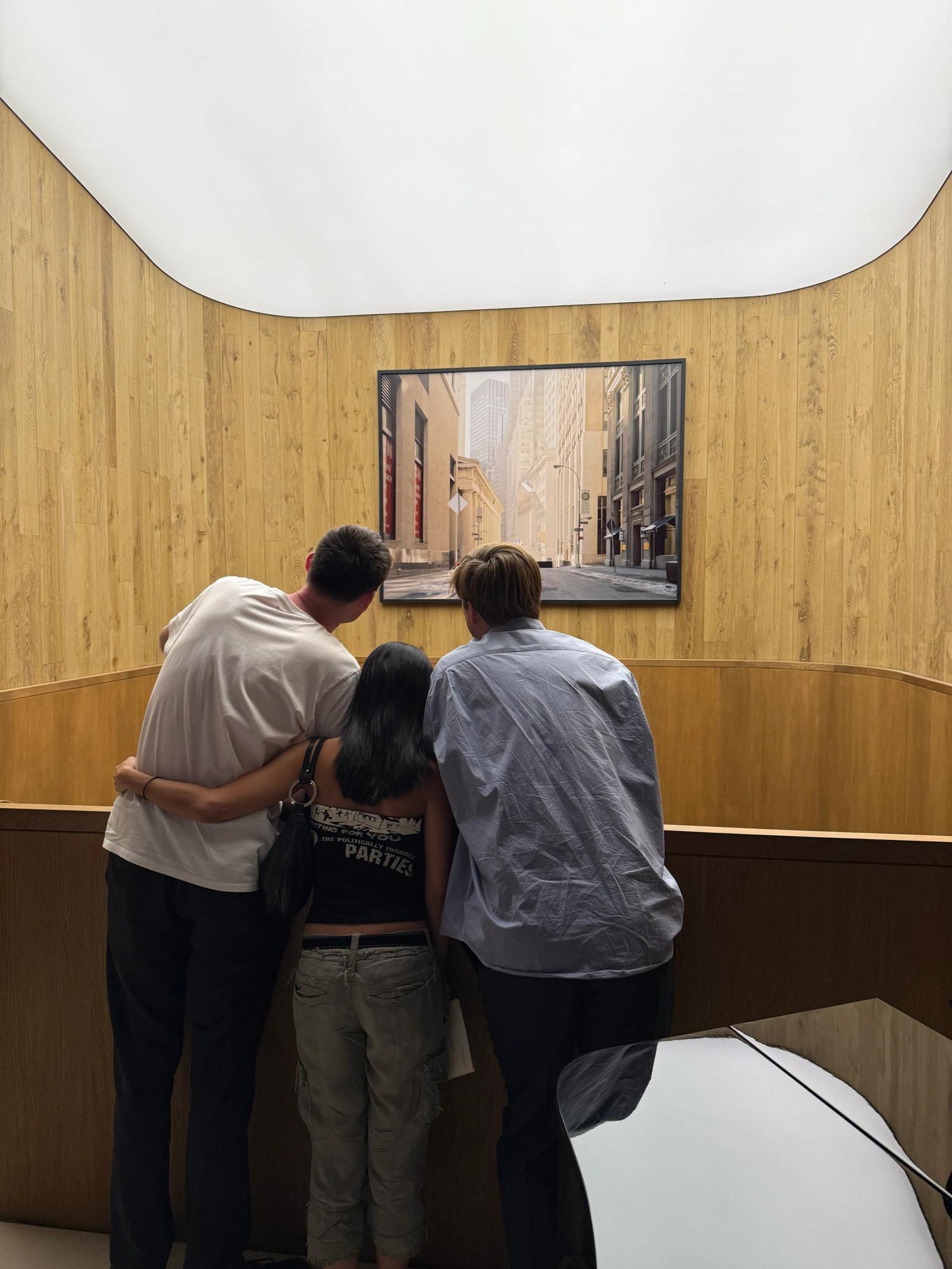
Joyce Joumaa, Archive Centre, 2024, at Brunette Coleman.
bP: Beyond collecting, you've supported artists in various ways. What does patronage mean to you today and how do you think it can evolve to better serve artists and their practices?
CC: Patronage means far more than financial support — it's about building meaningful, long-term relationships and nurturing environments in which artists can genuinely thrive, both creatively and professionally. True patronage is attentive and responsive; it involves understanding each artist's unique vision and providing not just resources, but also mentorship, visibility, and platforms for authentic growth. That's why I deeply value the work of institutions like Studio Voltaire. It has long served as an incubator for emerging artists, many of whom have gone on to receive international acclaim. Beyond its beautiful exhibition spaces, Studio Voltaire provides generously proportioned, light-filled studios, artist residencies, and, through House of Voltaire, a unique commercial platform offering affordable artist editions — not only for established collectors but for a broader audience. Another institution I greatly admire is the ICA. It has a rich legacy of supporting experimental and interdisciplinary practices. Beyond its exhibitions, ICA also champions independent cinema, publishing, and music. Under Bengi's leadership, its programming has become even more dynamic, hosting everything from book launches to music performances almost daily. Ultimately, I see patronage evolving toward a more holistic, collaborative model — one that supports artists across all dimensions of their practice and life.
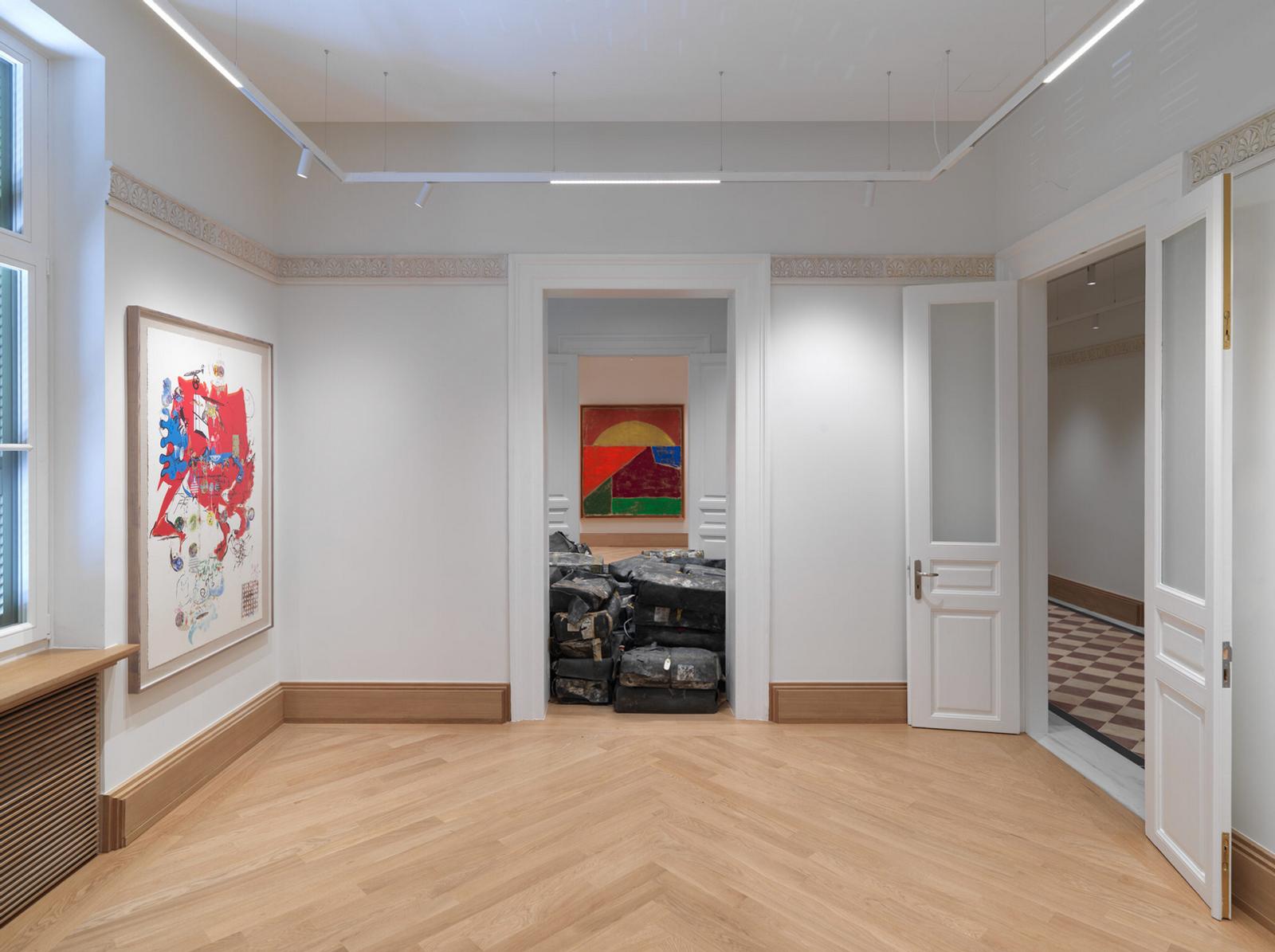
GMT at TOSITSA 3 - Alvaro Barrington, Helen Marten, Ceidra Moon Murphy, Zazou Roddam, Marina Xenofontos presented by Emalin, Sadie Coles HQ, a. SQUIRE, Brunette Coleman, Hot Wheels Athens London.
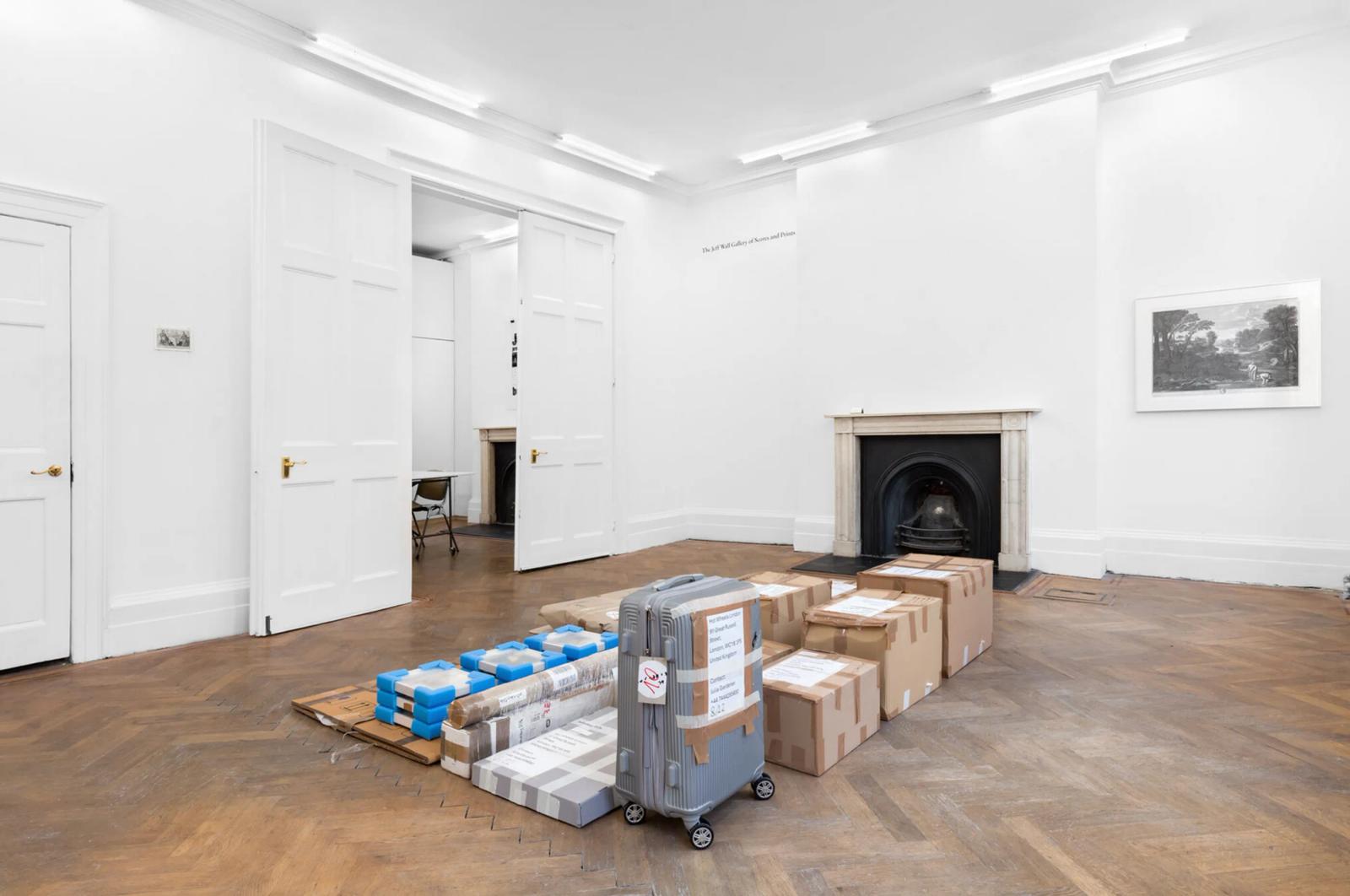
Hot Wheels London, The Jeff Wall Collection (On Sale), 1 - 29 March 2025.
Comments
Leave a comment