

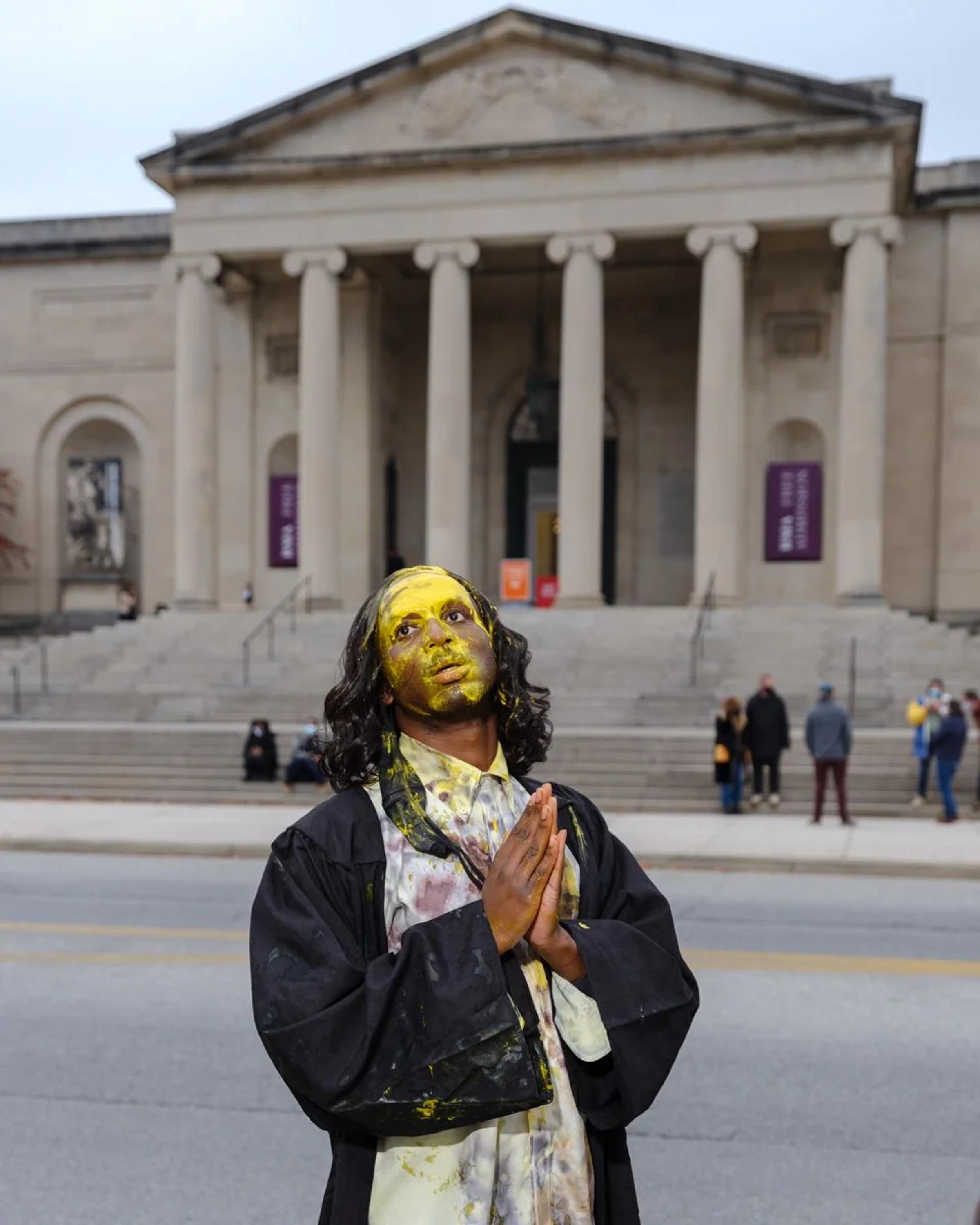
bP: Tell us about your names; we've learned you've used several while traveling and living in different cities. How do you come up with them?
MZ: Monsieur Zohore is my name. Not a persona. Not a pseudonym. Just a slightly overdressed fact. The "Monsieur" is part joke, part job title, part colonial residue, an honorific that signals service and performance. And "Zohore"? That's not invented either. It's my father's name. My brother's. My grandfather's. It's Ivorian, handed down across generations, a name passed like a tool or a weapon, depending on the day. I didn't choose it, but I've made it mine through repetition, through art, through labor. Each time I sign it, I'm inscribing lineage and legacy onto a world that hasn't always known what to do with names like ours. French is my first language, so the name rolls off my tongue easily, but I love how people assume it's a character I'm playing. As if being African and elegant at the same damn time must be some kind of drag. I let them wonder. It's fascinating, isn't it — to move through the world disguised as yourself? The other names? They're private aliases, playful, intimate, passed between friends, family, lovers. Sometimes they're stories. Sometimes they're shields. They're not exactly secret, but they work better in context. Ask me, or one of my friends, again at the bar, preferably around 1 a.m. You'll get a much better answer, maybe even a new name of your own.
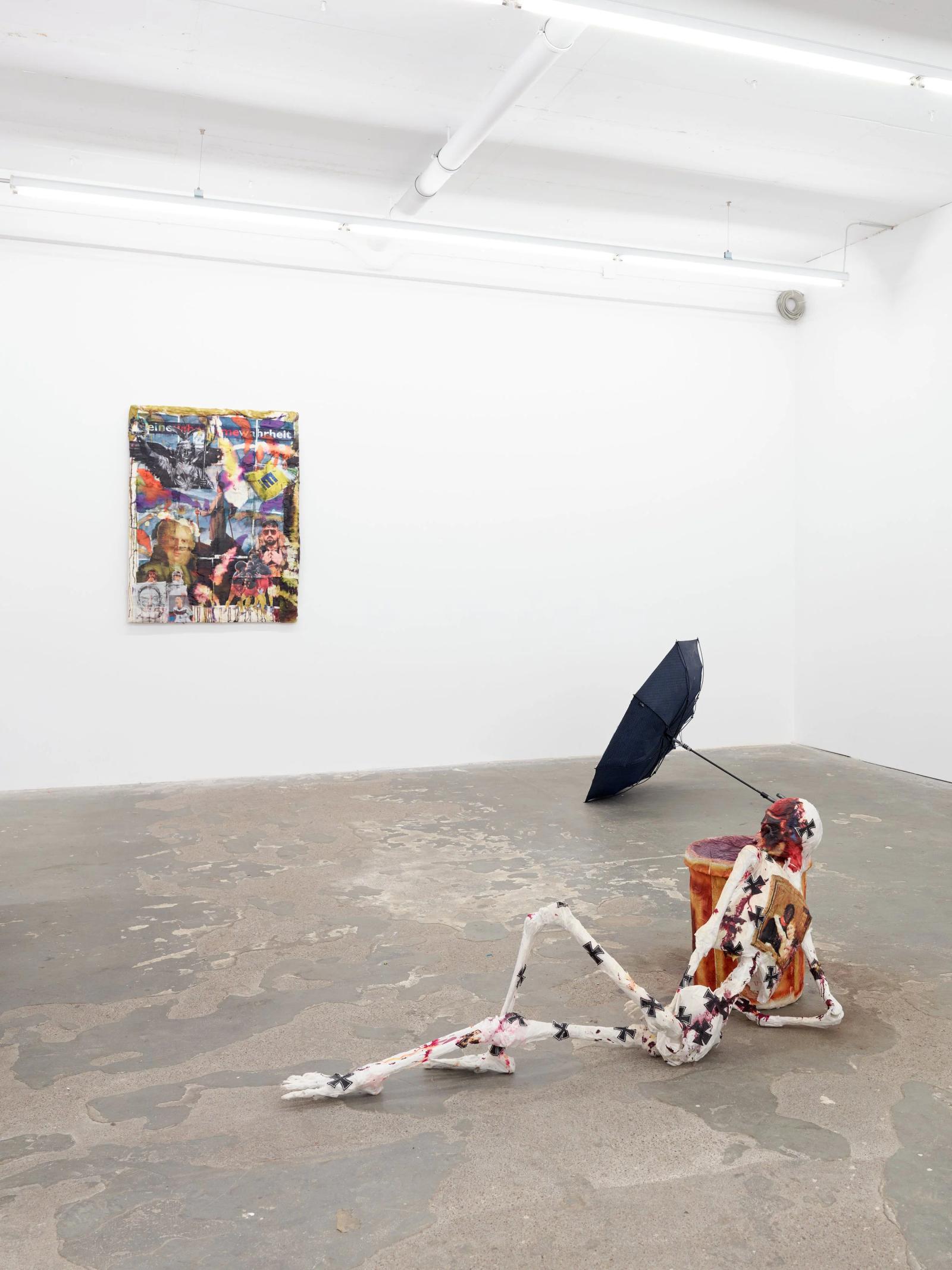
bP: With exhibitions in Florence, Los Angeles, and New York, does place influence how you approach your work?
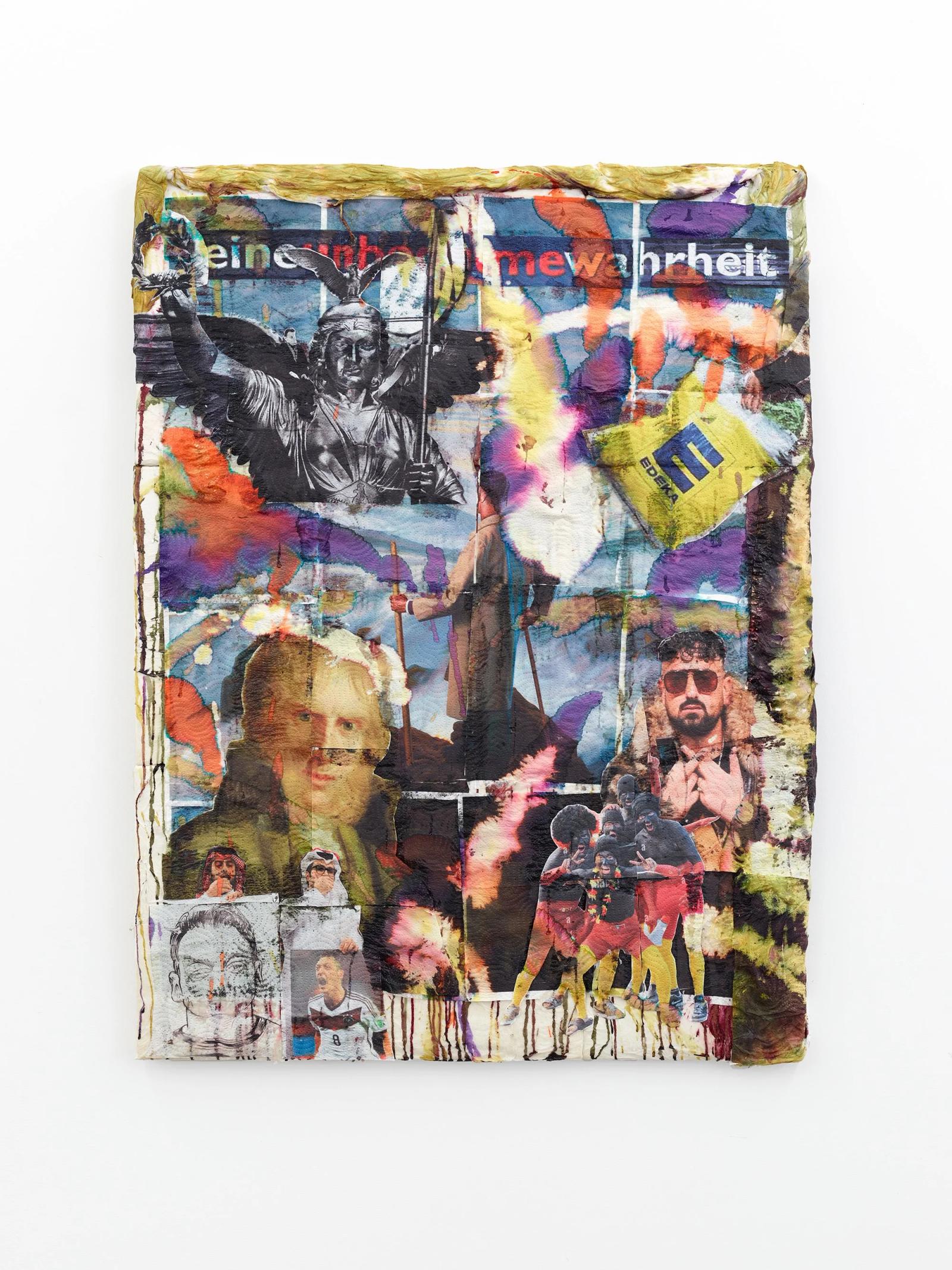
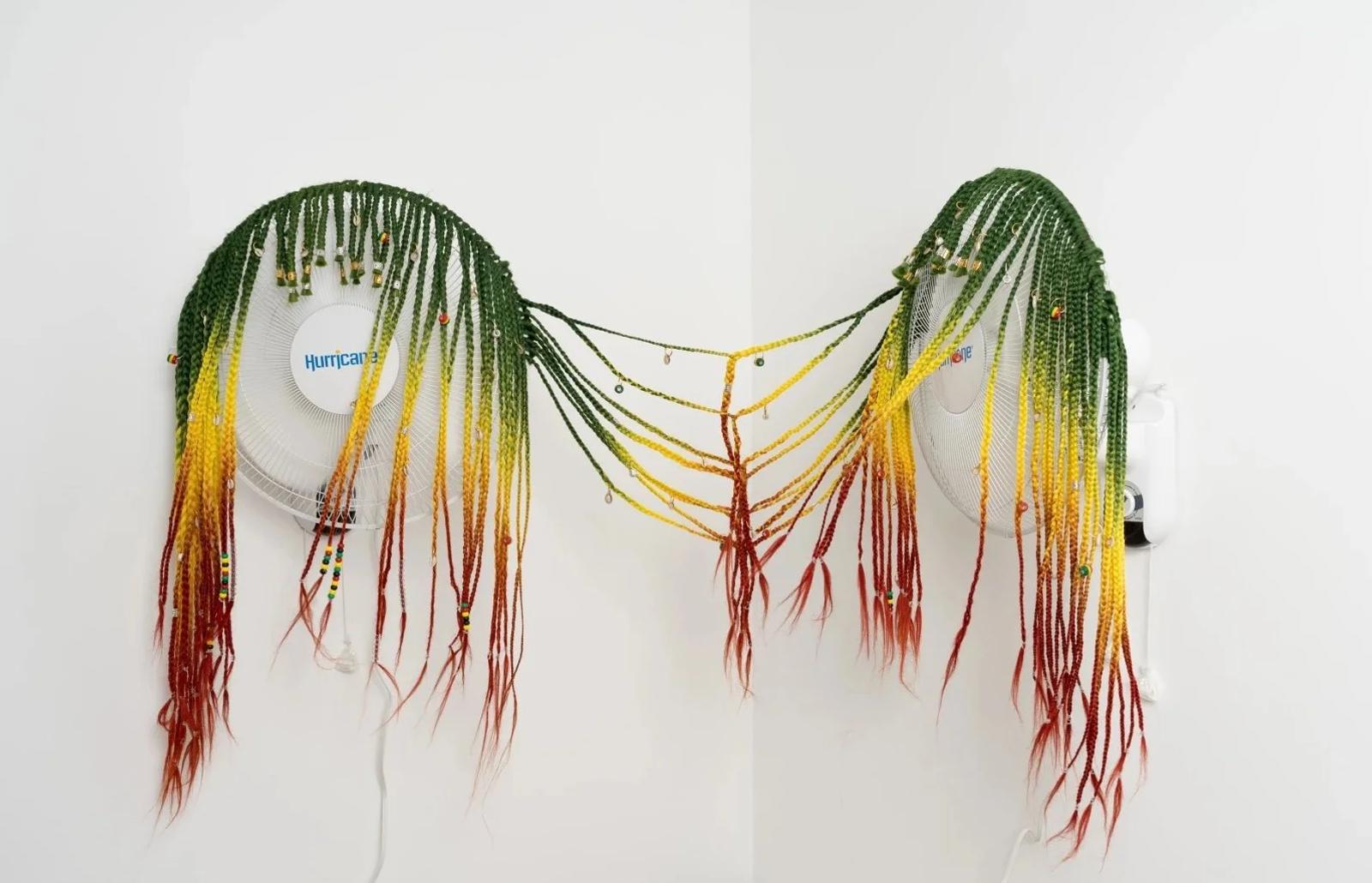
MZ: I've shown in my beloved Dallas, in Shanghai, in Paris, my colonial tether — and across many other time zones. But yes, place is everything. I think of my practice as site-responsive or, to borrow Photoshop's lingo, "content-aware." The work doesn't just arrive in a location, it's built around it. I start with a place and wait for it to tell me a joke. Sometimes it's a tongue twister. Sometimes it's a plaque. Then the research begins: rigorous, devotional, deliberately excessive. I haunt archives and junk shops. I listen. I eavesdrop. I walk museum storage and stare too long at the wrong things. I touch everything I'm not supposed to until the material starts to confess. The works that follow are never polite. They're not souvenirs, they're indictments, made lovingly. Right now, I'm writing from Berlin, where I'm developing my next body of work, Whether the Weather, opening in September at KOW. The show asks what happens when whiteness gets to be the climate, how air becomes aesthetic, who gets blown away, and who gets blamed for the wind. It includes paper-towel paintings, wind-powered fan sculptures, and a diva in the form of a tree who only performs once a year.
bP: You've mentioned you're interested in the space between comedy and tragedy. How do you maintain that balance?
MZ: I don't think it's delicate at all. It's feral. And I don't maintain it, I weaponize it. Tragedy isn't sacred to me. Neither is comedy. What matters is timing, proximity, pressure. I'm not trying to "balance" laughter and pain like some virtuous tightrope act. I'm using one to split open the other. The joke is a chisel. The tragedy is the marble. And sometimes it's the other way around. My relationship to humour is deeply Ivorian, deeply queer. I come from cultures where surviving requires style, where grief wears a sequined dress and rage arrives in falsetto. I've always felt that laughter isn't a release; it's a strategy. It's how the body metabolizes what it shouldn't be able to hold. When people call my work funny, I smile, but I'm watching to see when they stop laughing. Because that's where the real piece begins.
bP: How did you first come to use cleaning products as tools for art-making rather than seeing them purely as domestic materials?
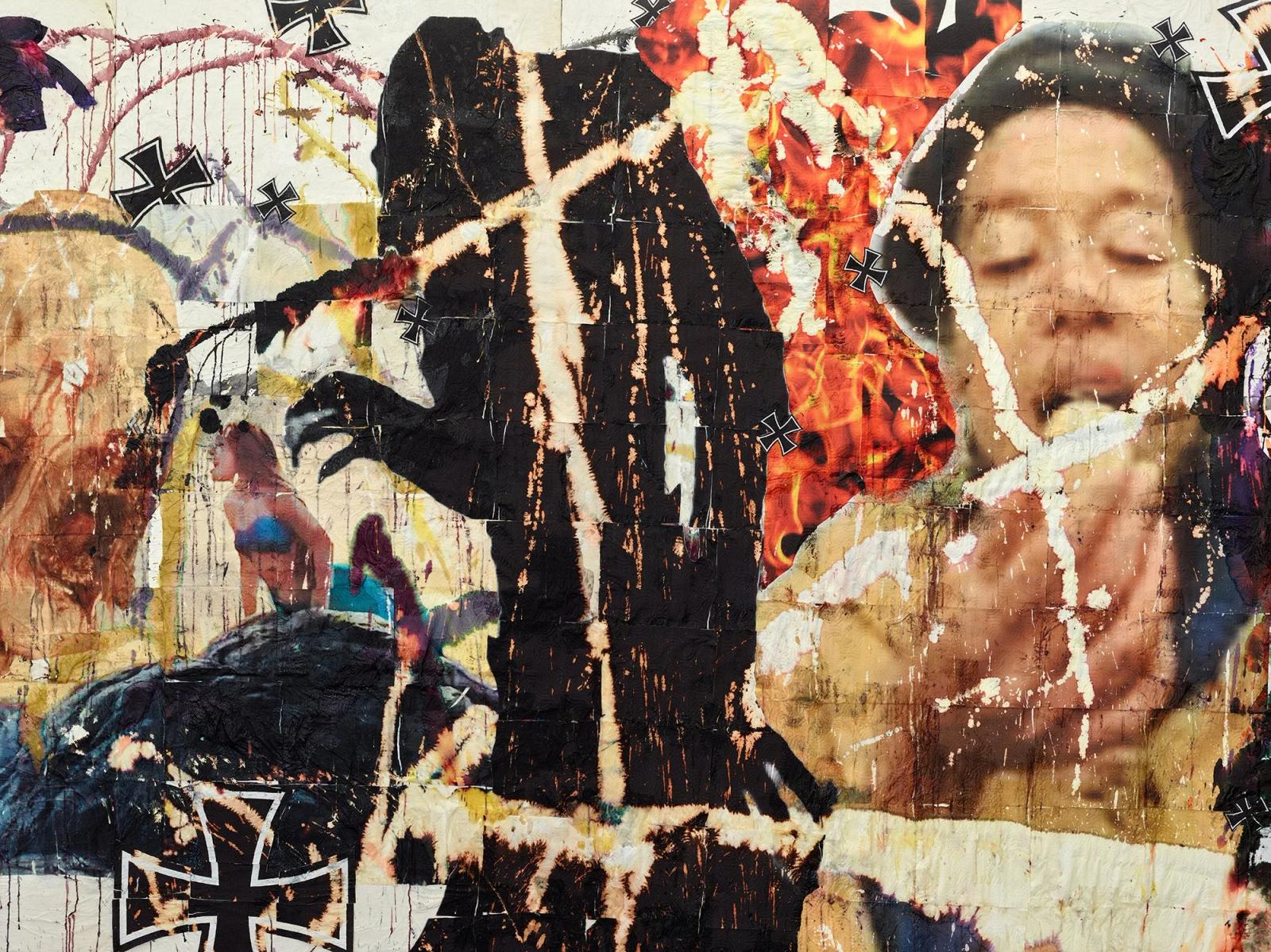
MZ: It started at the airport. I grew up between the U.S. and Côte d'Ivoire, and I have vivid memories of my mother packing giant cardboard boxes with food and cleaning supplies — Windex, Kleenex, Charmin, Dove. American products she insisted on bringing home. These weren't just household items; they were symbols. Of care, yes, but also of access. Of survival. Of the fantasy that Western goods could somehow clean up the mess of postcolonial life. Sometimes the boxes were too heavy and had to be opened in front of everyone. The contents — soap, disinfectant, air freshener — would be pulled out and redistributed while strangers watched. I remember feeling both pride and humiliation. Everyone could see who I was because they could see what I had. And for a second, I became the paper towel or the soap, exposed, carried, sorted, judged, shipped. My material practice begins there, in that absurdity, that contradiction, that inheritance. Cleaning products are never neutral. They're scented with gender, race, class, and capital. The myth of the sanitized space has always been a way to exclude certain bodies. So I use them. Not to clean, but to expose. I bleach paper towels, dye them, print on them, sculpt with them, turning them into surfaces that shimmer and slouch, pretending to be delicate while holding everything up.
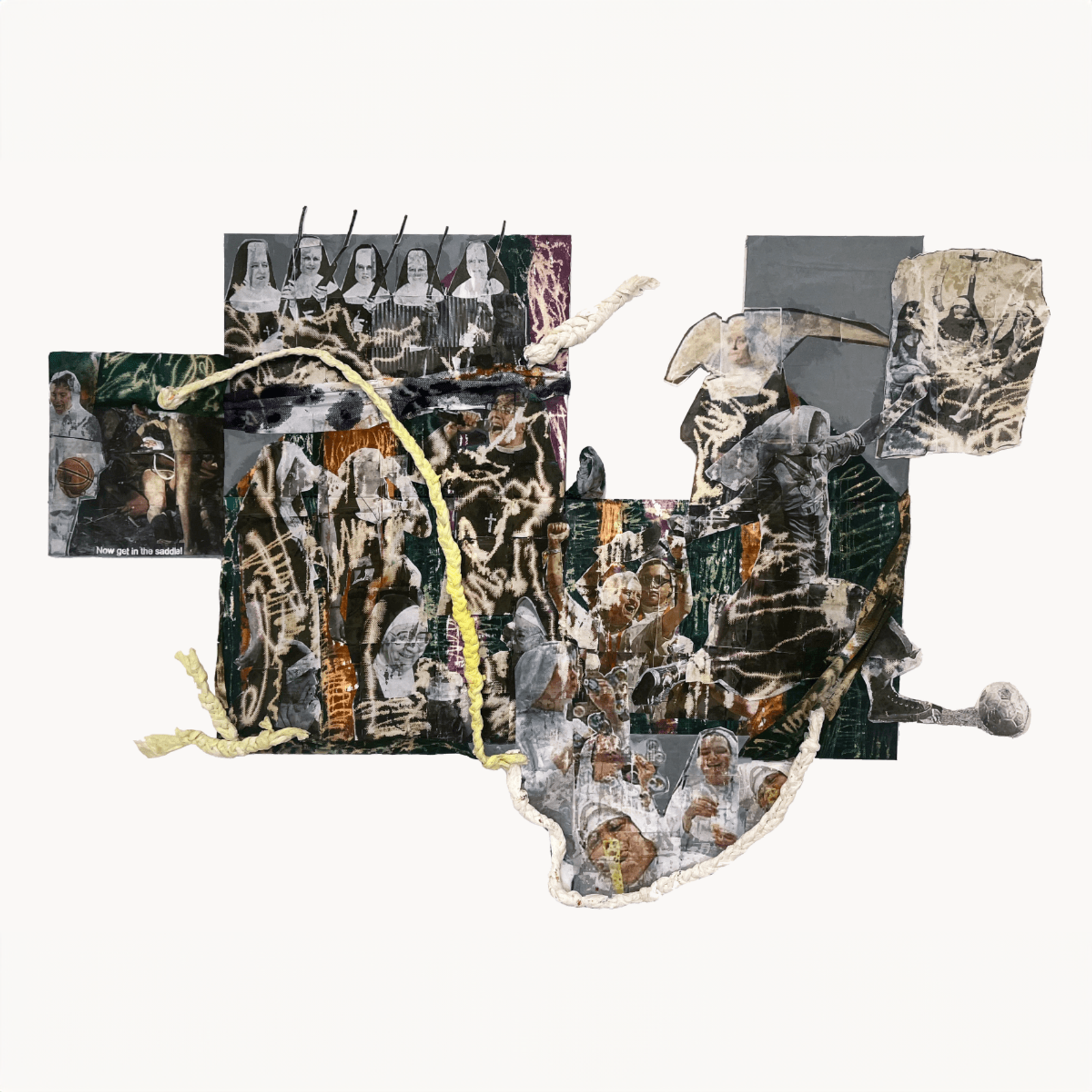
bP: You describe your works as "visual essays". What's your process for layering art-historical references?
MZ: Like any good essayist, I start with a question, and then spiral into a long-winded anecdote, a half-truth, and a suspicious amount of research. My works don't answer the question so much as they flirt with it, dodge it, and invite it out for drinks. The references begin in archives, yes — but also in gossip, museum brochures, family lore, YouTube rabbit holes, and those peculiar wall labels at second-tier European museums that were clearly written by someone's exhausted cousin. Sometimes I start with a canonical image. Sometimes with the petty feud behind it. I treat art history the way some people treat a legacy: something to inherit, argue with, misquote, and eventually transform into something that belongs to you.
Comments
Leave a comment