

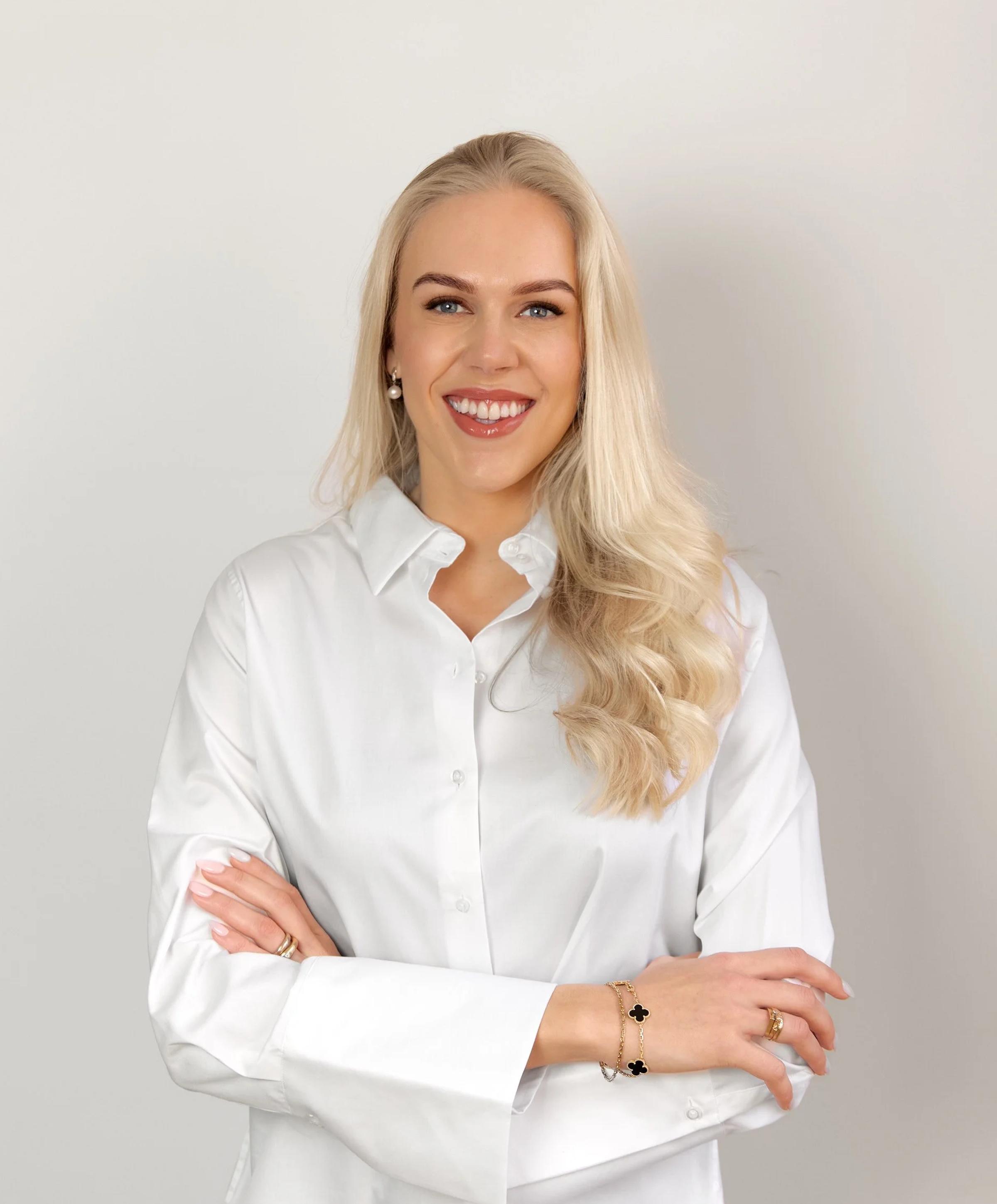
bP: As a young collector from a family of art collectors what do you personally seek when discovering new artists? What draws you in, instinct, narrative, innovation, or something else entirely?
SNR: For me, discovering new artists is a deeply instinctual process. I believe all art has a place in this world, and I hold great respect for artists - their courage to pursue creative careers is something I find incredibly inspiring. Often, I'm drawn to a piece before I fully understand why. It might be the energy, emotional weight, or even tension within the work that captures me. I do tend to collect from the same artists repeatedly, and I'm aware that I could challenge myself more to broaden that horizon. The context matters too, for instance, if I'm buying art for a specific home, I consider how the work aligns with the energy and space of that place. I love how everyone interprets art differently. Sometimes a piece resonates with me because it reflects something I'm experiencing or something I've lived through. That emotional connection is usually the spark, and it leads me to explore the artist's story, process, and intent. I'm also fascinated by the materials and techniques that artists use. Today, we see unexpected materials and everyday objects being transformed into powerful artworks, which helps to generate a sense of tension when experiencing these artworks hung next to Old Masters and more traditional pieces. When it comes to emerging artists, what often inspires me to collect their work is meeting them, learning about what drives them, and believing in their vision. That personal connection helps make art even more meaningful.
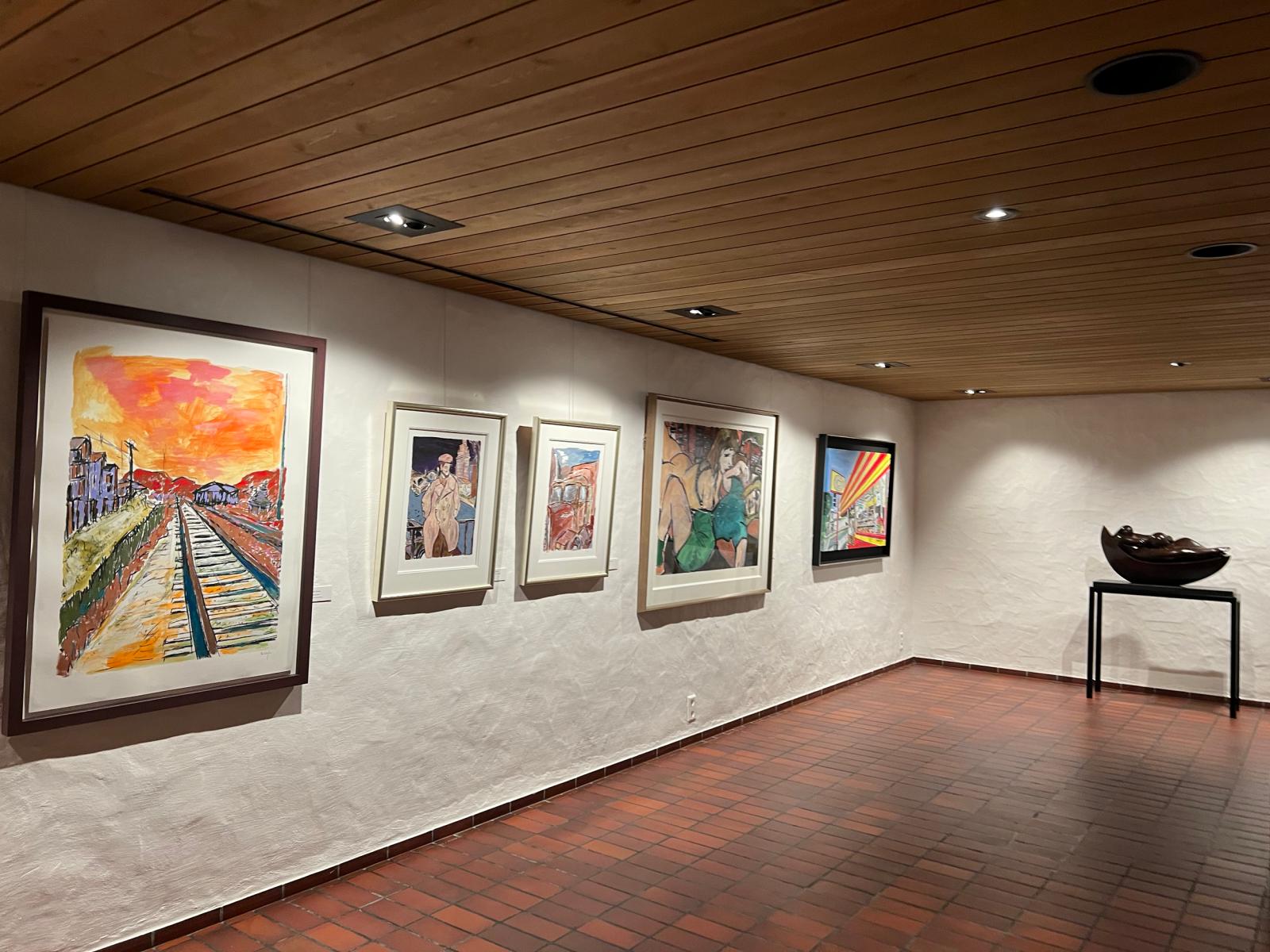
bP: Can you recall the first moment you realised you wanted to live within art, not merely admire it but actively collect it?
SNR: Honestly, as a child I didn't understand the fuss around art. On family holidays, my dad would spend hours in galleries and museums while I would have rather gone to shops or restaurants. But over time, I began to understand that art wasn't just something to look at, it was something you lived with. There was no dramatic moment of realisation, but rather a slow and certain shift through my teen years as I unconsciously absorbed a sense of taste and style based around the volume of art I was lucky enough to experience. I grew up in a home where art shaped our conversations, emotions, and values. My father brought his passion for collecting into both our family and our family business, and I learned that art could be both deeply personal and professionally enriching. I remember asking why they bought a particular piece, and the answer was always: "Because I like it." That stayed with me. My father also said, "Never buy anything you don't like, and never buy anything just to sell." Those values continue to shape my buying philosophy and guide me to this day. Now, collecting is not just a way to surround myself with art, it's a way to honour my parents, continue their legacy, and find my own voice through it.
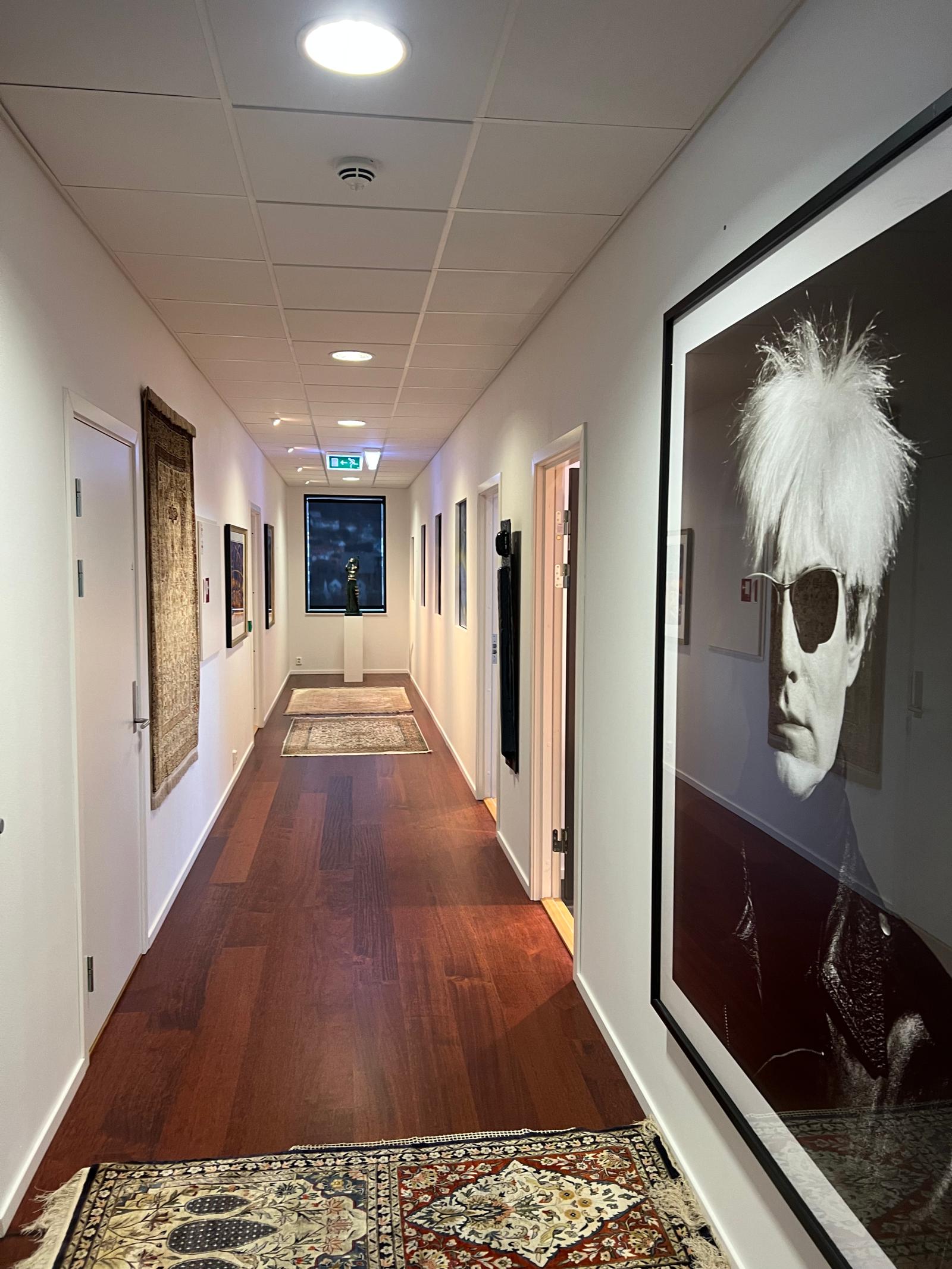
bP: In what ways has your upbringing shaped your sense of aesthetics and taste when it comes to art? Are there particular values or references that have stayed with you?
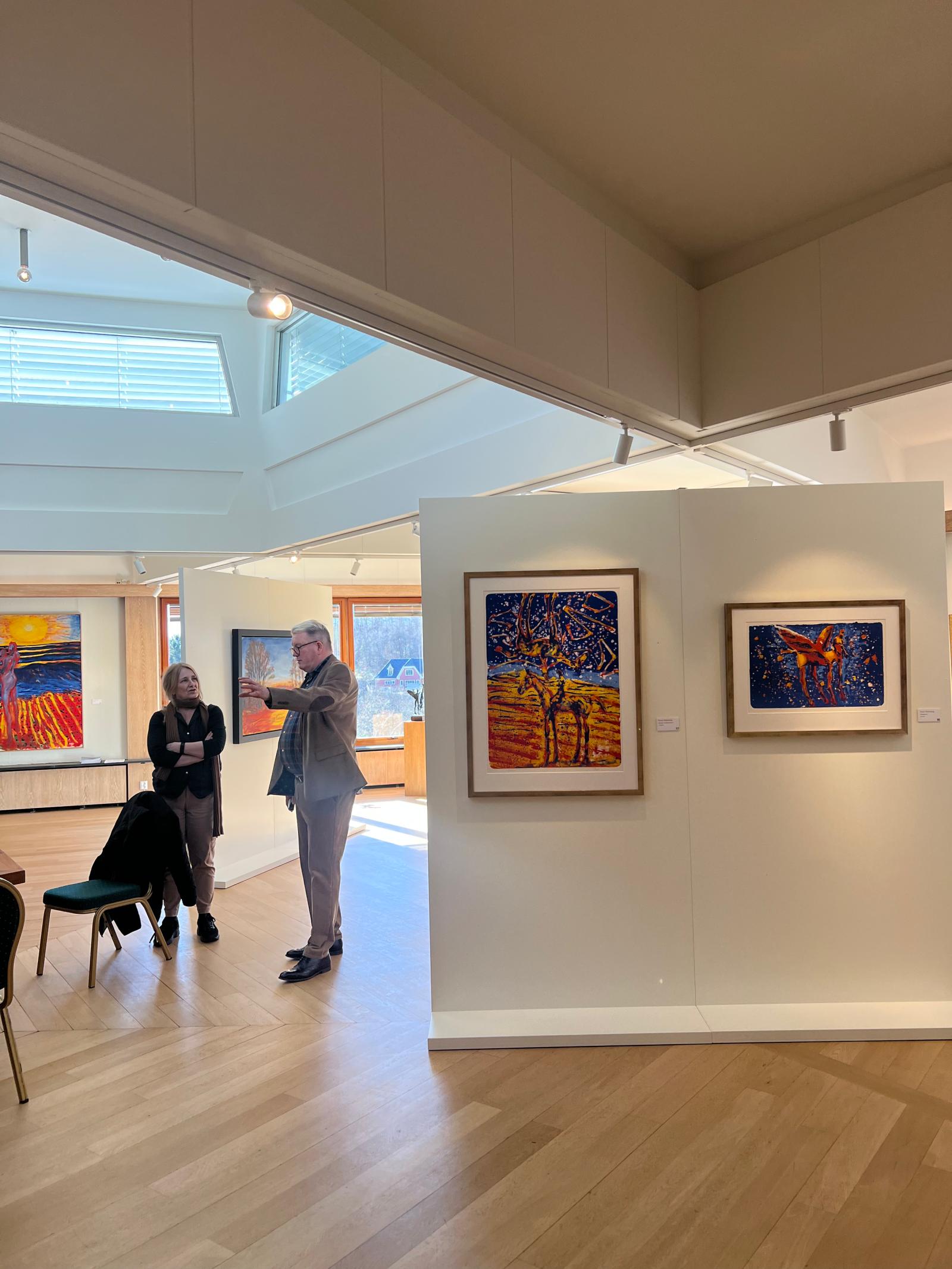
SNR: My upbringing has shaped everything, from my aesthetic sensibilities to my values as a collector. Growing up in Norway, our family collection included a lot of Scandinavian artists, which has inevitably influenced my eye. You see the landscape, the light, and the stillness, so subtly layered to create both tranquility and a keen sense of fragility. There's a subtle power in much of Scandinavian art that continues to draw me in. My family has always placed value on relationships with artists, especially Scandinavian artists, such as Lars Lerin, Frans Widerberg and Nico Widerberg. I grew up watching them engage not just with the work but with the people behind it. That taught me that collecting isn't transactional, but most importantly, relational. My father dedicates some of our commercial real estate buildings to different artists and fills the whole building with mostly art from that artist. This has allowed us to share and inspire people who rent in these buildings to see the beauty in collecting art. We also travelled frequently, and every trip was an opportunity to discover something new. Even today, the core of our family collection is that of my grandparents; my grandmother and her sister were artists and growing up around their pieces and creative minds has always been inspiring. That's why, for me, collecting will always be deeply emotional. It's not just about the artwork, it's about what it represents in time, place, and memory.
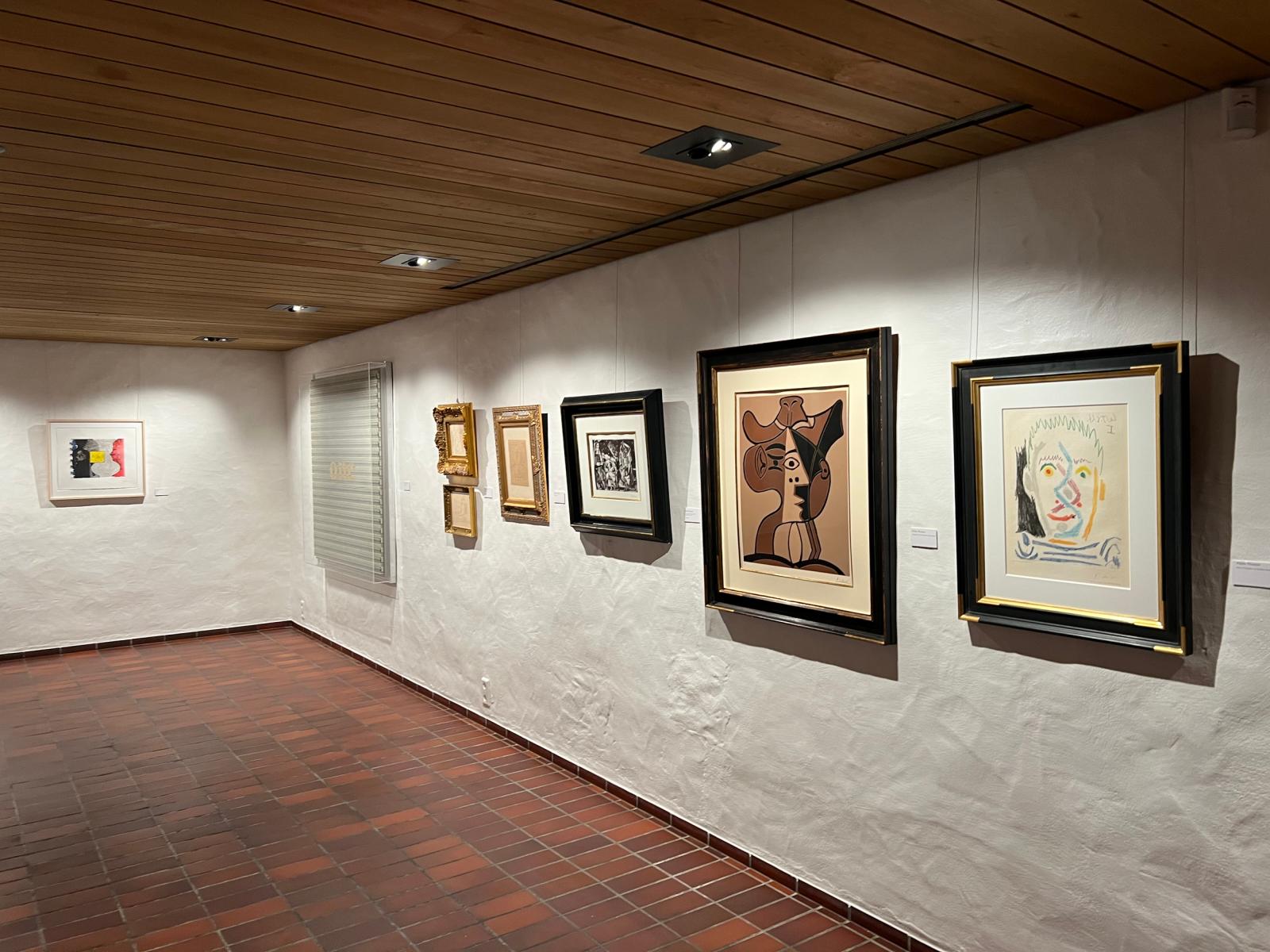
bP: What responsibilities if any do you feel a collector holds towards the artist the public or even the artwork itself?
SNR: Collectors absolutely have responsibilities toward the artist, the artwork, and the wider cultural context. First and foremost, art is meant to be experienced, and I believe collectors should make efforts to show the work out of respect to both the piece and the creator. As a primary collector and buyer, I feel a moral duty to support artists in meaningful ways that not only extract value from your collection but also amplify their voices and be part of their journey. Collectors also play a role in shaping cultural memory. The pieces we acquire tell stories about the artist and their times but also about the lives of those who collect them. I've learned so much about my grandparents through the works they collected and the pieces my grandmother created. I also believe that being a collector comes with a responsibility to give back to both the artist and the wider cultural ecosystem. That includes supporting foundations, charities, and initiatives that promote access, education and dialogue around the arts. My family is very involved with QSPA, the Queen Sonja Print Award, which celebrates and supports excellence in printmaking. Being part of this community has shown me that art isn't just about objects - it's about people, ideas, and creating opportunities for connection and growth. Lastly, I believe in keeping collections within families, passing them down through generations. That continuity allows the art to tell layered stories not only of its creator but of the lives it has touched along the way.
bP: Has social media played a role in shaping your eye? Or does it ever risk becoming a source of visual saturation and distraction?
SNR: Social media has often been called a double-edged sword, and it is no different for those of us in the art world. On one hand, it offers reach for emerging artists, access to global exhibitions, and helps to foster creative dialogues, but on the other hand it inevitably compresses an artwork into one small square on a screen, which minimises the power of scale, presence and texture. It's a tool I use to stay informed about shows and events around the world, but I don't rely on it to discover art on a day-to-day basis. There's a risk of becoming overstimulated. With so much constantly available, it's easy to lose your center and forget why you started collecting in the first place. Art becomes content, not experience. I believe in the power of seeing art in person. For instance, no viewer on Instagram could have a comparable experience to that of standing in front of a Rothko canvas. For me, the most meaningful pieces will always be the ones I encounter in real life.
bP: How do you approach relationships with galleries particularly as a young collector navigating an often opaque landscape?
SNR: Relationships with galleries are built on mutual trust and respect. As a young collector, I've found that transparency matters. I gravitate toward gallerists who are generous with their time, honest in their approach, and deeply committed to the artists they represent. While I remain loyal to the galleries my family has worked with over the years, I'm also open to new connections. You can quickly sense when a gallery respects you and values your perspective as a collector. I always try to ask questions and admit what I don't know. No one can know everything about art, and I enjoy learning something new every time I visit a gallery, whether it's established or emerging. That said, practical things matter too. Galleries that are well-organised when it comes to international logistics make a big difference for me, especially as we ship much of our collection back to Norway.
bP: What do you hope your collection communicates about who you are and about the cultural moment we're living through?
SNR: I hope my collection reflects a deep engagement with the present, with a focus on works that explore themes of identity, memory, vulnerability, and resistance. It's also a reflection of my personal journey, through places, experiences and emotions. Ultimately, I want my collection to contribute to my family's legacy. One day, I hope it can live alongside the pieces my parents and grandparents collected, continuing a story that spans generations. Art has the power to document a moment in time. I often think about Andy Warhol's work and how, in many ways, it captures a sense of history better than textbooks ever could. I'd like my collection to do something similar, and to reflect the complexities and beauty of the time I lived in.
Comments
Leave a comment