

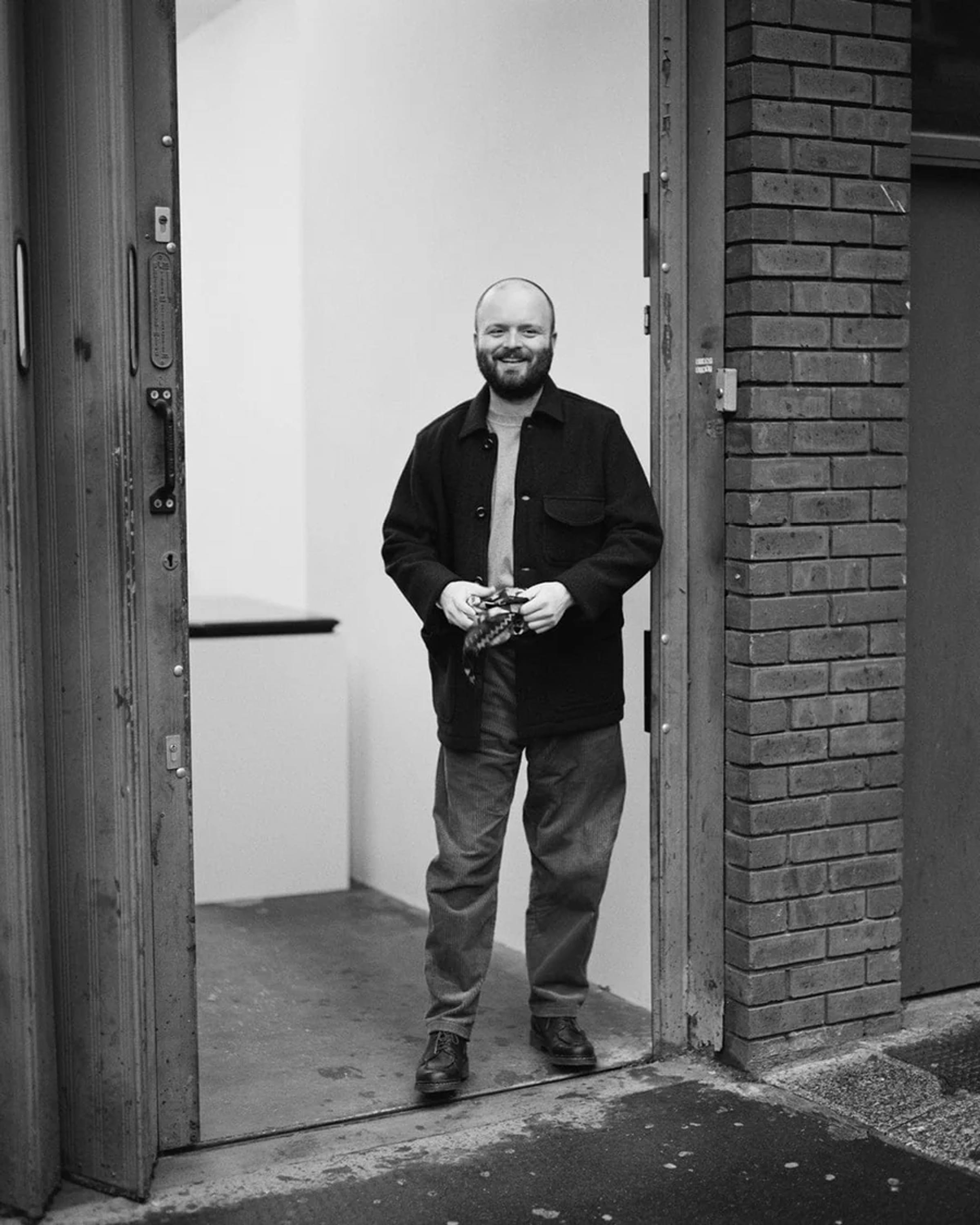
KW: Ginny on Frederick is named after your mum, and you opened your first space on Frederick Terrace in Hackney. Why did you open the gallery, and more specifically, what conditions were you responding to at that moment?
FP: I was working at White Cube, managing the bookshop, which was a magical job, while also organising exhibitions nomadically on trains, around my mother’s neck, hotel rooms and in eccentric old houses in Wales. I found a very affordable space on Frederick Terrace and decided to make something more permanent. It was a response to a need for freedom. Naming it after my mum also felt right because the project grew out of a very intimate, improvised way of working that was (and still is) deeply tied to friendships and some version of community.
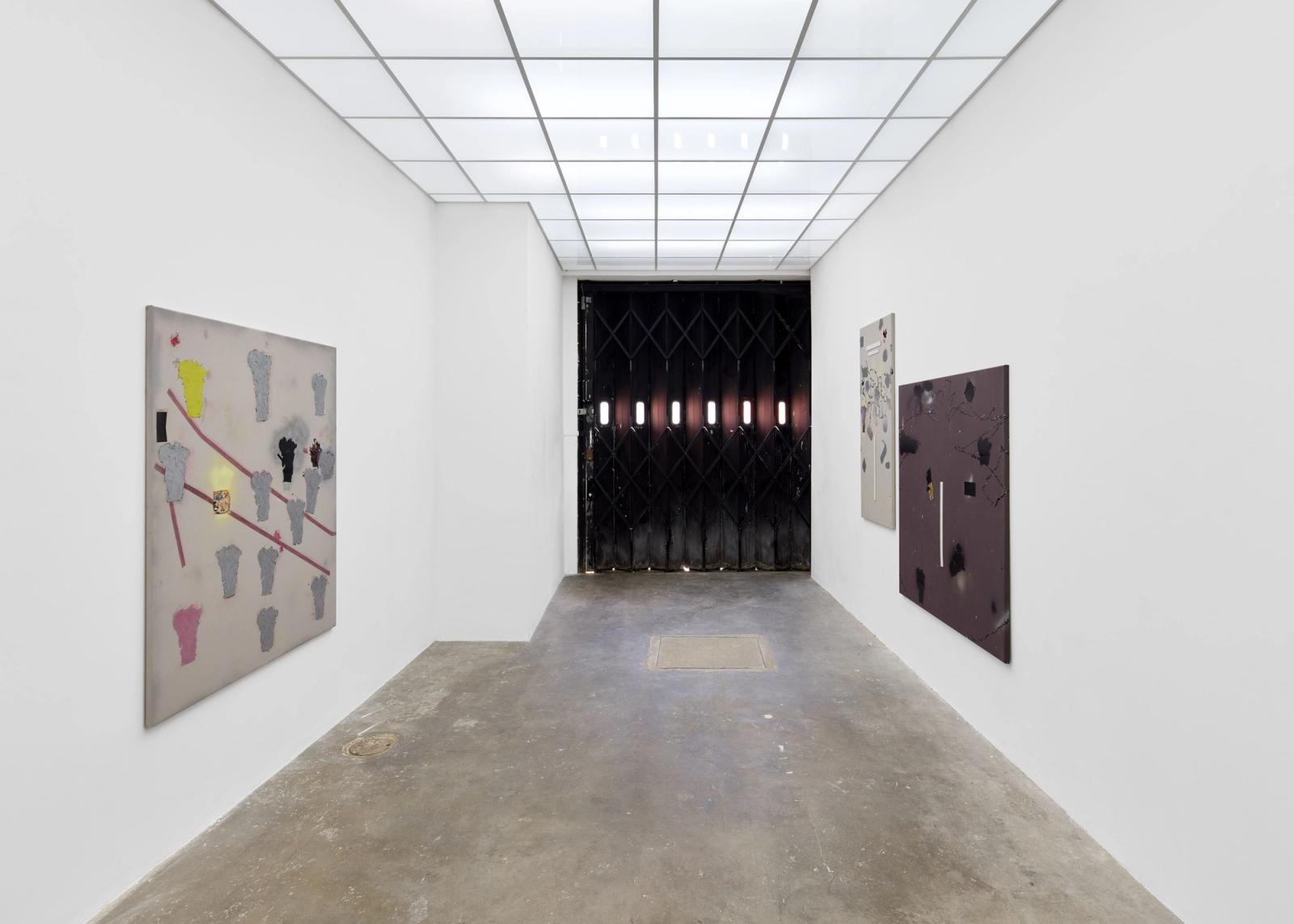
KW: The gallery operates with a sense of intimacy and specificity that feels increasingly rare within the contemporary art world. How important is scale to your thinking?
FP: Scale matters, but not in an abstract way. Working small for now means I can stay close to the artists and the work, and make decisions quickly without too much distance or bureaucracy creeping in.
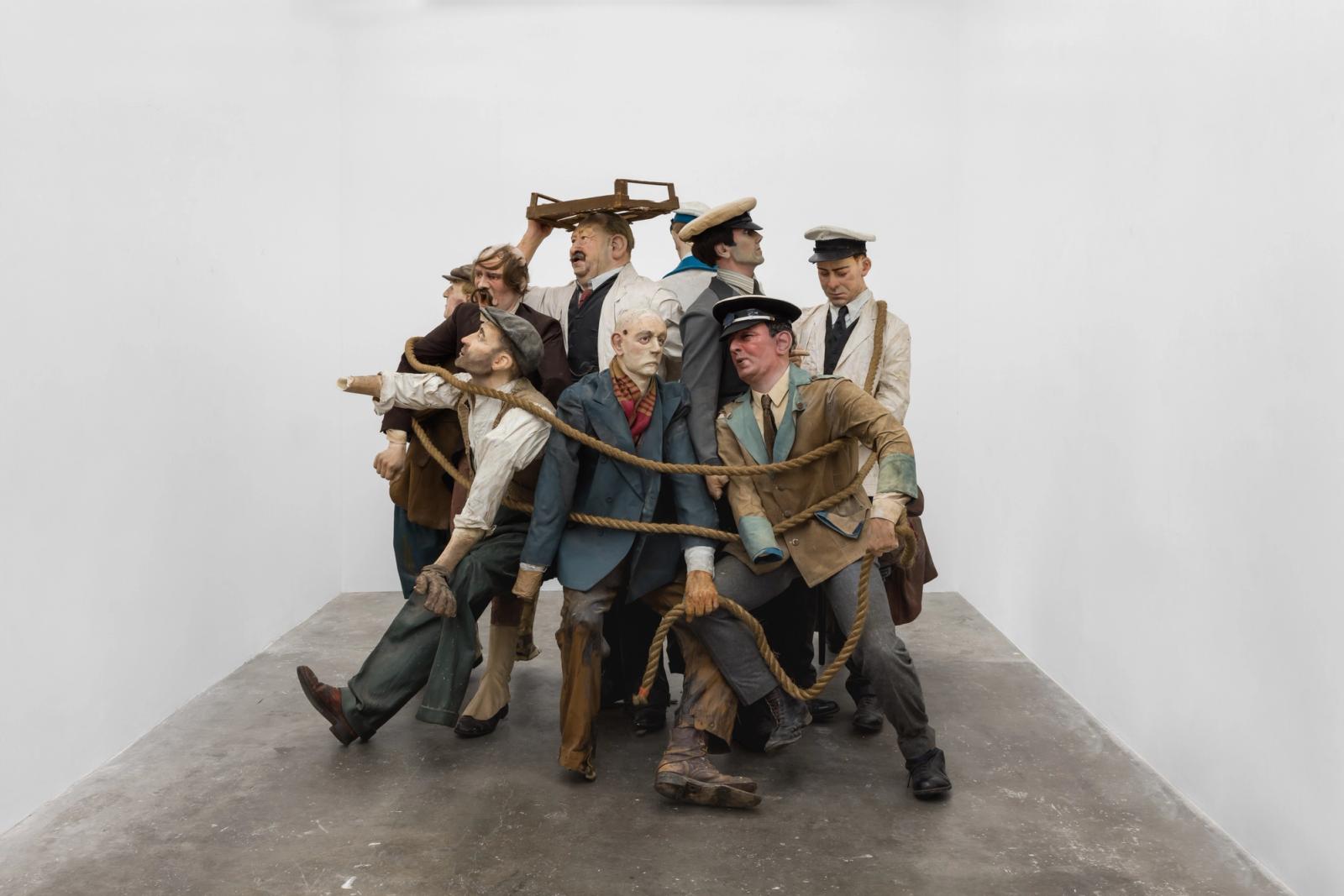
KW: This series considers non-conformity as both a refusal and a constructive act. In what ways do you think Ginny on Frederick operates differently from more conventional gallery models?
FP: I wouldn’t frame Ginny as operating from a particularly radical position these days, or as trying to change how galleries function in any structural sense. It started in a more unorthodox, informal way, but over time it has become a pretty formal gallery with all the responsibilities and practical realities that come with that. Non-conformity can be interesting as a concept if you’re looking at it from the outside, but for me it isn’t really a framing device. My world is already shaped pretty exclusively by queer, trans and female voices so it naturally informs the programme. Rather than it being a stance, it’s more that Ginny reflects a lived reality and a set of ongoing relationships.
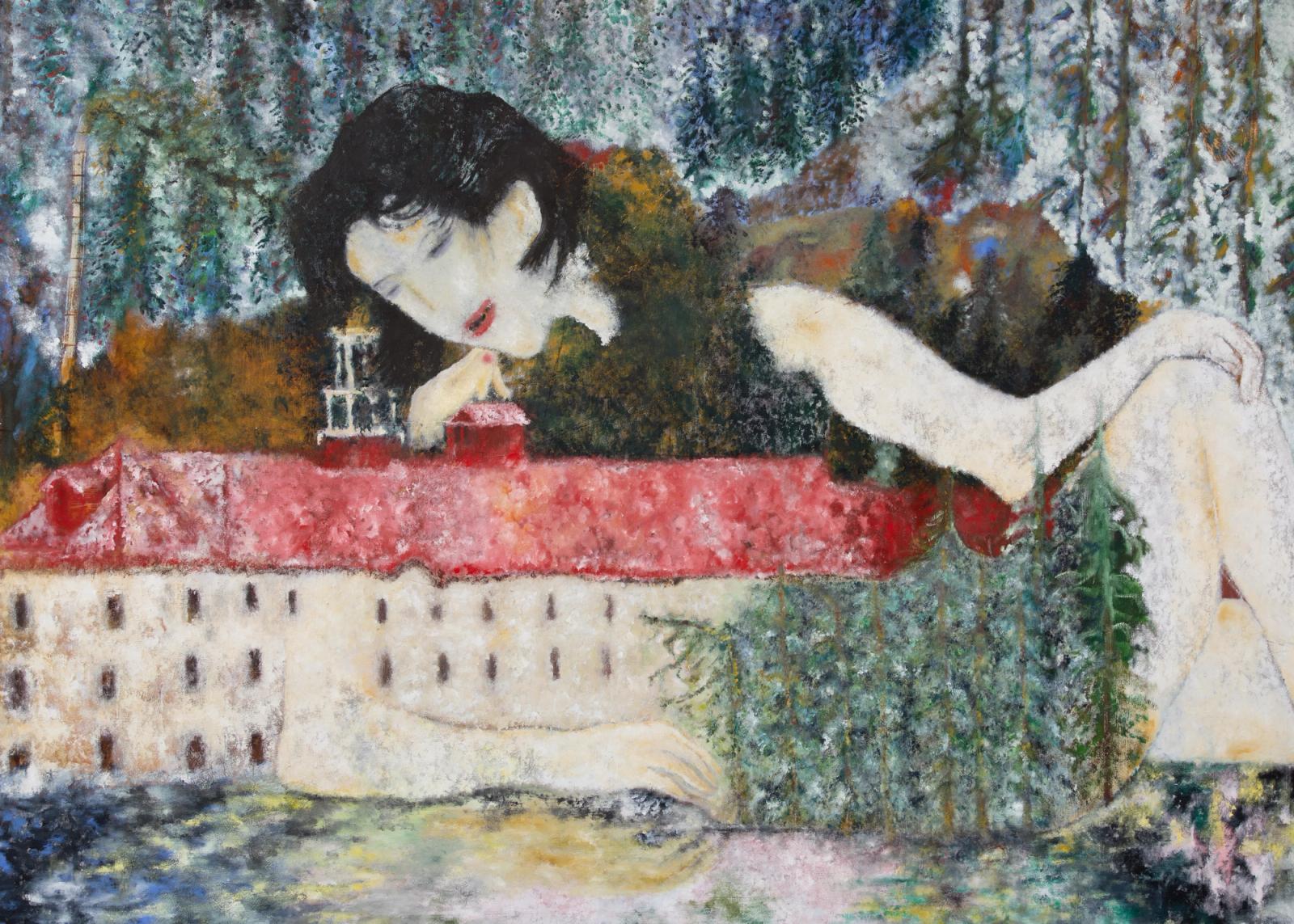
KW: What are the particular challenges of sustaining an independent gallery in London today?
FP: Money, and sustainability. We’ve seen a wonderful number of new spaces open in London, which is exciting, but the question of how we all stay open is what keeps me up at night.
KW: What do you think artists most need from galleries right now that they are often not receiving?
FP: A bit of protection from the constant pressure of the collecting cycle, the feeling that every show has to immediately translate into sales or momentum isn't helpful to anyone. In practical terms, it’s perhaps about slowing things down where you can and not over-framing a show around its commercial reception, and not letting that logic shape the way the work is made or presented. Of course, the market is still there, you can’t ignore it (ever completely) but it doesn’t need to be the organising principle for every decision.
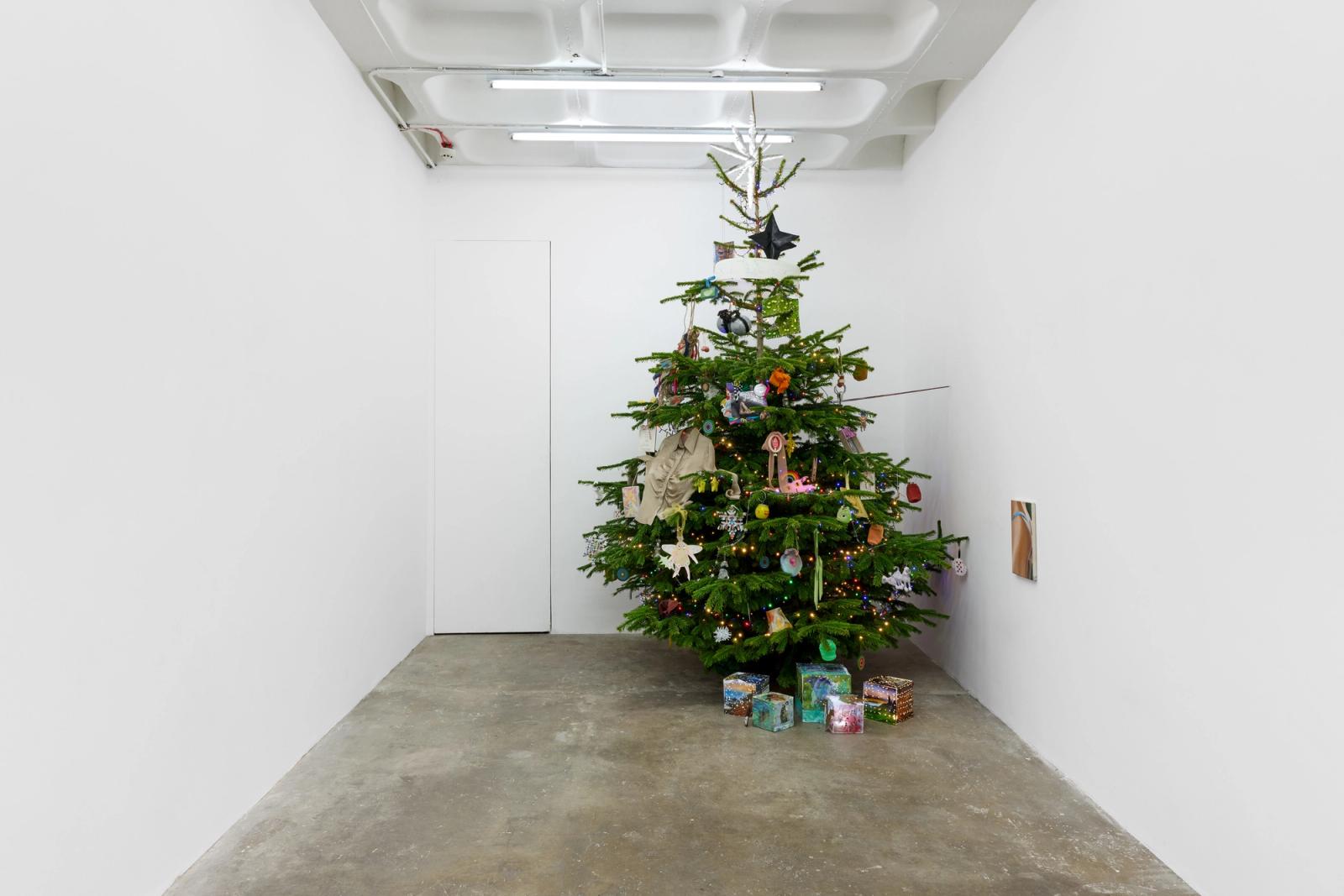
KW: How do you maintain conviction in your own approach within an art world increasingly mediated by social media, and one that often rewards conformity and repetition?
FP: It reminds me of something Trixie Mattel has said about drag... that it basically requires a healthy level of delusion. Every drag queen has to believe, at least for the duration of the wig, that they’re the best thing that’s ever happened to a room and I think there’s something useful in that.
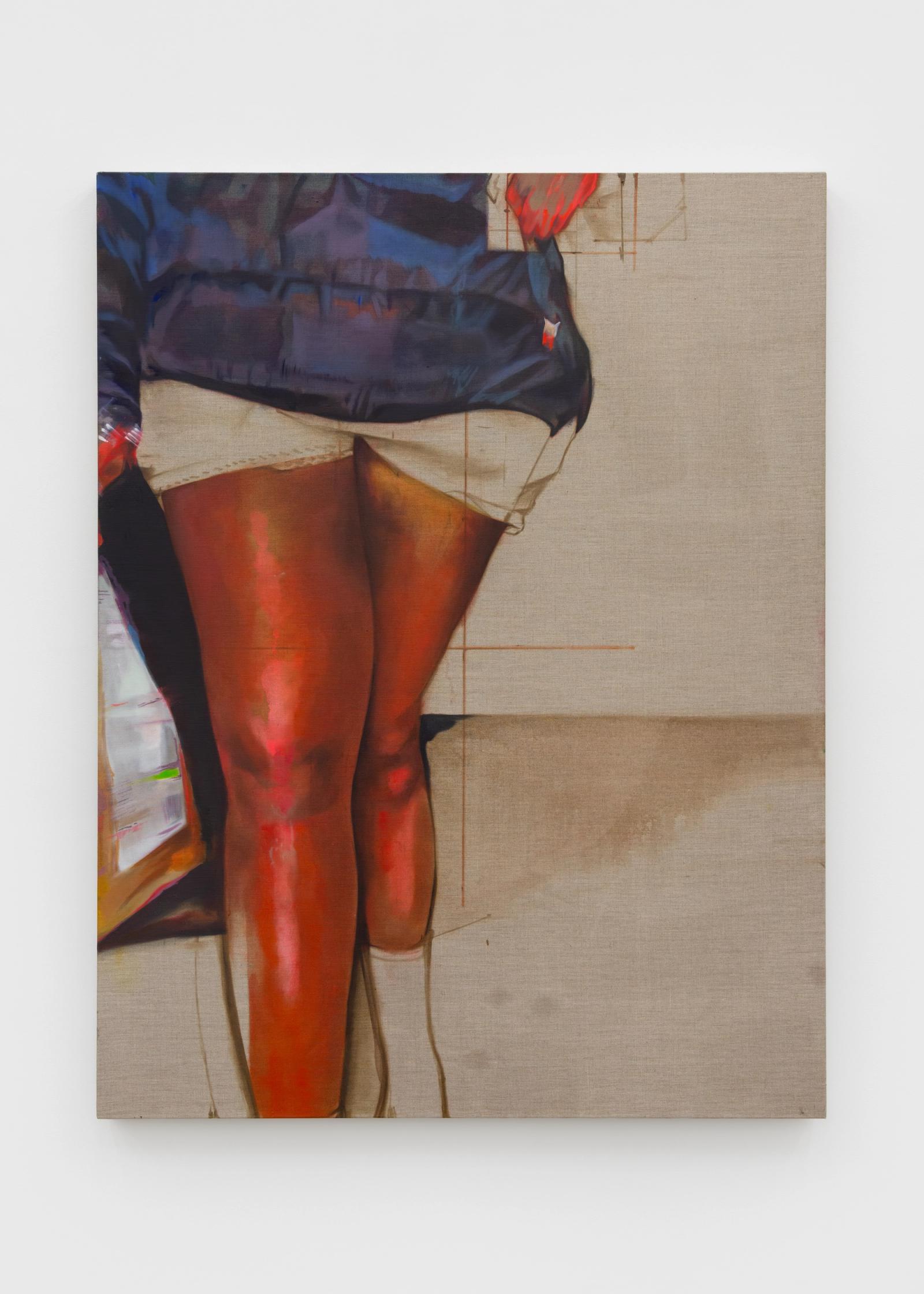
KW: Finally, six years on—and within an industry so dependent on digital circulation and online visibility—you still don’t maintain an active website. As someone currently building a new non-profit with a very limited budget, I find this super interesting. Can you tell me why?
FP: Having your own business, especially one that started quite informally, means you can decide how you want to exist. I’m not against websites at all, it’s just not how I think about the gallery or how I encounter art and research. For me, the work lives through exhibitions, conversations, and relationships first. So it’s less a rejection of something, and more a sense that you can choose your own structures and not all of them have to be digital or outward-facing in that way. Although maybe we will have one soon, who knows!
Comments
Leave a comment