

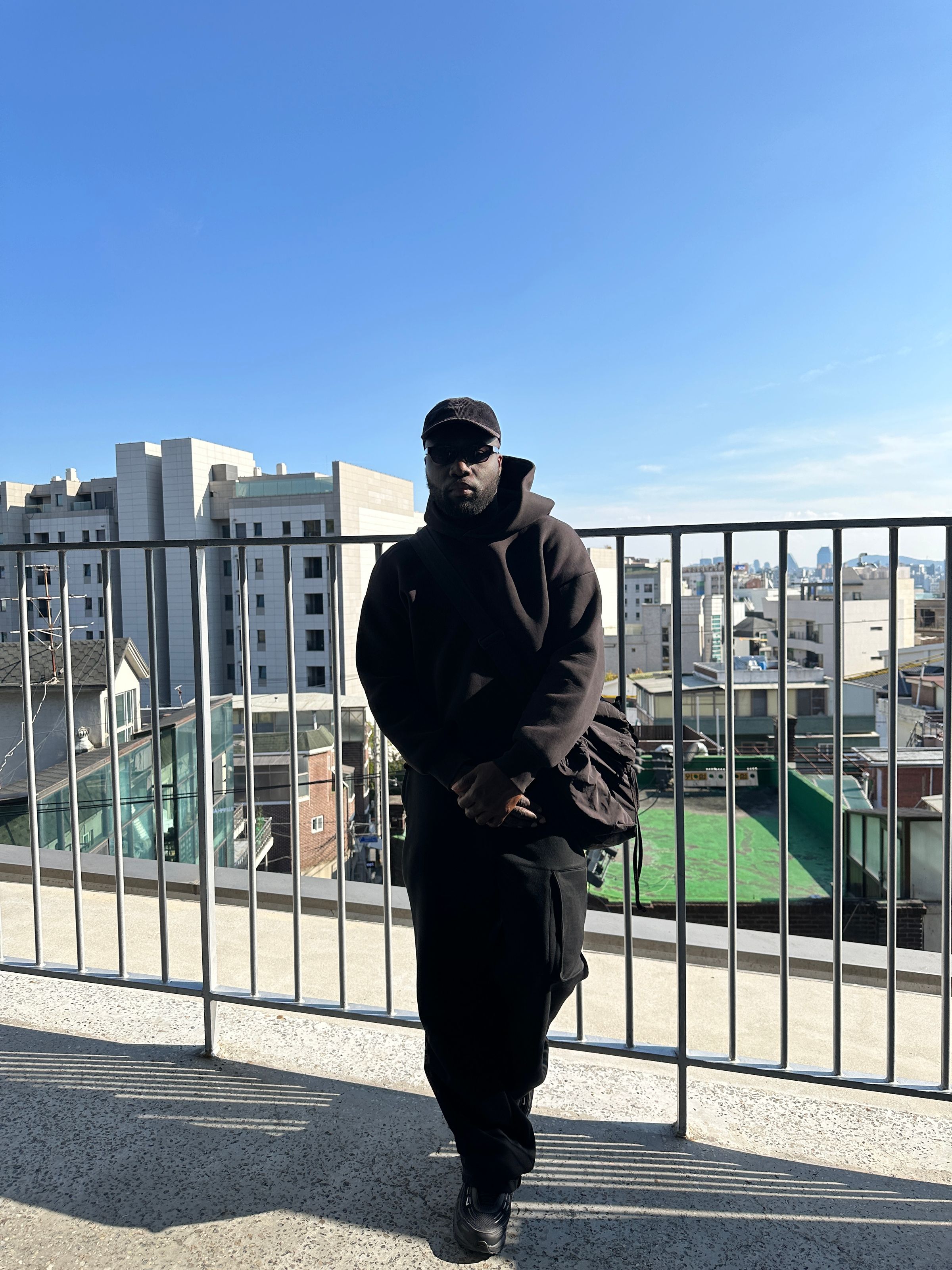
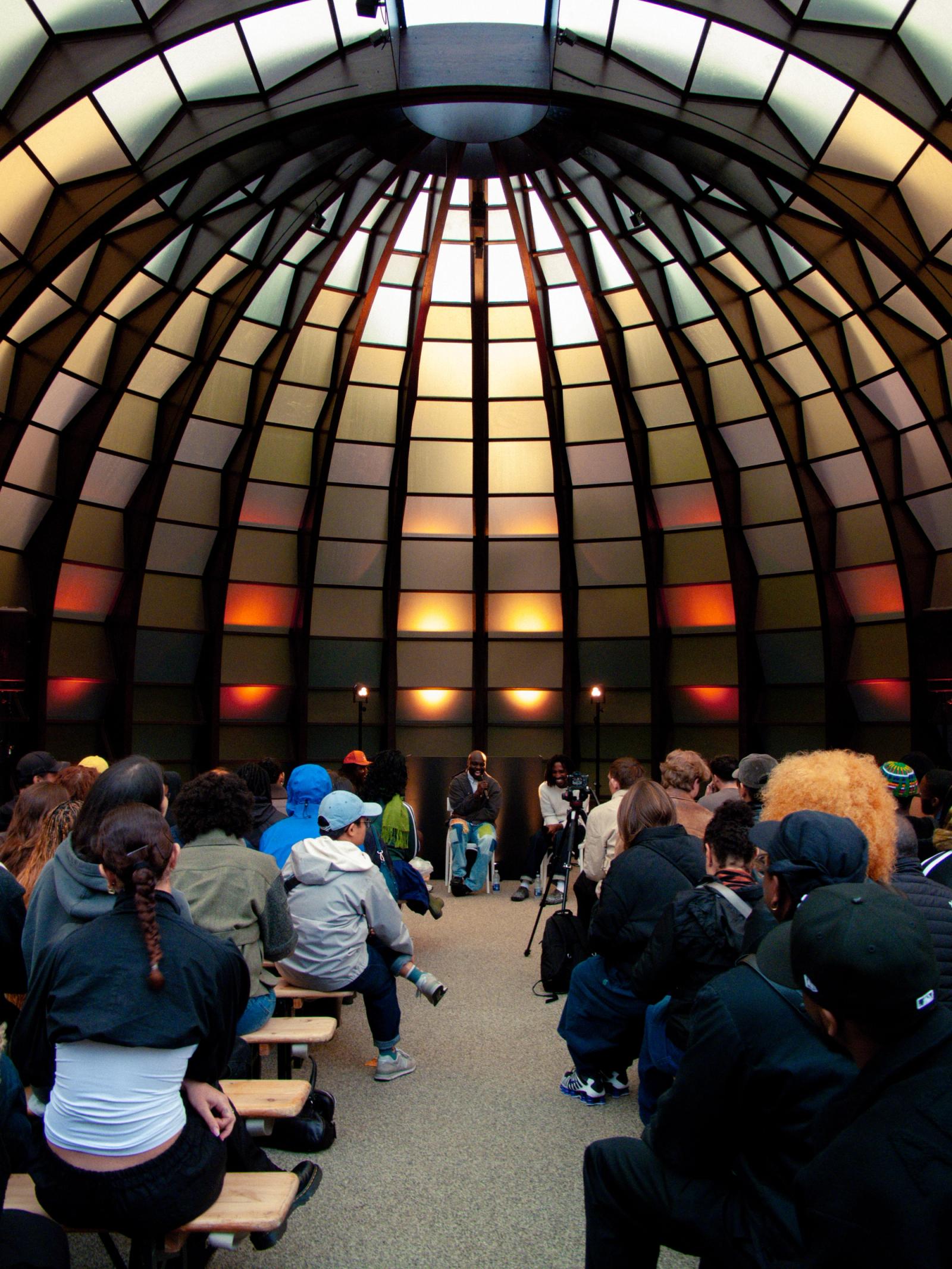
KW: You are the founder of New Currency, a global youth platform dedicated to the exchange of ideas. New Currency is a publication, talks, performances and events. What initially led you to start New Currency and what gaps were you responding to?
KK: I was interested in creating a gathering point where young people with ideas could meet. At the time, I felt there were a lot of interesting people working in isolation. New Currency became a way to bring those people into conversation with one another.
It started as a platform for documenting creative practices around the world, but underneath that was a deeper interest in fellowship and exchange. I've always been fascinated by the people behind the scenes and the communities that shape culture before the wider world notices them. New Currency became a vehicle for collecting those stories, creating connections and building a network of people who could learn from one another.
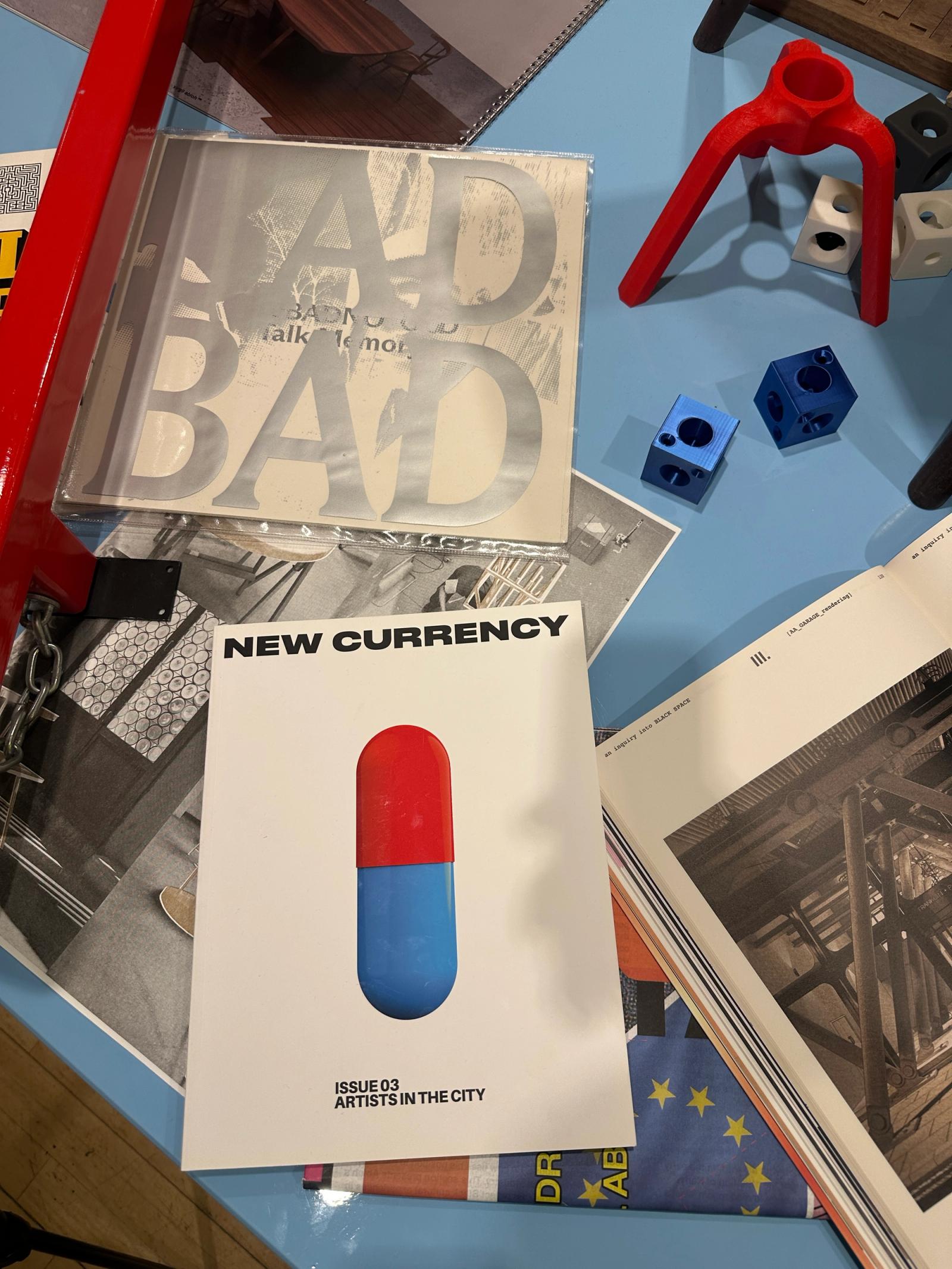
KW: When you describe yourself as a cultural curator, what does this mean?
KK: A curator literally means "to care," and that's a definition I return to often. For me, cultural curation is about preserving the most valuable ideas, practices and conversations happening around me, while also introducing new perspectives that help us understand a changing world.
Much of my work comes from listening to friends, artists and young people around the world and finding ways to connect those ideas into something others can engage with. In many ways, my role is to bring people, perspectives and ideologies together and present them in a way that creates understanding, dialogue and new possibilities.
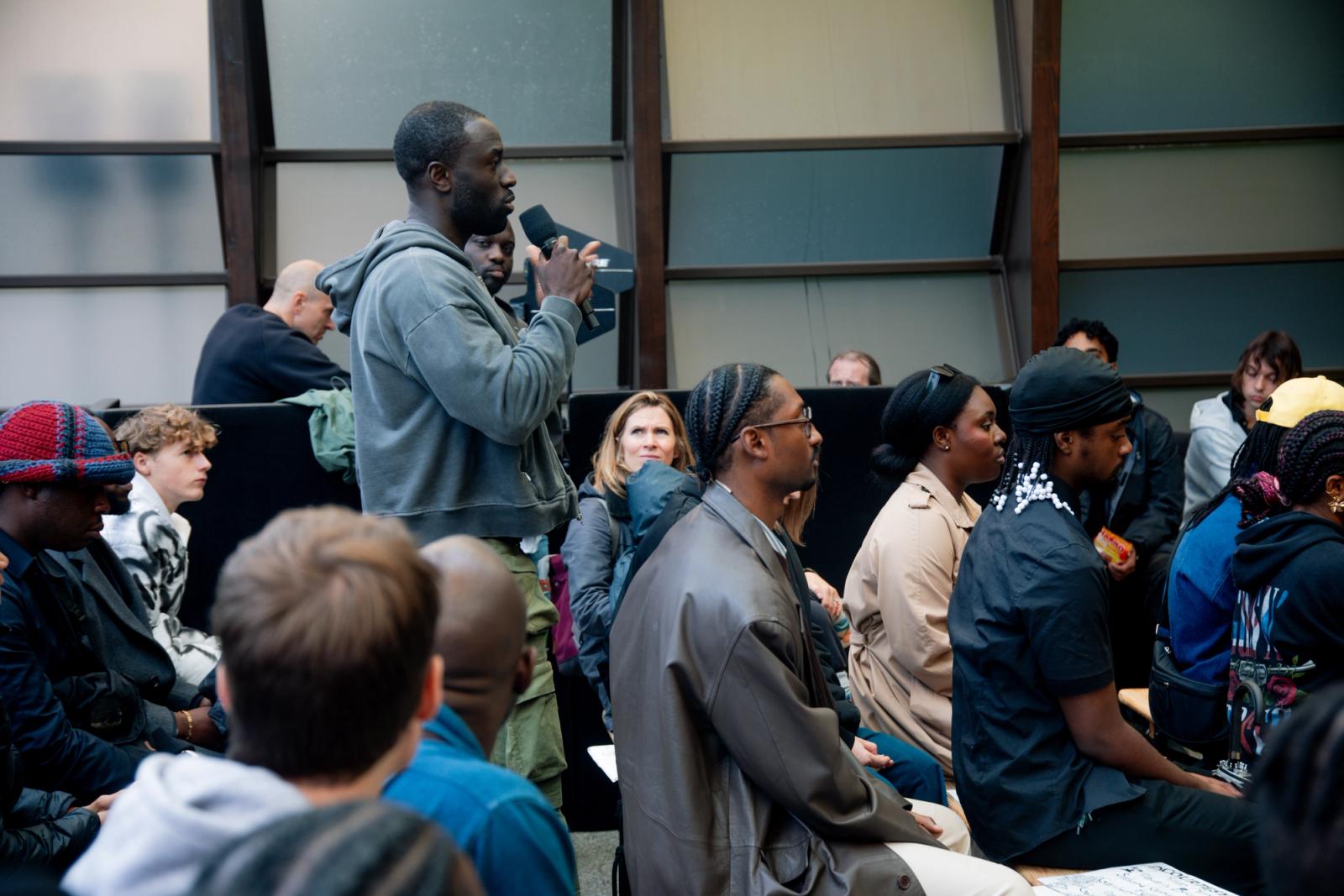
KW: One of your strengths is creating new formats of exchange and gathering—forms that potentially do not fit within existing institutions or commercial models. Tell me more about how you shape your projects, and what inspires you?
KK: Most of my projects begin with conversations. An art opening, dinner, a coffee meeting are often the places where new ideas emerge. The projects are shaped by my friends and the communities I'm a part of.
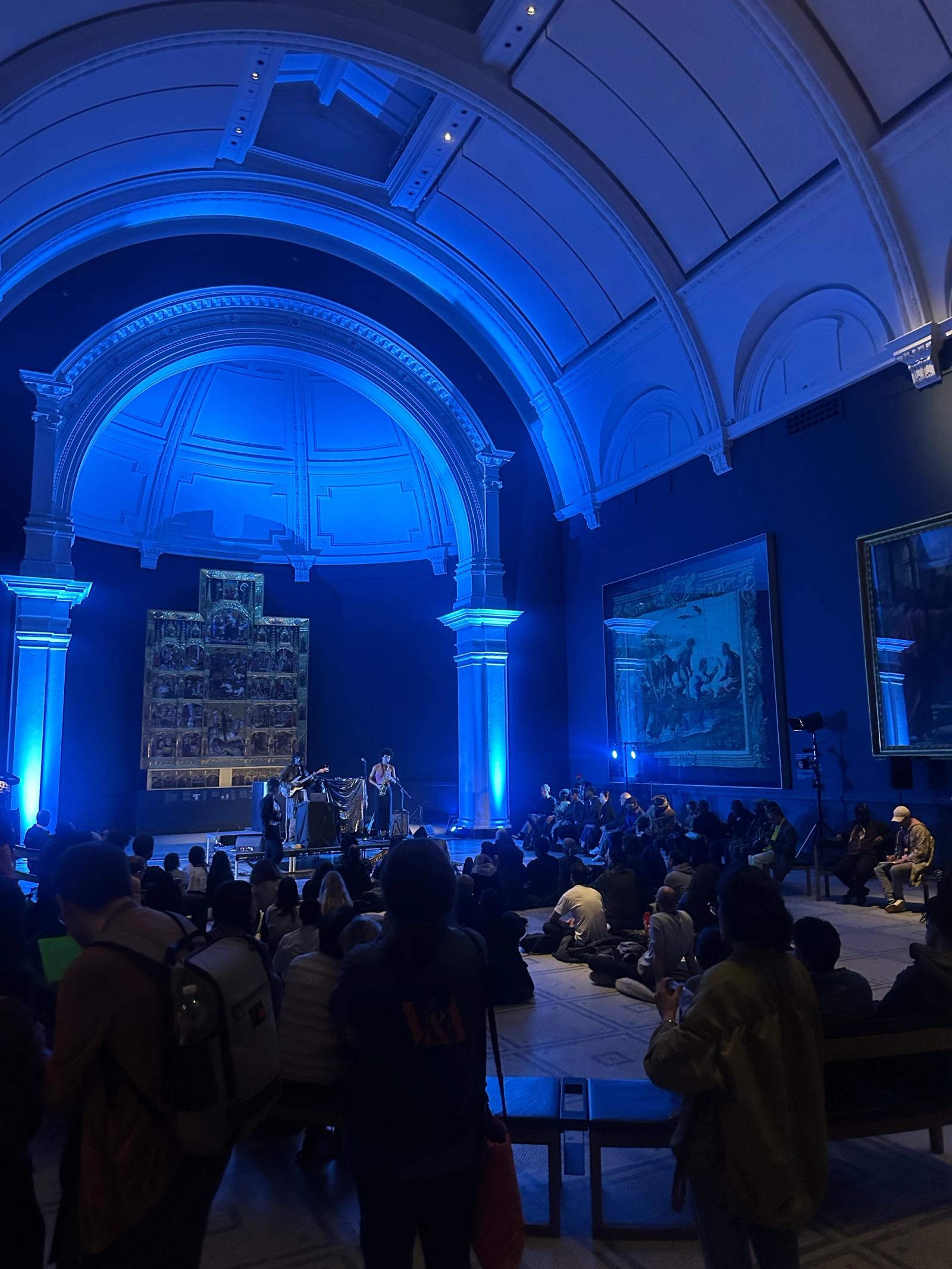
My generation is interested in questioning formats, so I'm always asking how a gathering, publication or exhibition can function differently. Travel has also played a huge role in shaping my perspective. Seeing how different creative communities operate around the world has expanded my understanding of what is possible.
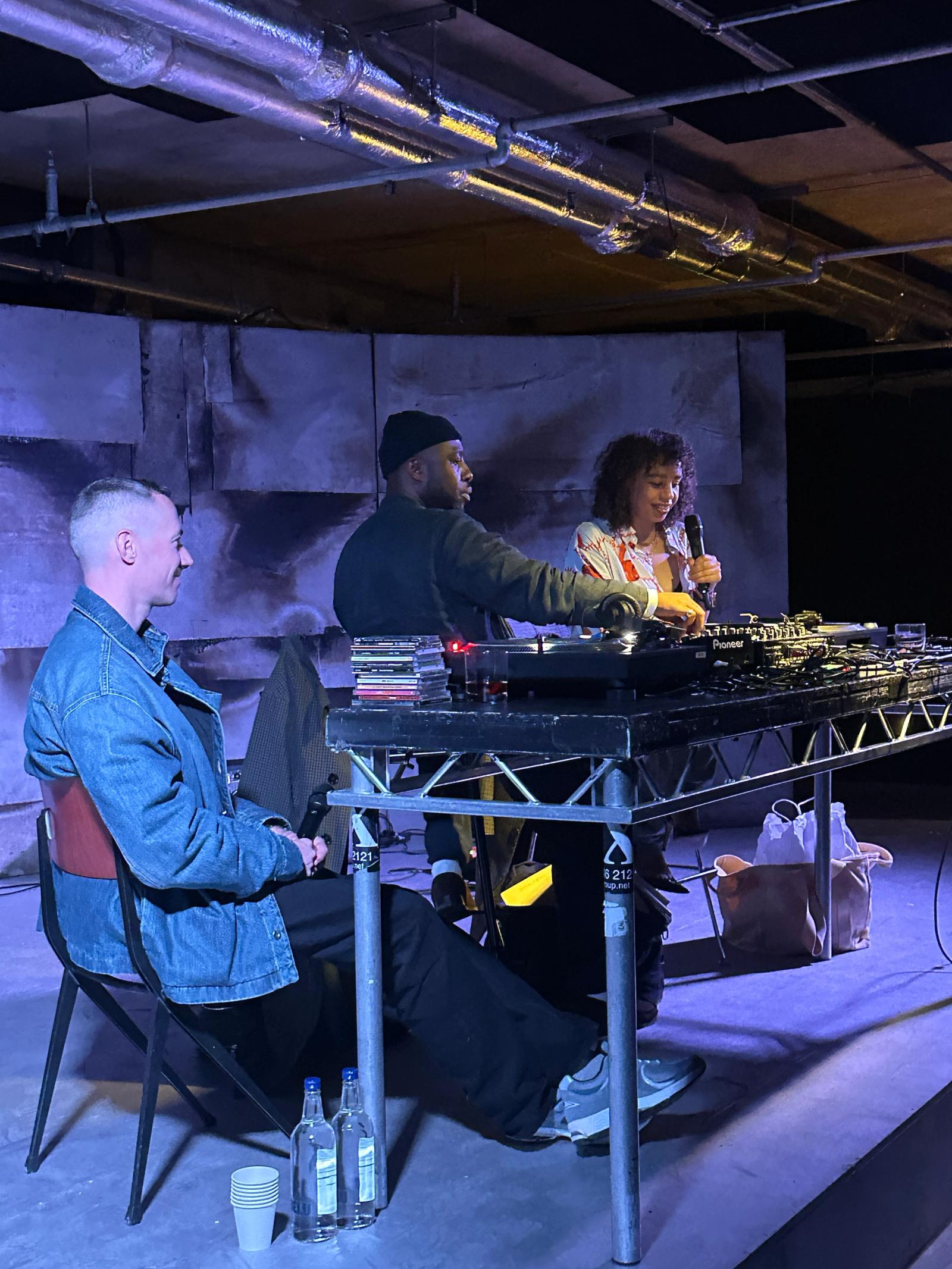
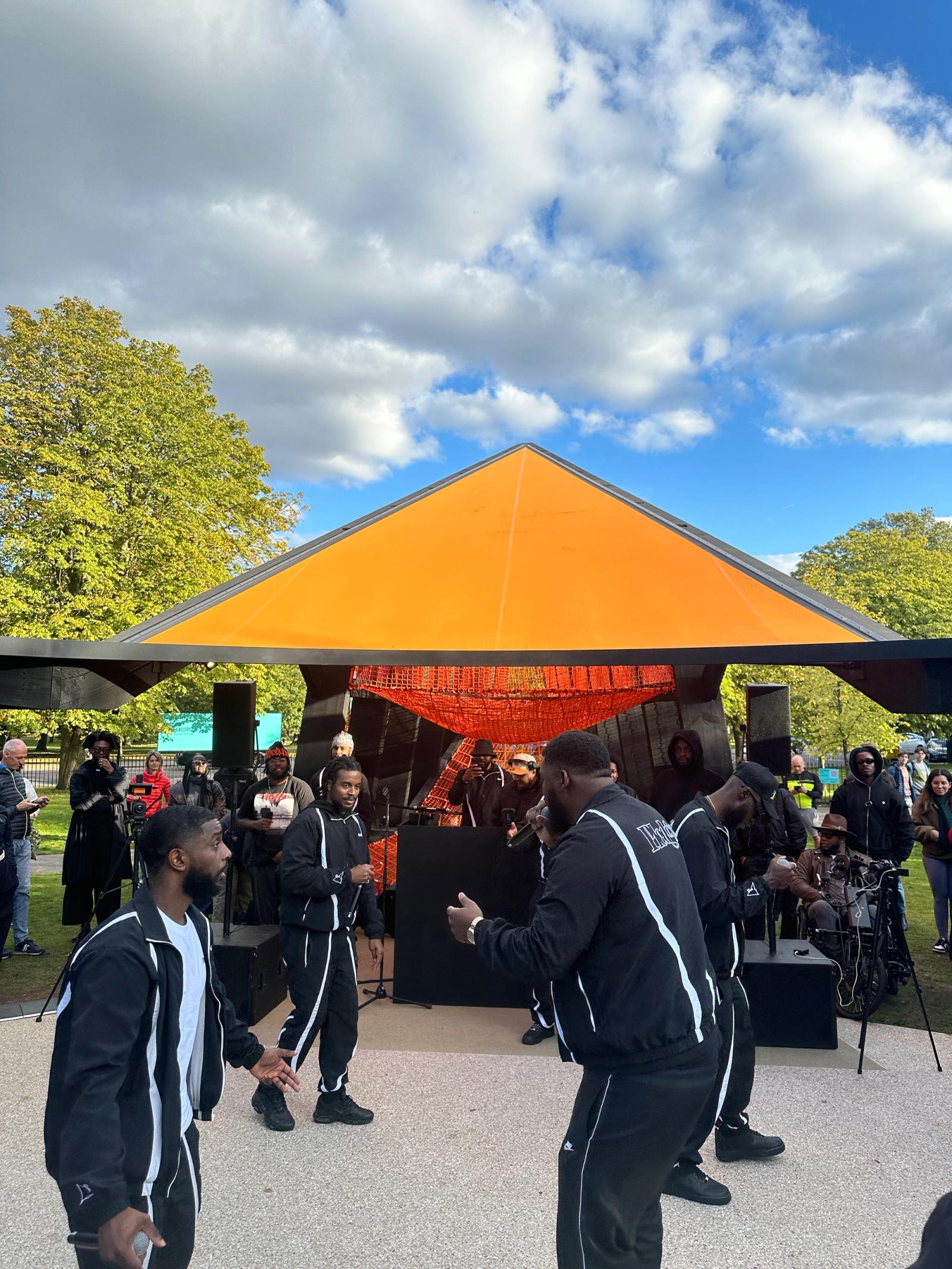
At Serpentine, for example, I was interested in creating a programme that could speak to young people while simultaneously surprising a traditional art person. That led me to invite NAVY, a South London rap collective, into a context where they might not typically be expected. I'm interested in creating moments where different worlds collide and new conversations can emerge.
KW: You are living now full-time in London. What work are you doing now and how does it connect to and build from New Currency?
KK: I'm currently based in London and work as a Creative Director at All Corners, a creative agency focused on helping brands understand culture more deeply.
The work feels like a natural extension of New Currency. Through years of travelling, building communities and documenting creative practices, I've developed a perspective on how young people are engaging with culture today. At All Corners, I use that perspective to help brands understand what matters to people and think about how they can create meaningful value rather than simply communicate messages.
Whether through New Currency or my agency work, I'm ultimately interested in the same thing: understanding people, identifying emerging ideas and creating connections between communities and institutions.
KW: This series thinks about non-conformity not simply as opposition, but as the creation of alternative systems and relations. How has non-conformity shaped the way you build projects, collaborations, or communities?
KK: For me, non-conformity isn't about rebellion for the sake of it. It's about being deeply committed to your convictions and refusing to compromise them when it's inconvenient.
Many of the projects I've built have come from following an instinct that didn't necessarily make sense to other people at the time, but felt truthful to me. That has often meant saying no more than I've said yes. I've learned that building something meaningful requires a certain level of stubbornness and belief.
The communities and collaborations I'm most proud of have emerged from people who share that mindset, people who are interested in creating new possibilities rather than simply fitting into existing structures.
KW: With roots in Toronto, you've worked across different cities and contexts. How does place shape the kinds of cultural structures or communities that become possible?
KK: Every city has its own rhythm, needs and social infrastructure, and those conditions shape the kinds of communities that emerge.
What I've found interesting is that across cities like Toronto, London, Paris and Lagos, the people New Currency gravitates towards often share a DIY spirit. They aren't waiting for institutions to create opportunities for them; they're building their own platforms, scenes and communities.
What changes from city to city is how that energy manifests. Some cities encourage experimentation, others encourage collaboration, and others reward independence. What interests me is understanding those local conditions and creating touchpoints between different cultural ecosystems.
A lot of New Currency's work has been about connecting people across geographies and allowing them to learn from one another. I'm interested in how local scenes can remain distinct while still participating in a broader global conversation.
Comments
Leave a comment