

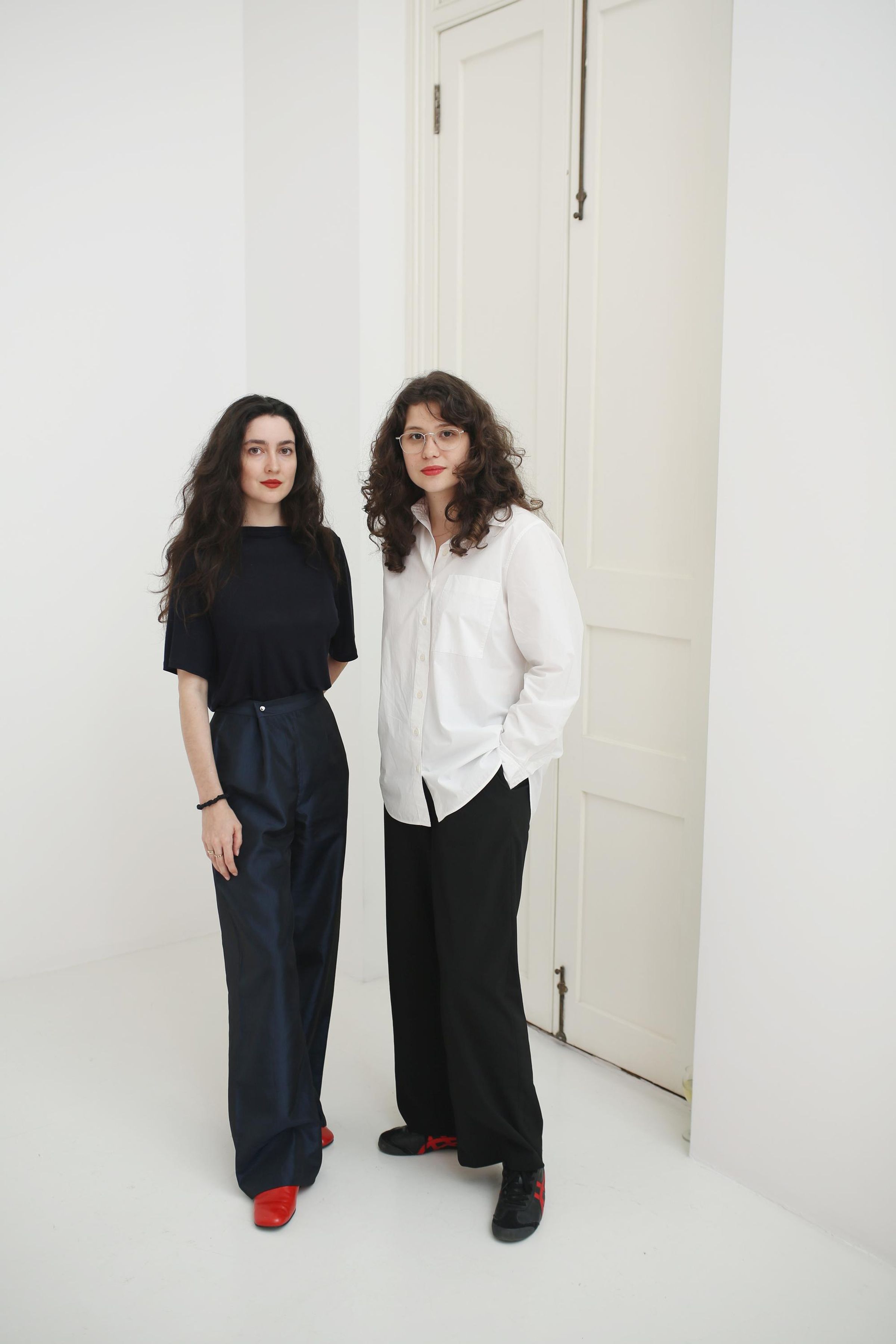
bP: How did Kollektiv Collective originate, what was the spark or need in 2019 that made you start the collective?
KC: The initial impulse to work together was rather spontaneous as we found ourselves brainstorming for an open call that we ended up winning. At the time, we were also working with curator Francisca Portugal, who has since returned to Lisbon. It felt good starting off as a team, especially in a place like London. After this initial shared experience, things stood still for a moment during the pandemic, and perhaps this prevented our paths from fragmenting.
So there was certainly this appreciation of connection, not just on a practical level but also intellectually and emotionally. We felt very lucky to have found someone with such similar interests, ideas and ambitions. It goes without saying that being an independent curator in London at this time is tough, so the emotional aspect cannot be understated. It grew from mutual support into a real exercise of what we wish a healthy and nurturing working environment to look like.
bP: What does being a “collective” mean for you, in practice, how do decisions get made, how is labour shared, how do you negotiate creative differences?
KC: These are fundamental questions we often return to. For us, working collaboratively means re-thinking ‘conventional’ models of working together in a professional context. With every challenge comes the reminder that this is a framework we follow for political and personal reasons and that there is no formula for this model that sees us working independently, yet collectively. While liberating, this framework requires discipline and empathy. Emotional labour was not as important in our previous employments, which is telling of how today’s workplaces are structured where care work is not considered labour. Taking the time needed to understand each others’ points of view, encounter frustrations together and find a way to be friends and colleagues at the same time has proven vital. Making space for vulnerability creates a safe space in which disagreements are treated with care and respect; in the end, our shared interests are what brought us together, so creative differences usually occur within general consensus.
bP: Have you ever faced tension between collaboration and individual artistic vision? How did you navigate that?
KC: It rarely happens that we have a tension of this sort. Collaborative exhibition-making relies on continuous dialogue, through which a given concept and the artistic positions involved get articulated over time. If any clashes do arise, they dissolve into the process. Communication is everything.
bP: Has there been a project that felt especially experimental and what did you learn from it?
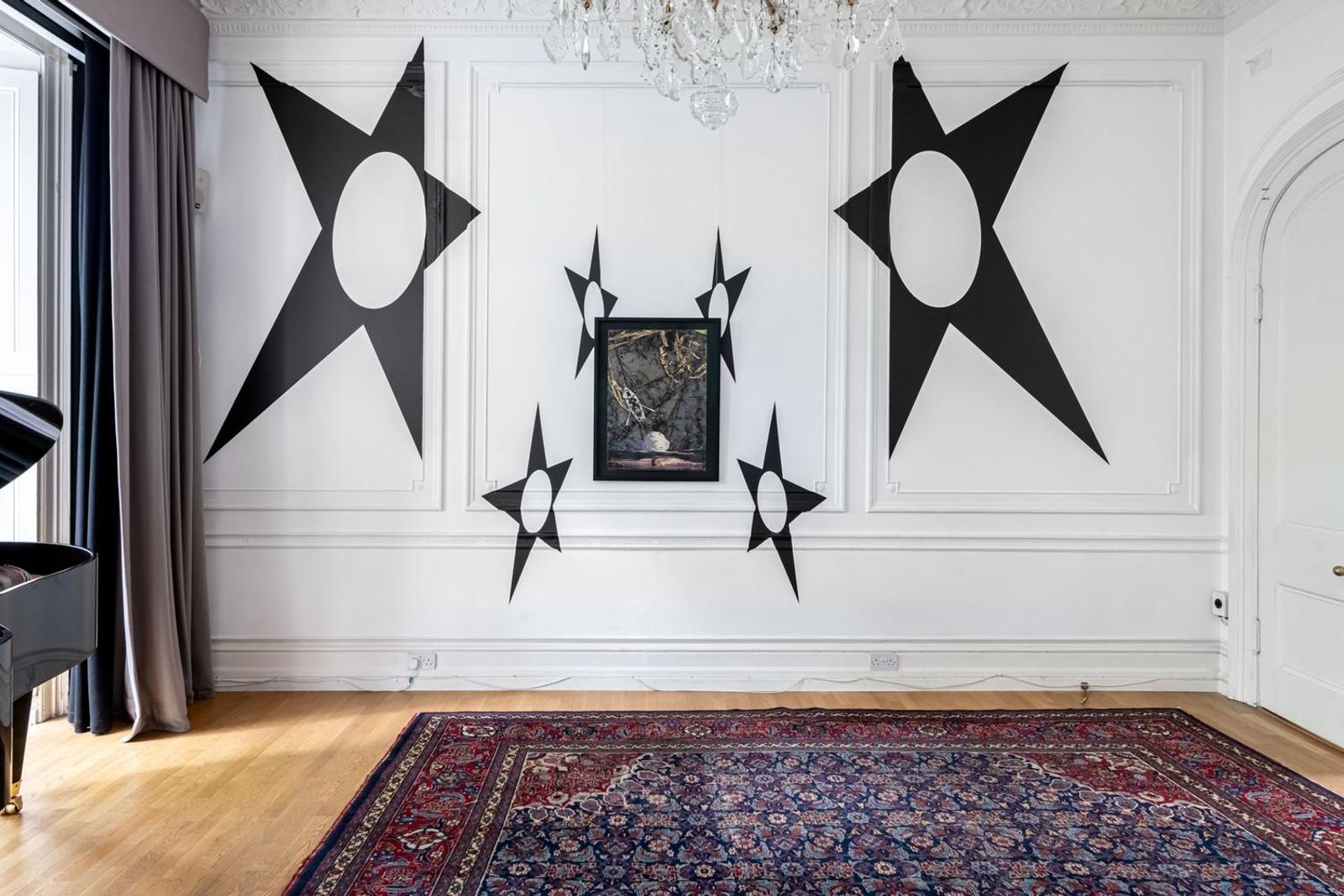
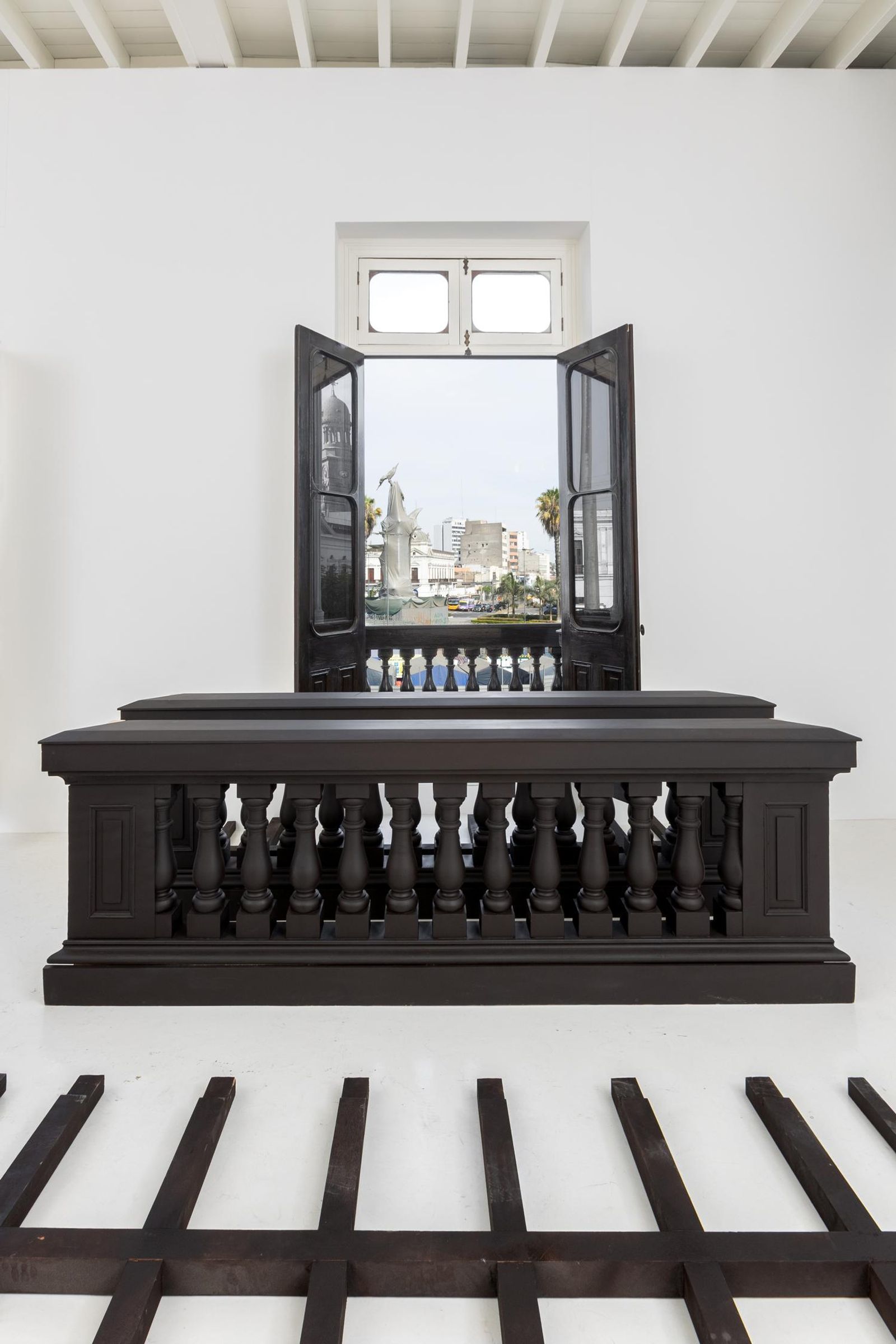
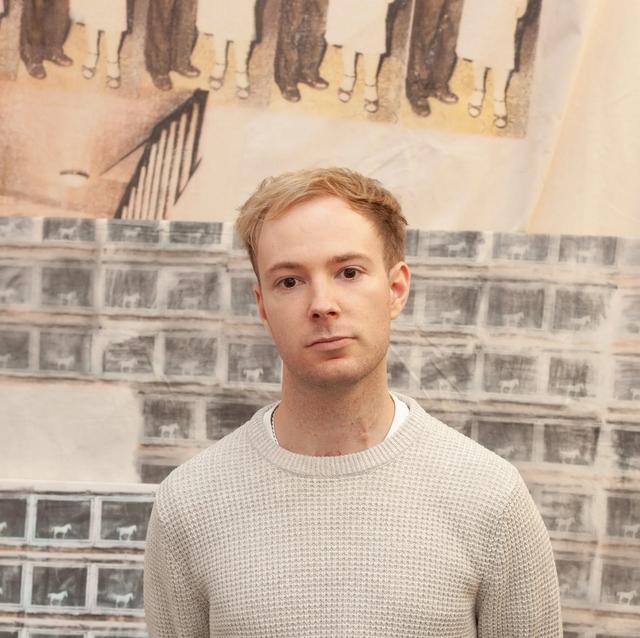
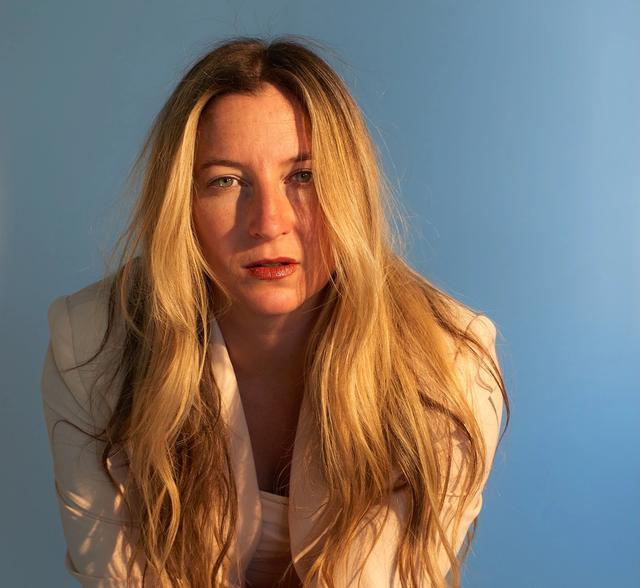
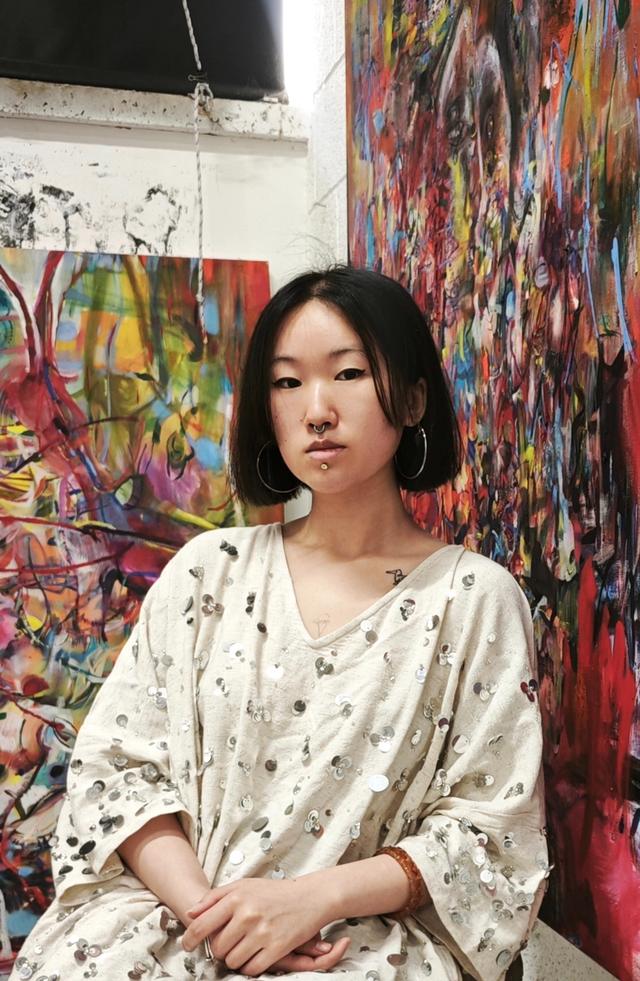
KC: Our latest exhibition titled Vertigo (disambiguation) at Galería Gato in Lima, showing works by artists Federica Francesconi, Ali Glover, and Theodoulos Polyviou, is a good example. Throughout our practice, we have been developing a site-specific methodology in exhibition-making, where the concepts are inspired by a given space, its architecture, context, history, etc. In the case of our collaboration with Gato, this methodology extended into a discourse on distance in its various forms, from literal and physical to more broadly cultural. It was about finding a way to anchor the show in the space of the gallery while being thousands of miles away, seeing how distance in itself can become part of conceptualisation. The project led us to test the site-specific mode of working as means to confront – to a degree that’s logically possible – the impositions of external subjectivities; and to formulate the exhibition without adding to or retracting from the space, all it holds and is surrounded by.

bP: How much do you want feedback from audiences, does audience reception shape future curatorial choices?
KC: Audience reception and constructive feedback, of course, shape our future choices. Even more so, as we work across very different contexts, each exhibition is necessarily developed with the audience of a given institution in mind. Each engagement strengthens us in our approach and voice, as it is very important to us that our work resonates with others. In line with our focus on de-centralised authorship, each engagement strengthens our approach and voice. Situating our work within contemporary global socio-political discourse, we ultimately hope to reflect experiences that go beyond just our own, finding resonances and connections.
Comments
Leave a comment