

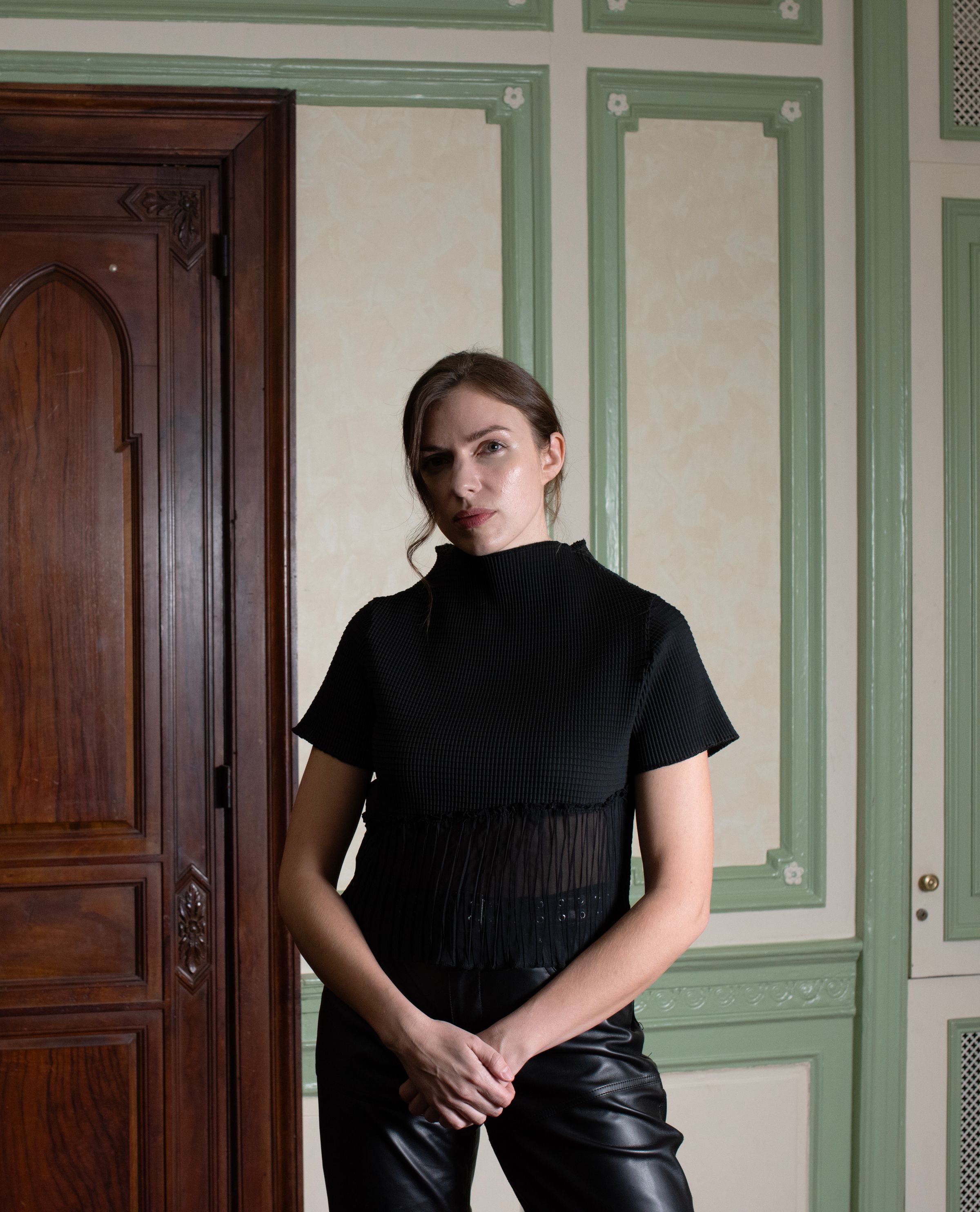
BB: When you opened Margot Samel in 2021, you said New York didn't need another gallery. Looking back now, what do you think your gallery has added to the conversation that perhaps wasn't there before?
MS: I still think New York didn't need another gallery. If anything, it probably needed fewer. But what it can always use is another perspective.
When I opened the gallery there weren’t any Estonian artist represented by a US gallery, and artists from the Baltics were almost entirely absent from the conversation here. That always felt like a curious blind spot. Not an injustice exactly, just a gap that was difficult to explain once you started looking. The gallery has evolved since then. Geography isn't really the organizing principle anymore. I find myself returning to artists who sit slightly outside established narratives. Some are emerging, some overlooked, some are self-taught, some have had long careers elsewhere but somehow slipped past New York.
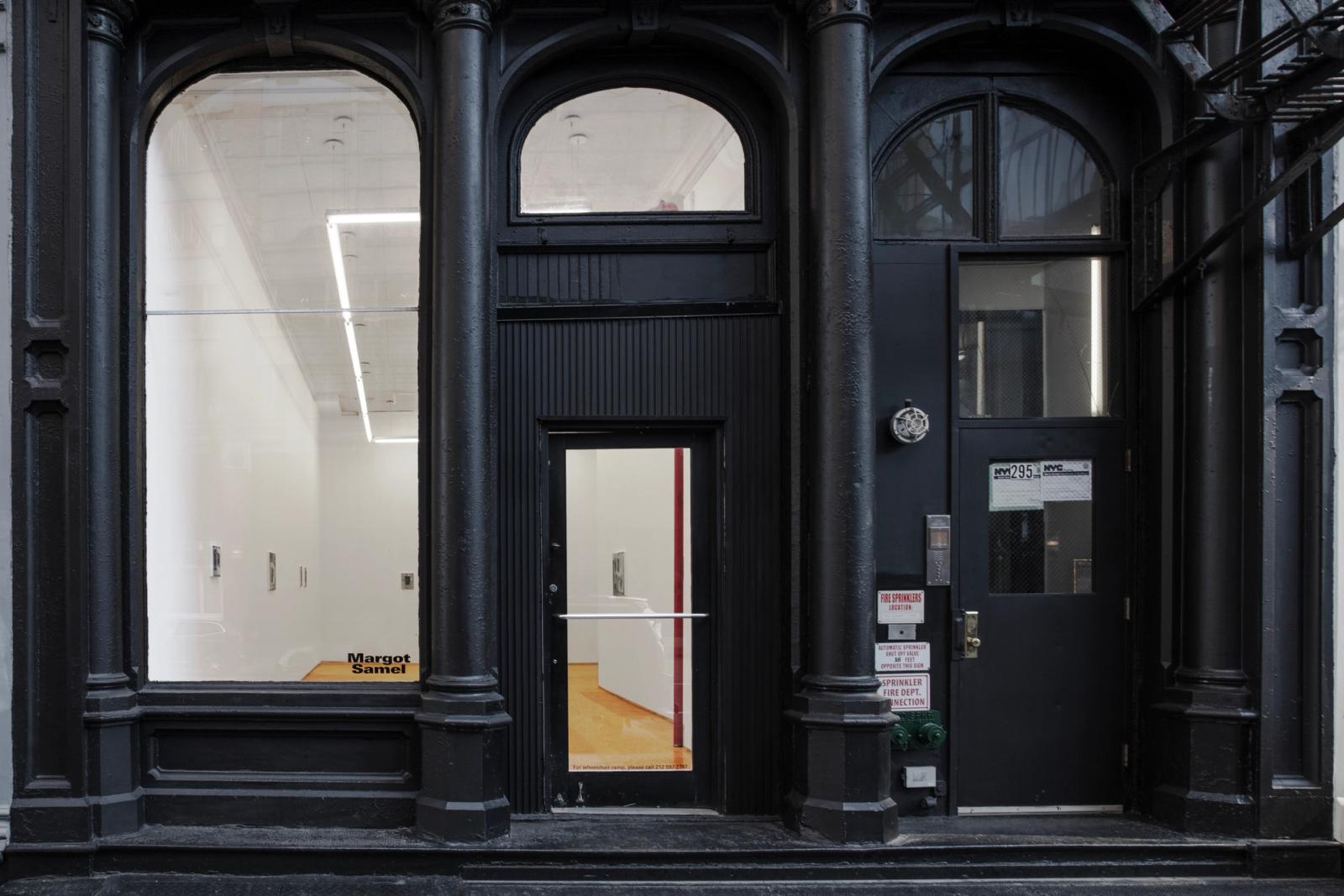
BB: Your exhibitions often introduce artists who are well established elsewhere but less familiar in New York. Is there something particularly rewarding about creating that first encounter between an artist and a new audience?
MS: At the beginning I had a rather arbitrary rule that every artist I showed had to have their first exhibition in New York. I've broken that rule exactly twice.
I still love introductions, although I've never liked the language of "discovery." It has always struck me as slightly colonial, as though artists have been sitting around waiting to be found. In reality, many have spent decades building rigorous bodies of work. They simply haven't been seen by this audience yet. I think a gallery is much closer to being a translator than a discoverer. You're creating the context that allows the work to be understood on its own terms.
Sometimes the responsibility is different. Jimena Velarde-Alvarez's upcoming exhibition will be her first ever solo exhibition. That's not really about introducing someone to a city. It's about helping create the conditions for a career to begin. That's both terrifying and incredibly exciting.
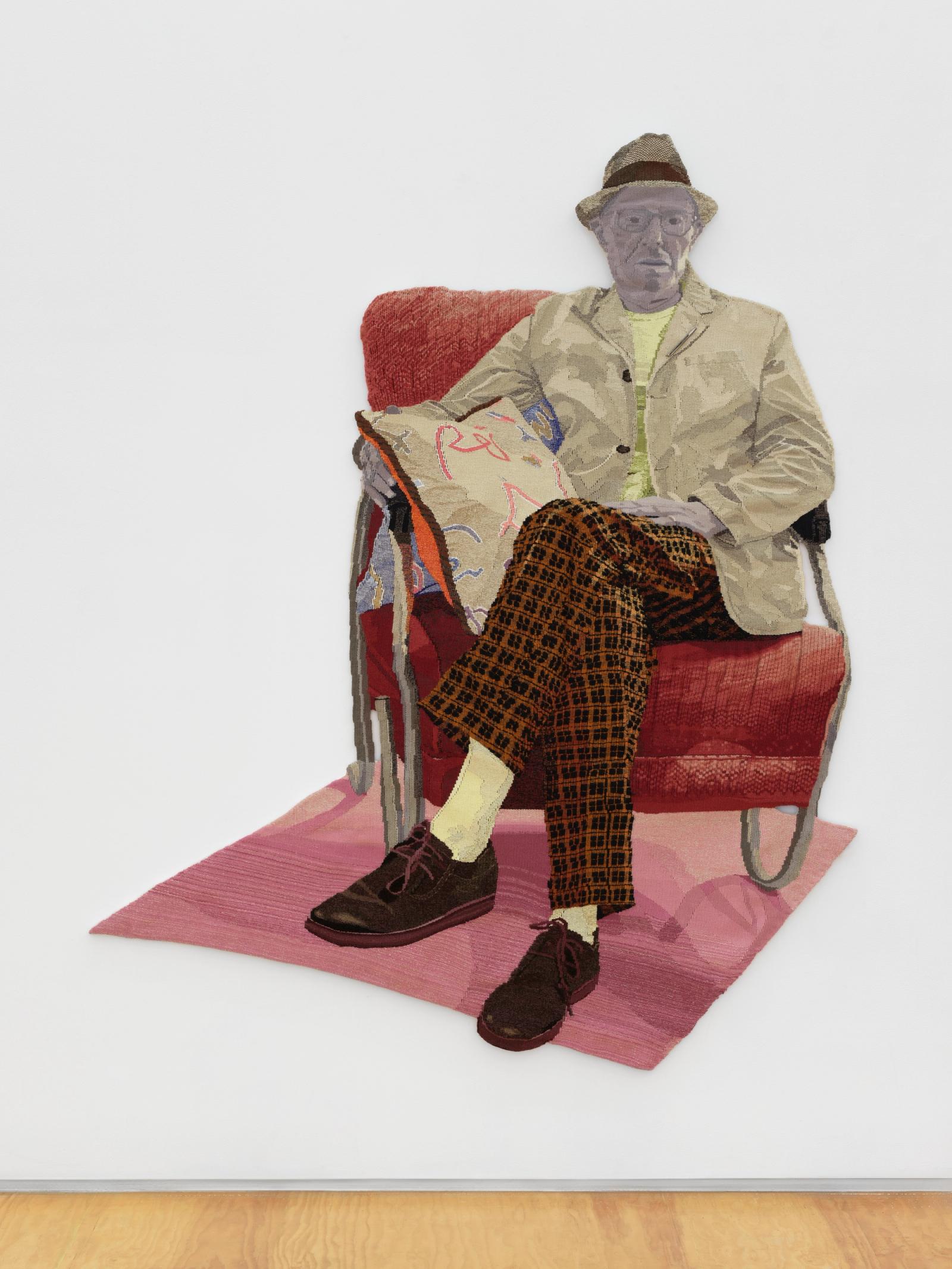
BB: You've spoken about representation feeling almost like proposing marriage. Has your understanding of what makes a successful artist-gallery relationship changed since opening the gallery?
MS: Probably because I've become less interested in the idea that there's one model for representation. Some artists need constant conversation. Others disappear into the studio for months and emerge with an exhibition. Some think five years ahead, others don't particularly enjoy thinking about next week.
The important thing isn't finding a formula. It's understanding how each artist works and building a relationship around that. My role isn't to reshape an artist's instincts. It's to make sure those instincts have the space and support to develop.
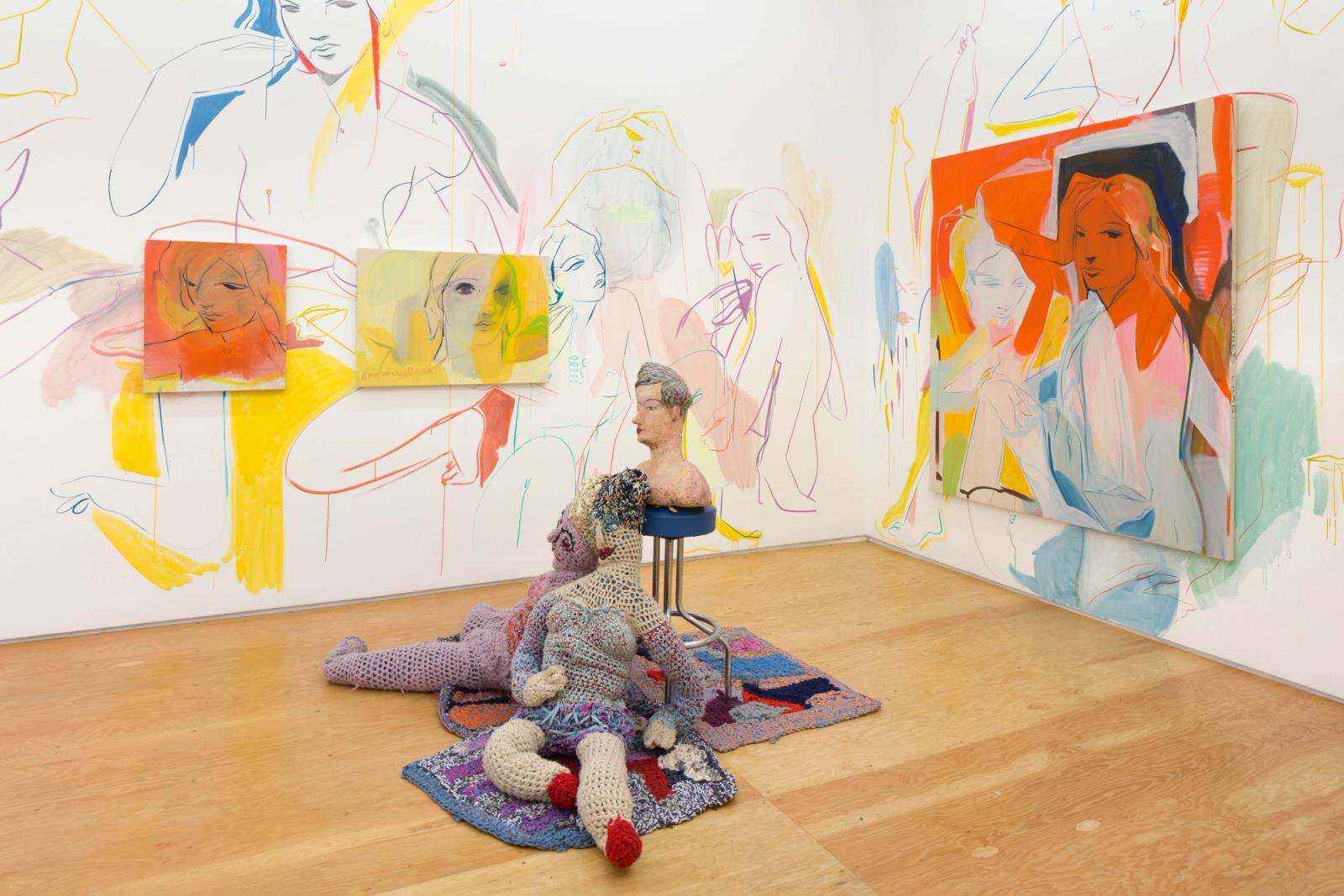
BB: Alongside the gallery, you've co-founded Esther, an art fair that has often been described as an alternative to conventional fair models. Looking back, what do you think people responded to?
MS: Olga Temnikova and I never really set out to create an alternative fair. We just wanted to make one we'd actually enjoy visiting.
Art fairs have become extraordinarily efficient. That's useful, but efficiency isn't always the best condition for looking at art. At Esther there were no booths. Galleries responded to the architecture of the Estonian House instead of hiding it. People wandered through the building almost as if they were visiting someone's home.
The fair became much more collaborative than either of us had expected. I don't think people came because Esther was unconventional. I think they came because, for a few days at least, it reminded everyone that looking at art doesn't have to feel like speed dating.
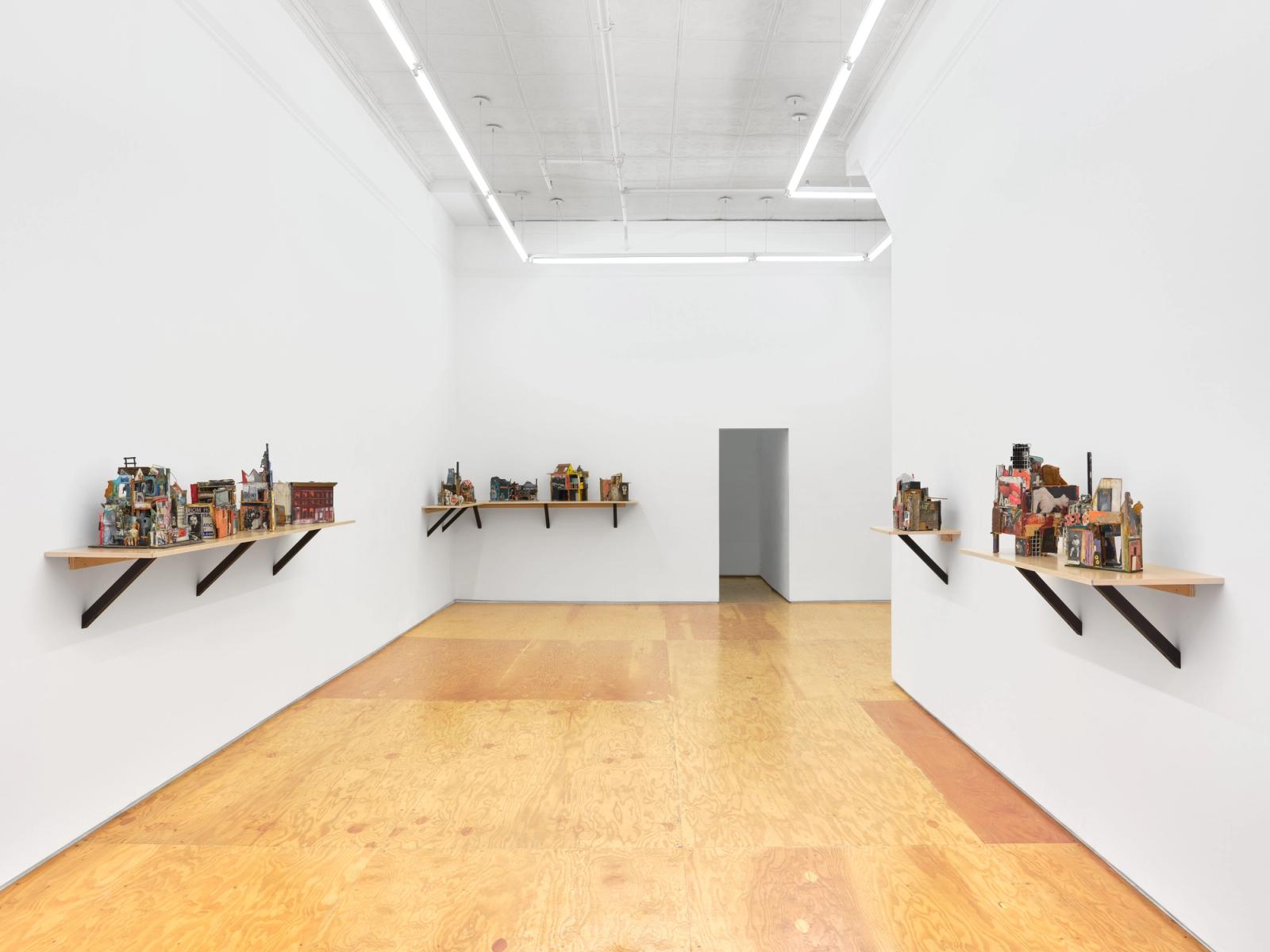
BB: You've spoken about artists from Estonia bringing different narratives into New York. Do you feel there has been a noticeable shift in how these voices are being received in the city?
MS: I hope so, although I'm always suspicious of declaring victory! I think there's definitely more curiosity now than there was when I arrived. Conversations that once began with geography now begin with the work, which feels like progress.

Comments
Leave a comment