

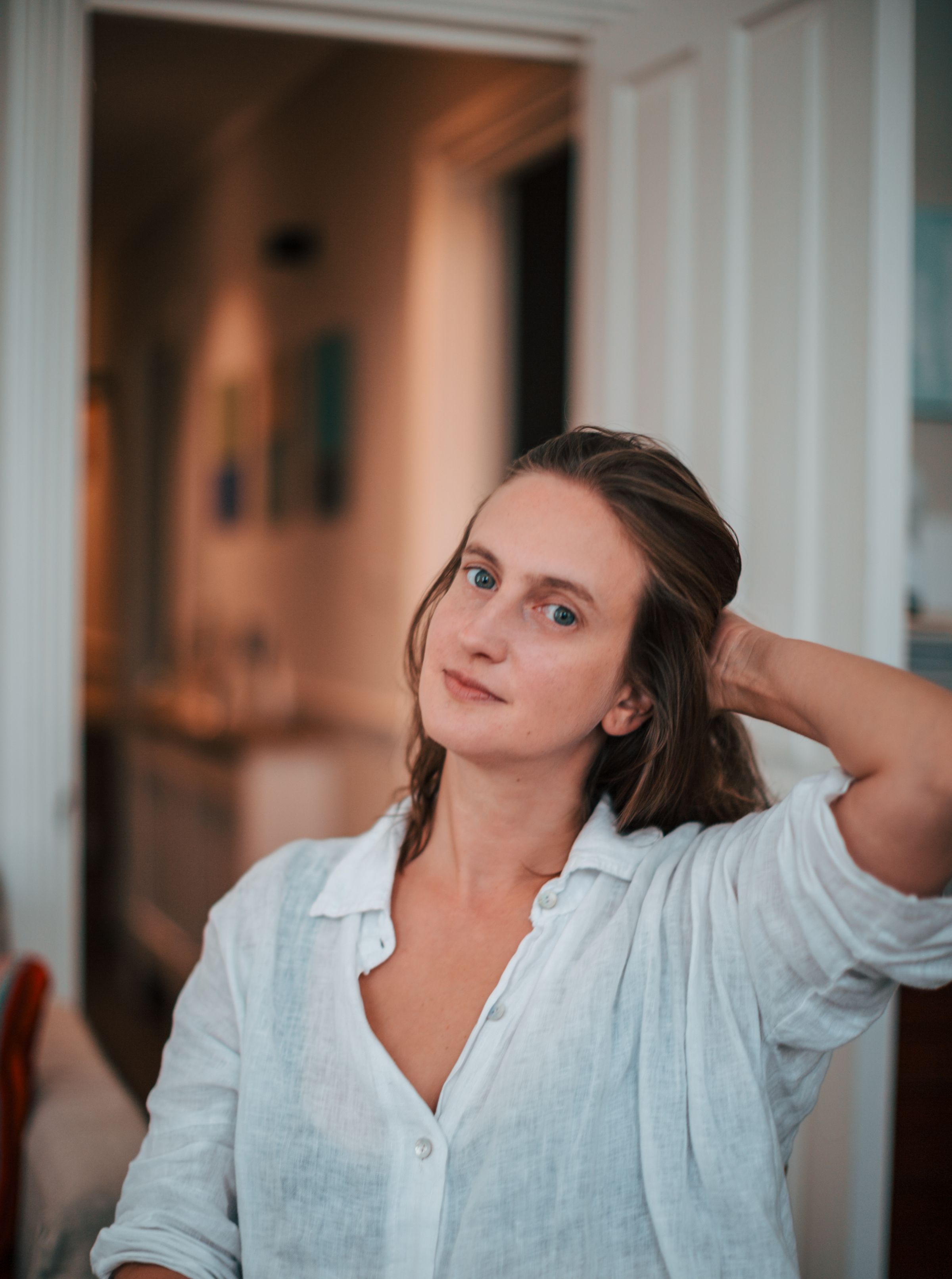
BB: What exactly does a gallery programme mean to you?
PZK: A gallery program is important to me. It’s an opportunity to curate not just a show, but a whole year, in which the diversity of mediums creates a whole, instead of individual, isolated shows. I think this diversity is both an indulgence in exploration and a commercial strategy, combining different approaches without losing the overall sense of independence. It’s a financially independent gallery, so programming is not just its identity but its survival.
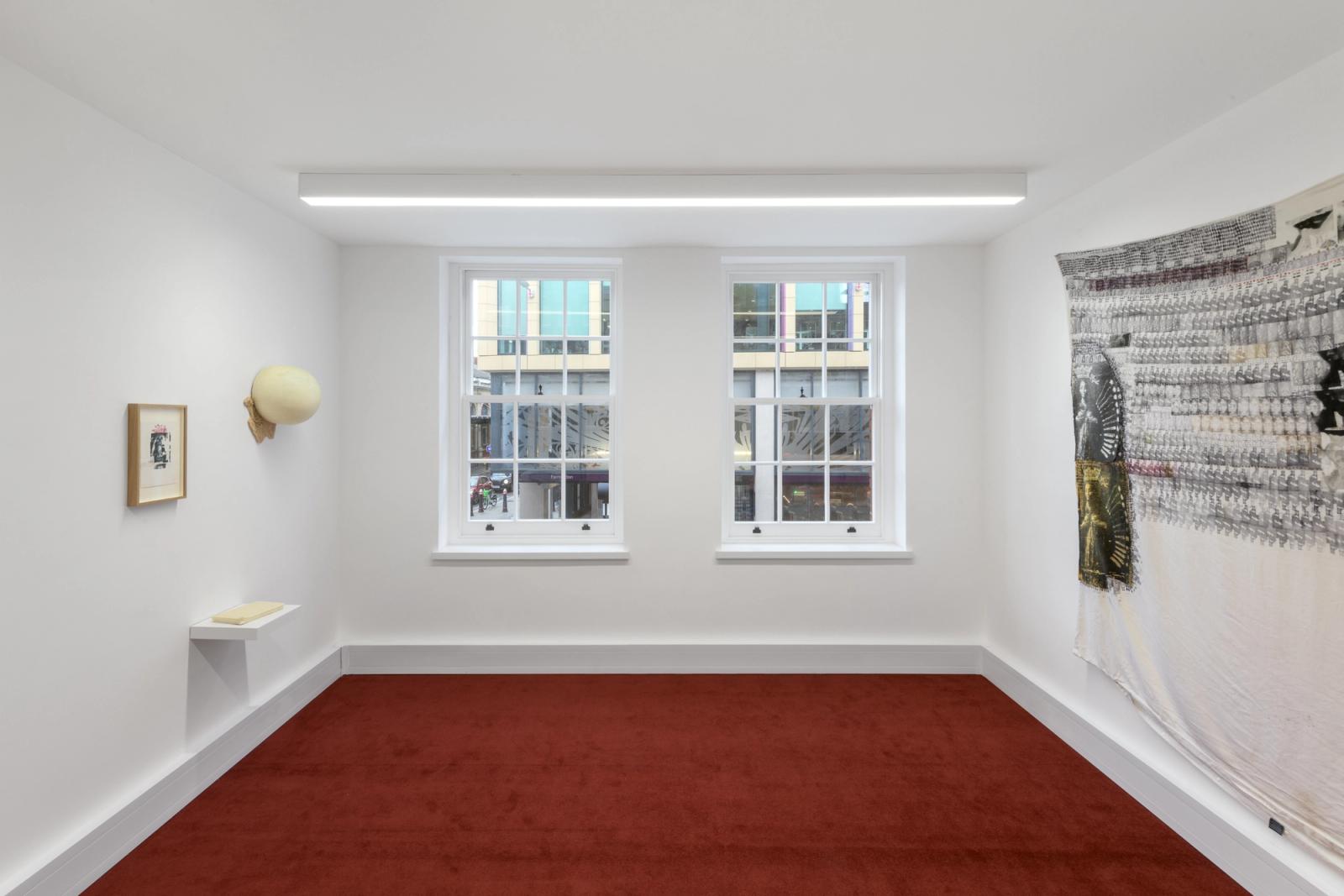
BB: I noticed your programme seems to resist the expectation that exhibitions should reveal themselves immediately. Do you think galleries have a responsibility to cultivate slower, more attentive ways of looking?
PZK: I think we are always really proud of the exhibitions we make, from the conception of the exhibition with the artist to the curation and the text, which is why I think the anticipation of revealing the show has an element of restrained surprise. If you mean that it reveals itself slowly because it’s not so blunt, that’s perhaps true; both the presentation of the work and the supporting elements are usually crucial to appreciating the pieces. I think galleries have become cultural places from which more is expected, holding themselves to standards closer to cultural institutions or curatorial sites than just commercial stores. In the long run, that is what gives purpose, even if it’s harder.
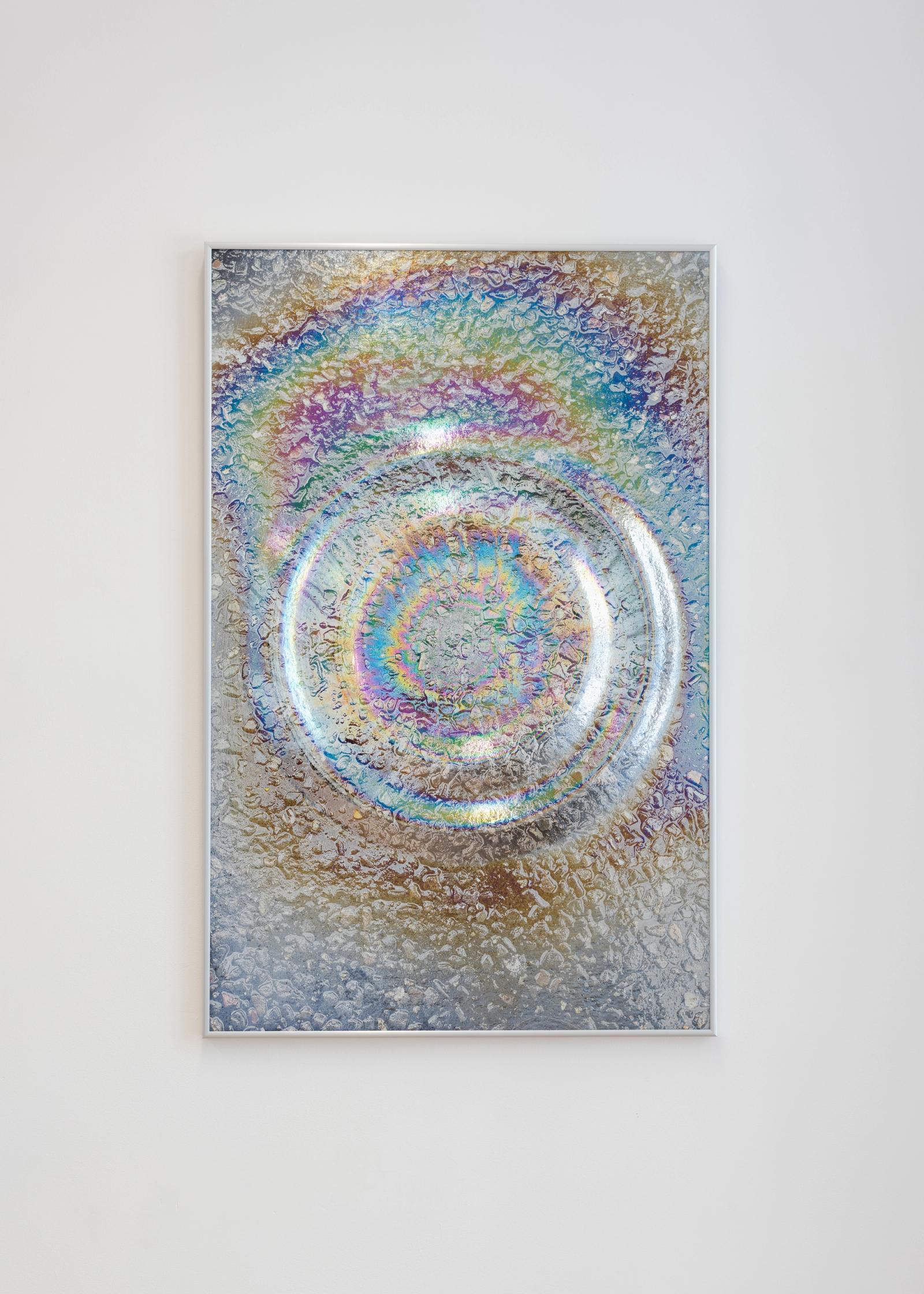
BB: A recurring thread I noticed in your programme was the making visible histories that often go unseen. Whether it’s Lambouris investigating how land, memory and power are intertwined, or Thackway using oil slicks as an everyday revelation of the violence of oil extraction, both seem to adjust how we view the familiar. Do you think one of the roles of art is to teach us to notice differently?
PZK: The name stems from the late piloto Pardo, who rescued Shackleton in the Chilean Antarctica. The idea was always to draw attention to the less-talked about figures, and to create a relationship between these unrecognised places and the so-called “Center”. The themes of the exhibitions often reveal, as you pointed out, a different way of seeing the familiar. By placing works that join the conversation about eliminated versions or obfuscated problematics, the gallery tries to distill the magic and give it a respiratory site.
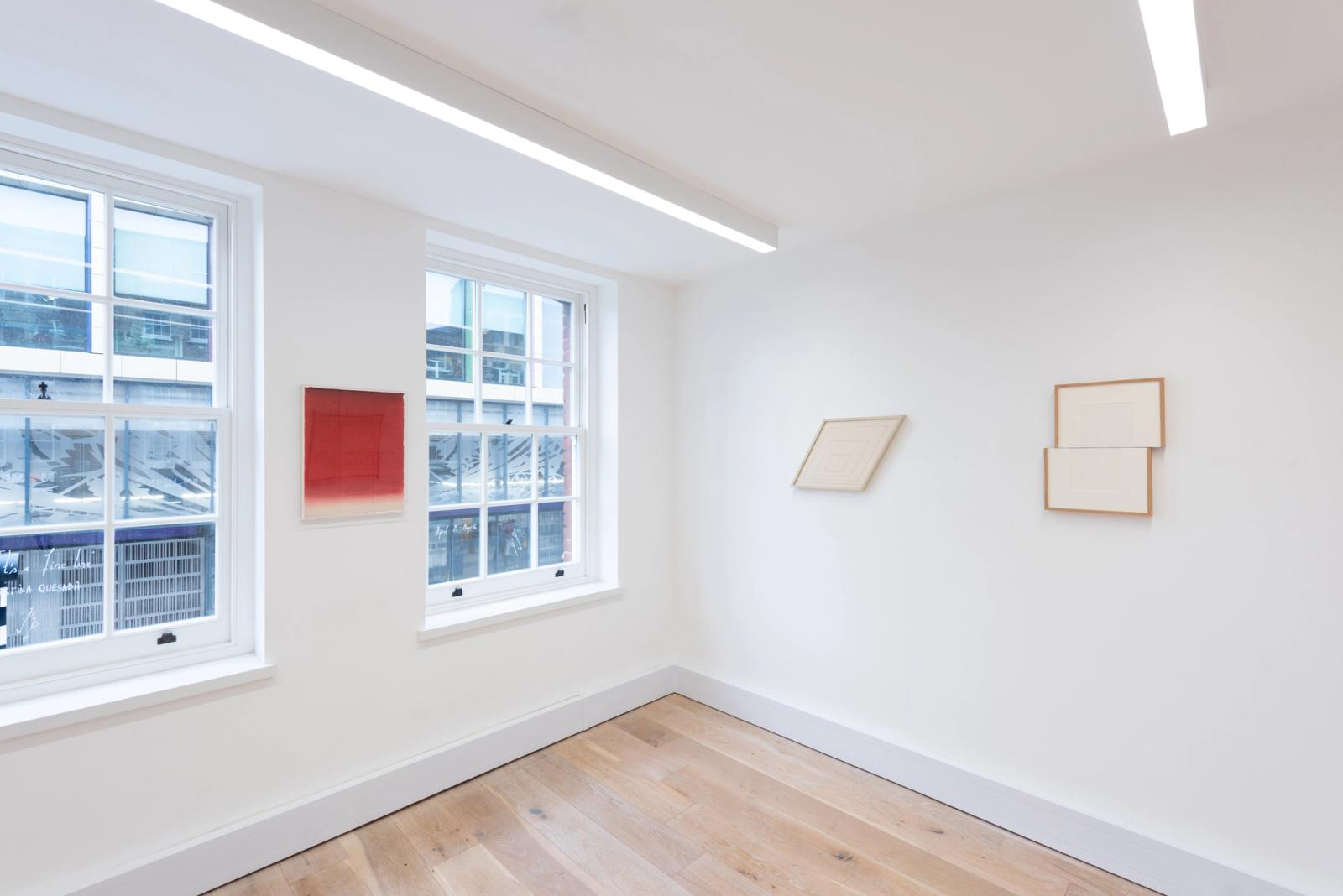
BB: Following from that, I was struck how both exhibitions used aesthetic beauty as an entry point for more serious and uncomfortable subjects. Do you think beauty can be politically productive?
PZK: I don’t think beauty can be politically productive but it is true that the entryway to important subjects is the aesthetic choices artists make. This is the proposal, the business, the content. The specific medium that is chosen and the artistic quality are not only the entryway point but, ultimately, all that remains. This year we still have amazing exhibitions to come and I’m eager to show them, like Alejandra Prieto and Cosima zu Knyphausen. Stay tuned!
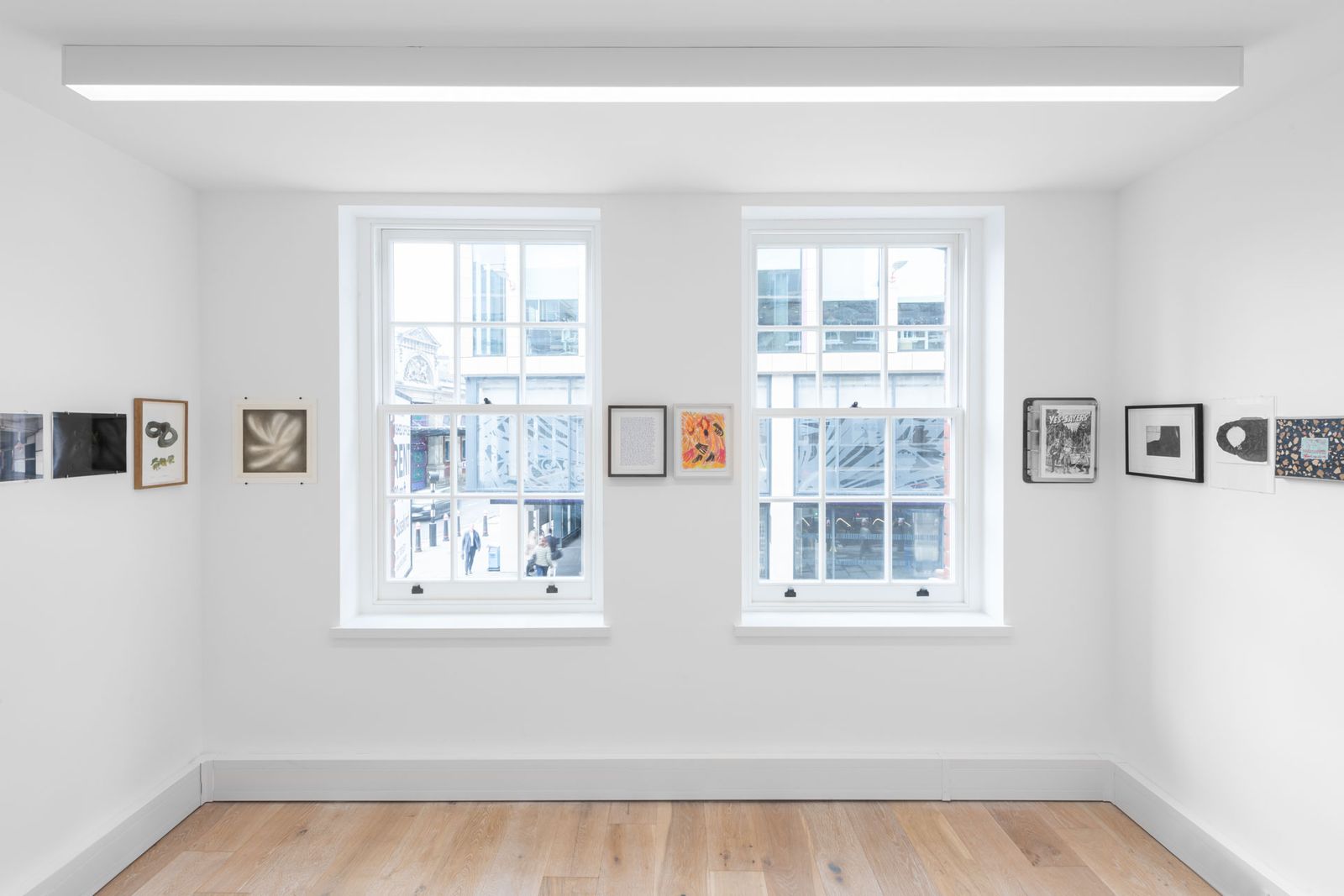
BB: With a particular focus on Latin American artistic practices, I wondered how you avoid geography becoming the defining framework through which artists are understood. How do you bring these perspectives to the forefront without reducing them to a regional identity?
PZK: This subject is interesting to me, as I wrote my thesis about it a while ago. This was always the intention: to situate Latin American or Chilean practices within a global, international roster. Like Alexis Sánchez playing for Arsenal: he isn’t a geographic choice but a football player. Sorry to use football as an analogy, but it is similar; we share a mutual goal with the artist, and we try our best to earn enough money to keep playing.
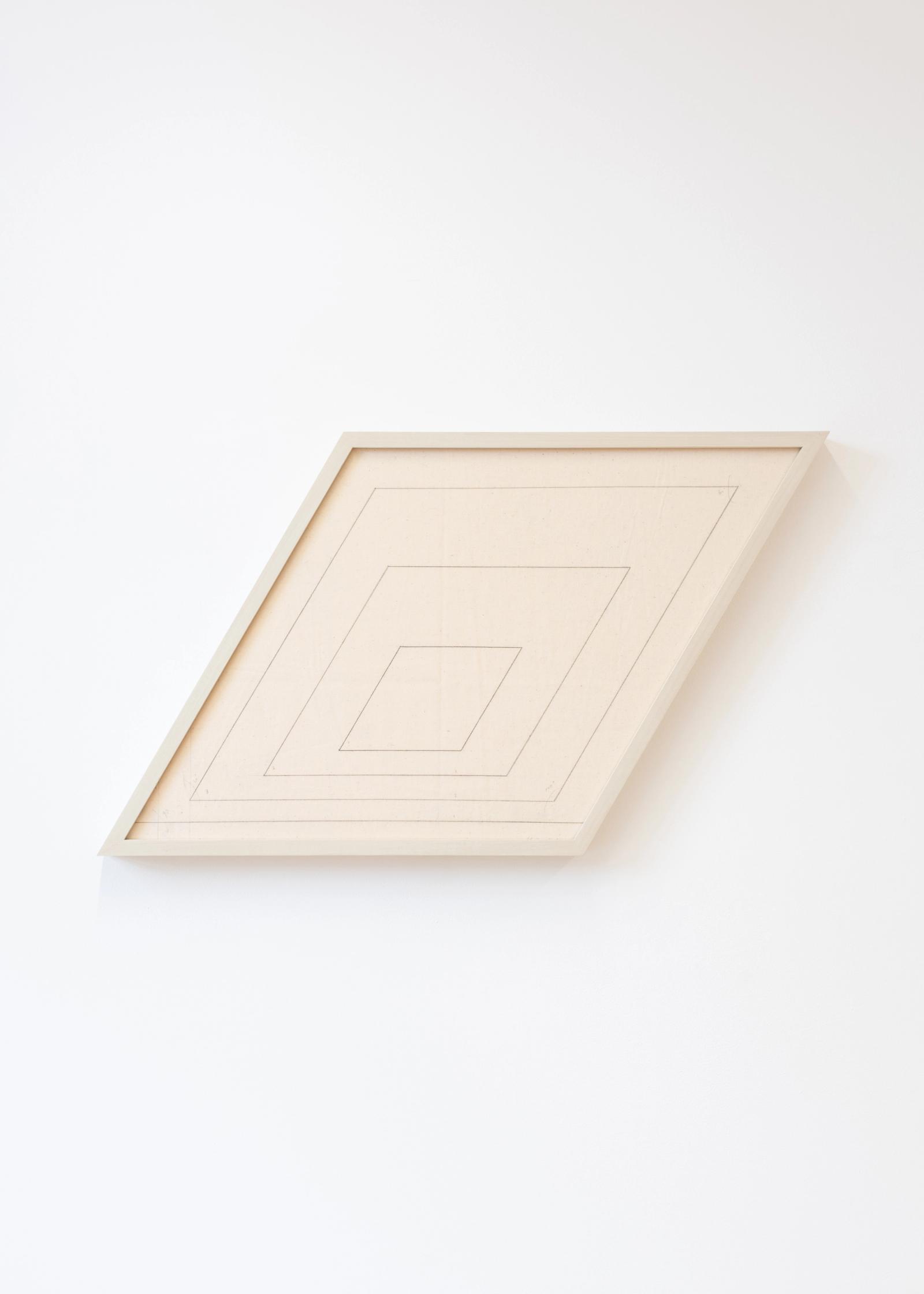
BB: I noticed several exhibitions in your programme explore political ideas through quieter gestures rather than direct statements. What draws you to artists who approach complex subjects through subtle forms of engagement?
PZK: What draws me to artists who “explore complex subjects through subtle forms of engagement” is the depth with which they work. We have a relationship with every artist we work with, and it is through that relationship that the exhibitions are created, which reflects the quality we aim for. In all the exhibitions we have made, we try to attract as many new people as possible and to situate the gallery within the London art scene, even though this is a very difficult task as a non-British person. The city’s ecosystem tends to reinforce the "geographical isolation" you mentioned earlier, making it harder for peripheral stories to enter the conversation.
Comments
Leave a comment