

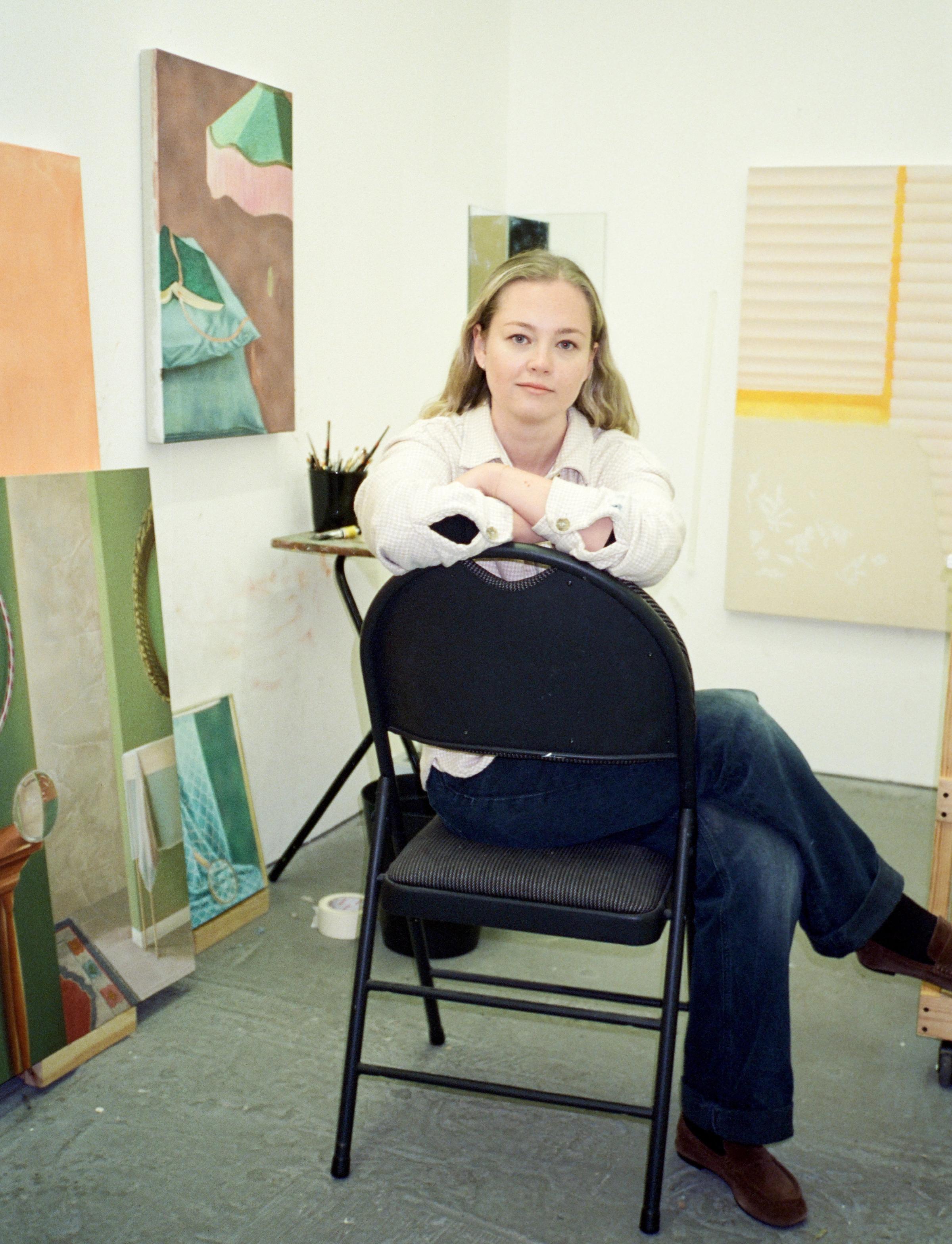
bP: How do you think about the relationship between light, space and surface when creating a new work?
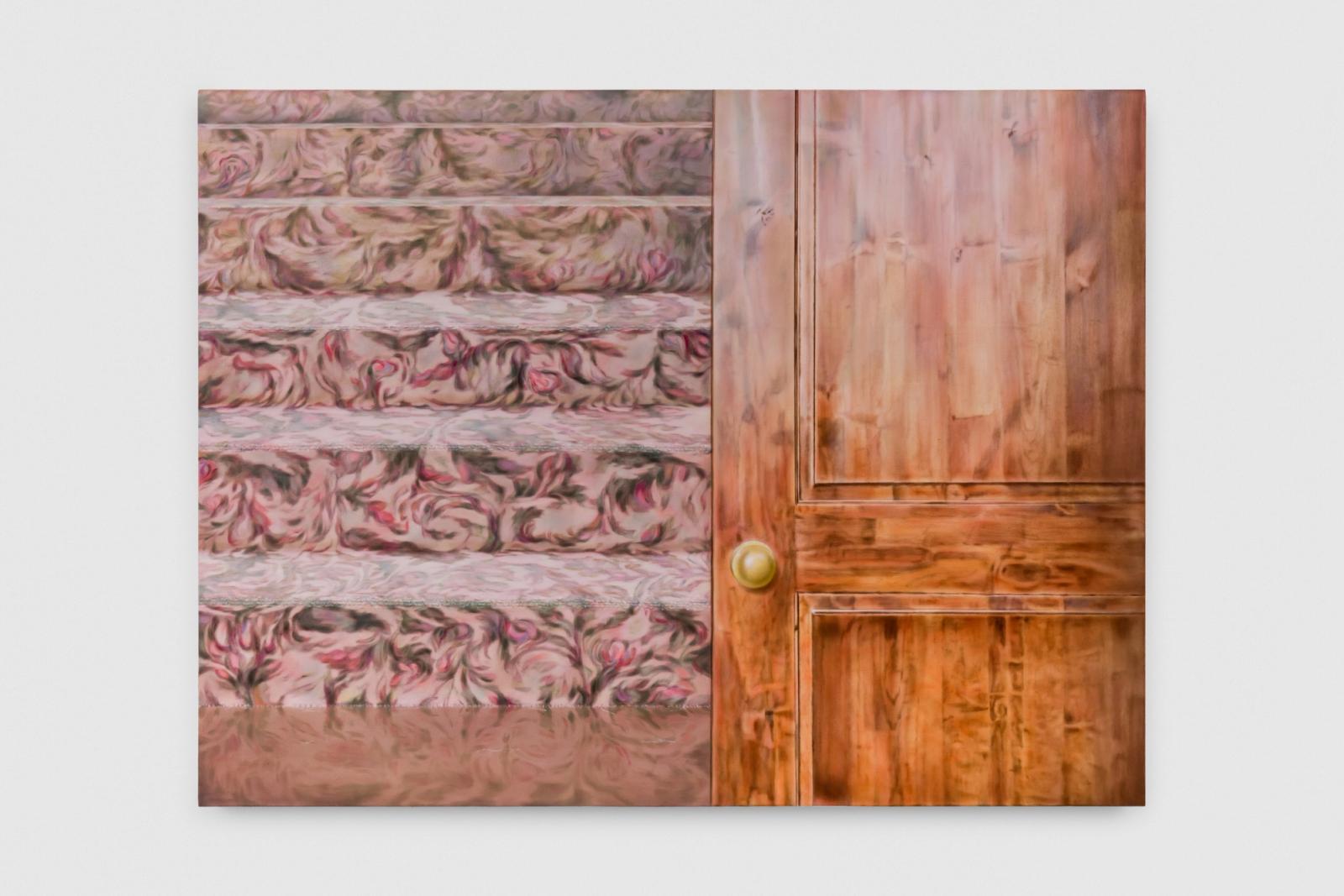
RC: Light, space and surface carry equal weight in my work, as the works rely on a synergy of these elements to create a tension and atmosphere. The light is essential in inviting entry into the space, which in turn allows this psychological exchange of memories, and inherited memories, between the viewer and the space through recognisable elements. The tension in surfaces brings an anthropomorphic energy to the works and worn textures hold the weight of memories and familiarity. When composing new works, I look for contrasting surfaces and think about how the light will flow through the space in the works, and react to the surfaces throughout.
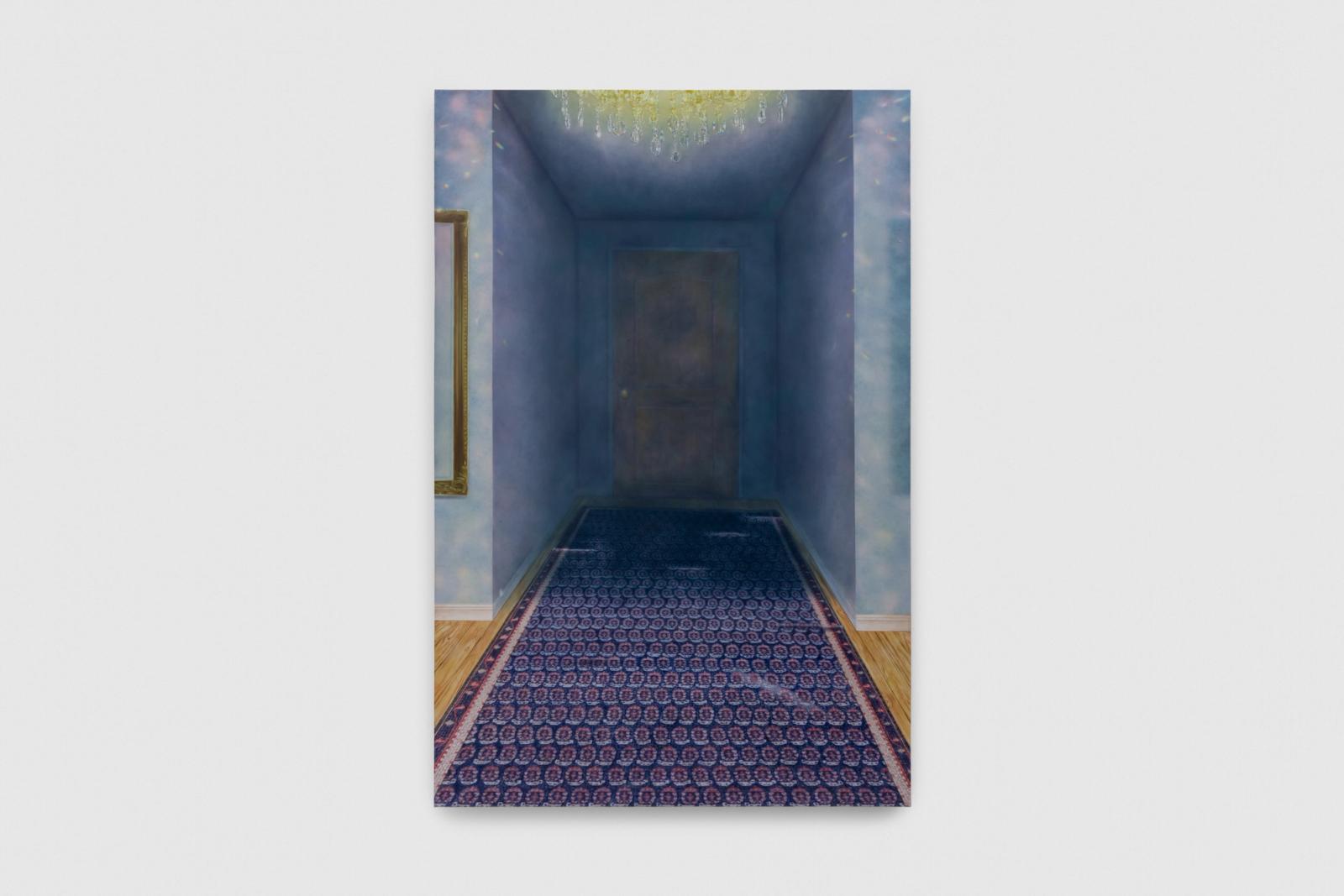
bP: What role does absence play in your practice at the moment?
RC: Notably in the works, there is usually only a singular object or viewpoint, creating an emptiness in the composition. This allows space for me to use the paint itself in varying approaches to different surfaces to bring an atmosphere and tension into the works. This, along with the rich figurative elements in the composition, make the spaces feel heavy with suggestion and atmosphere. The use of light in the works energises the domestic spaces and makes them feel inhabited and active, without the use of figures themselves. The absence of figures and further descriptive elements in the works encourage a slow reading when encountering the works.
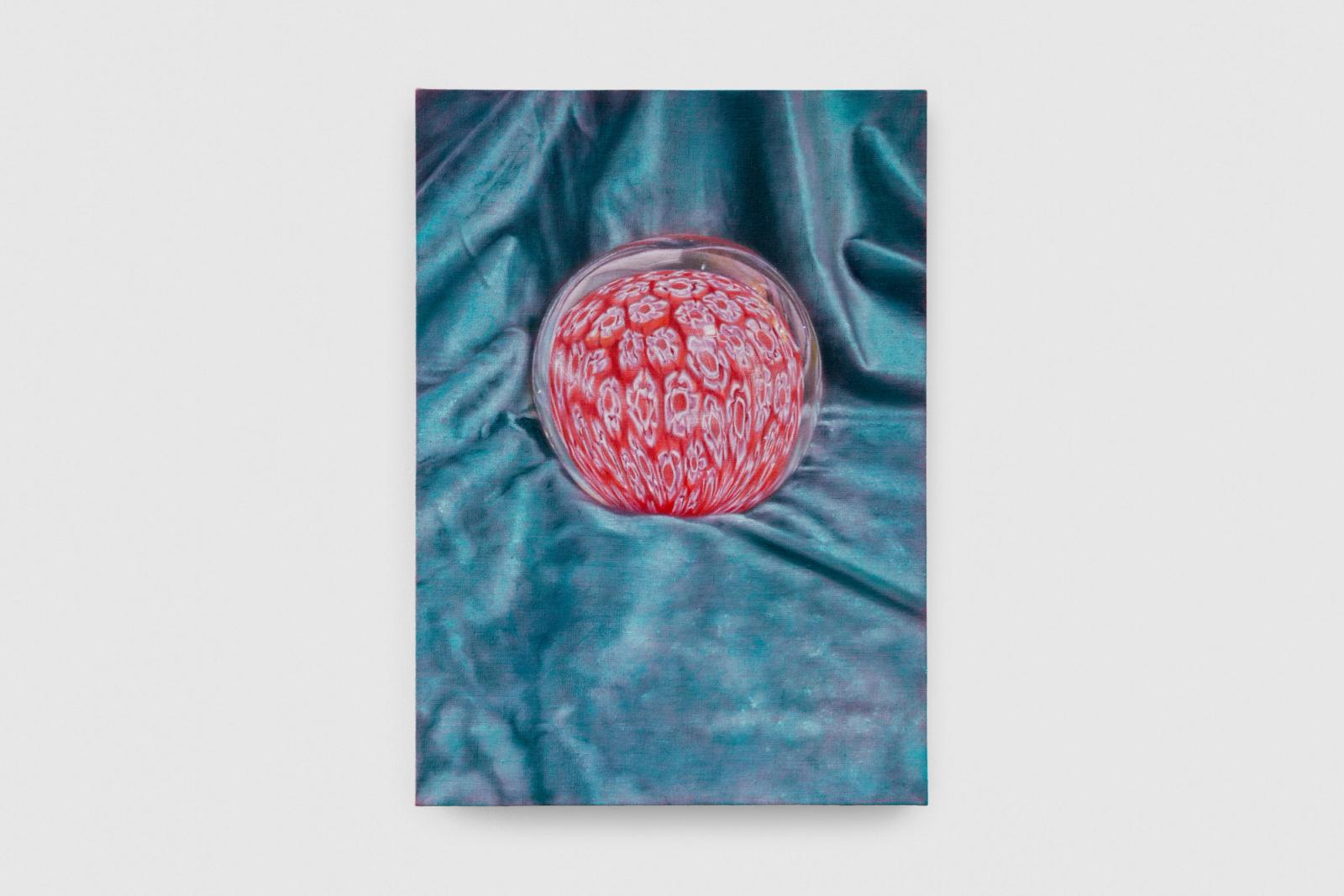
bP: In what ways has 16th Century Dutch Still Life influenced your approach?
RC: Interested in illusion and trickery in my own work, I am intrigued by the intense realism of 16th Century Dutch Still Life painting, and the considered approaches to depicting varying surfaces. The ability to depict an object or surface through manipulating the medium of paint fascinates me and becomes essential to understanding of how light creates optical phenomena. Vermeer’s use of light as a primary subject has been of particular inspiration to me, as I often adopt this idea of a singular light source in my work to create a consistent luminosity and presence across surfaces.
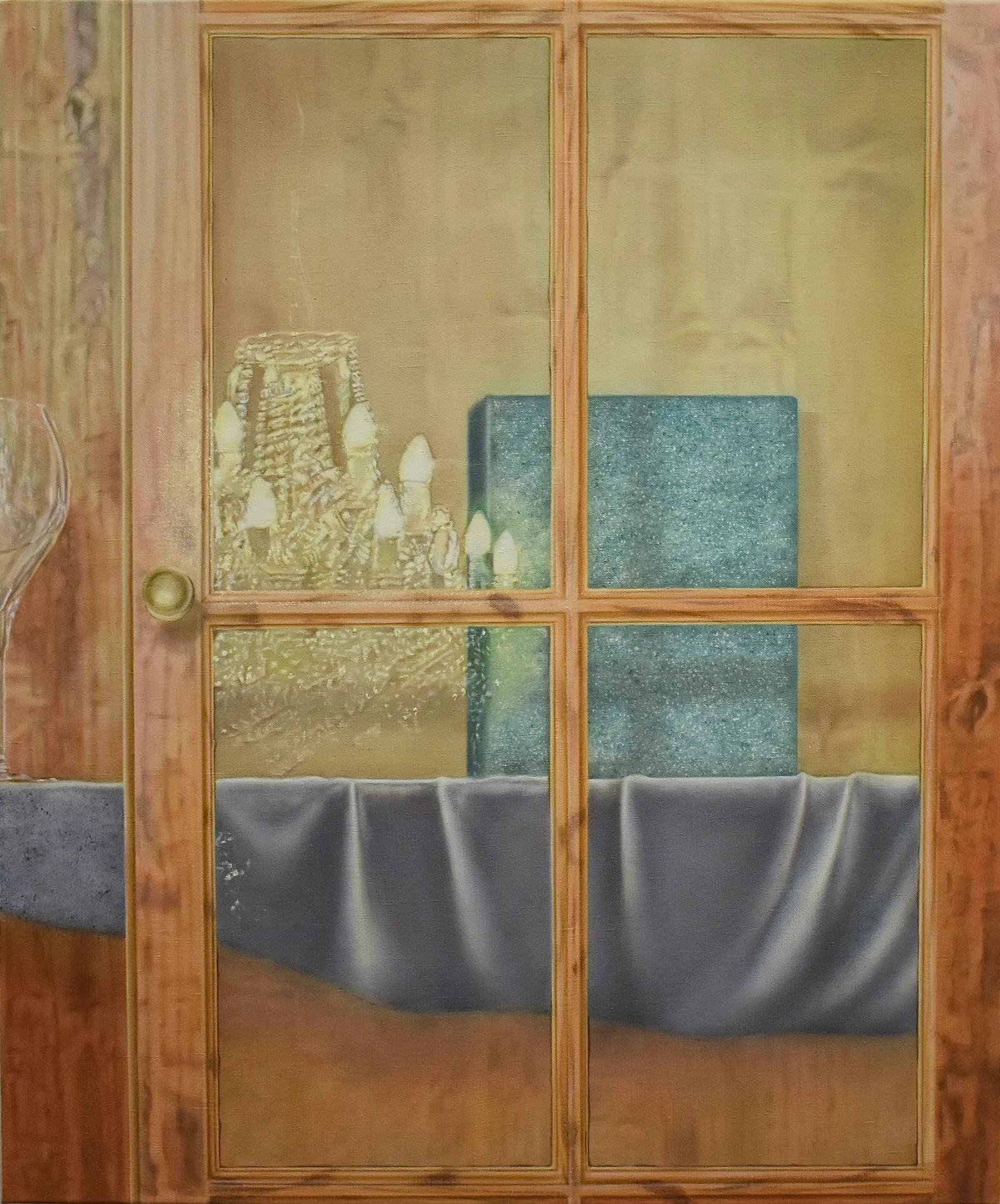
bP: How do you approach staging in your paintings?
RC: There is a contrived nature to my paintings that is quite theatrical. I approach my works initially by creating planes of surfaces, that later almost become stages for the objects and elements that inhabit them. The works become paused moments in time as objects are carefully placed, carpets are rippled and traces of previous elements remain. I think of the building up of glazes in the works as hiding and revealing clues as the paintings develop, creating subtle shifts in light, tone and sharpness. My works often explore staging from obscure viewpoints, and in some cases create enigmatic, uncertain entry points.
Comments
Leave a comment