

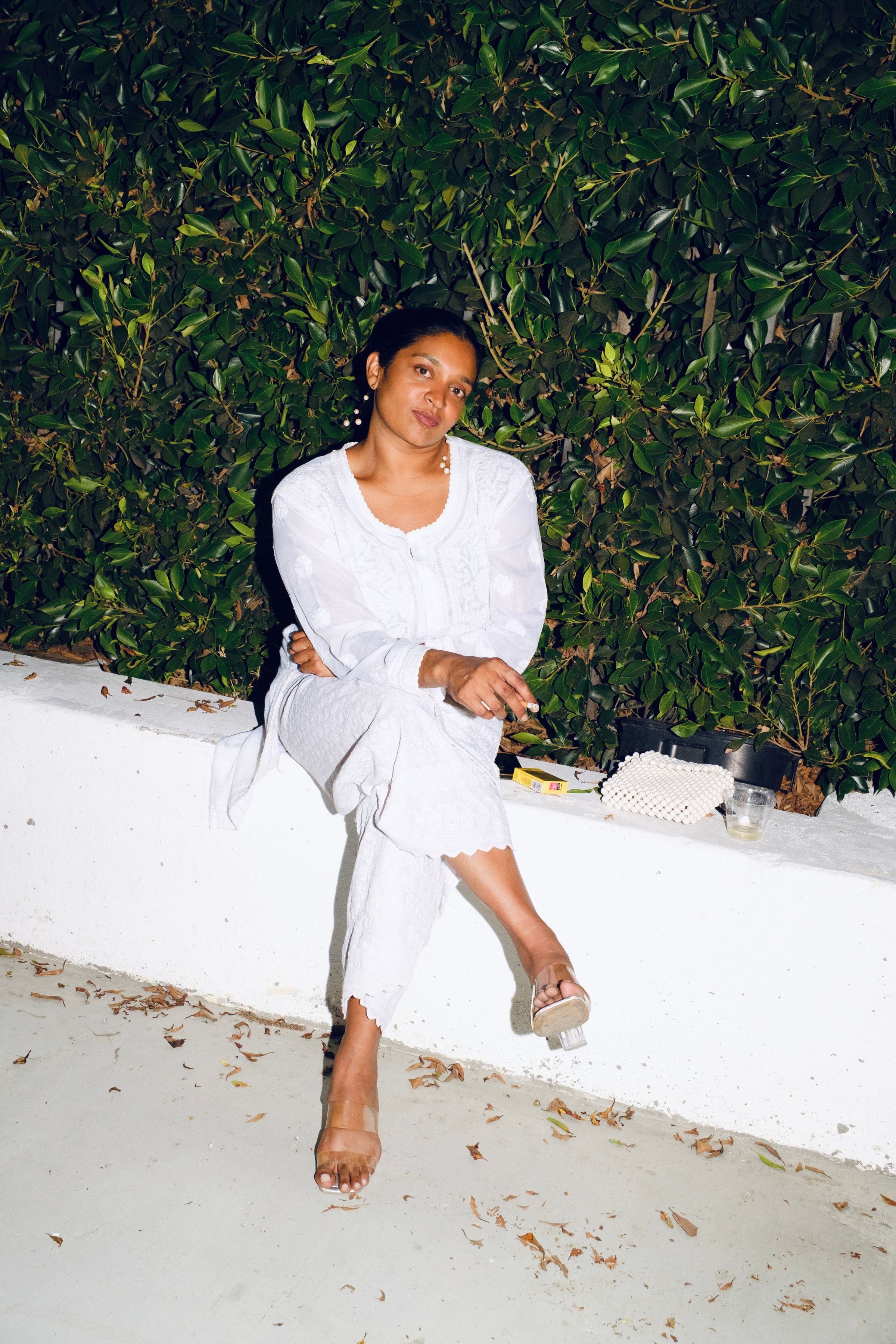
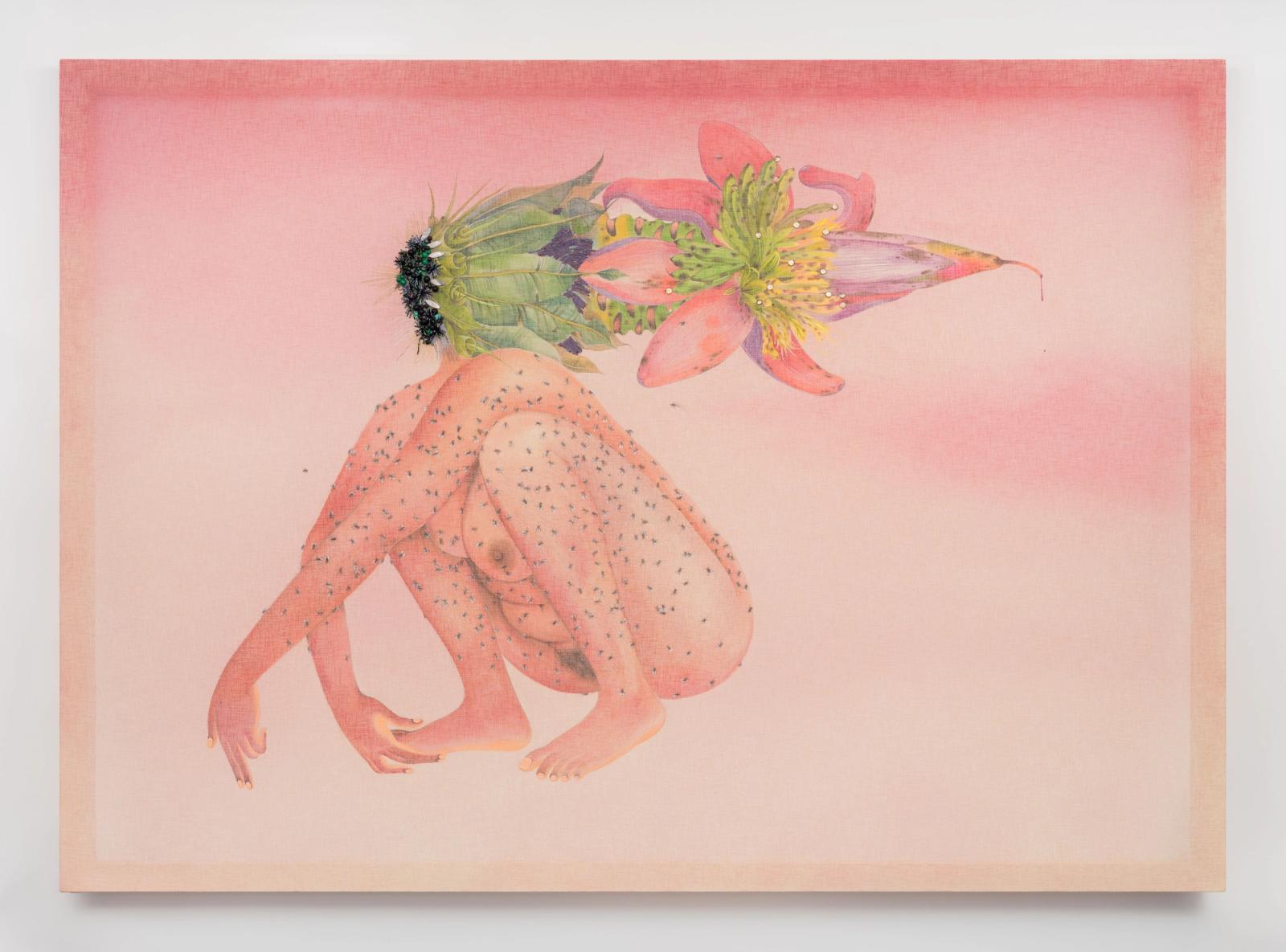
KW: You grew up in Scarborough, a part of Toronto that is super vibrant and culturally diverse, but that has historically—and continues—to be excluded from the city’s dominant cultural narrative. How has Scarborough shaped not only your artistic practice, but your approach to shaping community and new cultural forms?
RP: Like many artists in Toronto I come from Scarborough, which has a markedly different culture in general, it is lively, friendly and family based, many many ethnicities, religions, cultural norms next to one another for better or for worse. Truly dynamic yet remarkably peaceful at times. I moved downtown to get closer to my place of work, but I always understood that eventually Scarborough would become its own thing, however it and its potential to steward and nurture its own cultural scene has been hindered by annexation into the megacity. Scarborough holds a quarter of the city’s population and because it’s full of poor immigrants, is undervalued and underfunded in all sectors. I always make the case that Scarborough and other boroughs like Mississauga and Brampton birth the culture that the city then adopts as its own. A friend of mine gave the metaphor of logging (and I retain a mining metaphor—very Canadian) where the city continually benefits from forests of artists while having an extremely difficult time, apparently, planting for the future. It is time to plant for the future now and we need to hurry up and figure this out.
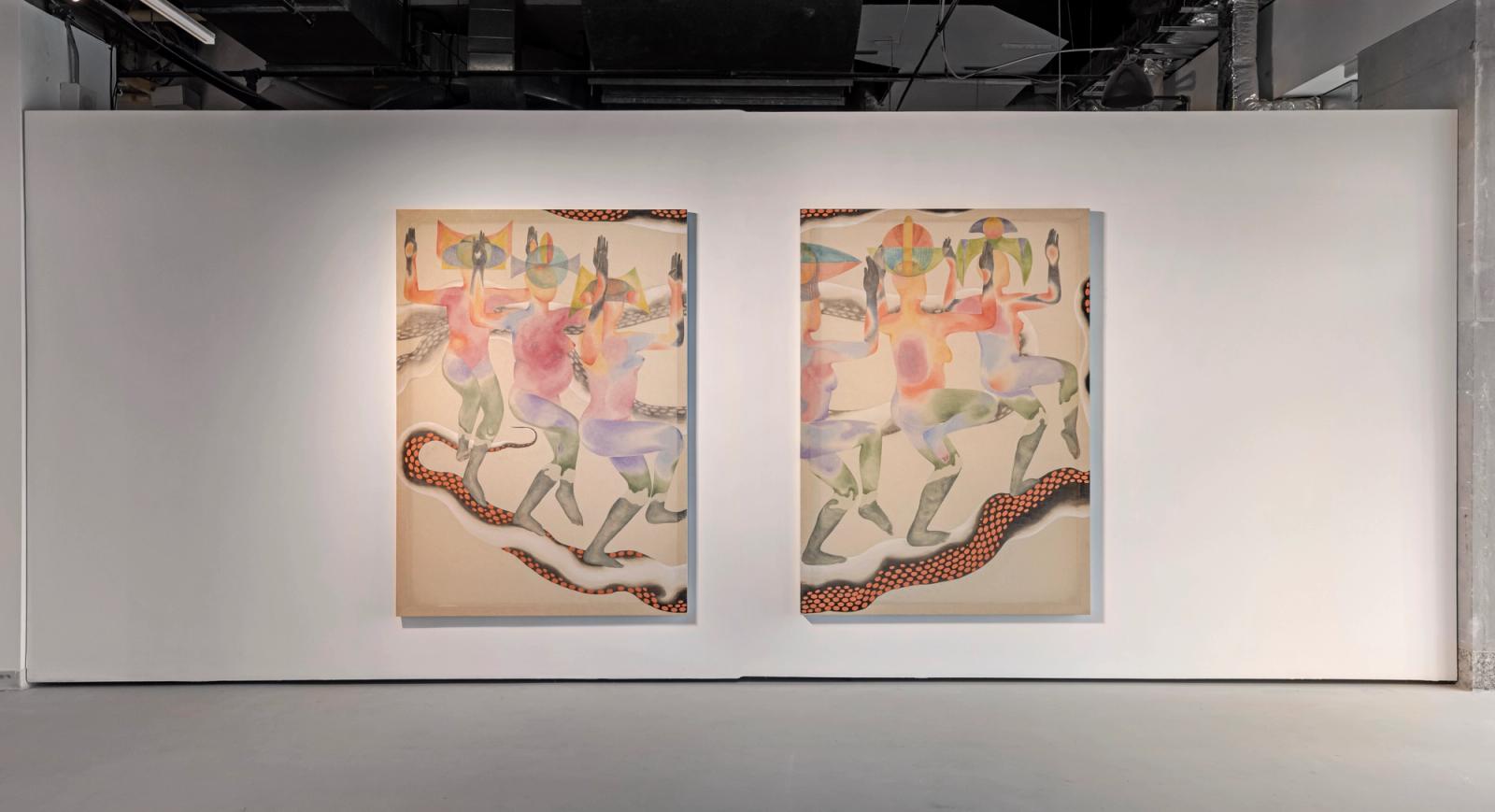
KW: One of my first weeks in Toronto in 2022, I attended MOCA Toronto’s gala where you were on stage receiving an award. You took that opportunity to speak directly to a room filled with wealthy individuals—lots of real estate developers—making the pointed argument that it is not enough to care about art—we also have to care about artists and their well-being and ability to live and make work in the city. How have you seen the city and these conditions change since 2022? And how in the last 3.5 years has this become such an important issue for you to fight for?
RP: The truth is that I have not yet seen an improvement in these conditions in the city of Toronto, although I've met many good people trying very hard to fix this. What I called for was a systemic and ideological change, which will lead to a better ecosystem and prioritization of working conditions for folks in arts and culture. I don’t think anything should be built for artists without us present in the room and in fact, directing the conversation. Our natural resilience and innovative practices and community-building methodologies still need to be rewarded with payment as well, as all too often we are expected and asked to participate without compensation sitting next to folks with salaries and benefits. So the thinking around how decisions for us get made needs attention, and the impact of bureaucratic/capital-asset-based decision-making on our livelihoods is huge so this too needs serious intervention. On the upside I was able to gather support from art-loving angels, great folks and friends to open Capsules in January, but I am unpaid thus far, with granting bodies, the City, and larger funders yet to show real interest in this clearly effective solution. But I do have hope that they will show up and take part.
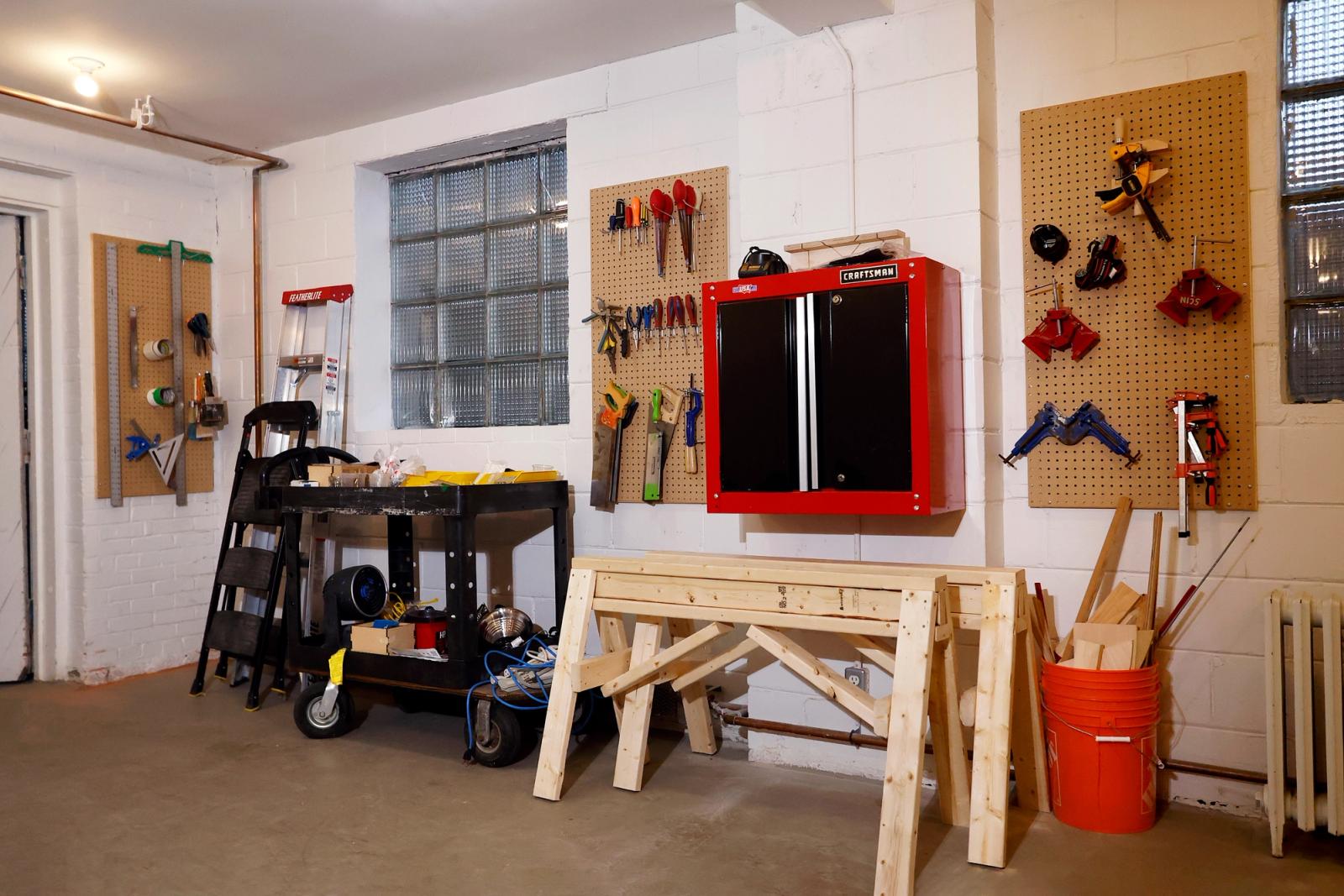
KW: What is Capsules Artist Resources, and how did you arrive at the project in its current form? What specific gap is Capsules attempting to address within Toronto’s arts ecosystem?
RP: Capsules is a registered non-profit that was in the works for a few years before we opened in January of this year to address the urgent loss of creative space in the city, exacerbated by the closure of major studio providers and a lack of funding/infrastructure to re-use these spaces. We are now at maximum capacity, and programmed well into next year with 3 major exhibitions and 1 solo show by our 1-year resident artist Rhoda Medhat. We onboard via application, and don’t ask folks to sign long leases. We have a relatively flexible and fluid nature and I think that comes from artists running it. Myself and Zanette Singh of Terrarium/Cue conceived of the model together in 2022, now more fleshed out with our (incredible) board of directors.
Covid-19’s magnification of the inequities faced by artists in the city, together with our personal repetitive experiences of renoviction, gentrification and mistreatment moved us to try to create a replicable mixed-revenue and more entrepreneurial model for sustainable arts spaces, in the growing absence of grant funding. We also do fundraisers, events rental by inquiry, poetry readings, book launches and coming later this summer, music and performance. We look forward to proving this model over the next 3 years with our pilot project at Bathurst and Dupont with the intention of opening a slightly larger space in Scarborough, and running it together with Scarborough Arts; our partner and trustee.
KW: This series considers non-conformity not only as resistance, but as the building of alternative structures and support systems. You are someone I admire greatly for your criticality, courage to speak the truth, and ability to build anew. How does non-conformity shape your ways of working as an artist and as the founder of Capsules?
RP: Thank you, that's very sweet of you to say! The ability to build anew are the thorns I and many other artists have built so we aren't eaten by predators lol. I don't think we are not conforming on purpose or engaging it as a novel idea—we are responding to our climate by adapting and innovating; a serious skill set that we happily teach one another and we can sustain our communities in this manner. Coming to a new approach to building and sustaining creative space took a few years as it turns out, looking into existing top-heavy systems and realizing they no longer serve us as creative workers, who need to work everyday in our studios and can frankly manage ourselves fairly well.
KW: In the face of ongoing precarity and exhaustion within the arts, what continues to give you energy, conviction, or hope?
RP: Artists and how incredibly beautiful and strange they are, how much they love this world, and a gut feeling that arts and culture will get us through precarity, exhaustion, hopelessness, nihilism, late stage capitalism, and neo-colonialism—pretty much everything! The efficacy of the arts to heal and bring hope keeps me moving every day. Artists also alchemize value from nothing so we are wizards from the start - we need to be looked to as leaders and innovators and cultural policy should follow, not the other way around. I look forward to Capsules participating in this conversation/transition and sustaining ourselves well enough to house generations of artists, organizations and arts workers, sustainably, in the years to come.
Comments
Leave a comment