

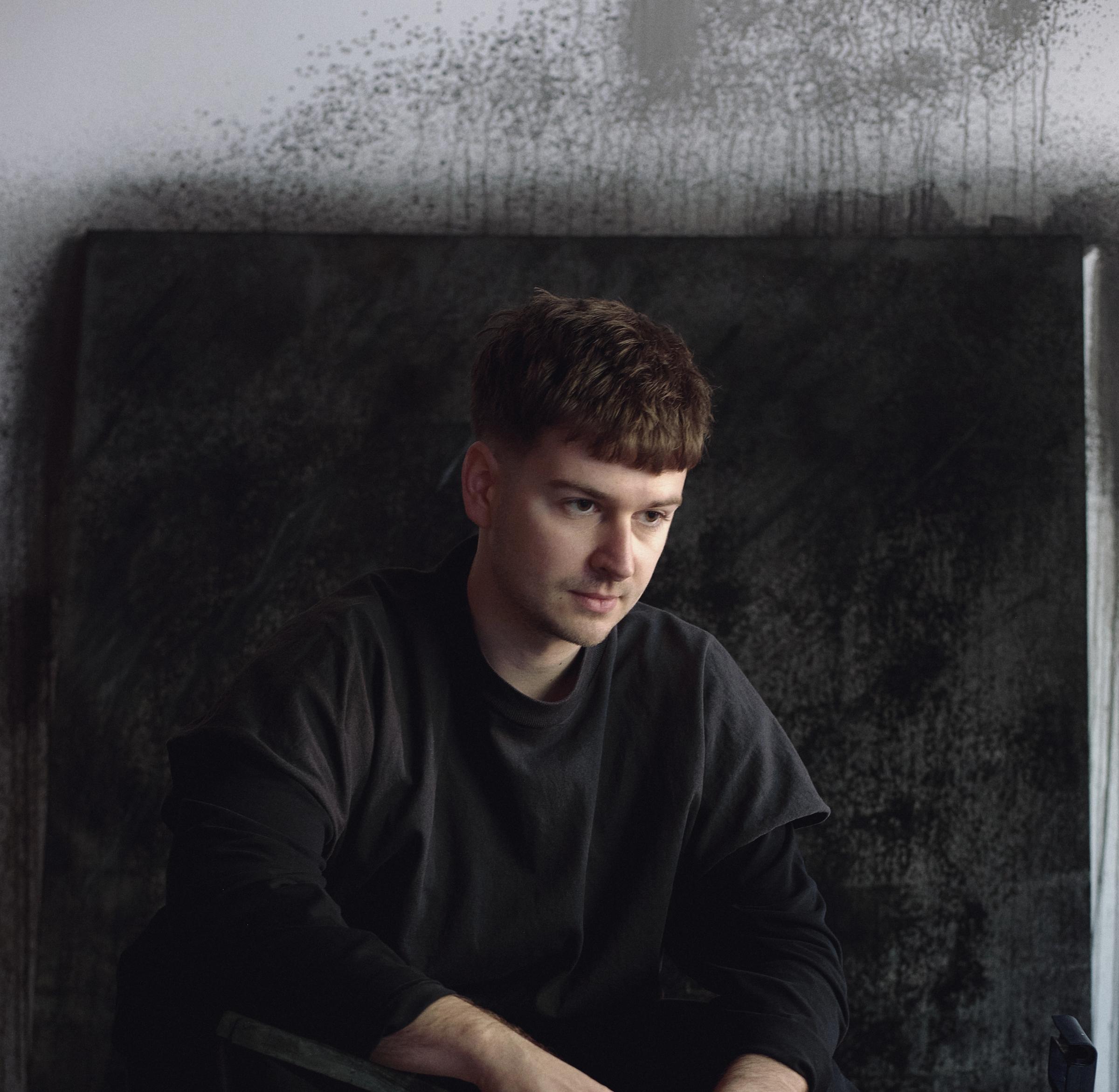
BB: Looking across your recent work, there are recurring ideas around identity, technology, climate and our relationship with the world around us. What questions continue to drive your practice?
RL: I am spending a lot of time focusing on developing my research within the spheres of philosophy and contemporary thinking. I am studying the era of the Anthropocene and its complexities from a perspective that is less activism-oriented and more observational. I am not holding a banner saying “save the planet.” Instead, I am observing the world from the position of an individual living within a flawed society. I am interested in embracing the uncomfortable reality of being part of this system while imagining possible dark ecological futures.
Lately, I have been thinking a lot about the idea of an archive as a medium for building identity. I am interested in how an archive of objects, memories, or artworks can become a reflection of a person’s existence and identity.
This research flows into the artworks I produce, and in return, the artworks often feed back into my research, visually opening new questions and directions. I see this relationship between thinking and making as a continuous cycle, where ideas transform through the process of creating.
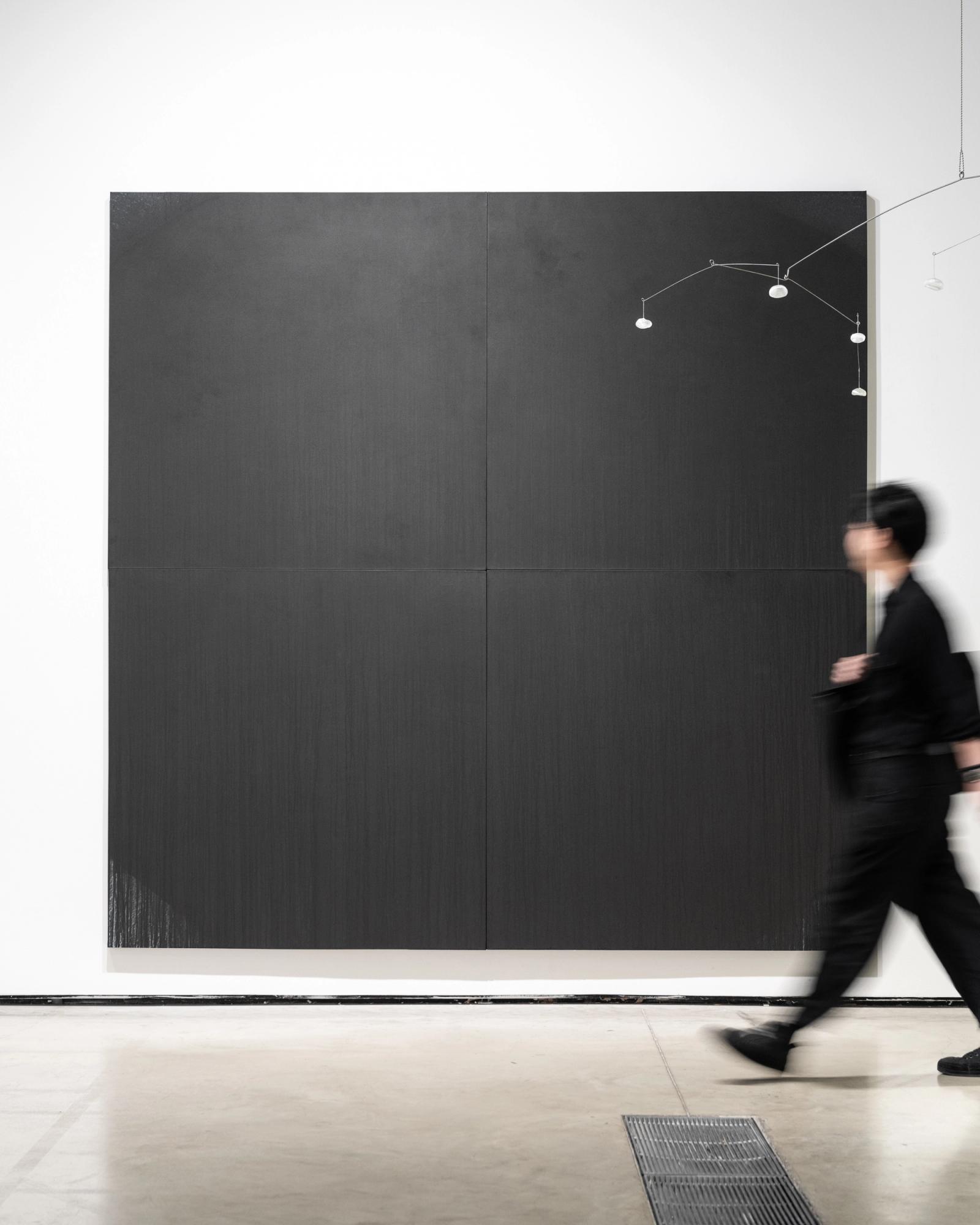
BB: When describing your exhibition Balloons and That (2025), you wrote that it "does not seek to create narratives... it aims to foster an environment that sparks questions." Is that something you see as central to your practice more broadly? Do you think artworks should leave viewers with answers or with better questions?
RL: I have always been interested in creating questions rather than providing fixed answers. I think people often spend more time engaging with a question than with a straightforward narrative or conclusion. When someone asks you a question, it naturally creates a desire to search for an answer. However, when someone gives you an answer, you often accept it as it is and move on to the next question the world presents.
Creating a space for thought is therefore something I almost always aim to achieve through my work. I am interested in leaving open endings and creating room for the viewer’s own interpretation and reflection.
At the same time, I need to be careful in balancing the factual and the philosophical aspects of my research. I do not want the work to become a form of science fiction world building detached from reality. I prefer to remain grounded in real world observations and existing conditions, using them as a foundation for exploring broader ideas.
I also understand the value of processes that are purely narrative, or works that clearly communicate what they want to discuss. I think both approaches have their place, and both answers and questions can be equally meaningful. However, within my own practice, I often find myself drawn towards creating open questions and environments where thoughts can continue beyond the artwork itself.
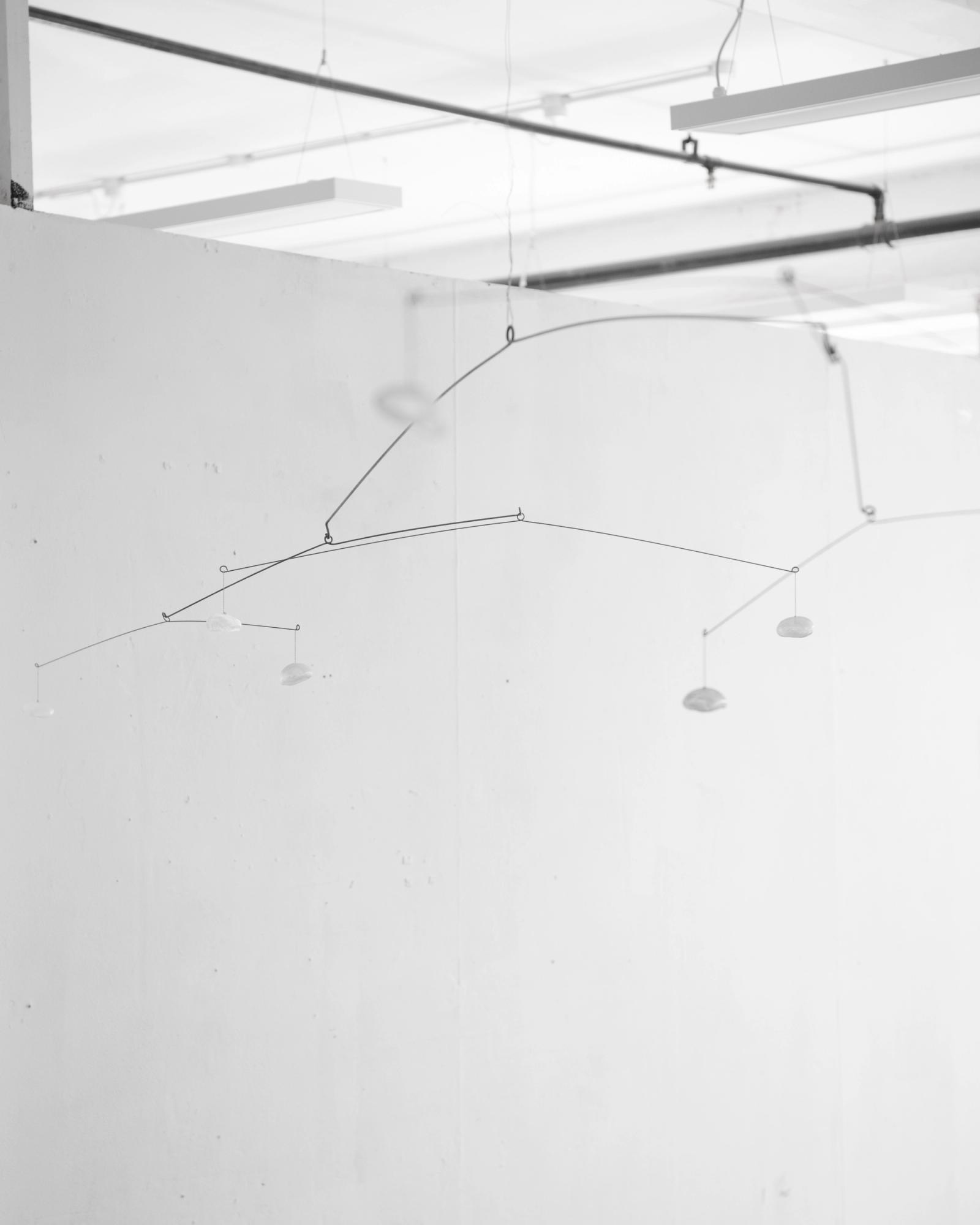
BB: Climate change, migration and identity are all things that can be difficult to picture, yet are all topics touched upon within your art. What can visual art do that makes those kinds of subjects easier to engage with?
RL: One of the core themes I work with is the philosophical idea of hyperobjects by Timothy Morton. Hyperobjects are entities so vast and abstract that they exist beyond human comprehension and imagination, such as climate change, the universe, the internet, migration, or time.
Art has the ability to give the artist freedom in how these subjects are approached, represented, and physically explored. They can become abstractions, images, or sculptural forms that allow us to engage with something that is otherwise difficult to imagine.
Art can introduce viewers to visual interpretations of subjects that are usually intangible or unseen, presenting them through the perspective and aesthetic language of an artist.
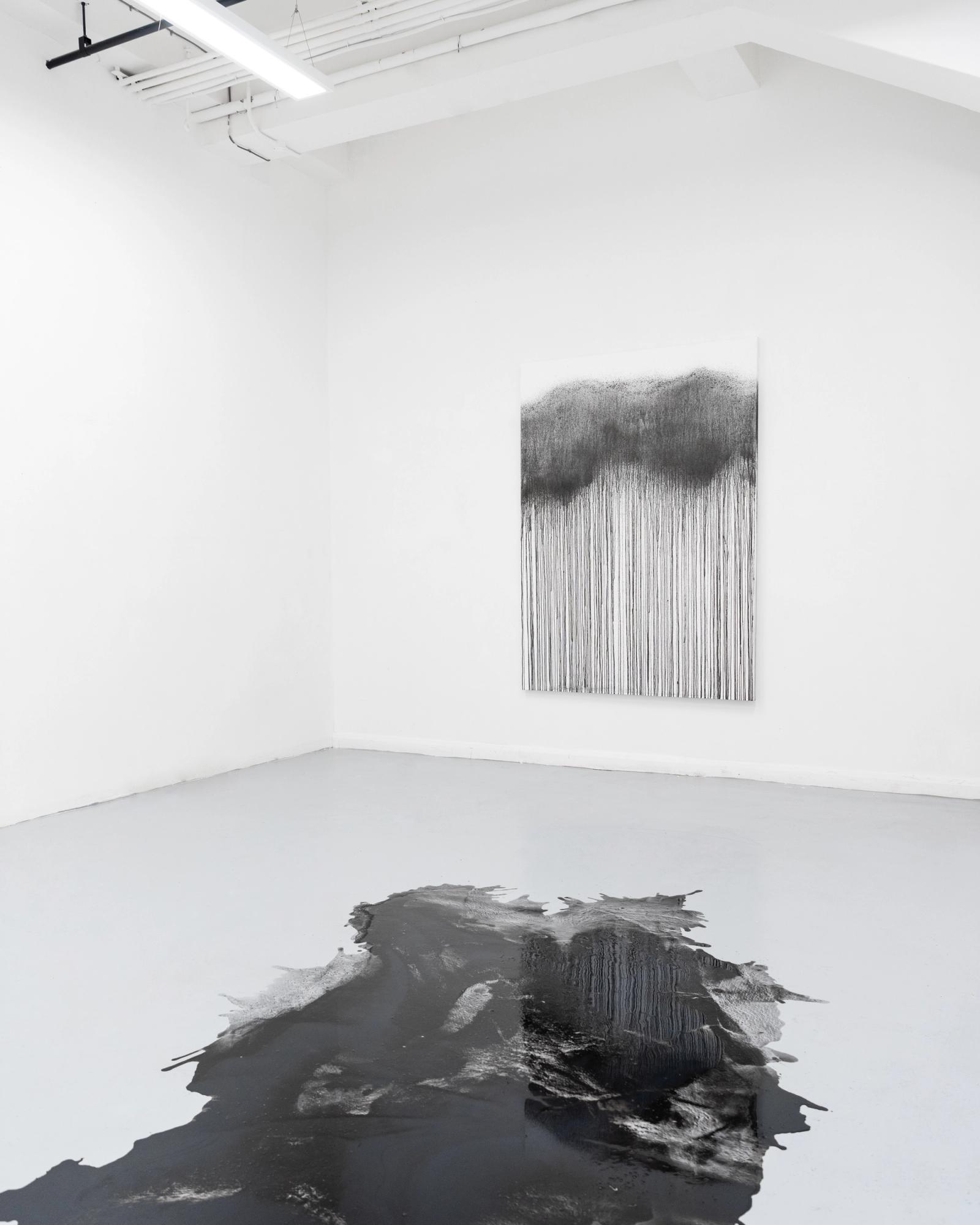
BB: Photography has been central to your education and practice, but your recent exhibitions move beyond the photographic image. Has expanding into installation and sculpture changed the way you think about making work? In a time when image-making has become an everyday activity, would you say the role of the photographer has shifted from making images to making meaning?
RL: Photography is something very close to me. It was my initial path into making art, and I still take the photographic image very seriously. I am interested in exploring both its possibilities and its limitations. I think photography is one of the most important elements of our contemporary perception. We experience the world through physical three dimensional reality, but we are also surrounded by two dimensional representations of it everywhere, on our phones, walls, paintings, books, and screens.
Working with other spatial mediums has completely changed the way I approach making work. I now often think about even two dimensional works in a more sculptural and object based way. I consider how a painting or photograph exists within a space, not only as an image but as a physical presence. This is especially important with photography today, when the majority of images exist digitally and are experienced online. I believe photography gains a different level of value when it is printed, materialised, and positioned in an environment.
In a world full of photographs, I think what is becoming increasingly important is the meaning behind them, the context in which they exist, and the ideas they communicate. For me, contemporary photography is not only about documenting or creating aesthetics, but about creating something that can hold a deeper thought, question, or value.
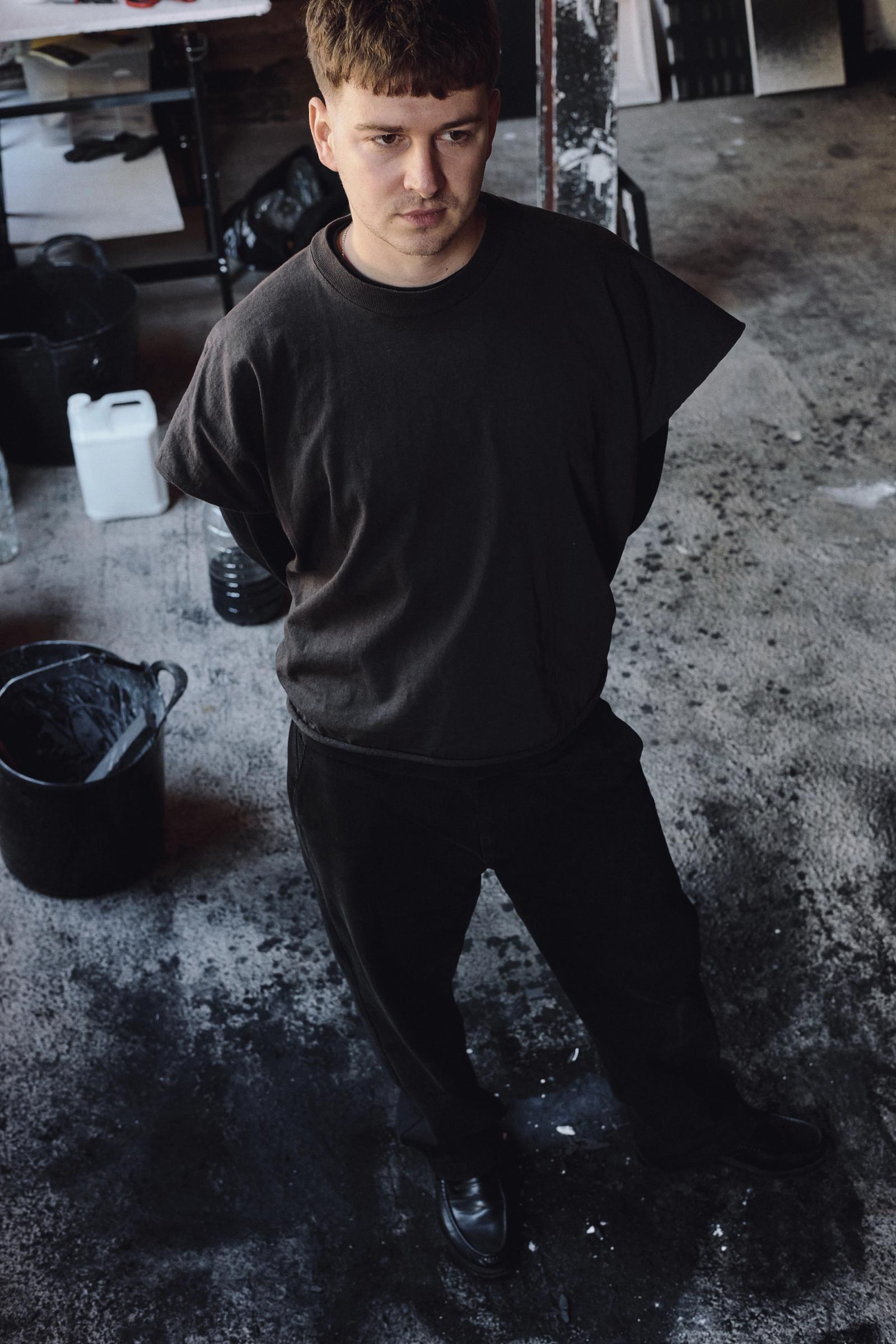
BB: You describe observing London's street culture through the perspective of someone who grew up in Slovakia. Has that experience shaped both the way you see the city, and what captures your attention as an artist?
RL: Identity is something that London really puts into perspective when you move here and build a life and art practice. It made me question who I am, but also helped me recognise and embrace the individual traits that shape my identity. My Slavic background became something I value even more when surrounded by people from different cultures and perspectives.
The way I see London comes from the combination of my Eastern European roots and my experience of living here in London, for several years. I do not leave my origins behind, but I also do not see identity as something fixed. It is something that continues to evolve through new experiences, environments, and encounters.
Comments
Leave a comment