

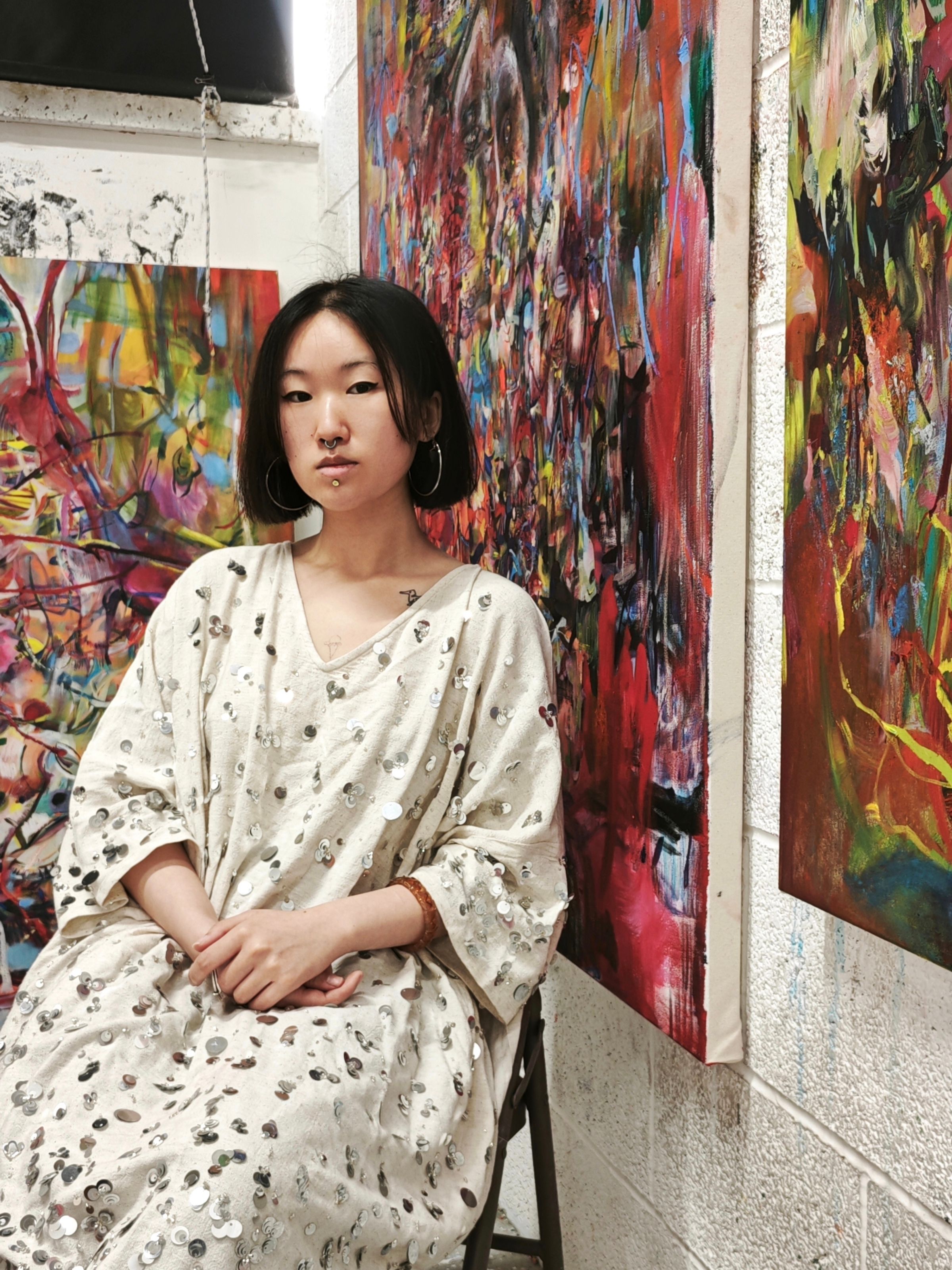
bP: What does transformation mean to you at this moment in your practice?
SJ: I see the common virtue of fragility and toughness in different life forms; life and death are not opposites but mutually connected, generative states that sustain the flow of being. The intrinsic similarity between individuals and the cosmos helps us feel a spiritual resonance. So it is with the body: death changes how we exist, but it never truly eliminates us. We dissolve into a larger cycle of life and energy.
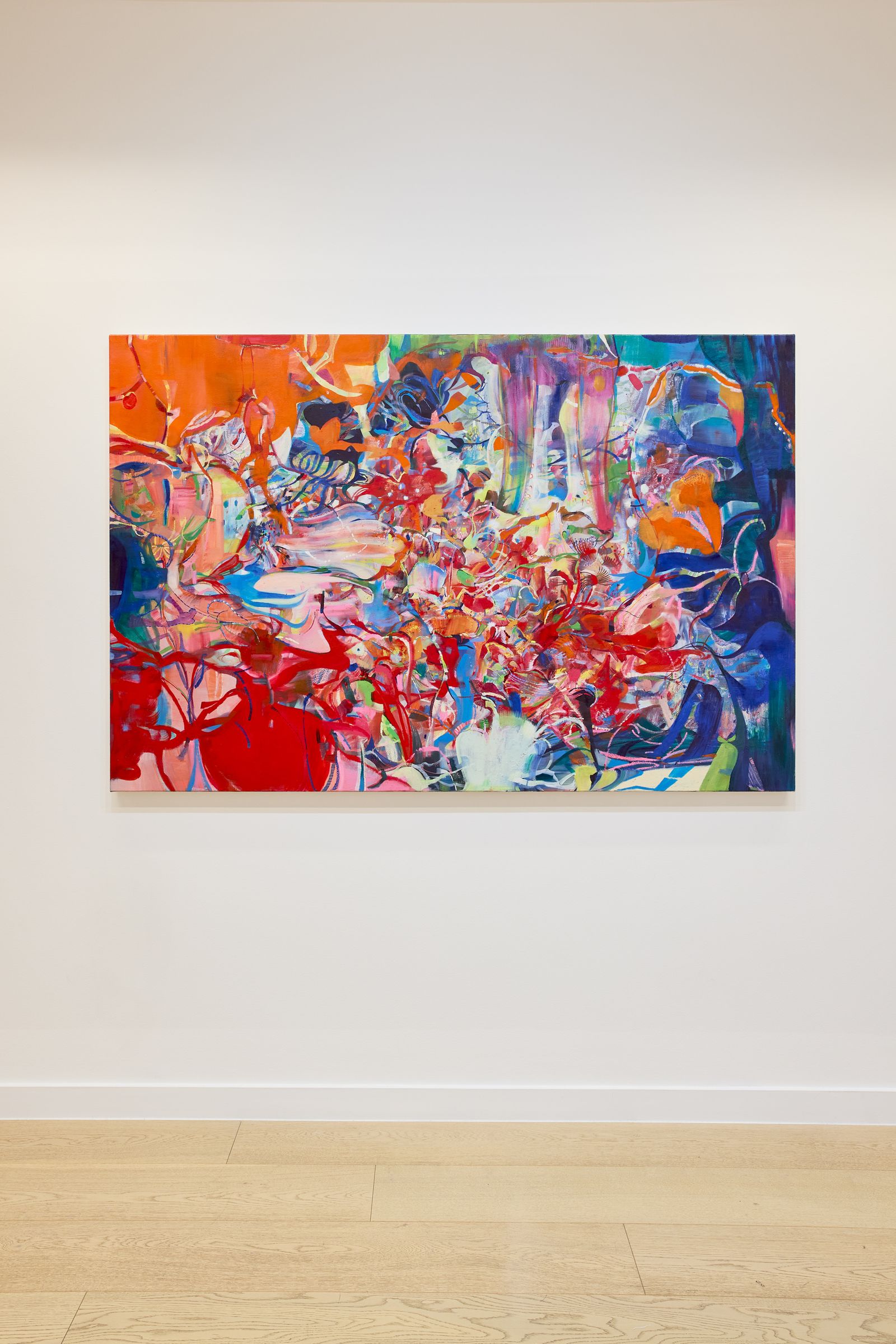
bP: How do ideas around decay and renewal surface in your work?
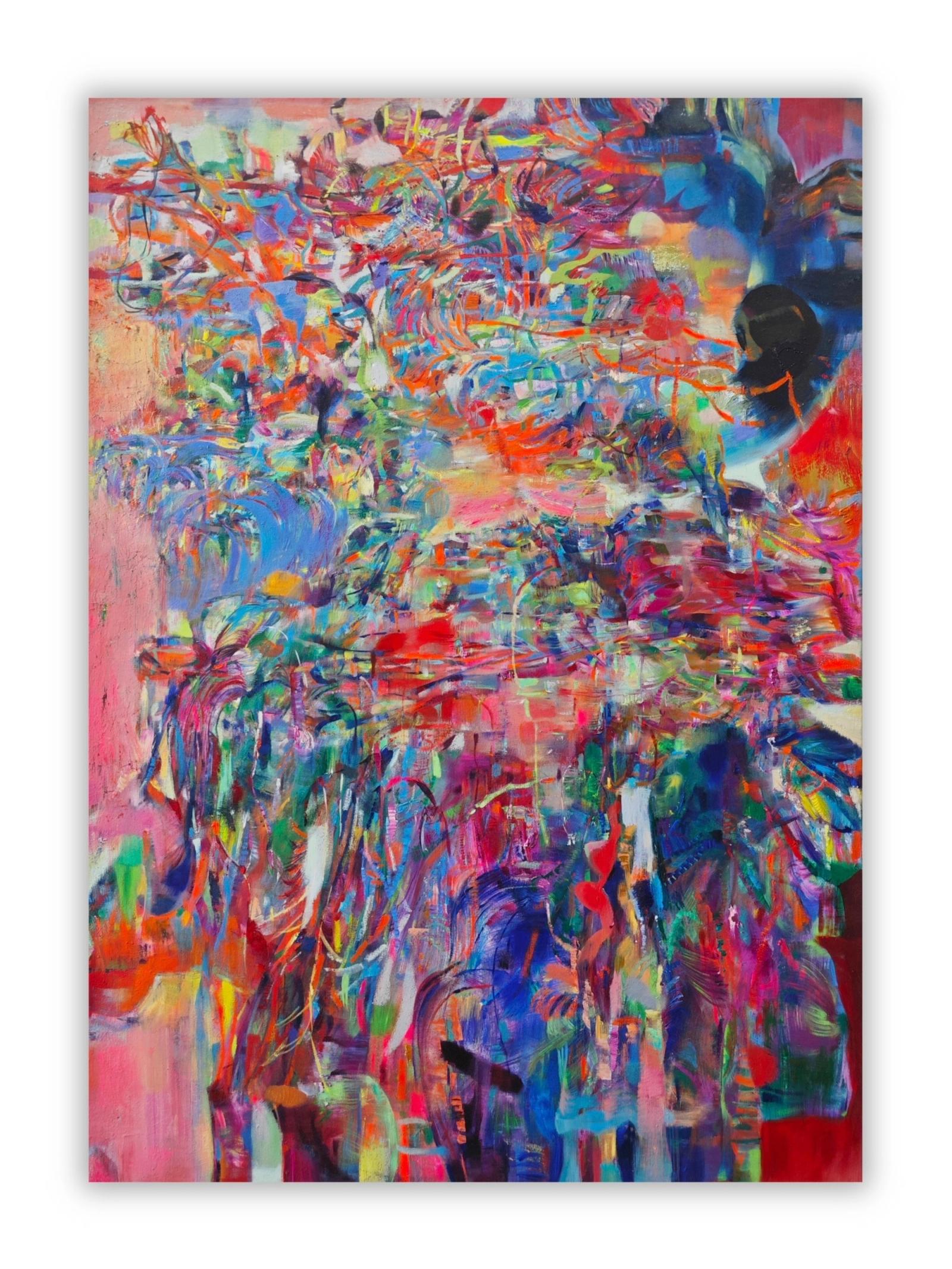
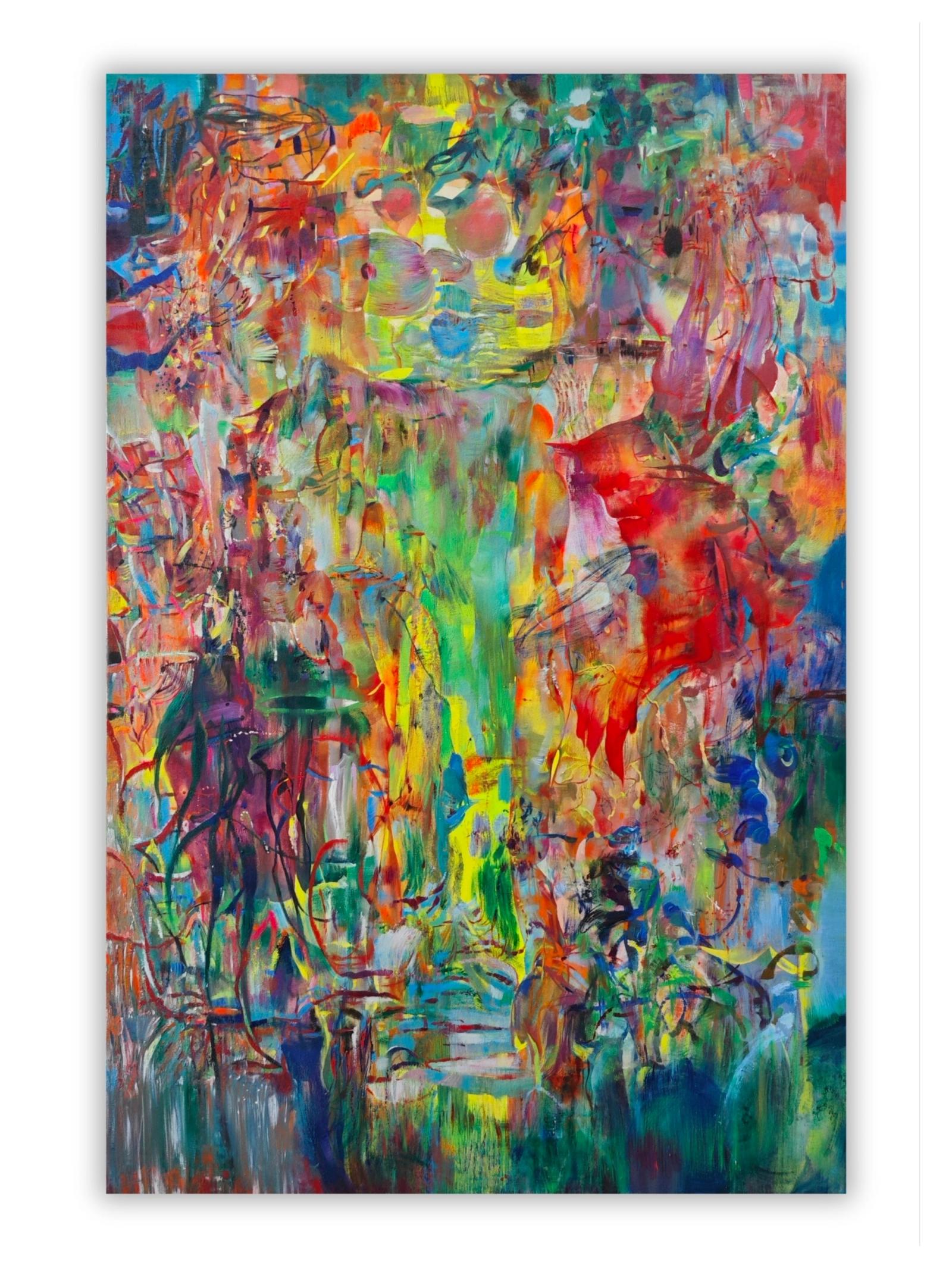
SJ: Decay and renewal, or what I call fragility and toughness, death and rebirth, coexist and are mutually reflective. They become an abundant, ever-circulating force. I like using shapes with sharp edges and piercing lines, combining structures of unknown forms. Extensive lines connect and blend conflicting, fragmentary elements; these elements can be any life form and are transitional states that exist among and beyond one another.
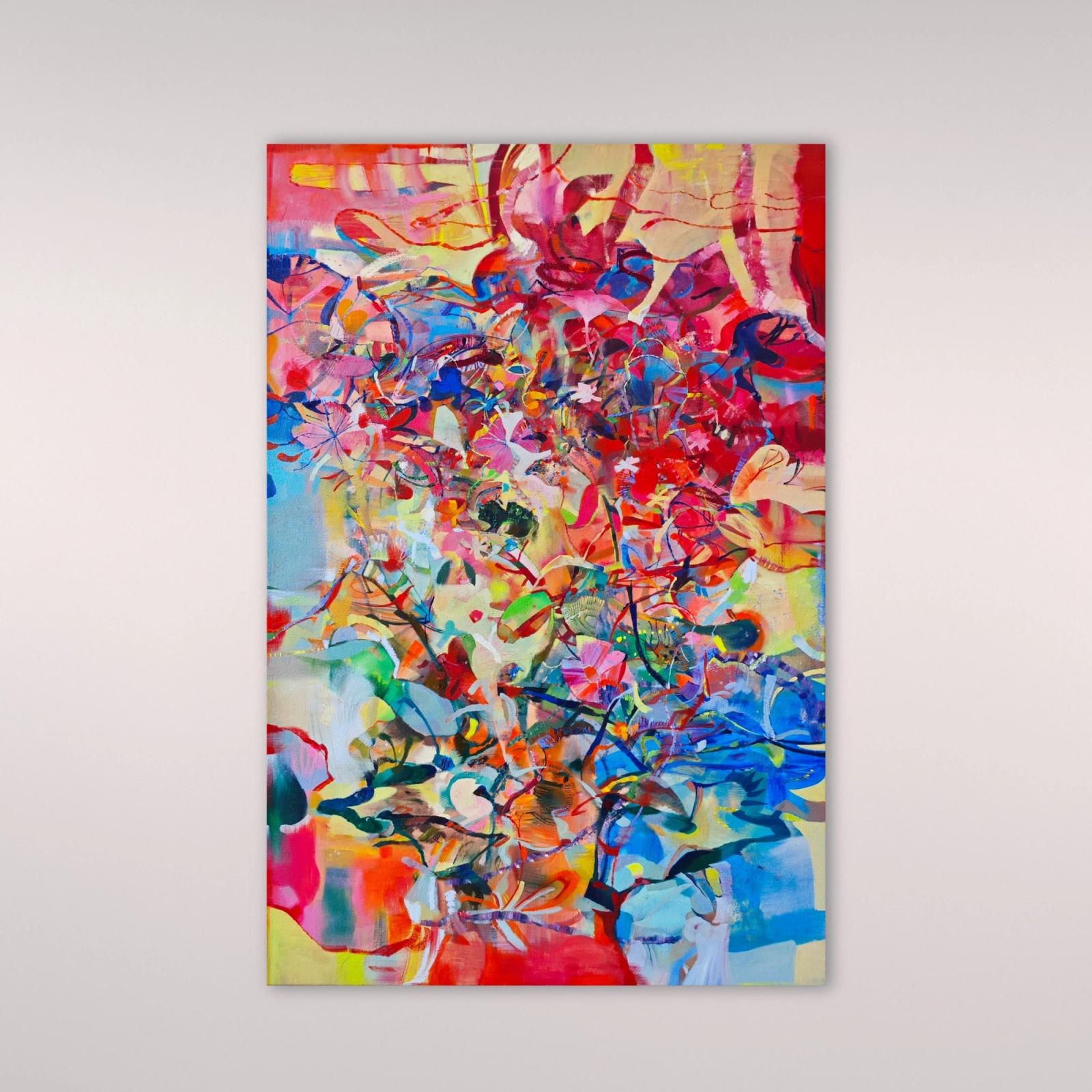
bP: How do titles help extend or shift the meaning of a painting?
SJ: Actually, I don’t want a definitive title, as it limits the viewers’ imagination, and spoils the fun and the possibilities. The titles are maybe a phrase that pops into my mind the very moment when I forget all the context and look at the image again, or a line from my recent journals. I like confusing people.
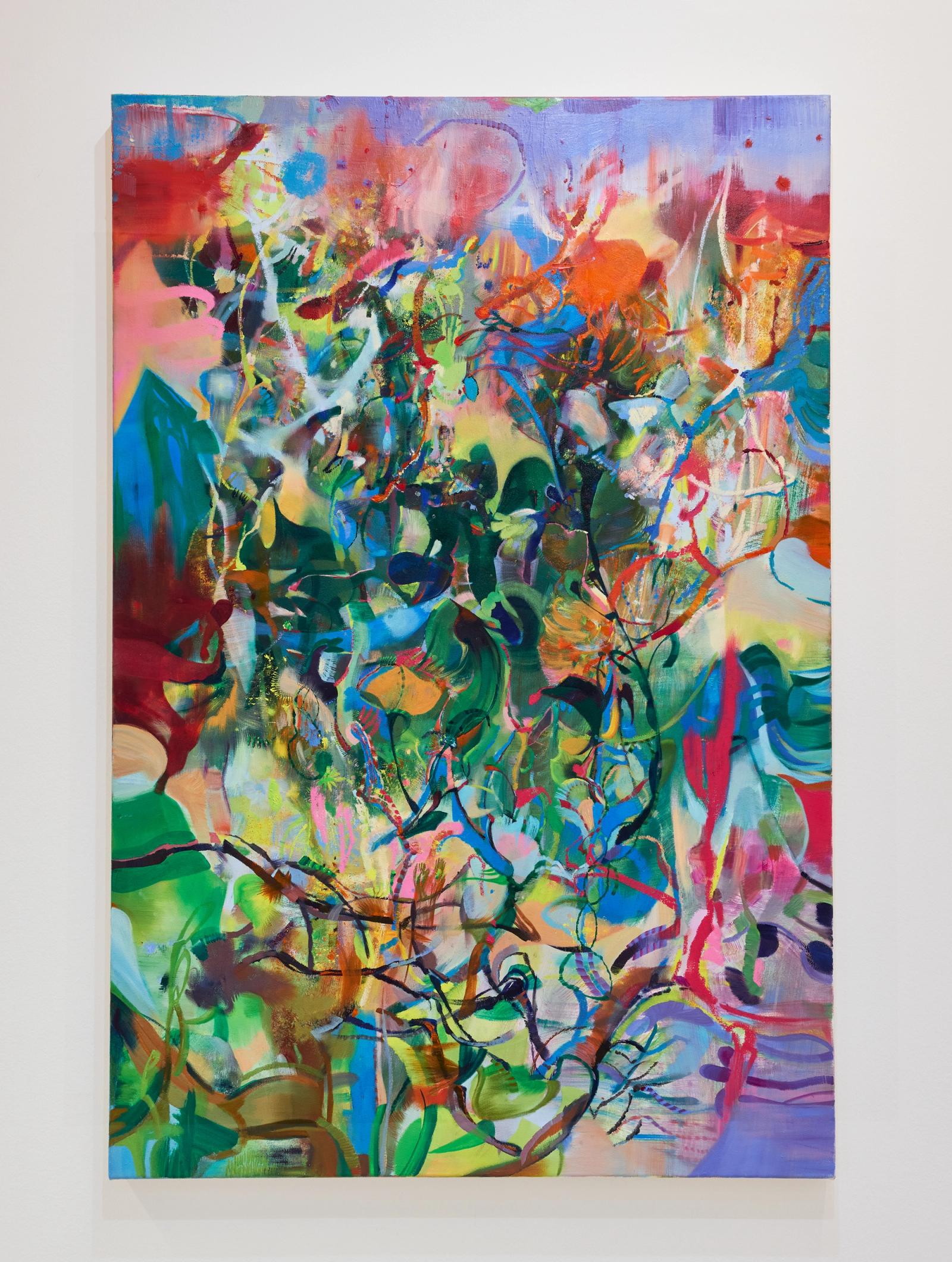
bP: What kinds of energies or emotional states are you trying to preserve through paint?
SJ: It may be a flourishing abundance and a "complexity" as well. I like complexity.
bP: How do literature, philosophy, or storytelling enter your thinking while painting?
SJ: Reading should be a natural process. I read every type of text, whatever it is. Inspirations are always arrives unexpectedly.
Reading opens me to a broader field of thought while I create, so I am not limited to what is concrete. I find literature and philosophy help me sort the tiny, vague pieces of feeling, but I still like the confusion and complexity.
Comments
Leave a comment