

“As the number of fairs continues to grow, questions remain as to whether this expansion has generated greater sales and commercial opportunities, or simply contributed to rising visitor numbers.”
There has been ongoing debate surrounding art fairs and whether they remain a sustainable long-term model for galleries, particularly as rising costs raise questions about whether galleries can continue to afford art fair participation within the current art ecosystem. Instead of targeting the blue-chip market, galleries are beginning to seek more intimate settings which can only be facilitated by steering away from traditional art fair models. Recently, satellite fairs and non-art fairs have gained popularity, particularly among nomadic gallery spaces. Yet, as the number of fairs continues to grow, questions remain as to whether this expansion has generated greater sales and commercial opportunities, or simply contributed to rising visitor numbers. How long are galleries able to afford to participate in the traditional art fair model?
As art fairs become increasingly saturated, many galleries have become reliant on art fair sales as a key source of revenue. At the same time, increasingly experimental aspects of art fairs have also served the needs of the art market, fostering greater sociability and an experience-led economy, where the value of attendance extends beyond sales to include cultural engagement, relationship-building, and brand exposure. Visibility during art fair weeks has created a culture of 'showing up', in which attendance itself becomes a form of participation. This forms part of a wider social circulation around art fairs, where being seen can be just as important as seeing the art.
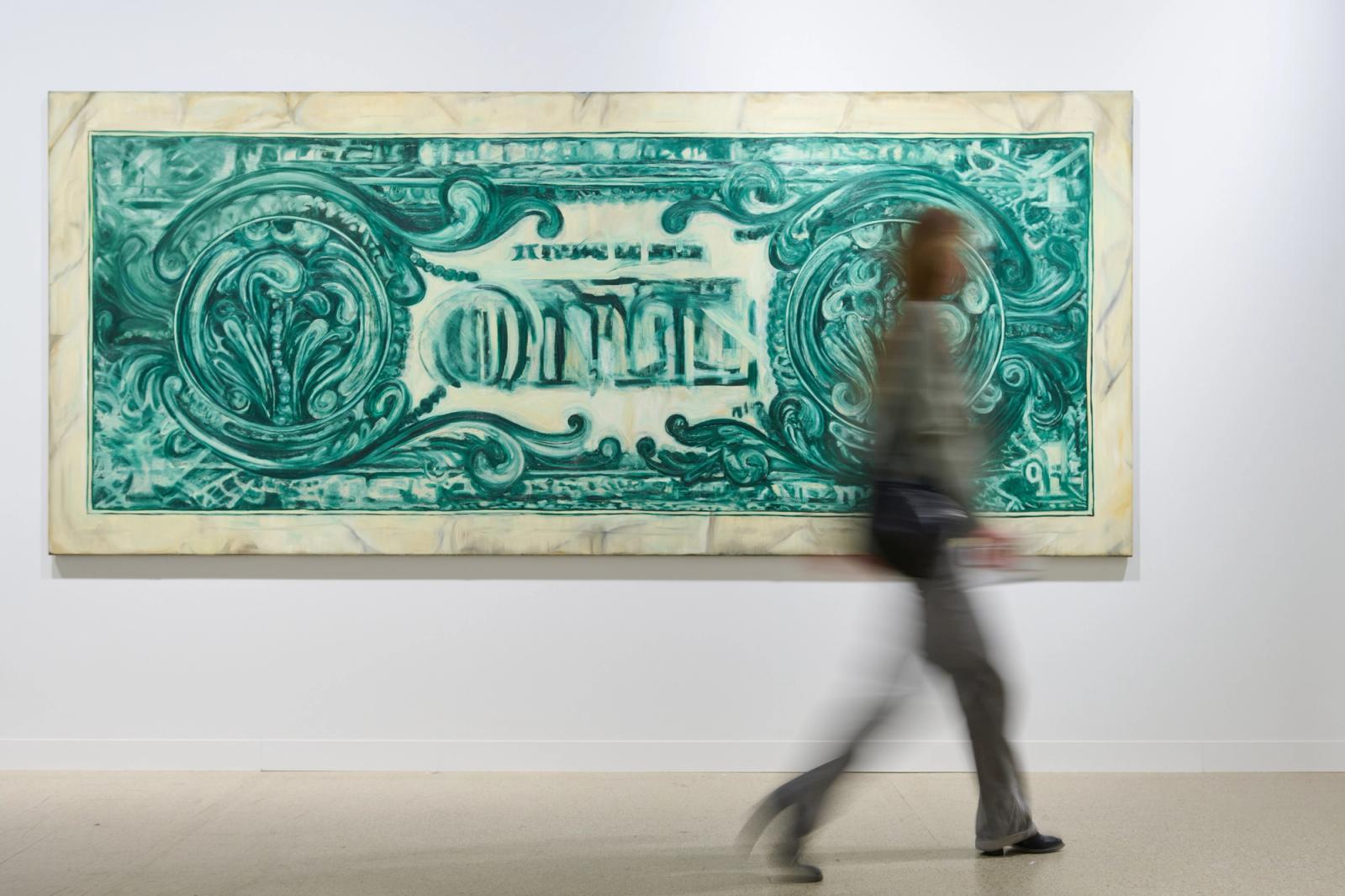
Art Basel, 2026. Photography courtesy of Art Basel.
The ongoing success of Art Basel taking place this month in Basel with 290 galleries from 43 countries, has arguably performed best in its Swiss edition. There has been increasing expansion of art fairs editions globally, such as Art Basel Miami Beach, Hong Kong, Paris and, most recently, Qatar. Art Basel has been informally described as the 'OG' of art fairs by art world enthusiasts on social media. Other Basel-based fairs such as Liste and VOLTA provide a less mainstream avenue compared to Art Basel for avid art fair enthusiasts. Basel Social Club returns for its fifth edition and has gained increasing popularity, establishing itself as a temporary social stage for art. Basel Social Club arguably fits the non-traditional art fair format through its programming and transformation of an office into a site of exhibitions, performance, music, gastronomy, and inspiring non-conventional encounters. Whether this type of non-art-fair model can sustain itself in future, and whether it will mirror the nomadic gallery spaces that are currently part of the broader contemporary art scene, remains to be seen.
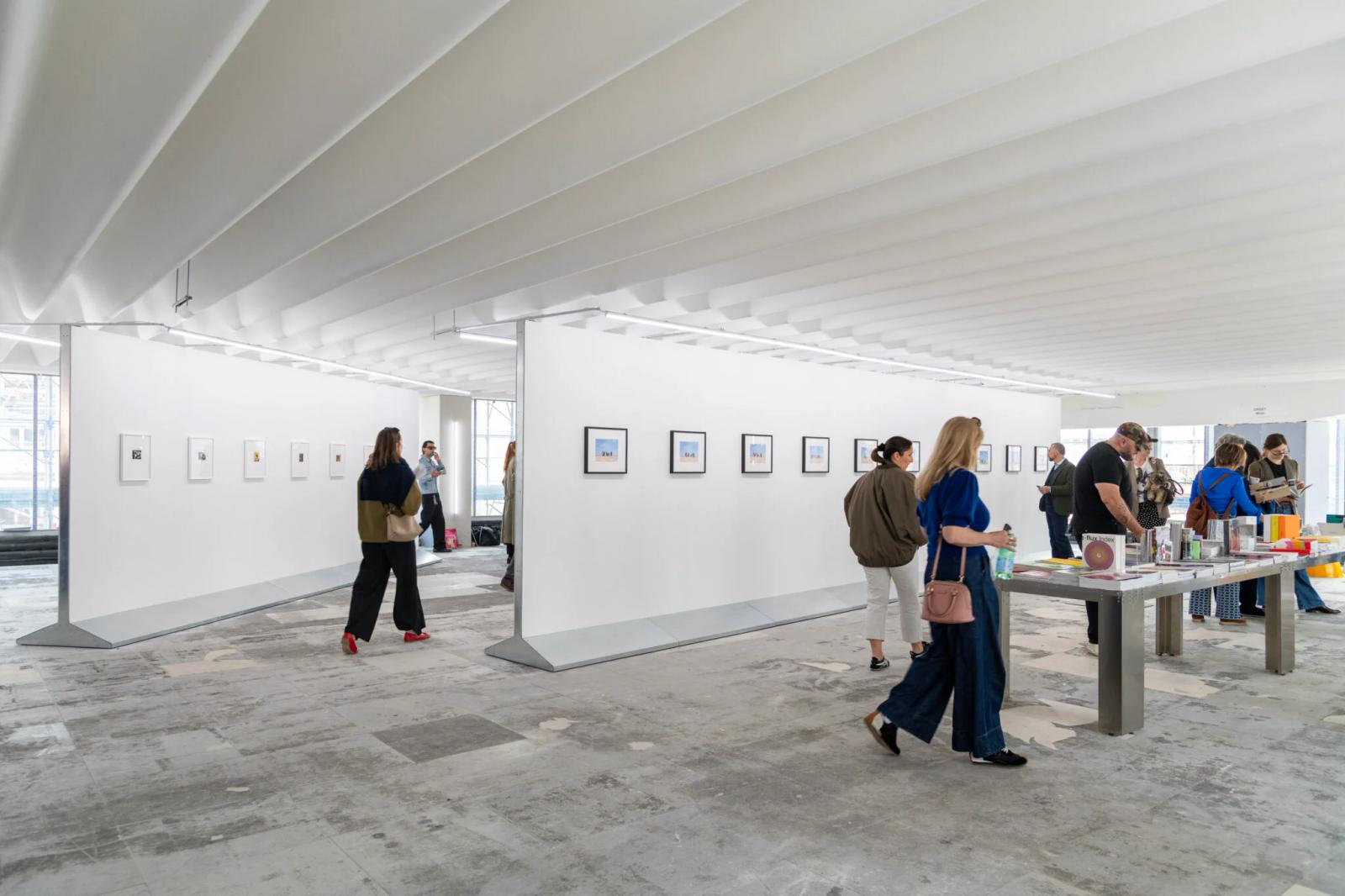
Paris Internationale Milan, 2026. Photography courtesy Irene Fanizza.
Upcoming galleries are able to gain recognition through art fair specific programming, such as Frieze's Focus section which shines light on younger galleries and younger voices in the art community. This has proven to be successful in terms of discovering newer galleries and the artists that they represent, and has significantly sparked more community engagement with art fairs. Another example of specific programming is evident in the fair Independent 20th Century, which, as the title suggests, focuses on art from the 20th century, foregrounding it within a contemporary frame. The mission of Independent 20th Century to diversify the 20th century art-historical canon can be considered experimental in terms of testing the waters of the audiences it attracts. Whether this hyper-focused model can last in the long term, or whether it serves purely commercial goals, is also an open question.
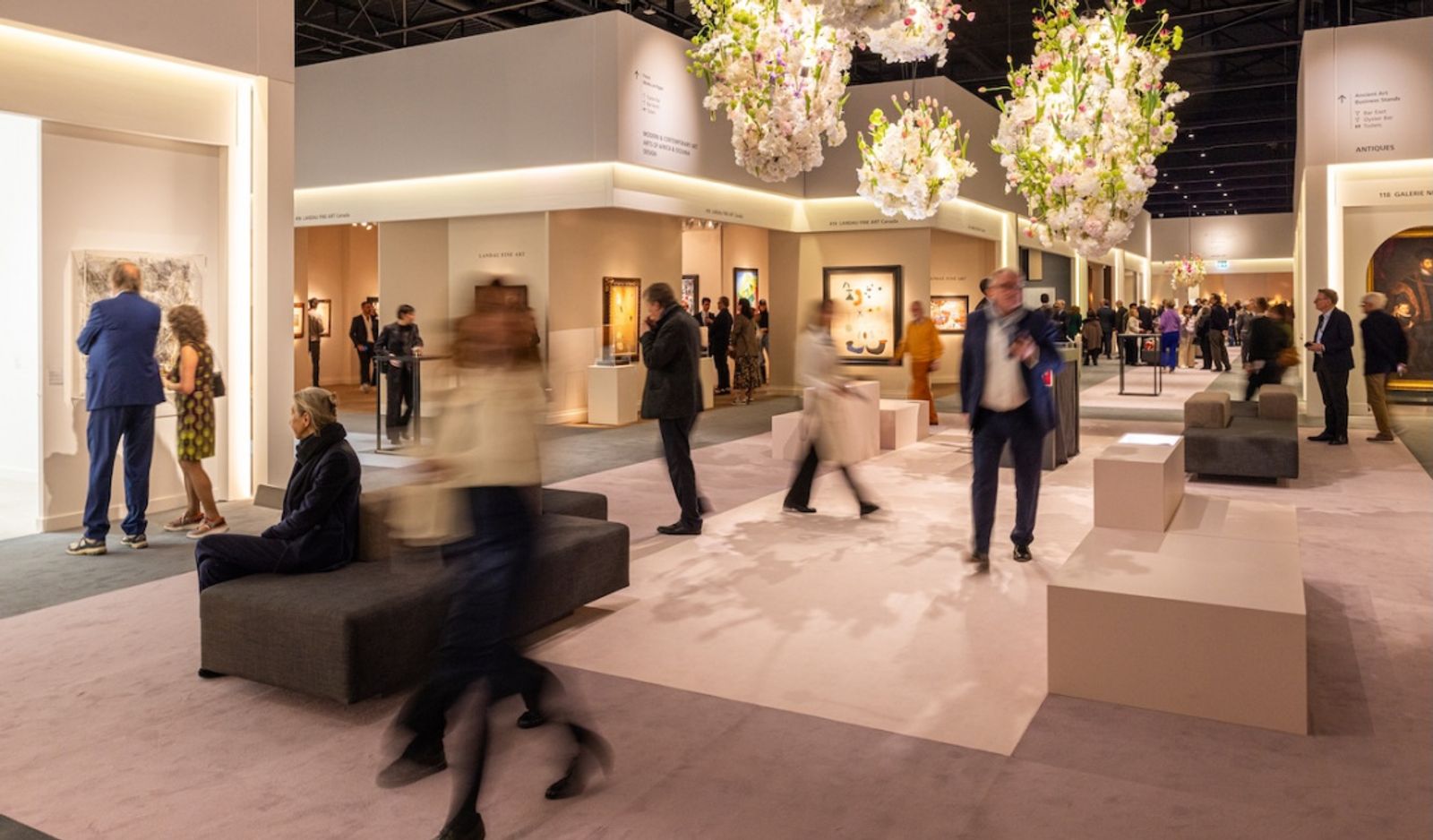
Frieze, 2024. Photography courtesy of Frieze.
“Many collectors have expressed boredom with art fairs, citing several factors – including a lack of meaningful art fair experiences.”
On the subject of discovery, art fairs provide audiences with the opportunity to encounter new galleries and artists that they might not otherwise visit. By bringing together a diverse range of exhibitors in a single space, this concentration of galleries encourages comparison and cross-discovery, allowing audiences to move between familiar institutions and engage with emerging galleries. The fast-paced nature of art fairs can encourage superficial viewing, with visitors encountering a large volume of work in a limited timeframe. But this raises questions about whether art fairs promote meaningful artistic exploration or are merely forms of cultural browsing. There are further challenges posed by collectors, including collectors attending fewer art fairs, or being less likely to travel compared to previous years. Many collectors have expressed boredom with art fairs, citing several factors – including a lack of meaningful art fair experiences. This creates pressure on art fairs to establish their own unique identities.
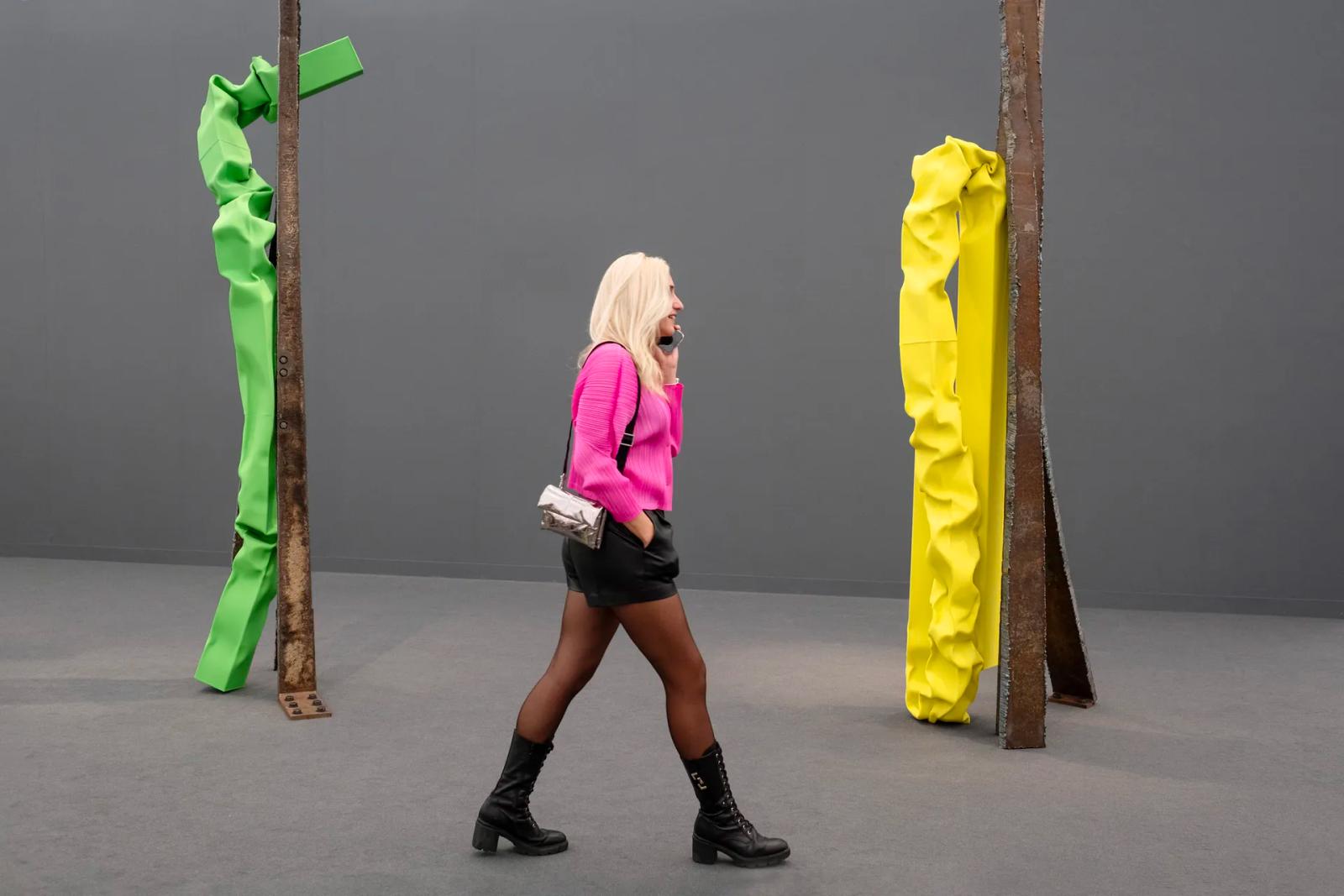
TEFAF, 2025. Photography courtesy of TEFAF.
Art fairs have also become increasingly dependent on corporate sponsorship to remain financially viable. While sponsorship can provide essential funding and help support art fair programming, it has also opened up questions as to who benefits most from this. Heavy reliance on sponsors may influence programming decisions, shaping exhibitions and events in a way that aligns with corporate priorities rather than artistic or curatorial goals. As a result, some art fairs risk becoming platforms for brand promotion which, can in turn affect the quality and focus of fair amenities, creating an experience that prioritises corporate presence over the needs of exhibitors and visitors. A recent case is one of Basel's boutique satellite fairs pausing their edition for this year due to the sudden withdrawal of a corporate sponsor. This development may reflect a broader shift in corporate sponsorship strategies, with partners choosing to focus on larger, more commercially established fair models. Consequently, smaller boutique fairs may find it increasingly difficult to secure financial support, raising questions about the long-term viability of alternative fair models.
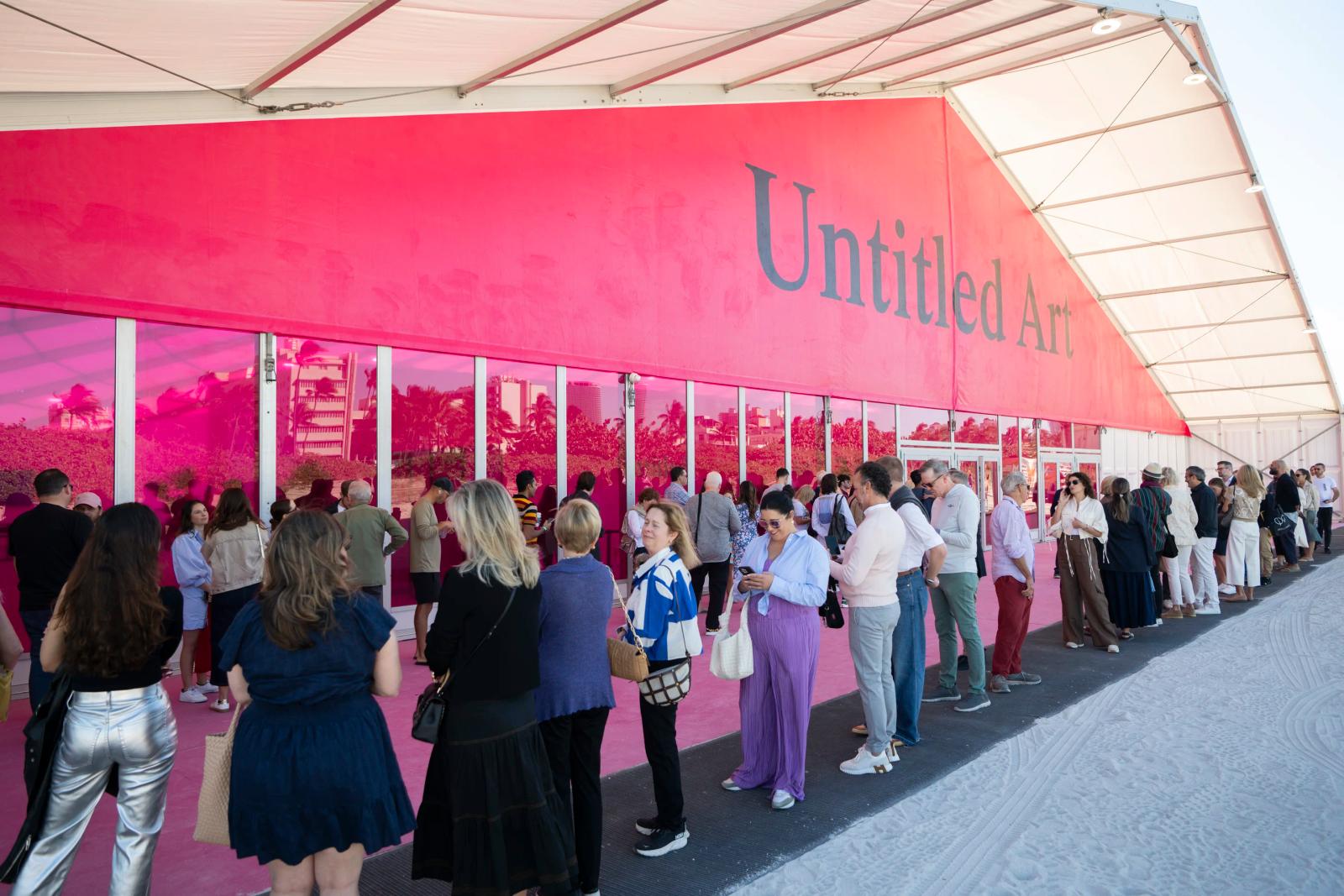
“At the end of the day, is the focus ever on the art?”
On a final note, art fairs still remain an essential part of the wider art ecosystem. Different forms of experimentation have allowed for a departure from traditional art fair models and further community engagement. The sense of belonging that comes about as a result of participating in art fairs both locally and globally, rather than settling for less, has appealed to collectors, founders, artists, and cultural operators. Whether traditional art fair models will continue to survive, or whether experimental and nomadic formats will eventually override what defines an art fair, remains unclear. At the end of the day, is the focus ever on the art?


Comments
Leave a comment