



“What have you done with your degree then?”
The walls of my grandad’s social club were closing in around me. I shifted in my seat and stuttered. How to tell his friend that university wasn’t the waste of time his manner and tone and words suggested? I could tell him that I had an agent, looked for a lost painting and had written an unpublished book about it, but that required too much explanation and repeatedly putting my head in my hands. I would have to cycle through my ambition and despair, the fact that art is long and that difficult things take time. I even considered telling him that, not long after I graduated, I worked for a gallery who wouldn’t pay me. That is what a degree can get you.
I got that job by walking around Mayfair and handing my CV into every commercial gallery I could find. The top-tier ones wanted nothing to do with me, to them I was nothing more than a street rat wearing shorts and trainers. After a few hours of this I became disconsolate. It was getting dark when I walked into an unknown gallery, gave my CV to a man and explained what I wanted to do. To my surprise, they said they’d be happy to take me on. But, they were clear to point out, they were “unable” to pay me. I weighed up my options. I’d spent the previous fourteen months applying to graduate arts jobs and had barely an interview, aside from humiliating myself in the offices of a financial journal. I jumped at the opportunity and started work the following week. A new man was born: Tom Glover, gallery intern.
“To my surprise, they said they’d be happy to take me on. But, they were clear to point out, they were “unable” to pay me.”
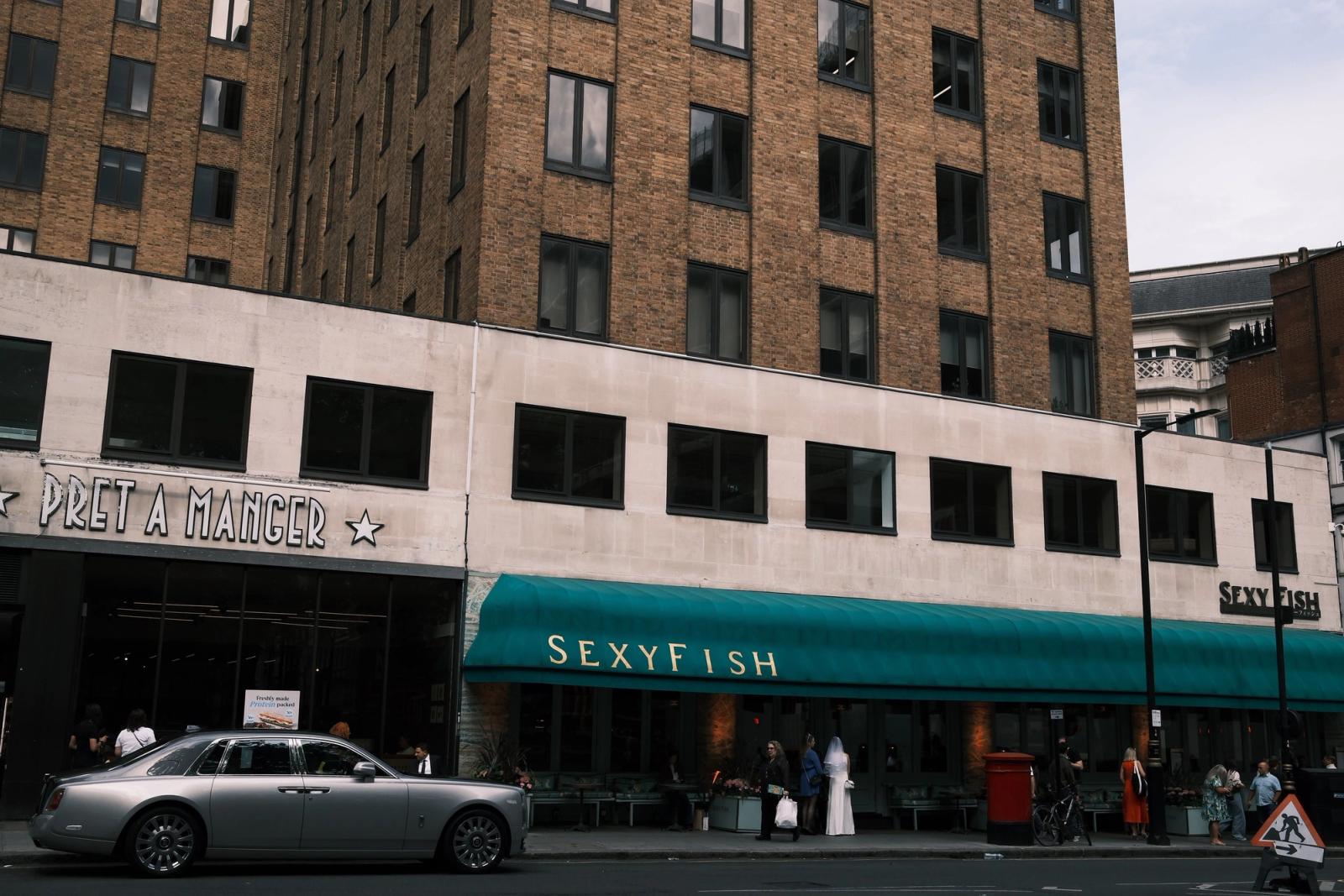
Pret A Manger and Sexy Fish, London.
Every weekday (and some Saturdays) for three months, I commuted past construction workers, expensive cars, auction houses, a Pret and an exclusive nightclub to get to my new place of work. The gallery looked as they all do (white walls, concrete floors, offices behind the walls) and I was to spend the majority of time sitting at the front desk looking dour. It might be safe to assume that all young people you see at those desks aren’t getting paid. I spoke to a few ex-interns for this piece, who told me they took the job because they were eager to gain connections and start working in the art world, and swallowed their unwagedness because there was no other choice.
I wasn’t sure what space my gallery occupied. It wasn’t a blue chip gallery representing the biggest artists in London, nor was it one of those shiny places selling Bob Dylan paintings. It was somewhere in-between, which meant the art inside was a strange, off-brand version of contemporary art. The office was dominated by a hideous wall-sized painting of three bald people in chef whites, entirely greyscale save for their outsized smiling red lips. At the same time, a painting of uncertain origin by an early 20th Century master hung near the sofas. There were rumours that it was a fake. On the database I saw it listed for ten million pounds. Were they sure they couldn’t pay me?
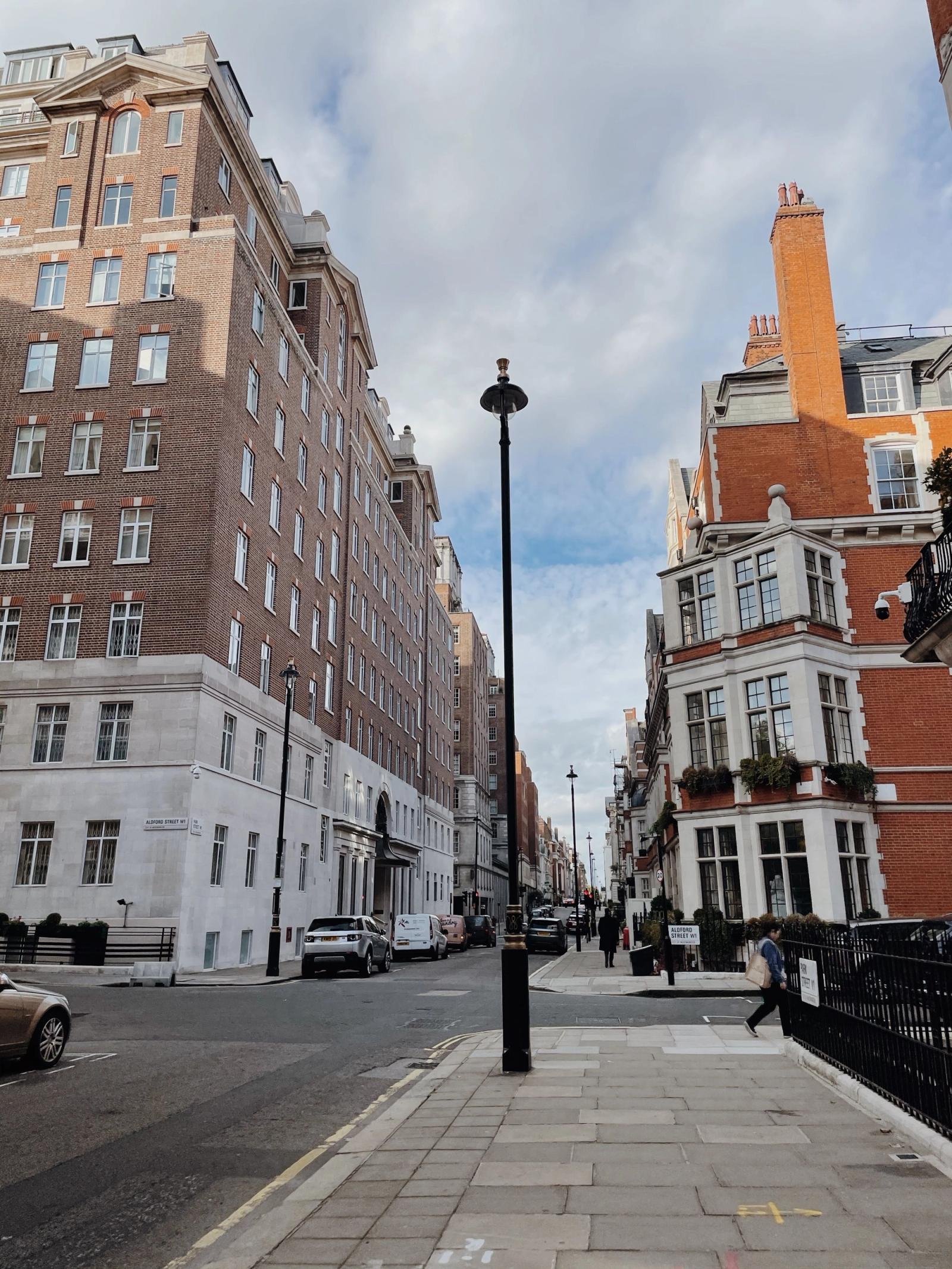
Mayfair, London.
Work began immediately. From his office, the owner would shout my name and I’d trudge in and receive a task. Those tasks ranged from making coffees and updating their various databases to writing wall text for exhibitions, applications for art fairs, press releases, artist CVs, biographies, website text, articles and catalogue essays. One week, I was asked if I could send catalogues to their client list. This meant coordinating, packaging, organising payment for, carrying and sending off nearly 300 exhibition catalogues to houses around the world. This was eerily similar to what an ex-intern told me about working for an art magazine, being casually asked to prepare and ship 50 personalised magazines and reorganise a thousand-book bookshelf, egregious even though she was being paid. After a couple of weeks, a gallery employee came out to tell me that I had passed my probation. I smiled and thanked her.

Gallery Interior.
Throughout those three months, I oscillated between gratefulness and all-consuming bitterness. I was grateful for what the opportunity could offer me. I wanted to be close to where value was decided, to witness first-hand the nerve centre of the art world. A commercial gallery represents the way most professional fine artists make money, by putting on exhibitions and handling the sale of their artworks. They offer the artist an opportunity to be written about, sought after, bought, and respected. They provide the platform for their artworks to become valuable. At my gallery, I watched an unknown artist take part in an open-call group show, get signed, and sell out his first solo show. Within months he was making a comfortable living from his art.
But, with every passing day, I grew to hate the gallery for the work they made me do. I had to keep reminding myself that I signed up for it. No-one forced me to work there. It was a privilege to be able to do that. I lived at my parents’ house and didn’t pay rent. I knew - or hoped - that something would happen in the internship that propelled me towards the career I wanted to have. But there are levels to privilege. Another intern there lived in a hotel in Sloane Square, with personal Damian Hirsts on her suite’s walls. She’d go out to the nearby exclusive club (which had a small Picasso portrait hanging behind the front desk), talk to rich guys there and convince them to come into the gallery and buy a painting or two. That stuff floods the art world. An ex-intern told me that they worked with an intern who was the son of the owner’s friend, and he was allowed to schmooze at private views while she sold catalogues in a back room. Be it through money or family connections, these people are born into situations where they can take opportunities and get ahead. They will determine what is and isn’t valuable.
“Another intern there lived in a hotel in Sloane Square, with personal Damian Hirsts on her suite’s walls.”
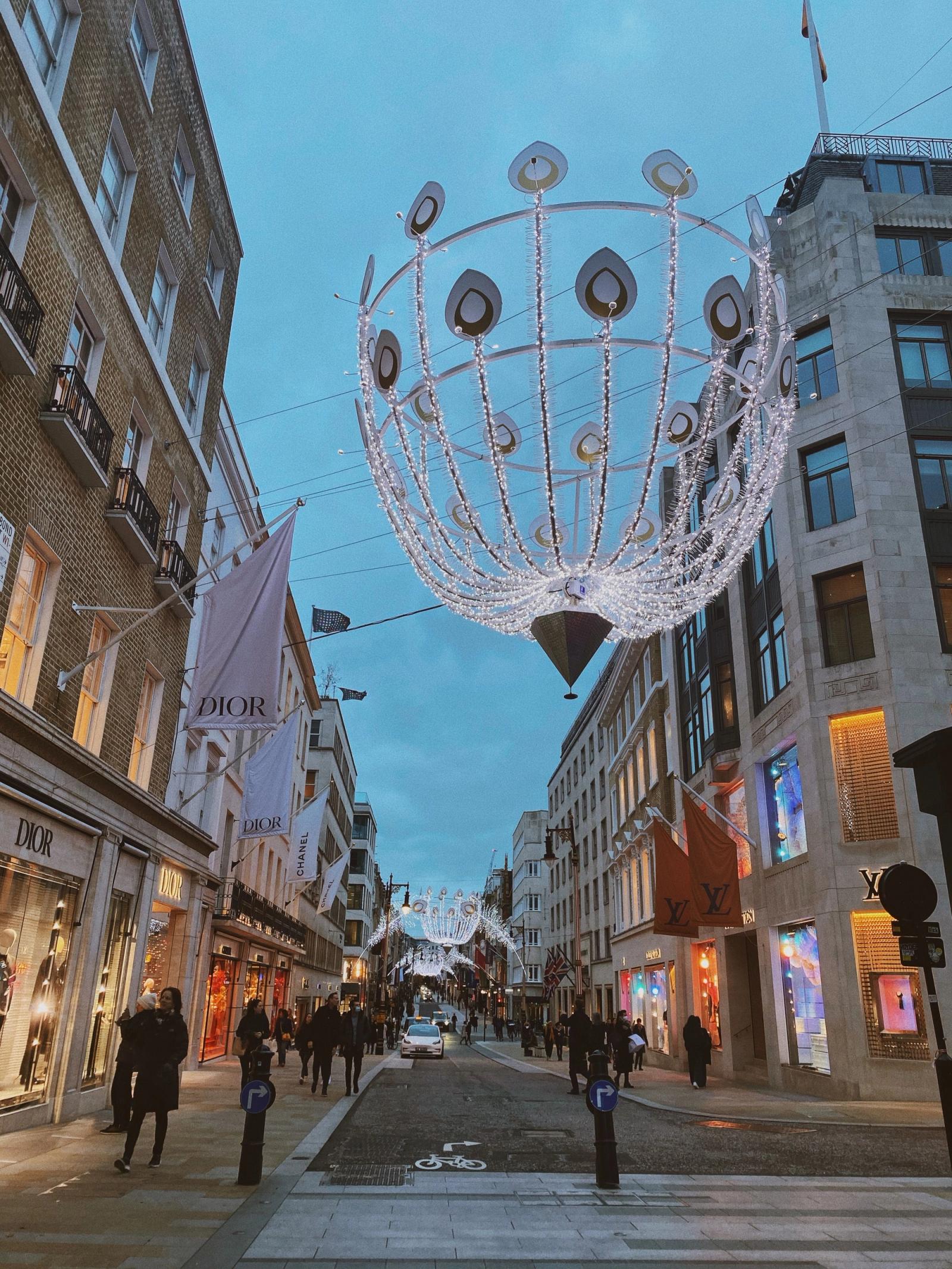
Bond Street, London.
After my internship had finished, one of the gallery directors called me and said that they were so impressed with my work as an intern that they were willing to offer me the role of Head Intern, on a voluntary basis. King of the Interns. I declined their offer and hung up the phone.



Comments
Leave a comment