

BB: You have argued that authenticity matters more than moulding your practice to the market. Do you think maintaining that position becomes more difficult as opportunities, and expectations, increase?
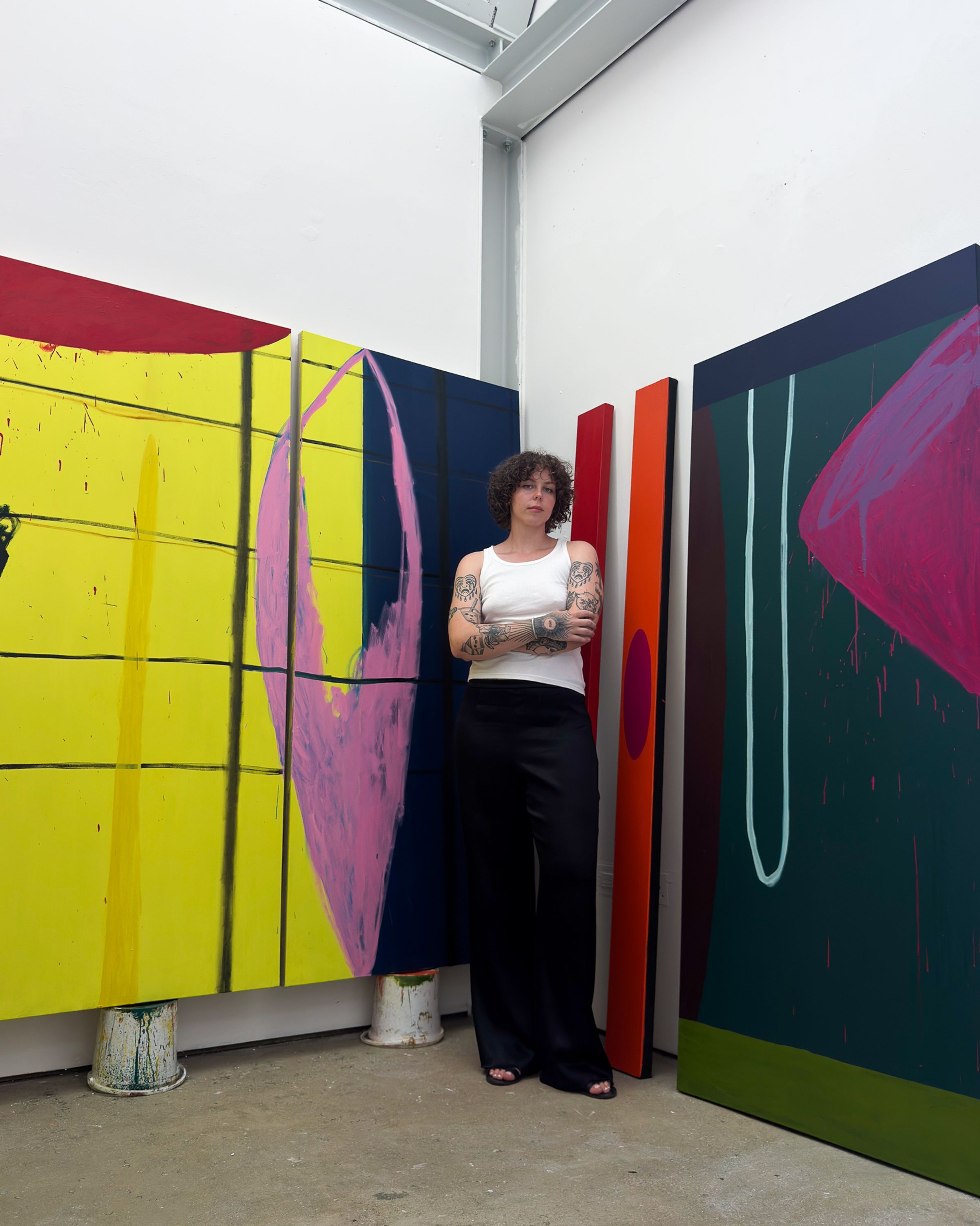
AL: I think it really depends on the amount of experimental freedom involved in your practice and how authentic that is to you. I think it’s hard to maintain a level of experimentation when there are certain expectations of your style as an artist. I mean how many times have you had a conversation with someone and heard “yeah but I really liked your old work,” or “I really liked what you were doing before.” To a degree most artists have to make a shift of something at some point that feels the most true to themselves, even if it means leaving something behind. What I’ve thought about in my practice is starting to create a wide enough “sandbox,” to play in. I’ve tried to anticipate things I’m interested in and start to hint at avenues within my practice like photography and sculpture so it’s not a massive shift later on. Everything really feeds into each other but the level of execution and your own energy makes it authentic. You hope the market responds to this, and then you keep going. Easier said, I think, than done. The dream is to create the most authentic art to yourself and have the market, or really people, respond in turn.
BB: You end your brave diary; “What is a Studio Visit actually for?” by suggesting that what ultimately sustains the art world isn't simply commerce but relationships, understanding, and respect. Do you think the contemporary art world has become good at building networks but not necessarily relationships?
AL: As someone who is still emerging it’s hard for me to get a good grasp on the answer to this question, because truthfully I haven’t had years of conversation to get a definitive answer. I think from where I stand right now there are plenty of networks to get plugged into. In this way, yes, the art world has made it easier to get involved on a variety of levels, whether through “pay to play,” or networking, studio community, etc. What I think I mean by the relational aspect is just that. It’s a human connection that adds to the commercial aspect we are all involved in. From what I’ve experienced, what defines this is interest, passion, and a little joy? It’s the difference between someone who does their job versus someone who loves their job. You can usually feel the difference. I think at the end of the day I really enjoy working with people who are passionate about art and artists and the job of the dealer comes secondary. I think I say this though, because that’s how I have to treat my own art, passionate about what I want to express and then the “selling,” aspect has to come secondary.
BB: In your diary, you describe feeling less like an artist than "a shop or a stall" during open studios. It struck me that your criticism of the experience wasn't simply about commerce, but about the absence of genuine connection. Do you think artists can begin to internalise those transactional ways of being seen?
AL: Absolutely. I think that is a broader topic of what most of us want to experience during this lifetime, a sense of genuine connection. As an artist you want to create art because it’s something that you’re deeply passionate about and that you love. Even after making a point to disengage yourself from your own art it can be hard not to internalize the responses you get. I think it can be difficult to walk the line of being both a person and somewhat of a product. I do think about it in terms of my time at the hospital where I would be taking care of patients and a lot of times I would approach these relational dynamics as “this is a weird situation but we’re in it together.” I’m trying to approach the art world, and life, with a similar mindset. A bit of finding joy in the absurdity.
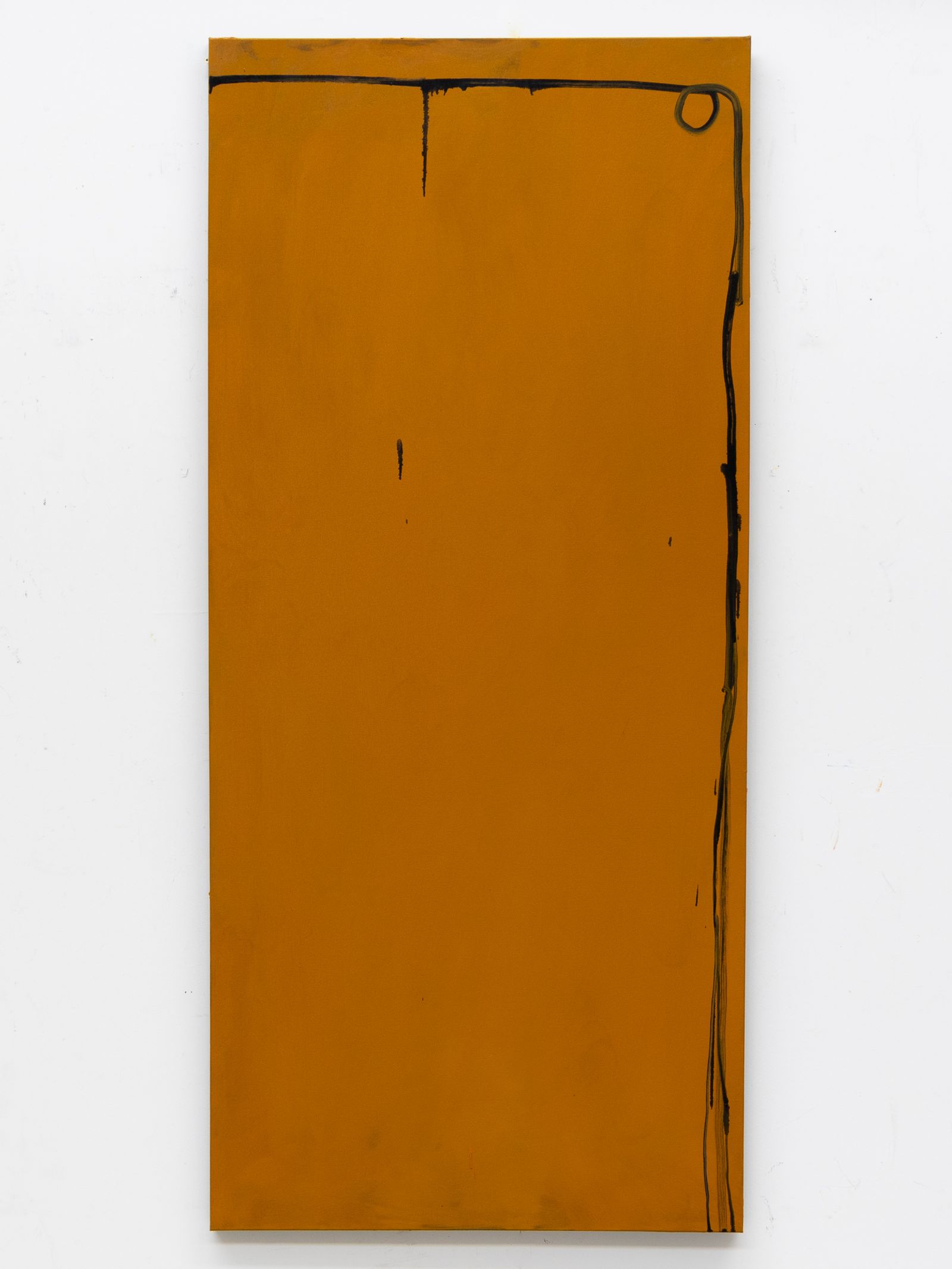
BB: You have written about care rather than expression. Do you think painting can be an act of care in itself?
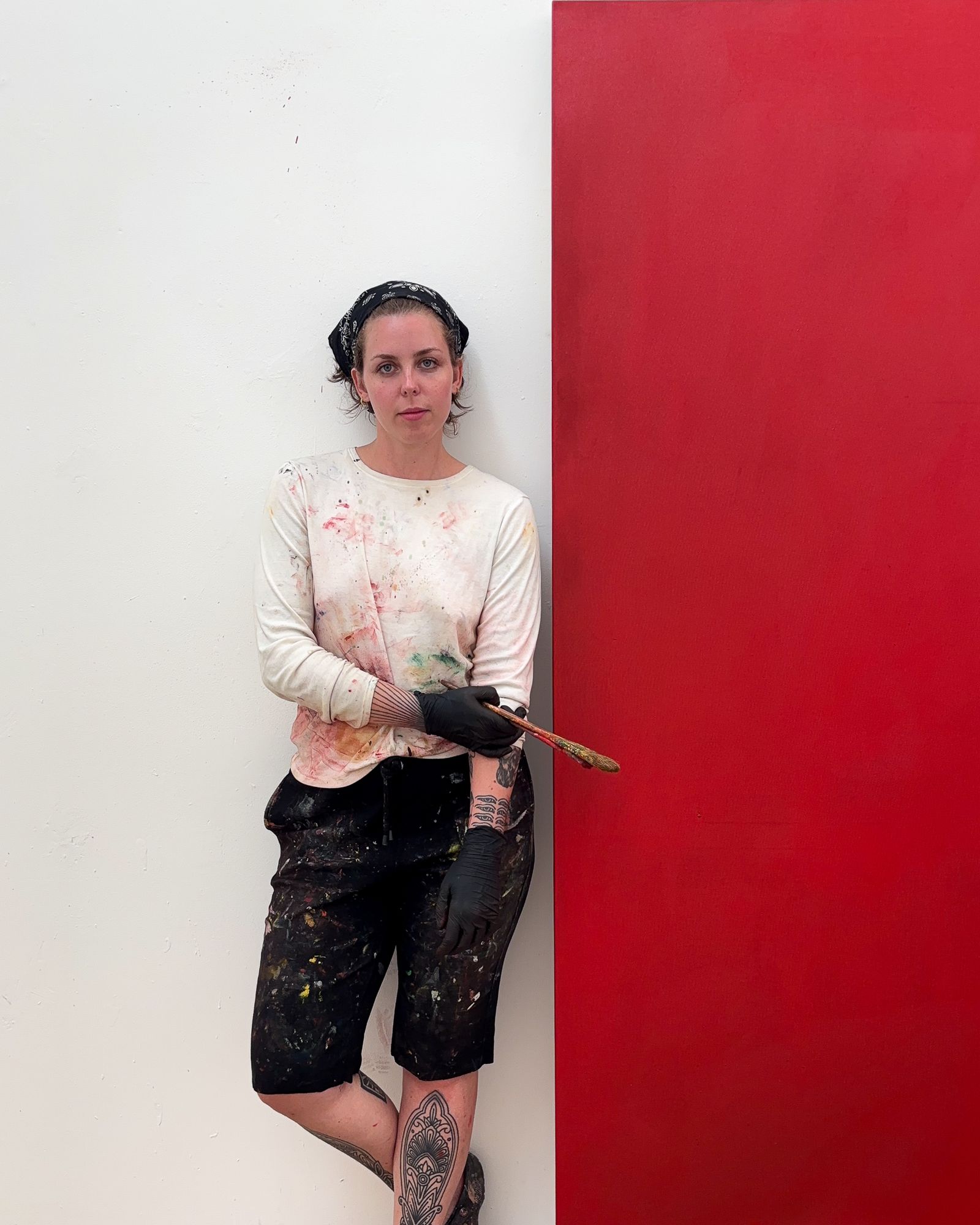
AL: I find care to be an important concept and discipline in my own practice. In the act of care there is intention, management, and paying attention to details. Care is specific and different for each person, at least from the years that I have clinically practiced it. Painting, for me, is similar, it is a stack of very particular decisions, in order to create a work, which translate very much like acts of care. Each, unique, and mindful to each project. As far as authenticity goes in living the life you want to live, there is an act of caring for oneself through the act of creating, as well as caring for the works being made. Care is necessary in all forms of art and is a cycle that constantly feeds into itself.
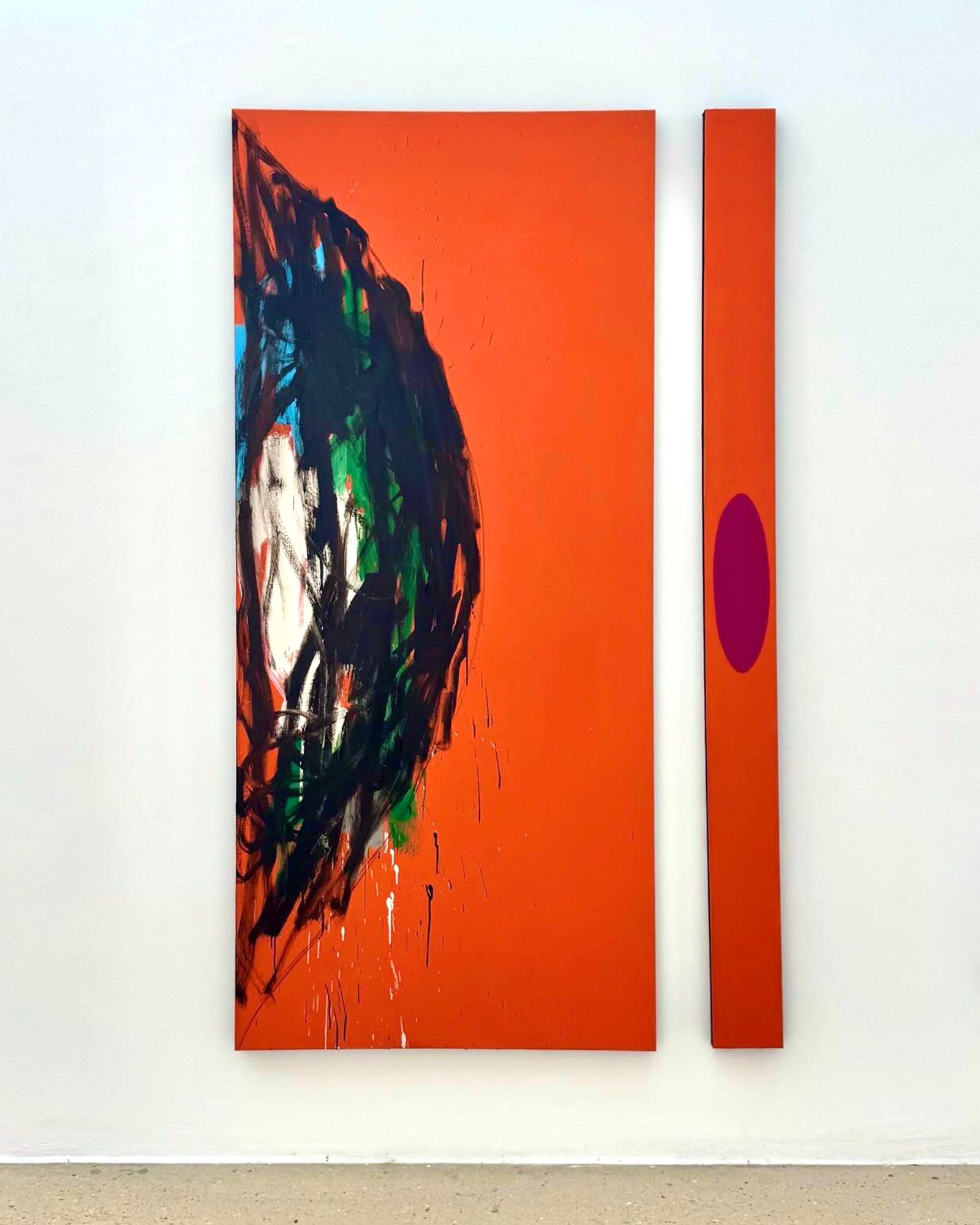
BB: Your paintings aren't abstract in the sense of moving away from the world, they seem to begin with very specific experiences and translate them into another visual language. What does abstraction allow you to say that observation alone can't?
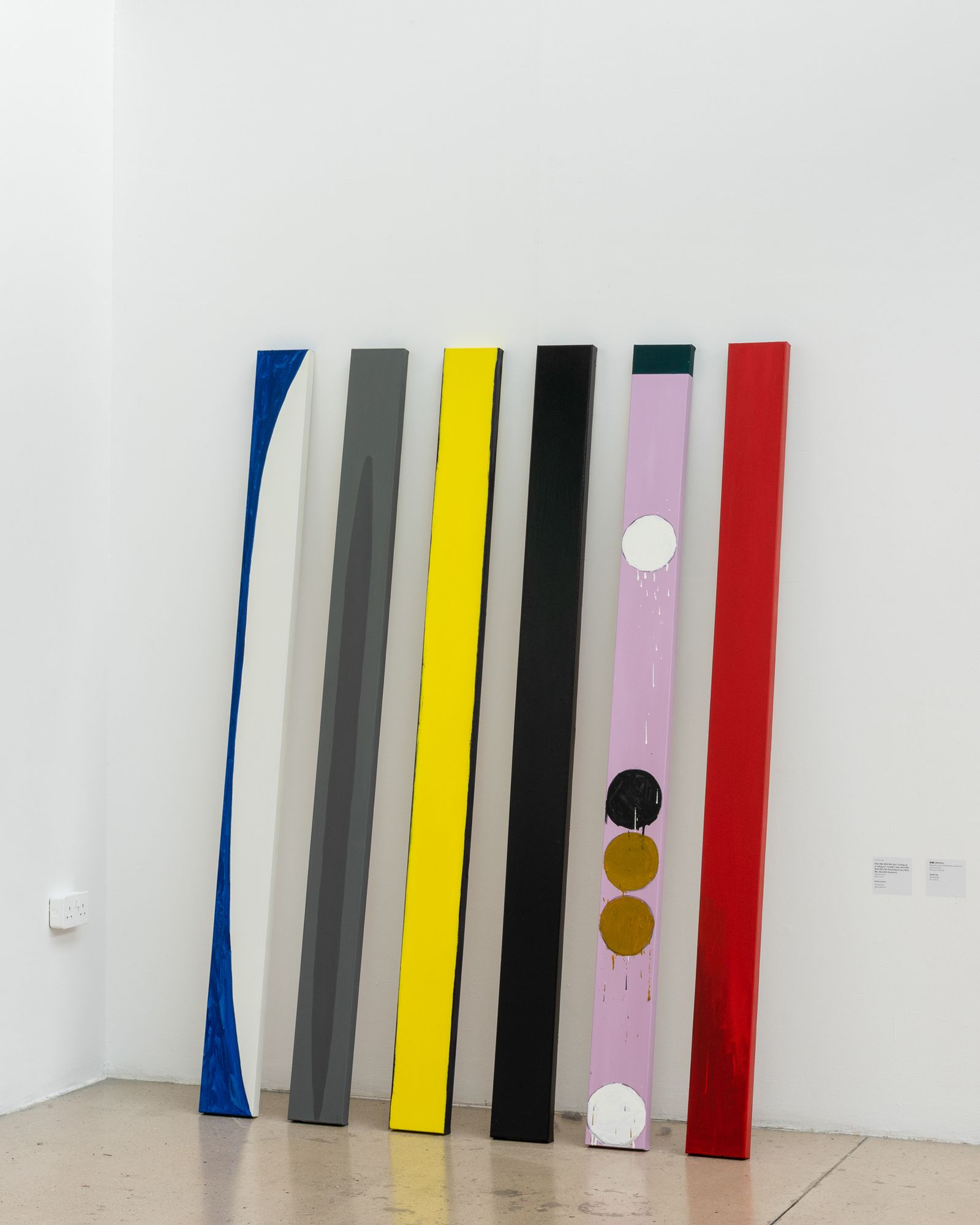
AL: Isn’t this the question of abstraction really? I think in a lot of mediums we are limited in what we can express, just because we don’t have the words or “things,” to describe something. I think music and art oftentimes transcend this limitation, getting us closer to those indescribable experiences. I’ve never really been drawn to trying figuration or “reality,” based imagery, and when I have it doesn’t feel the same both for me personally making, but the results as well. I don’t usually approach my work with a specific “need,” meaning I don’t have a clear experience or thought for exactly what the painting needs to say before I work on it. However, during the work there is a certain clarity that begins to happen both on an internal personal level and what the painting may be translating into. The process of abstraction is very much like walking into a dark room and feeling for a light switch. This process may sound weird, but for me is not something I have to really work for, so it feels quite natural. In a way abstraction allows me to be myself and express how life feels to me, in a way observation really can’t.
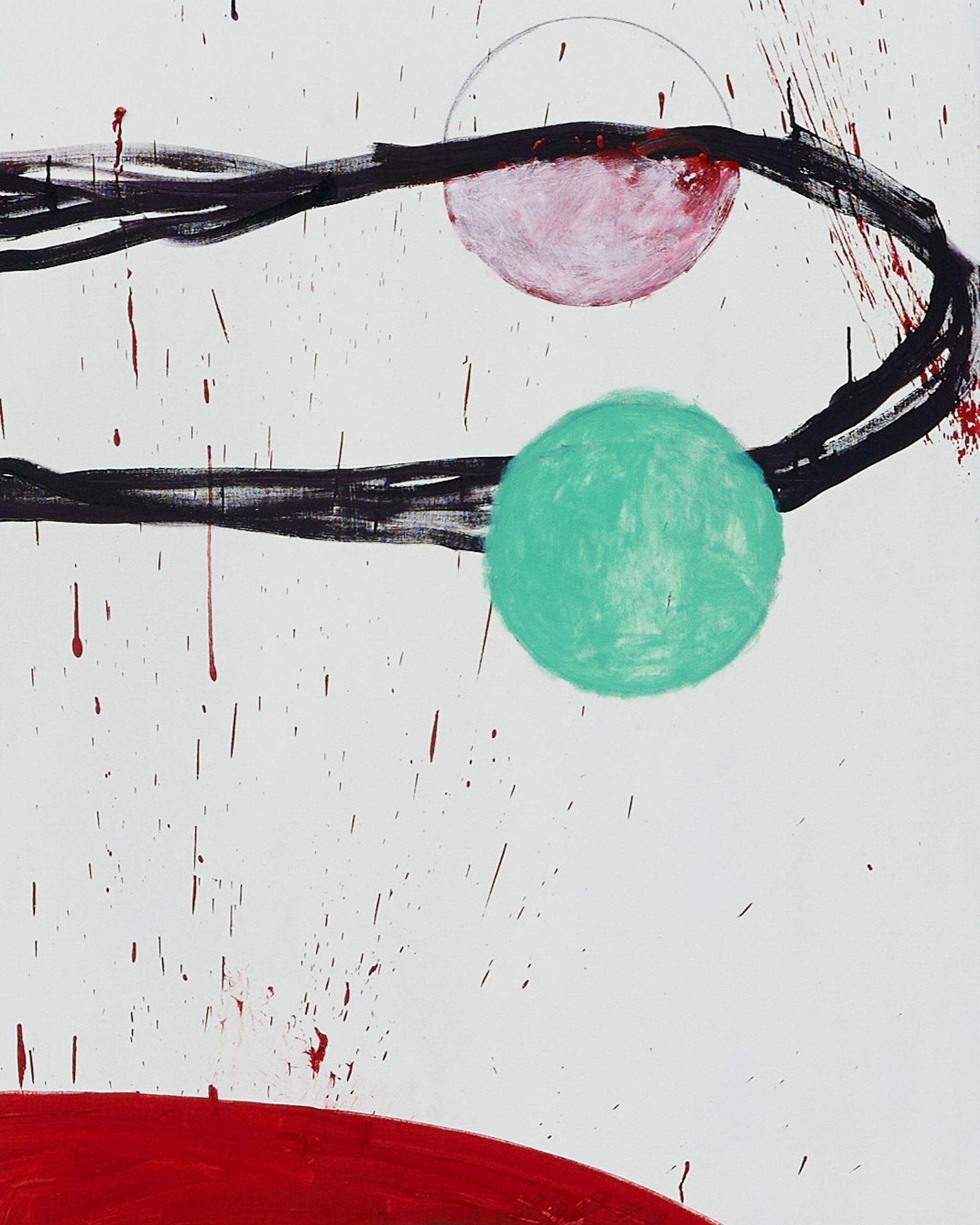
BB: You describe a point where a painting becomes "an entity of its own." I'm curious what that change actually means to you. Is there a point where the painting stops feeling entirely ‘yours’ and more like something you’re responding to?
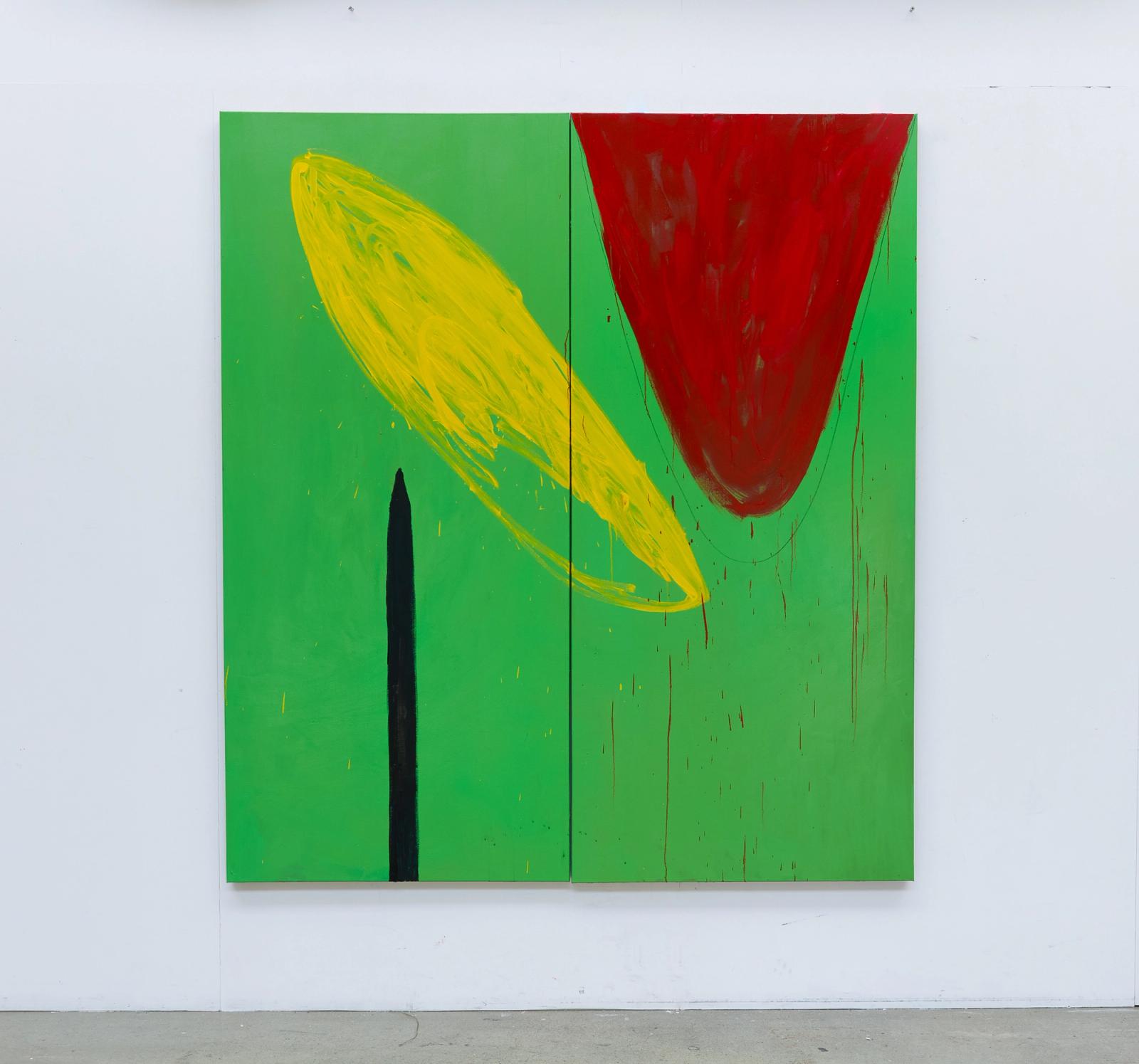
AL: This for me is the lifelong question of “how do you know when a painting is done?” I think during the process of creating there is a building towards something, as marks are made, changed, shaped, etc. The work becoming its own entity is usually the point where I’m close to resolving the work. Rather than having to respond, fix, or change anything there is a point of acceptance and solidification that the work feels like it can speak for itself. Or that it becomes an “it.” It’s a certain energy shift that is hard to explain but it feels close to contentment. A single note played on a piano would be a good description as well. The works no longer become about myself but become almost like looking at another person, you have no choice but to accept all the details of them, in this way they become a thing, an entity, something that exists.

Comments
Leave a comment