
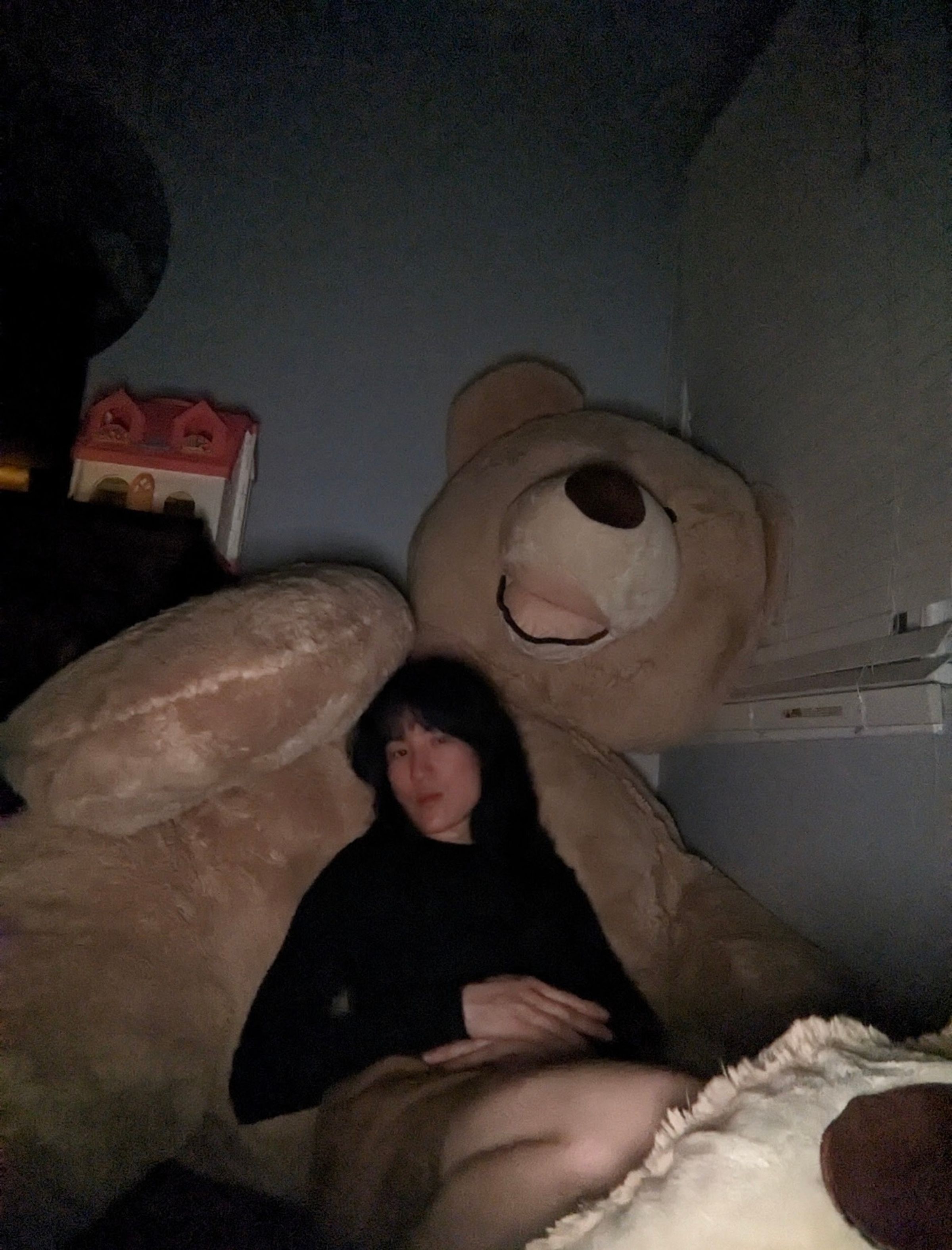
KW: You move fluidly between roles: artist, gallerist, personal trainer. How do these varied practices inform one another?
BP: My artistic practice is about mirroring or staging practices and operations across the art world and adjacent systems; it is about relationships and economics. It is deeply enmeshed with the gallery, so that any move I make as an artist inextricably supports or reassigns attention to the gallery, our projects, and the artists we work with.
We often work with artists who also wear many hats. They self-organize and start their own galleries, bars, bands, and theatres, usually with a cast of their friends. We are a symbiotic network.
Being a personal trainer is conceptually separate. But I care for my gym members like I care for my artists: provide guidance and a platform for them to find their strongest expression.
In many ways, the gallery and the gym occupy opposite poles (yin, yang)—but they share the same desire: to transcend limits and to invite transformation. Both are spaces of simulation. Art is artificial, not real life. The gym, similarly, provides a simulated environment to compensate for our bodies not moving as we evolved to.
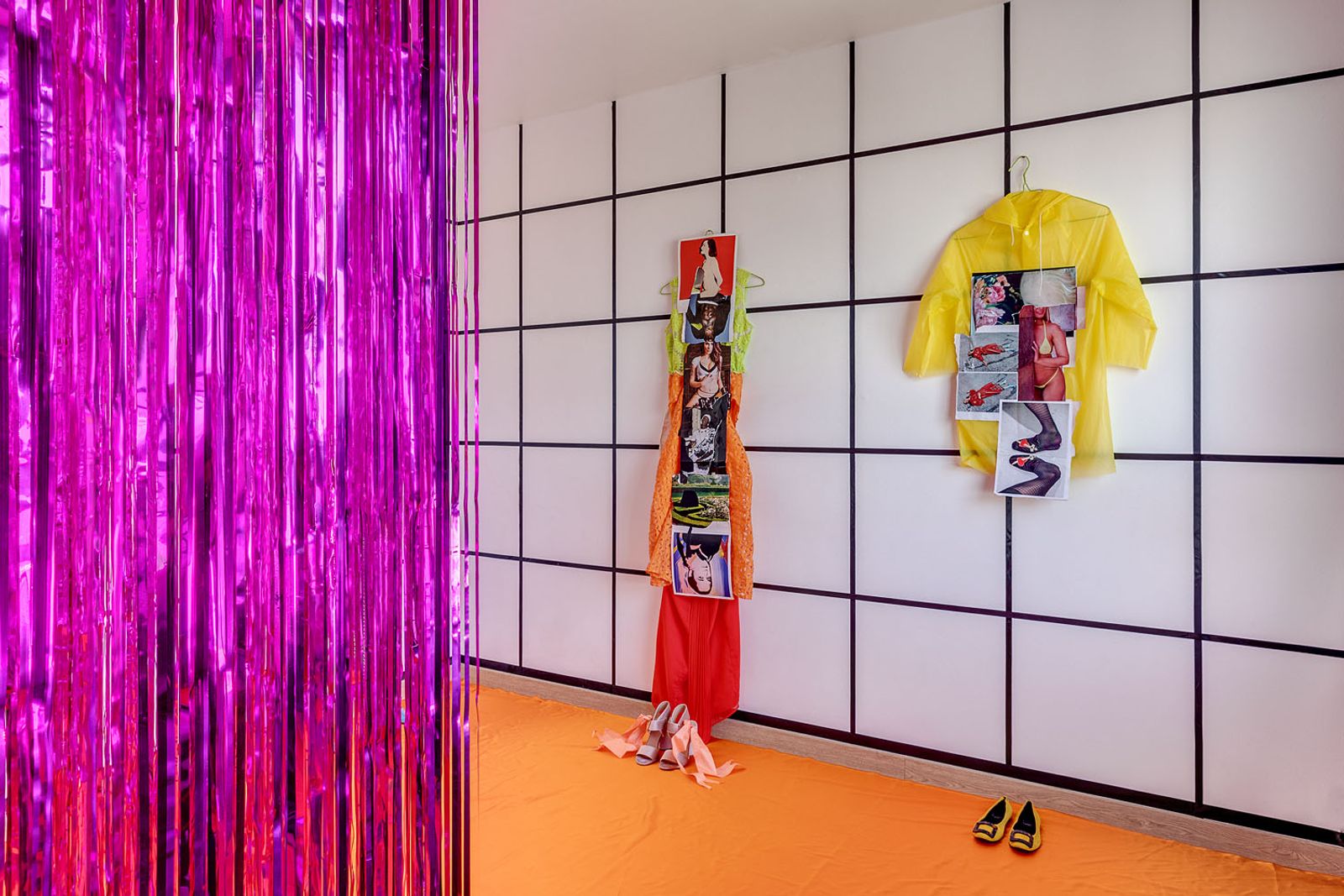
KW: You founded Conditions in your Paris apartment in 2017, framing the gallery around the idea of making visible the conditions that allow art to exist. What were the specific conditions that led you to begin the project at that moment?
BP: In 2017, I co-founded the gallery with Nathaniel Monjaret. Nath co-ran an artist-run space in Geneva called Marbriers 4. I had just finished art school in Frankfurt. Together we moved to Paris, which organically fused our respective networks: artists he’d worked with at Marbriers 4, and artists I’d studied or crossed paths with in Frankfurt or Toronto.
The gallery opened as Bonny Poon. From the get-go, we played with the ambiguous interchangeability of the artist Bonny Poon and the gallery Bonny Poon. The idea of an autofiction allowed us to treat the gallery as a subject, framing—and performing—the conditions that grant it legibility and legitimacy.
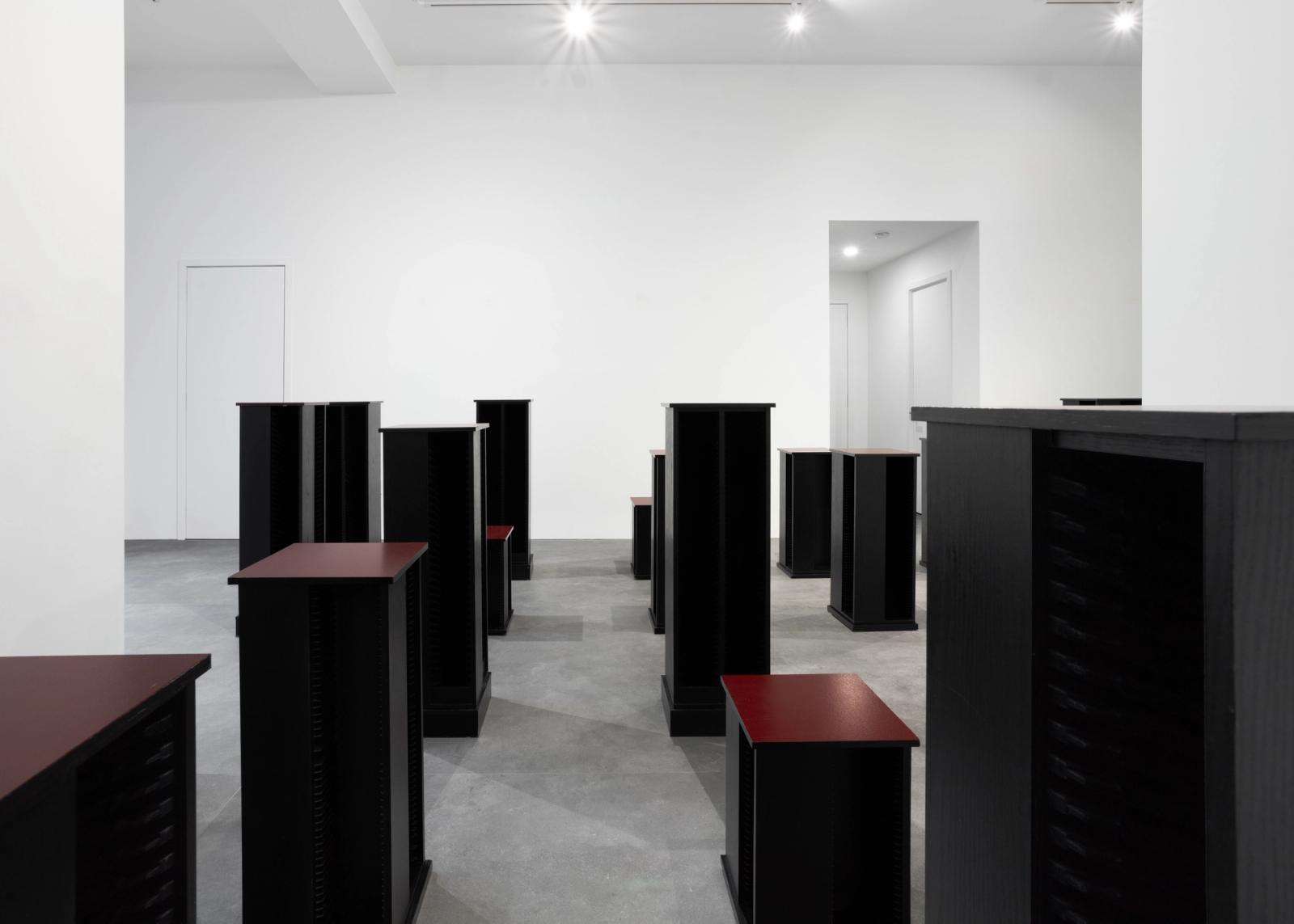
KW: Now almost ten years later and after taking a three-year hiatus from the art world, you chose to restart Conditions out of your apartment in Toronto's Chinatown. What prompted this reboot and have these conditions shifted?
BP: After reopening in Toronto—under my sole direction—I added the suffix: the slash and the word Conditions. As a name, Conditions marks a temporal and geographic break from our Paris origins.
The conditions are always shifting. What remains the same: the hope to support critical and transgressive artistic positions, the desire to make and challenge history, the dream of community. Crazy good exhibitions. They are installed in my home because to live with great art is to die happy.
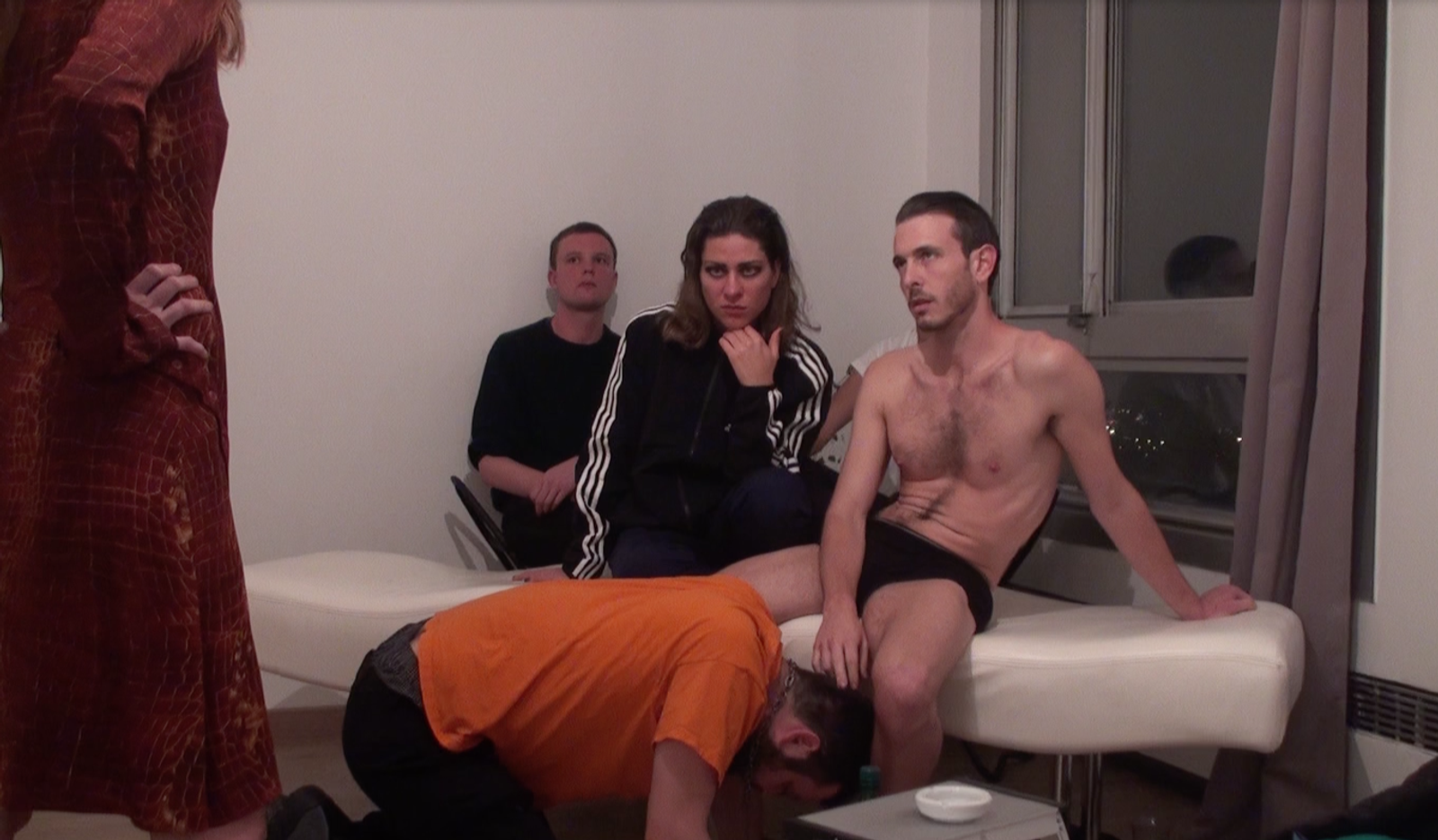
KW: What are the most persistent challenges you encounter in your work? And the most exciting?
BP: The challenges are endless. The most persistent is sustaining a gallery with limited resources while trying to build and maintain a genuinely curious collector base. The most exciting part is collaborating with artists on risky or uncertain ideas, and finding ways to place their works into contexts where they can continue to live, provoke, and shift meaning.
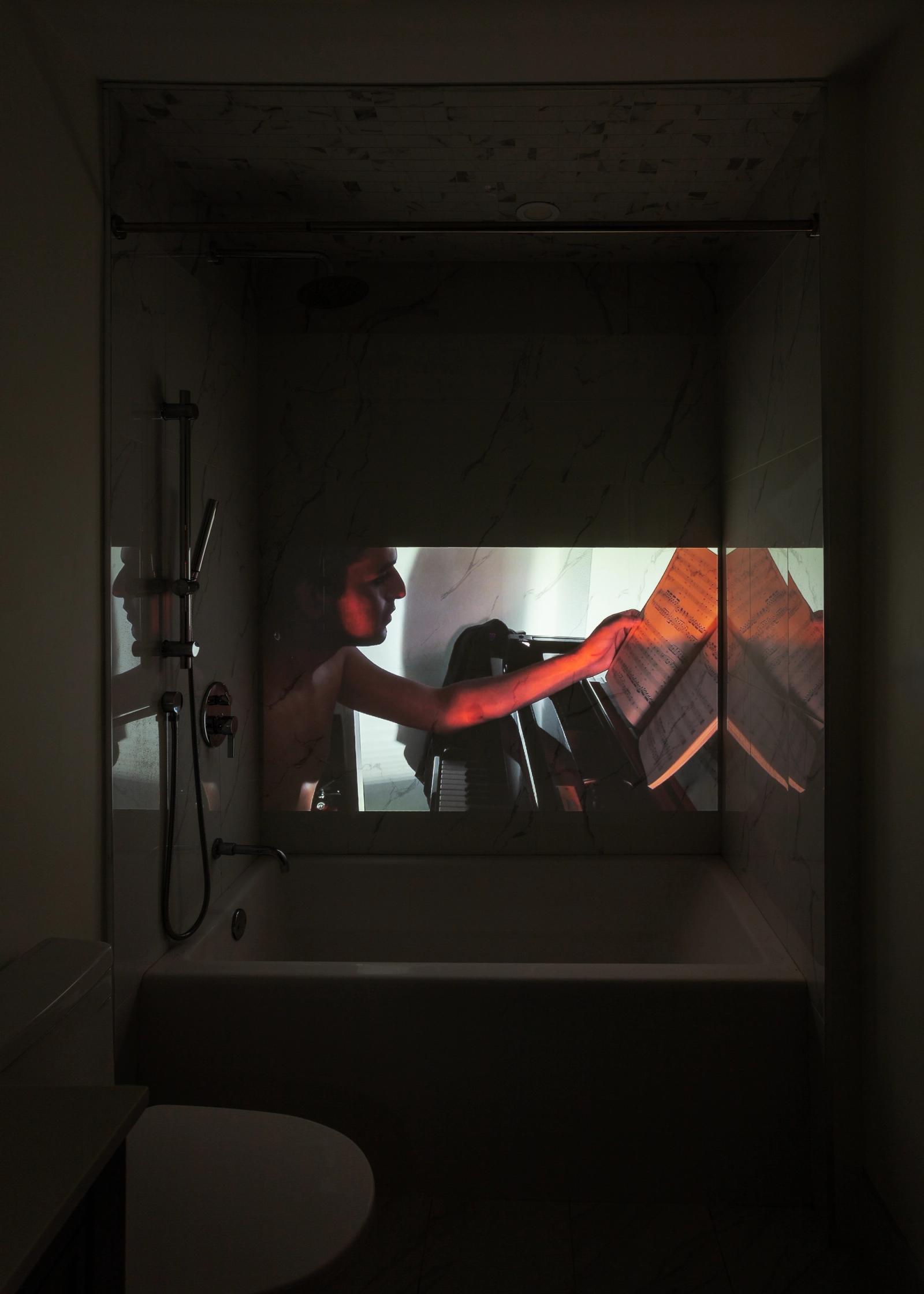
KW: What does non-conformity make possible in your practice?
BP: What does non-conformity make possible? Everything! No? The ability to make a feature length film with a budget of $0. The determination to say yes to your ideas and follow them through without institutions and infrastructure. To utilize your network to realize these ideas in place of institutional permission structures.
Comments
Leave a comment