

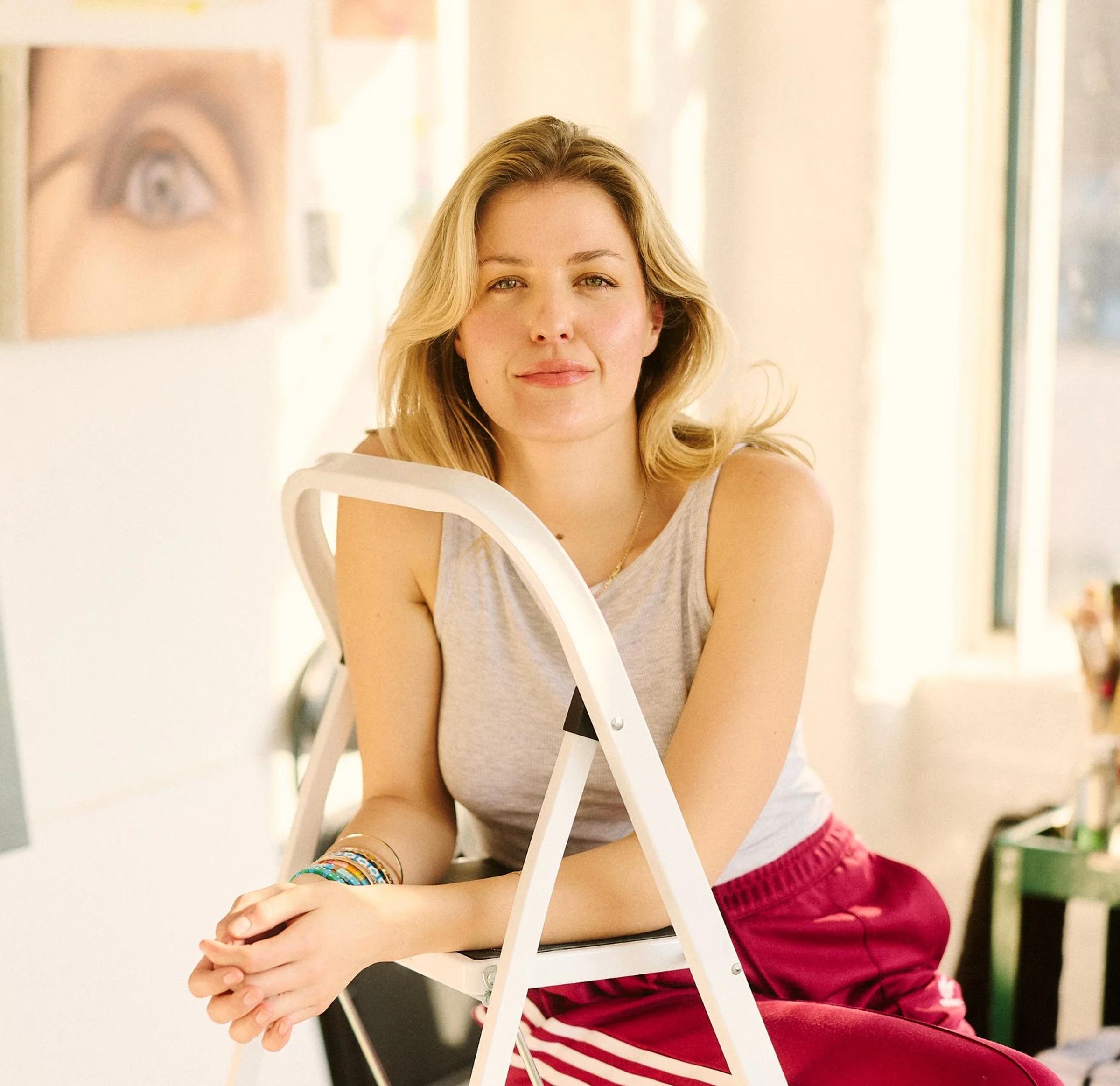
bP: Hi Lucy! What were your key insights you gained during your MFA at Goldsmiths and in what ways has the experience shaped your practice?
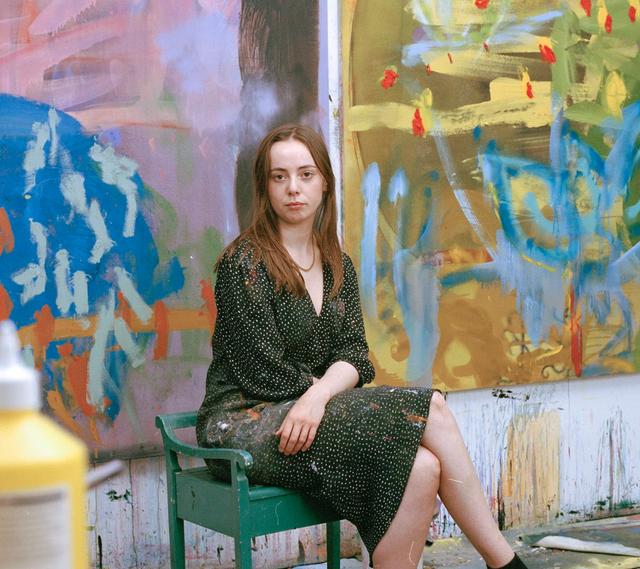
LR: I pivoted out of a corporate career just prior to pursuing my MFA, so it was a huge shift. Ultimately, Goldsmiths gave me time and space. Firstly to figure out what kind of artist I wanted to be, which for me, required a disciplined studio practice. Being a painter means spending most of your time alone, and initially, I felt a lot of resistance to that. But I had time to grind against and get to grips with that feeling. It's still there, but I've had just enough painting days to know that magic happens when you're in the studio. True to its reputation, Goldsmiths pushed me to think critically about the discourse surrounding my work, and to probe that through reading widely and voraciously. It remains part and parcel of my practice, and it's the first thing I do when I get into the studio each morning.
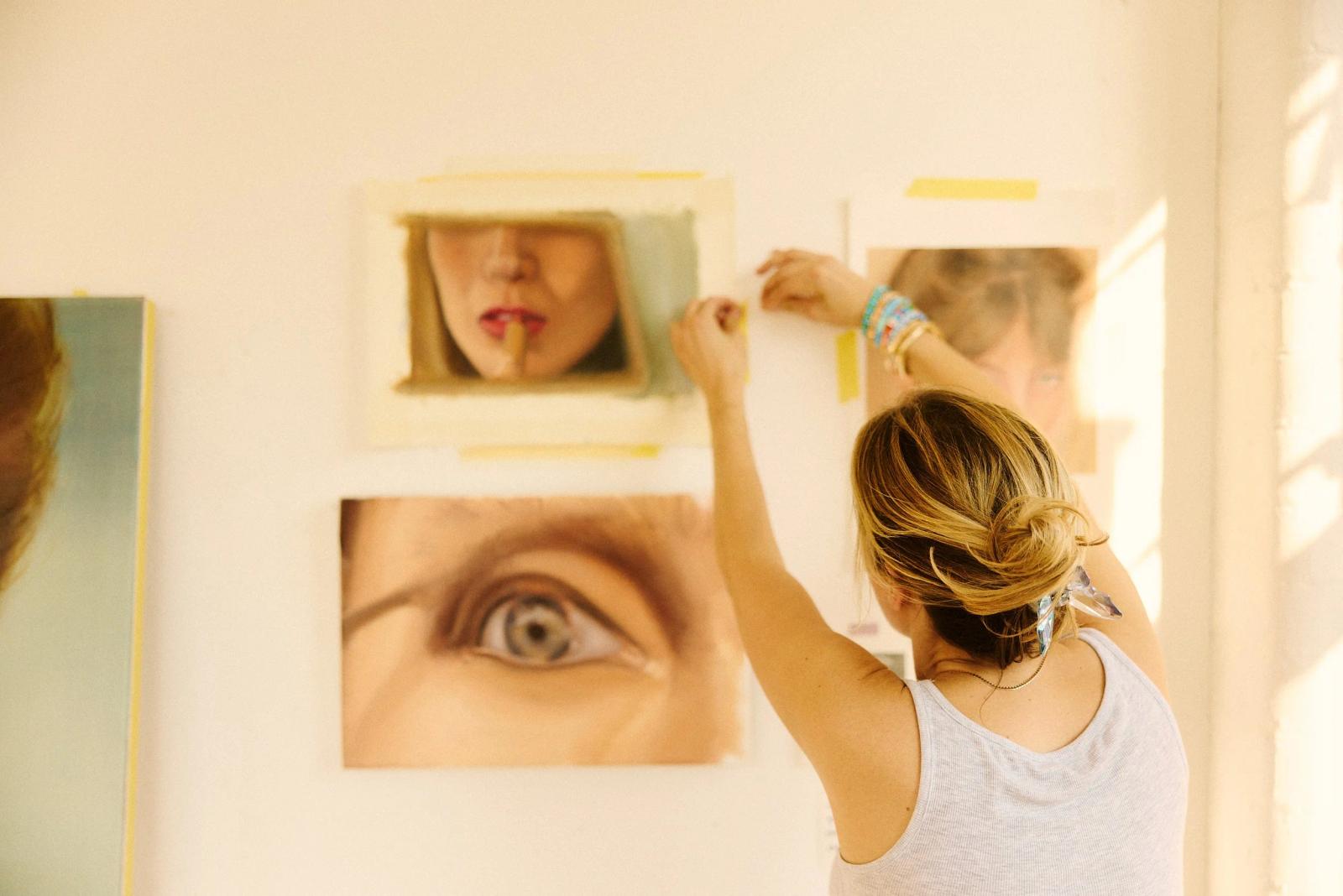
bP: Having grown up in South Africa, recently graduated from Goldsmiths, and now undertaken a residency with PM/AM in London, to what extent has London's cultural environment informed or shaped your work?
LR: My practice is deeply rooted in popular culture - more specifically, in girl culture. I'm a very visual person - my background is in photography and fashion - so I love the nowness and visual overload of London. My practice is incubated in so many ways; talks, gigs, screenings, and day-to-day people-watching. I often feel inspired by girls on the tube - being whimsical, gorgeous, and cool - and it makes me want to get in the studio and capture that feeling and that femininity. It's priceless to page through a book in my studio and then be able to see that painting in the flesh later that day. When I'm struggling with form, a visit to the National Portrait Gallery slows everything down and helps me problem-solve. I've also been fortunate to visit many London-based artists in their studios. I always feel energised afterwards because it shows what's possible, and community is so important.
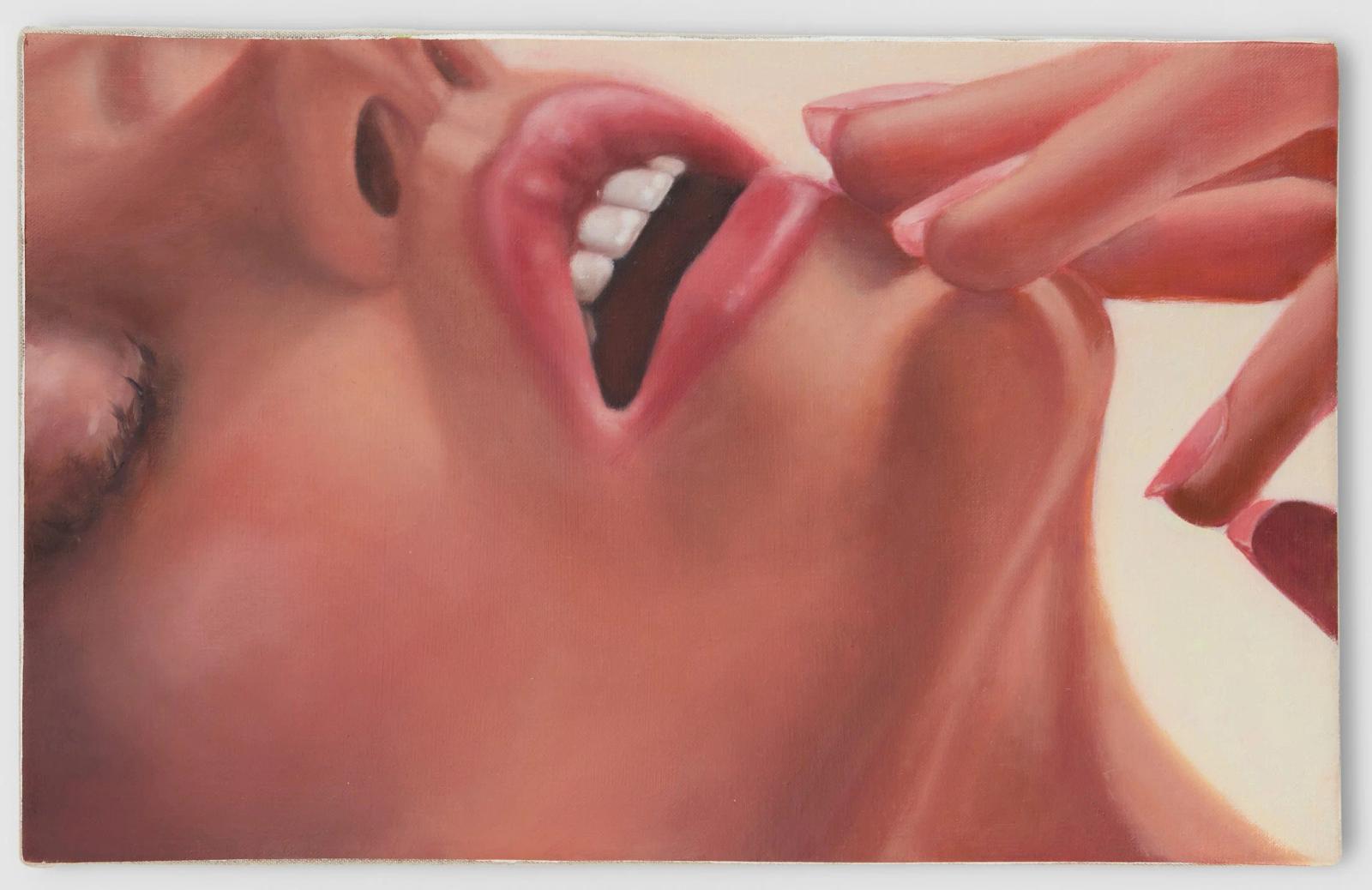
bP: Your Goldsmiths graduation show was especially strong, for those who didn't see it could you please walk us through the concept of that body of work?
LR: My grad show was titled Far from Heaven, and it was about the highs and lows of romantic love. My work is autobiographical, and it explores femininity, desire, and longing. It explored a personal reckoning: I know what I want, but I don't necessarily want the conditions attached to those things. So there is always a lot of bumping my head up against that, the things I want, and the disillusionment and self-alienation that follow, along with the girlish hopefulness that remains. I'm interested in the fantasy and fancy of love, and how that erodes over time. The final painting in the show, What a wicked way to treat the girl who loves you, was my attempt to flip the script and change the ending. What you can't do in life, you can do in art. Maybe.
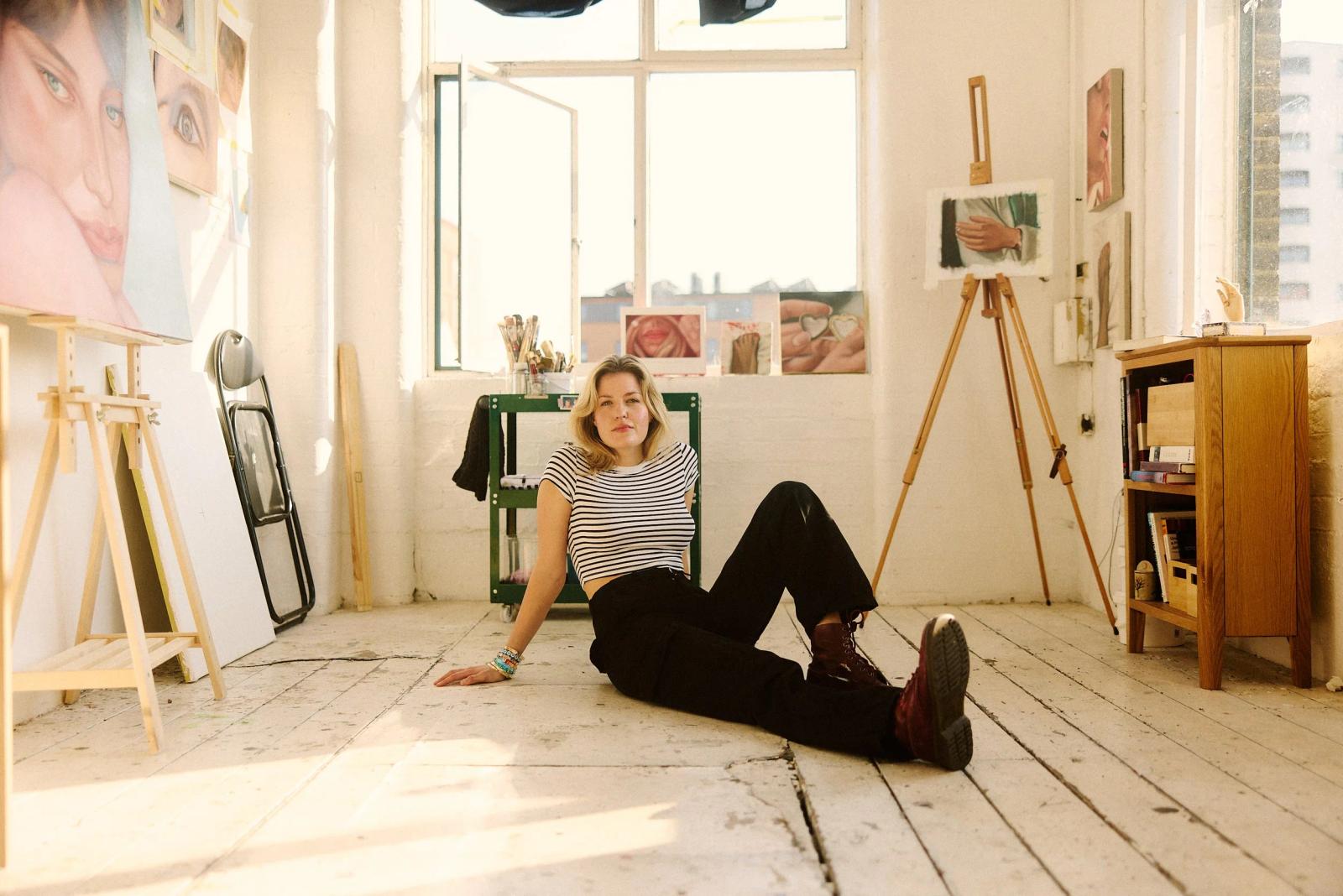
bP: In a world where art is often consumed through digital mediums, how do you feel traditional painting methods retain their power and relevance especially when addressing such emotionally charged themes?
LR: To me, traditional painting methods are more relevant in the face of the digital world. The tradition of painting is prehistoric, and it feels sacred in a world that is increasingly unsteady. There's a power in the paint itself: it transforms, it resists, it breathes… it really does have a life of its own. It lets us reach back into the past, while taking the temperature of now. I often think about the innate temporal aspect of painting, the way it slows time when we view it, but also the time encoded in the surface of the canvas. My paintings sit with me in the studio for months, and there's a constant dialogue. It can change over time, and I try to give myself and the work that space. So maybe that slowing down is both a potent antidote and a necessary corrective to a digital world.
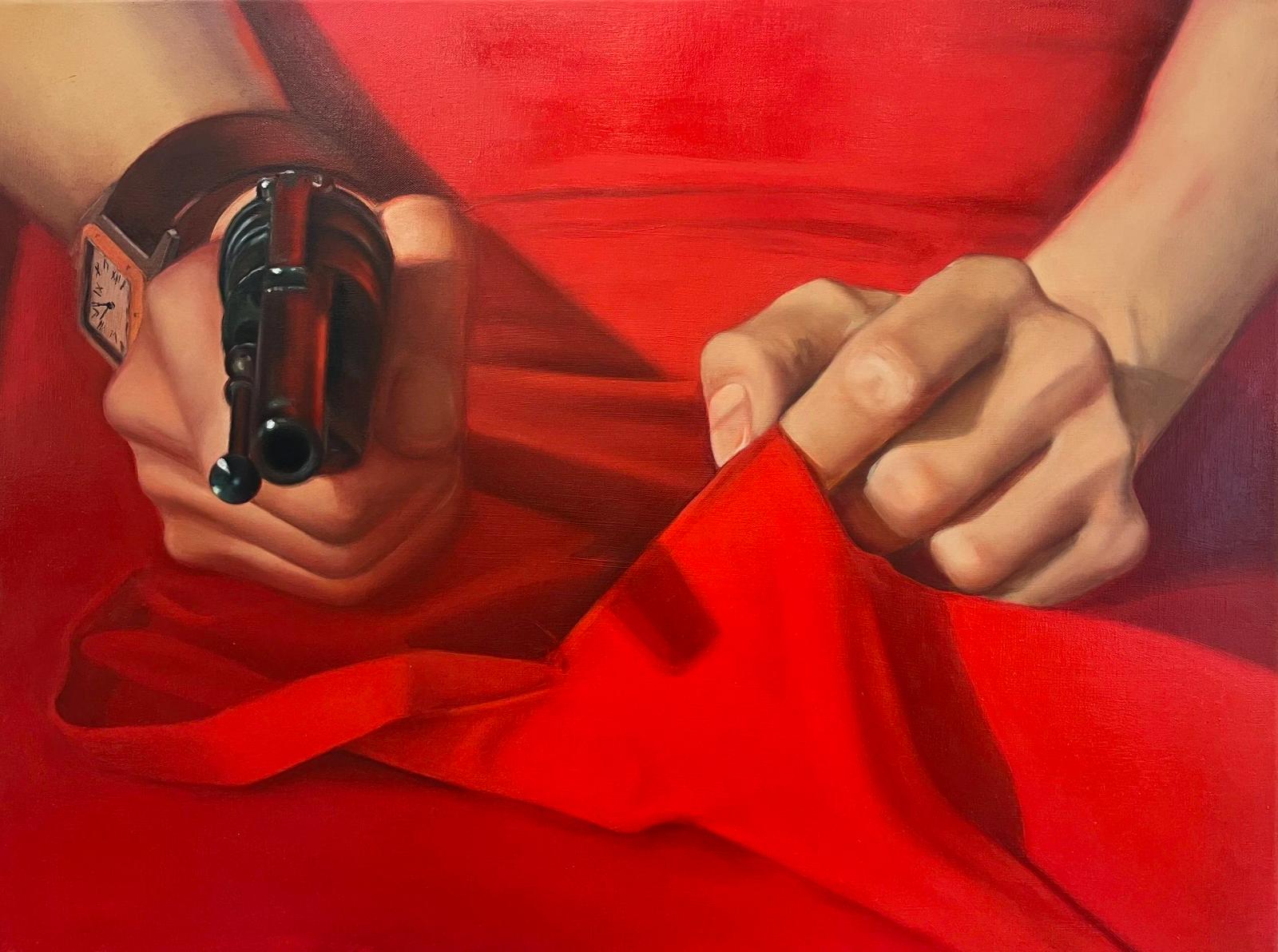
bP: You explore complex themes such as femininity, desire, and the duality of romantic love. What do you believe these themes reveal about the human experience through the lens of your art? And can you tell us about a particular painting or series that holds special meaning to you?
LR: I always say that my work is about the pain, the shame, and the heartbreak. Sometimes (especially through the lens of my art) those things can feel like a peculiarly female affliction, but ultimately, they reveal that suffering is an inevitable part of the human experience. I'm very interested in beauty and femininity, in an aesthetic sense, but also in how they relate to structures of power. I like the idea that art can alchemise pain into a thing of beauty. So yes, my work is about the pursuit and loss of love, and what could be more human? It's cynical and cutting, but also lofty and hopeful. Art and love can expand us, and they can also bring us to new lows. You don't get one without the other. I'm working on a body of work for my solo show with PM/AM in September. My area of inquiry remains the same: the agony and ecstasy of love from a distinctly female perspective. My work is my means of making sense of my world, and uncovering the narrative forces within my own life. I've been photographing and painting a close friend, Alison, as part of this body of work. She's a gifted artist and the lead singer of the band Honeymoan. It's interesting to paint someone you know and love, but with the intention of depicting them in an archetypal way. Mostly, I'm trying to capture and bore into this present moment, whatever that means, and to find some truth and some beauty in it.
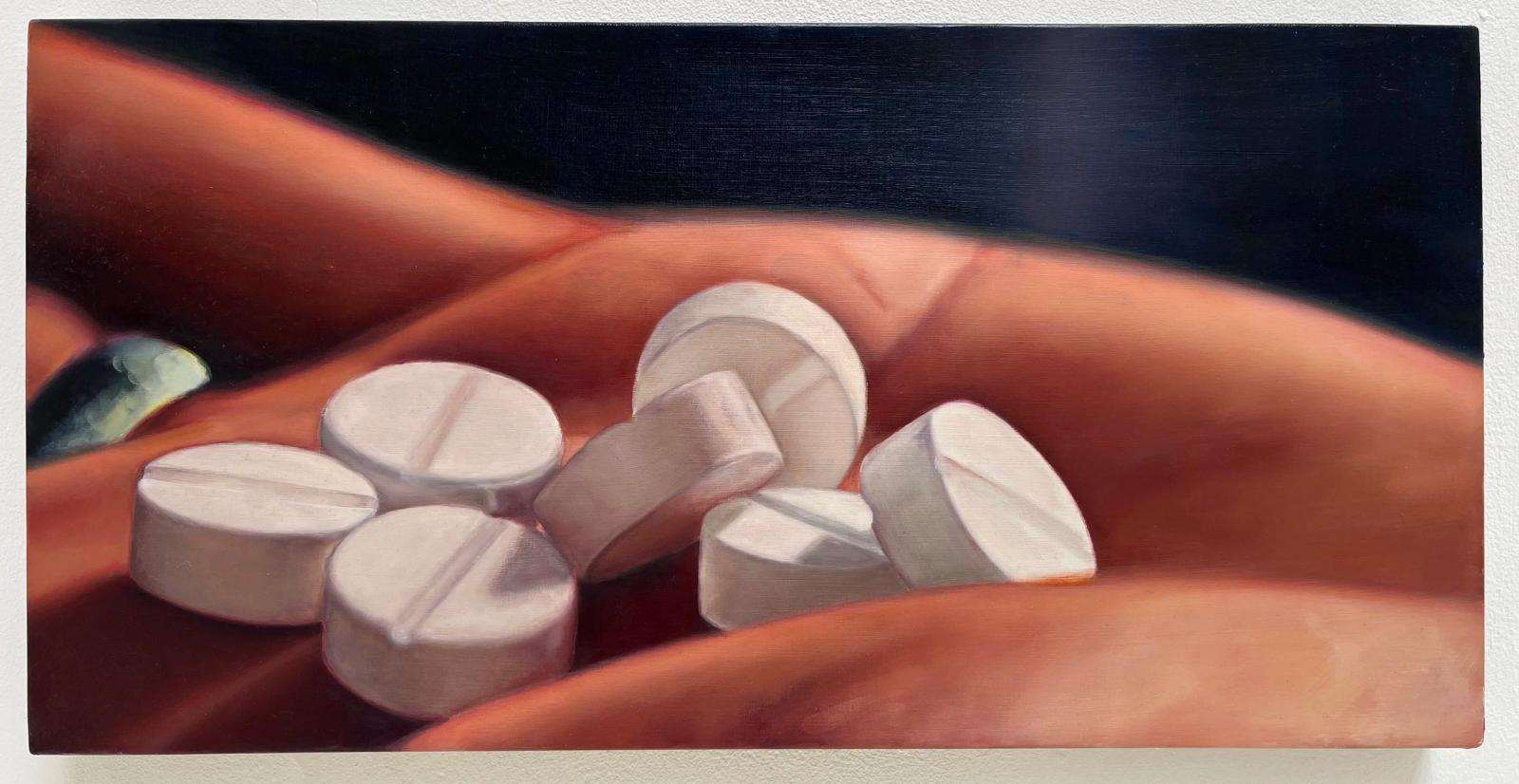
bP: I know you enjoy visiting galleries and museums in your spare time, which gallery programmes are some of your favourites here in London?
LR: I try to go to as many shows as my schedule allows and there are so many great galleries in London. Ultimately, I'm a painting freak, and for that reason, I always look forward to Alice Amati's shows!
Comments
Leave a comment