

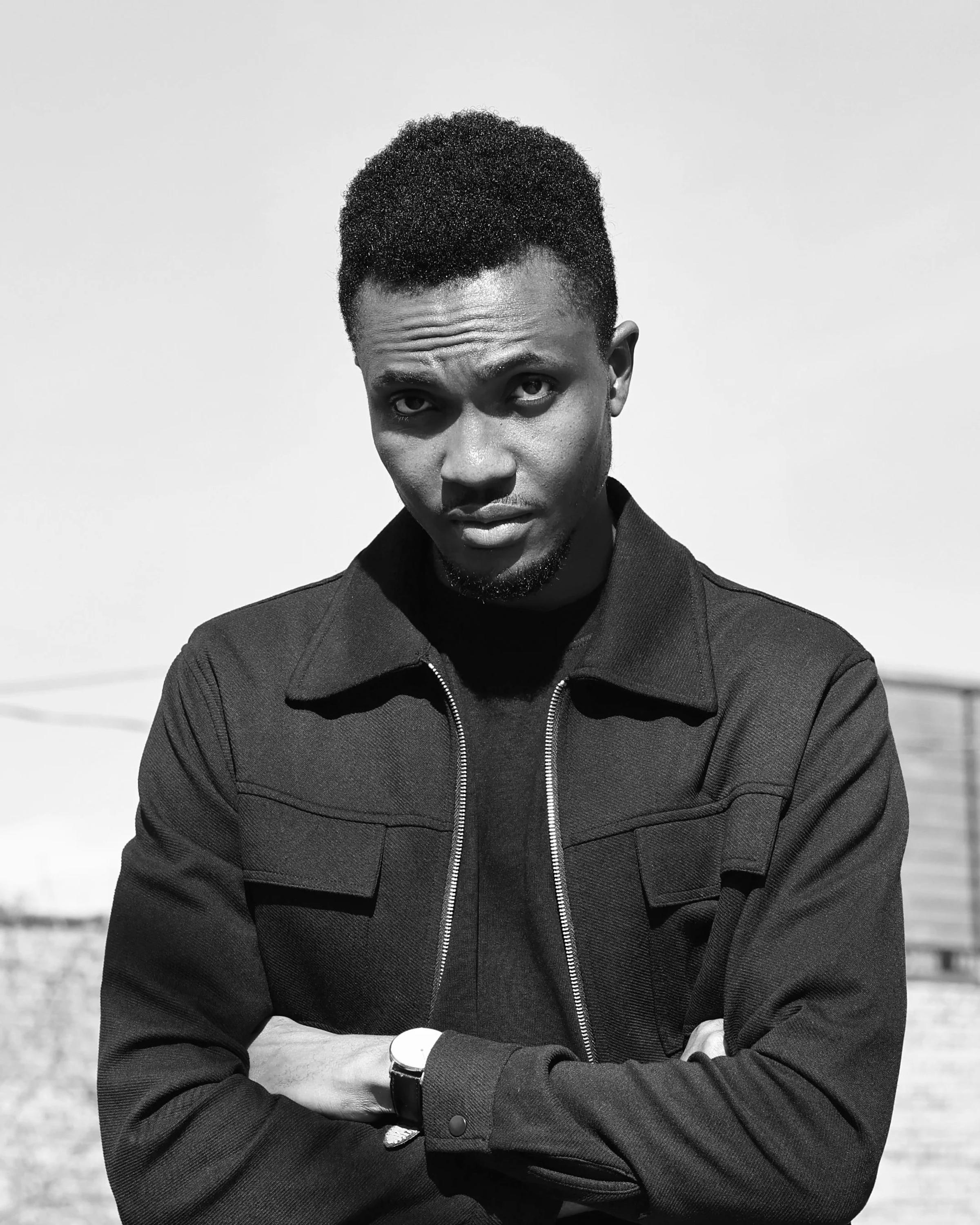
bP: You studied veterinary medicine but later switched to art and earned an MFA in Painting & Drawing. What prompted that shift?
LA: Ever since I can remember, I have always been an artist, though as a child, I didn't yet have the language for it. I was simply drawn to assembling things, making images, and inhabiting my imagination. I spent a great deal of time alone growing up; I'm either making or reading, and whenever I went through any difficult or life-changing experience, the deep recesses of my imagination created a kind of safe haven" for me. Over time
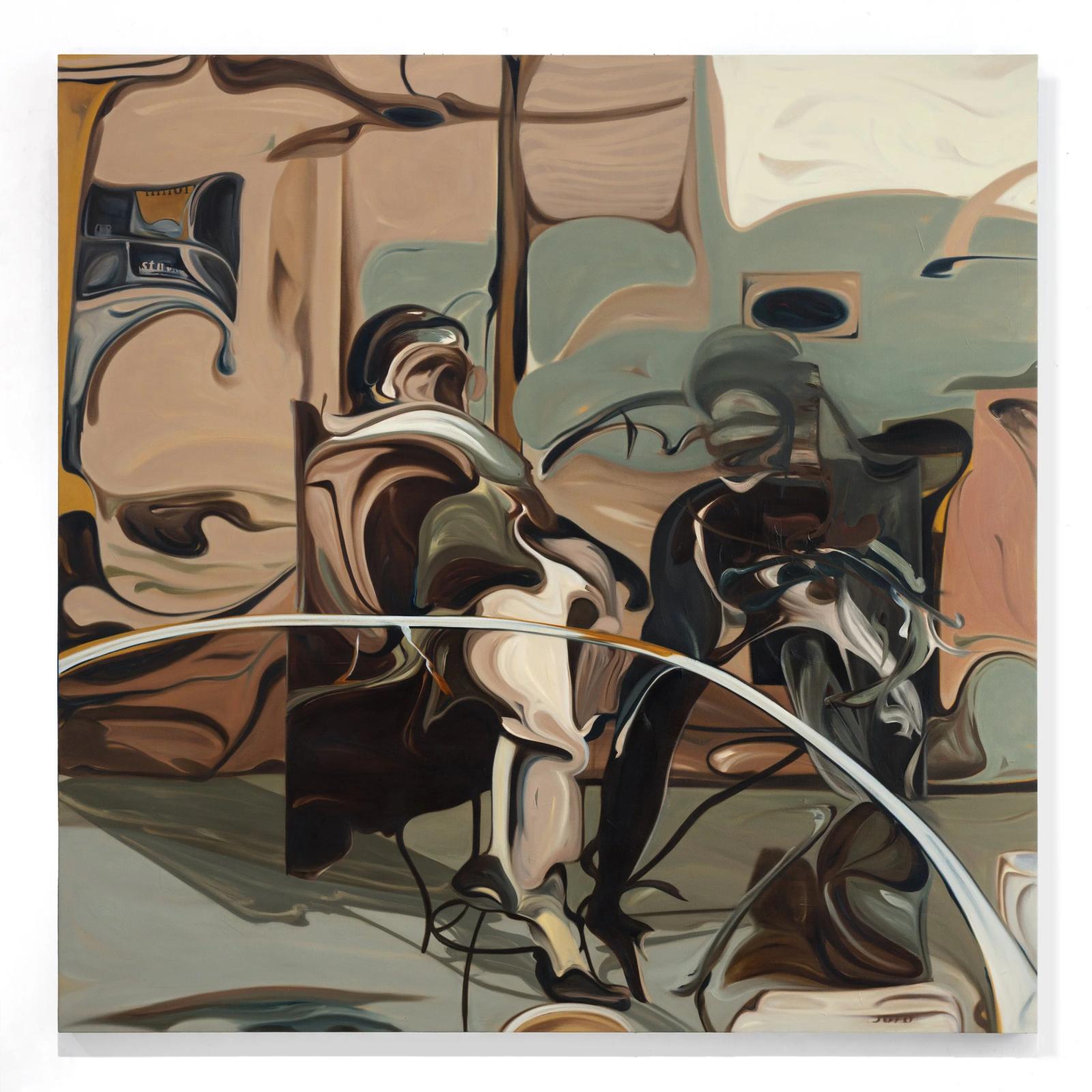
bP: Your paintings often feature "disembodied figures and dream-like grounds," hovering between figuration and abstraction. How do you approach this boundary in practice, what guides when a painting becomes "body" or "space"?
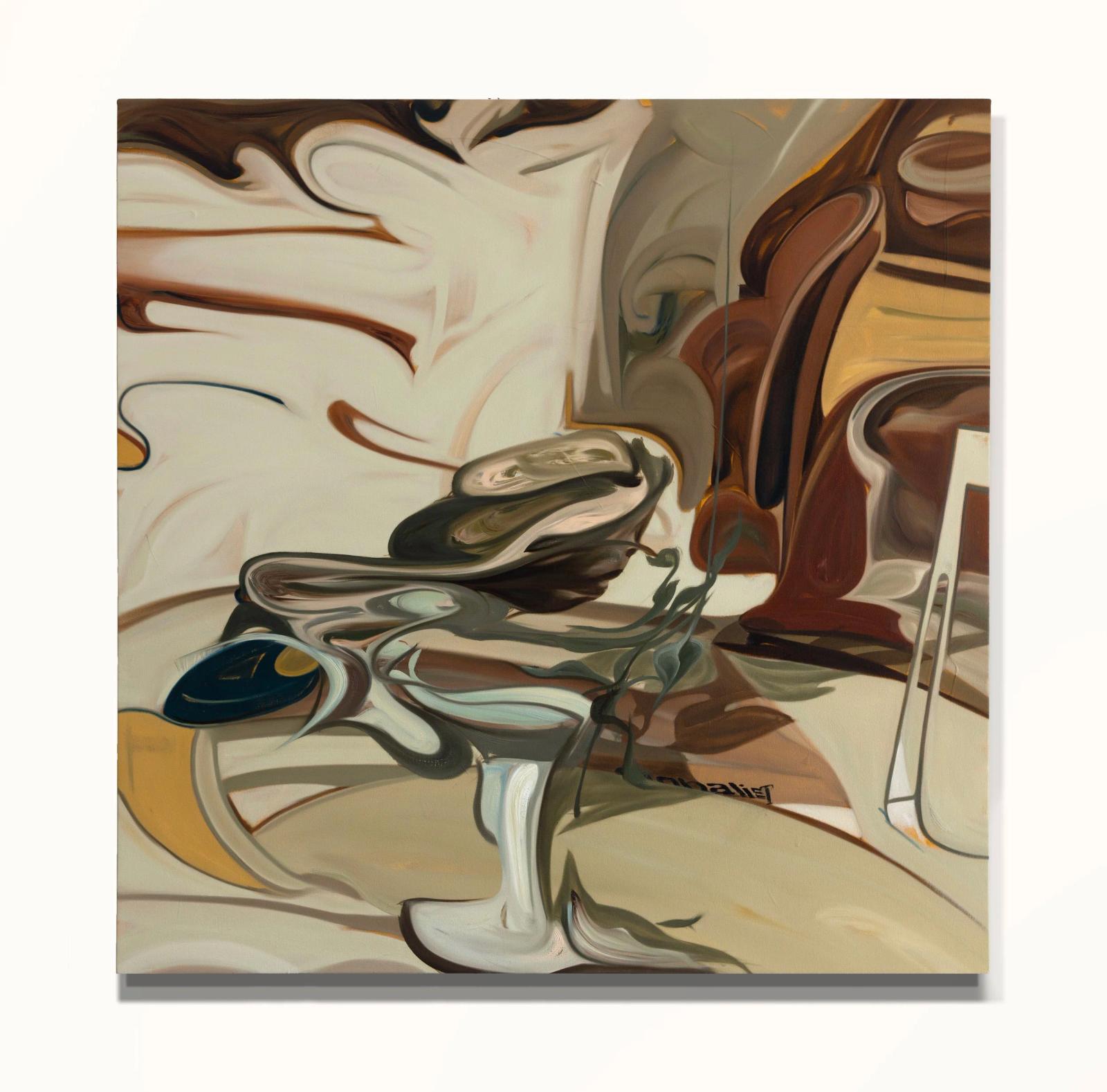
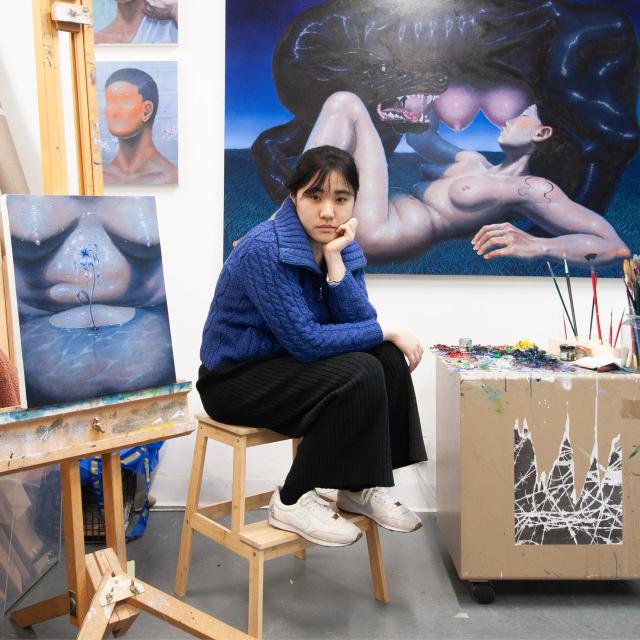
LA: When making a painting, I consider the many elements that must work together to produce what might be understood as compelling imagery; one that also has the ability to strongly capture a conceptual thought. I consider how a painting performs to present the illusionistic idea of an image. I often think carefully about how the different parts play together such as the scale implications of space and body, the color associations and gestures that make for the right amount of tension and the overall compositional balance. I try to suggest a sense of movement within the space, whether a figure seems to be sitting still or in motion, there is an acute awareness of how it is adapting to the space it's becoming a part of. To be in a state of adaptation is to be constantly changing, to remain at the liminal space of formation and dissolution. What guides this transition is tension. When a mark starts to carry weight, vulnerability, or resistance, it begins to read as a body. When it dissolves into rhythm, repetition, or atmosphere, it returns to space. I'm attentive to the moment when a form refuses to be fully named, when it hovers between recognition and ambiguity. That is usually where I stop pushing it. I think my work inhabits this space of liminality quite deliberately; not to resolve the tension between abstraction and figuration, but to hold it open. I'm interested in what happens when forms flicker at the edge of recognition, when a figure begins to dissolve into gesture, or when space feels simultaneously architectural and dreamlike. I often ask myself, how one might preserve a memory or hold it in place. There are elements of memory and experience that resist language. These thresholds allow for what I think of as imaginative realism, not realism as mimicry of the visible world, but as a way of making visible the emotional, psychological, and historical forces that shape how we see and remember.
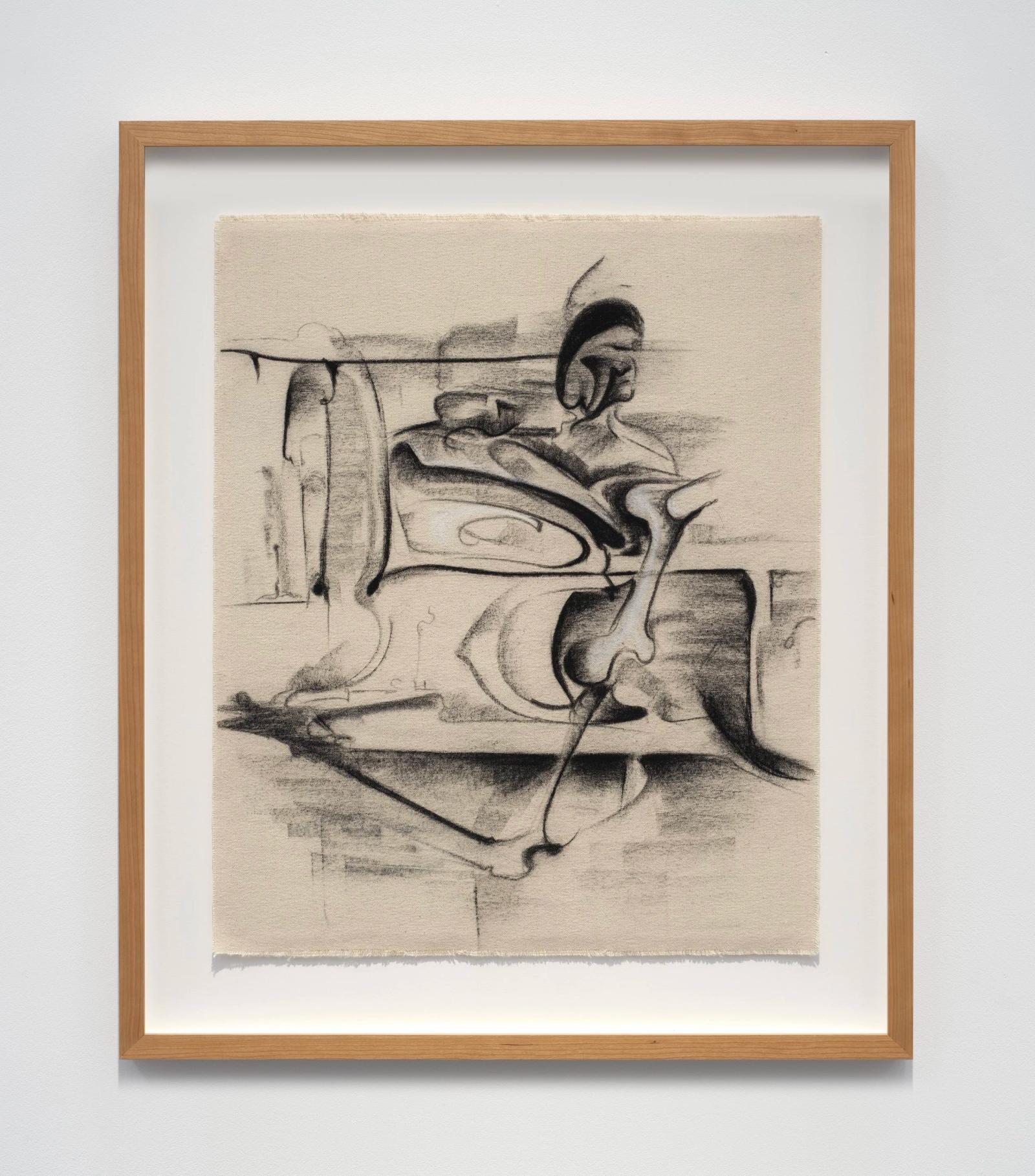
bP: When you start a painting, do you work from reference (photos, memory, sketches), or let forms evolve more spontaneously, using automatism and instinct?
LA: I rarely see these approaches as oppositional. For me, a painting might begin with a reference; often a photograph, a fragment of a sketch, or a remembered spatial encounter. I avidly collect found images, and my choices are often guided by a color palette that alludes to a particular memory. The reference, however, functions more as a point of departure than a blueprint. Once the painting begins, I deliberately allow it to drift away from representation into a more instinctive and automatist process. It's sometimes about the handling of paint for me, an understanding of the nature of the material and how each layer responds to the next on a flat surface, as I am sometimes making a space that can only exist in a painting. Space is central to this shift. I am interested in how space behaves when it is no longer stable, when it becomes negotiated, compressed, or unsettled. As forms evolve, they respond less to an external image and more to the internal logic of the painting: gesture, tension, erasure, and rhythm. At that stage, instinct takes over, and the work becomes a site of translation rather than depiction.
bP: In a global, fast-moving art world, how do you maintain authenticity and personal voice, especially when demand, expectations, exhibitions accumulate?
LA: As I observe a world that has gotten increasingly noisier, I try to protect solitude as a necessary part of my practice. The art world moves very quickly, and with that speed comes a constant layering of expectations; deadlines, visibility, production, interpretation. For me, maintaining authenticity means creating distance from that noise, even if only temporarily. I value spending time alone, because it's in those quieter moments that I can listen to the unfiltered voice of my imagination rather than the external demands placed on the work. Solitude allows for introspection. It also allows for doubt, hesitation, and discovery to coexist. That's often where the work recalibrates itself; where I remember why I started making images in the first place. It's where dreams take shape, and where the "miracle of making" begins, before the work is asked to perform in the world. Practically, this also means working at a pace that allows the paintings to resist immediacy. I'm careful not to let momentum dictate meaning. When exhibitions accumulate, I return to Process as a way of staying grounded. That process becomes an anchor, helping me maintain a personal voice that evolves organically rather than being shaped by expectation.
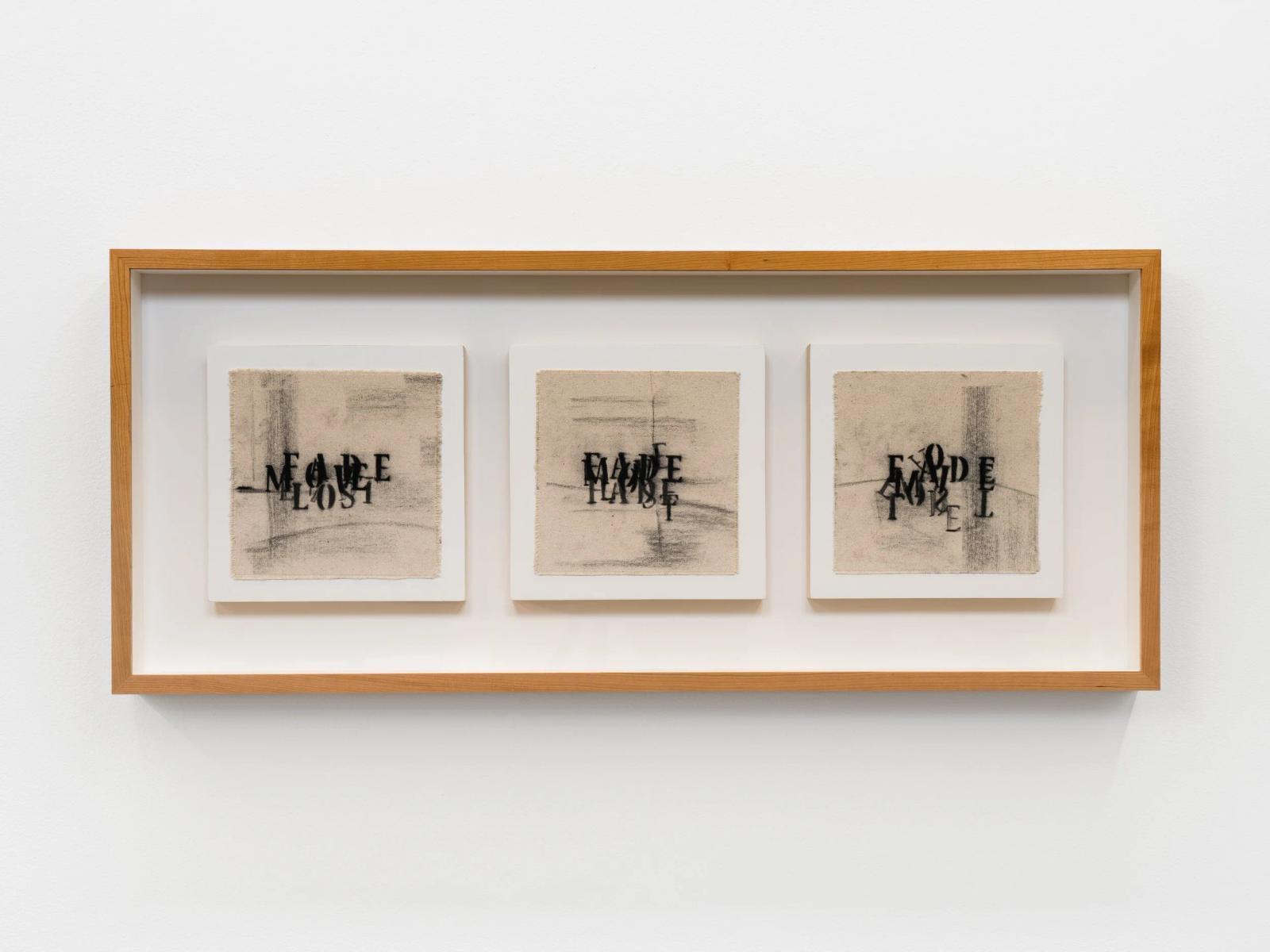
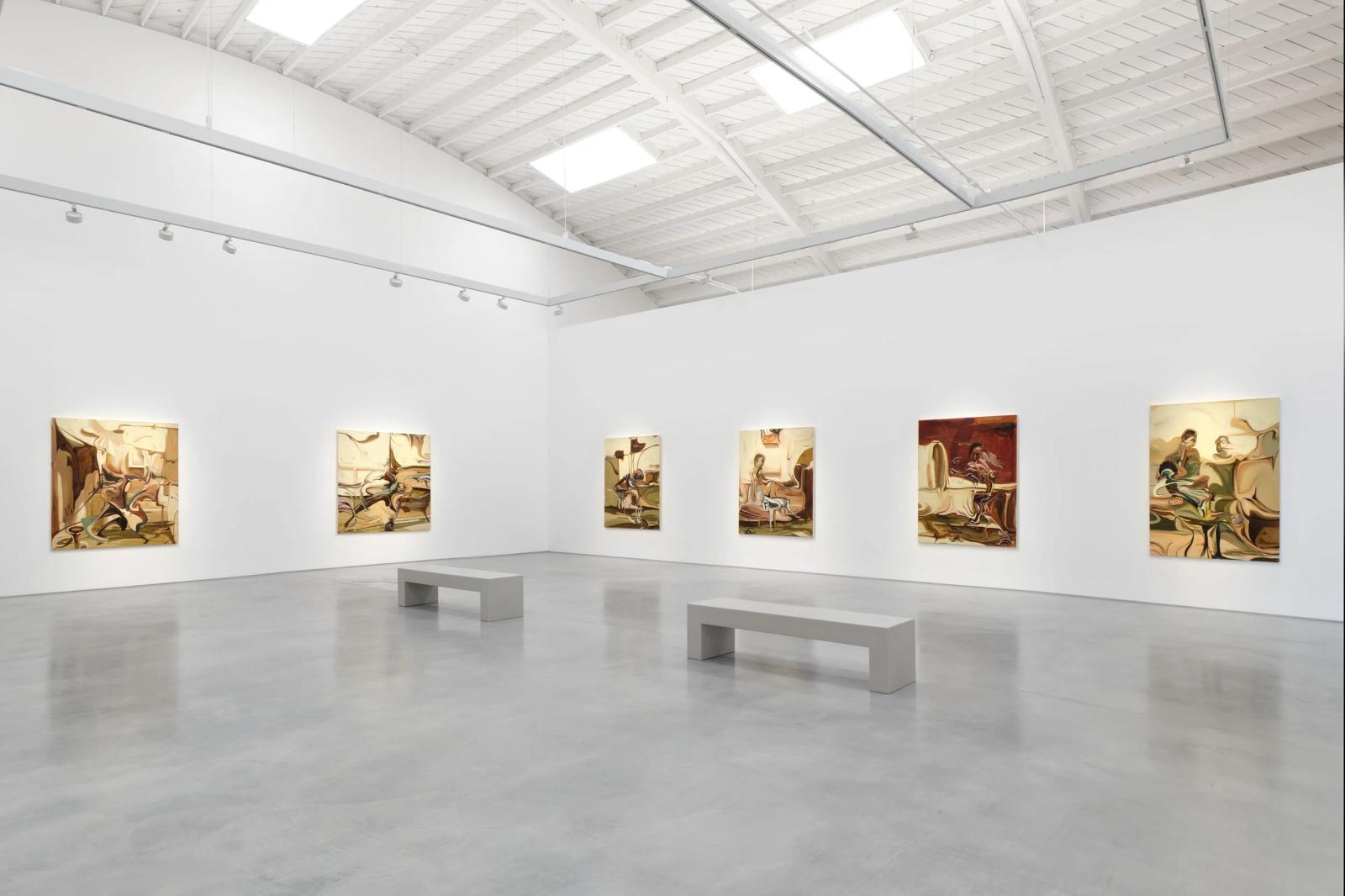
bP: In your 2024 show Between Two Suns (Los Angeles, Roberts Projects), you explored bodies "between worlds," states of adaptation and survival. What did you hope viewers would feel when they entered that exhibition space?
LA: I hoped they would feel a quiet sense of suspension; an awareness of being held in an unstable, in-between state rather than anchored to a fixed narrative. The exhibition was conceived as an experiential space that mirrors conditions of displacement, adaptation, and survival, inviting viewers to slow down and sit with uncertainty rather than resolve it. Through the conversations the works generate, I wanted to offer a visual meditation on hybridity and the precarious balance between endurance and dissolution. By refusing the structural comfort of definitive meaning, the paintings leave room for viewers to confront their own assumptions about identity, migration, and shared space. Ultimately, the question of what home means, or where we choose to locate it remains fluid. In my practice, these concerns are rendered through layered textures, fragmented bodies, and rhythmic compositions that echo the constant push and pull of life lived at the margins, where survival itself becomes an ongoing act of negotiation.
Comments
Leave a comment