

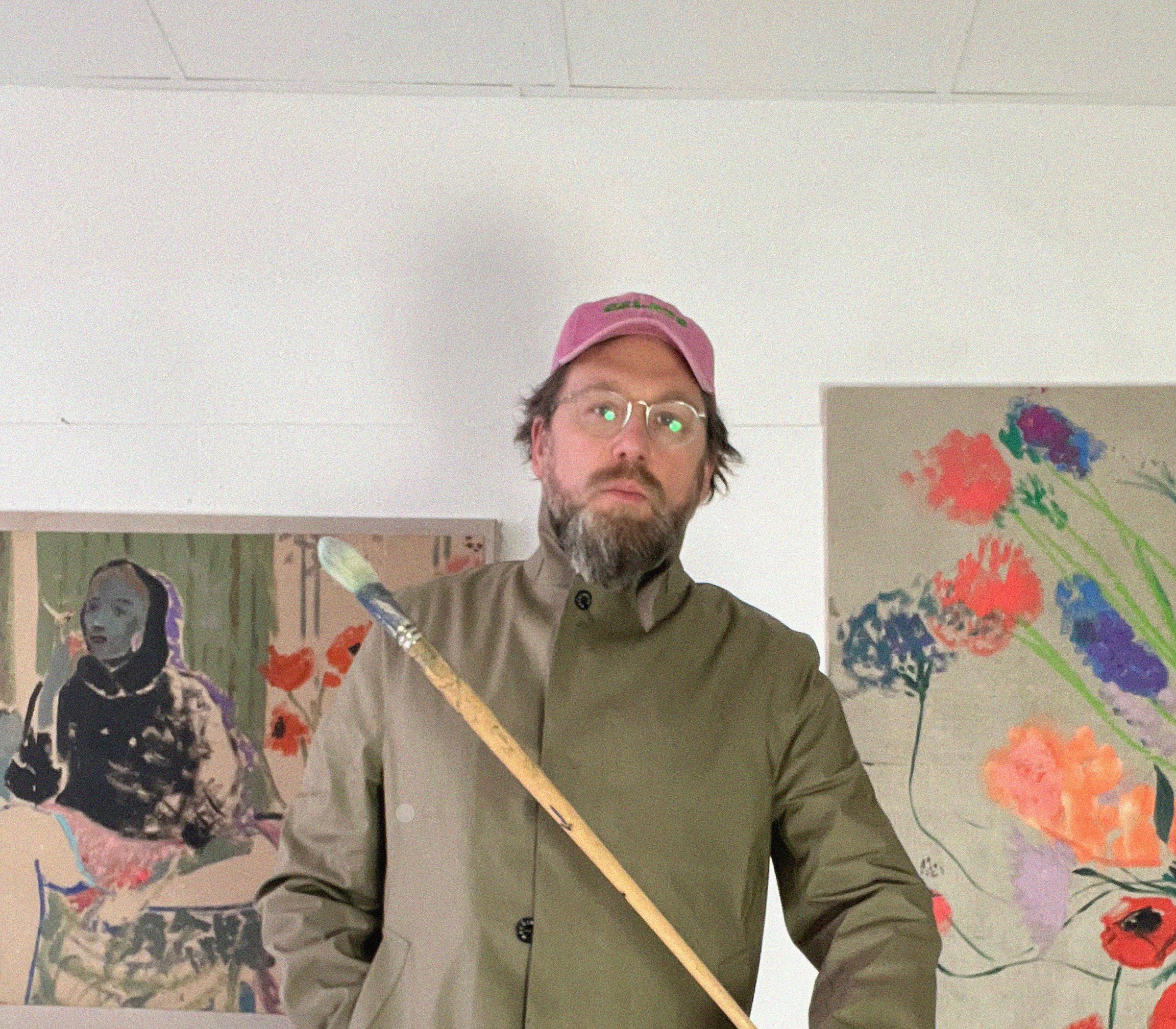
BB: You've said that discipline and consistency matter just as much as inspiration. Do you think we sometimes place too much emphasis on artistic genius and not enough on the daily practice that makes the work possible?
JS: “Inspiration" is a word that in my opinion should never be used by artists. In fact, I would say that as a concept it barely exists- if as an artist you are a thinking person and fully engaged with the world in whatever form that takes, then 'inspiration" is something within you 100% of the time. My belief is that like certain forms of meditation, developing a regular daily habit of working on the feelings and ideas one has about the world will elicit results. If you wait for 'inspiration' you will wait for ever. It’s the daily habits of creativity that matter, try and make one fresh observation each day.
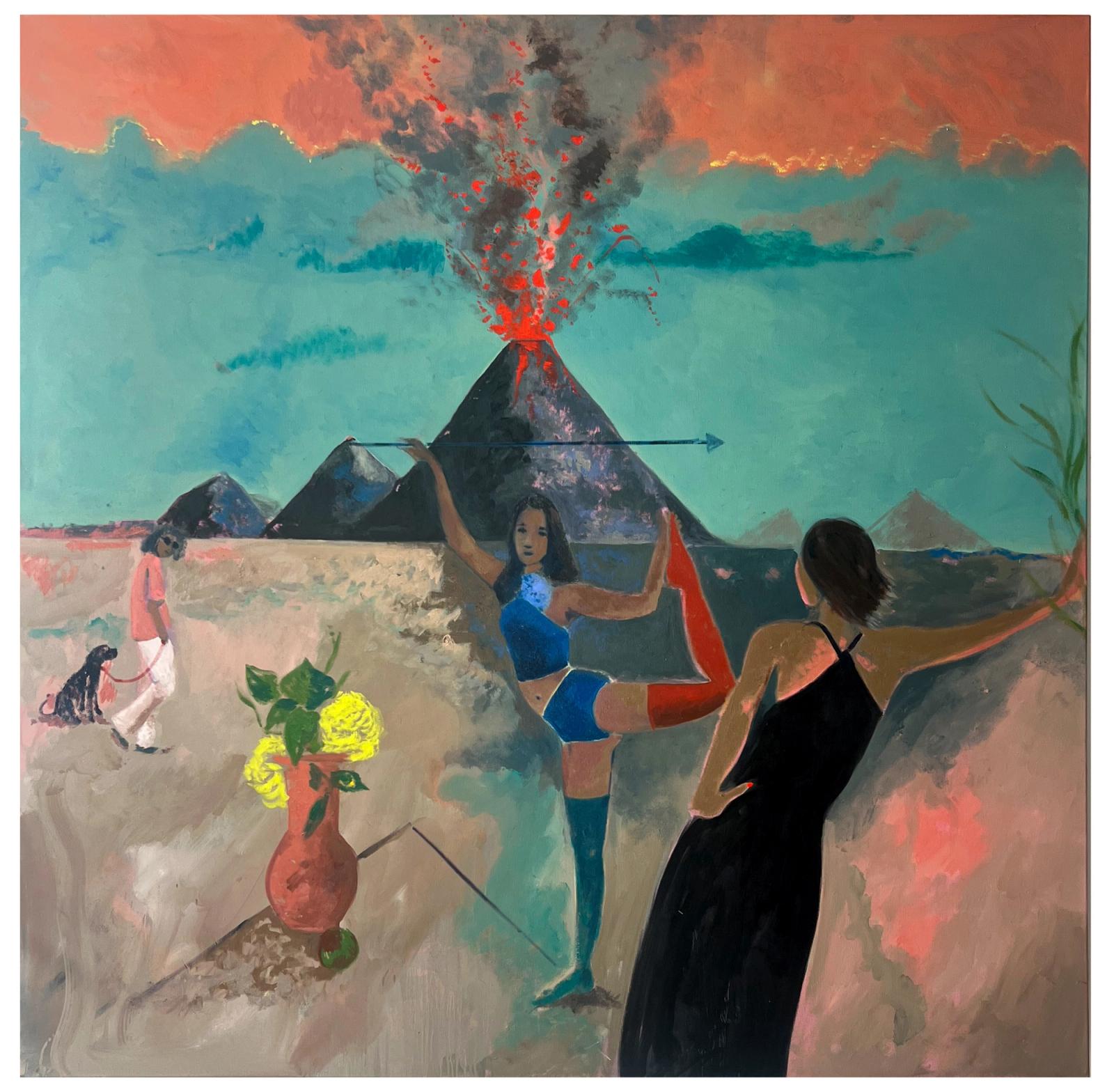
BB: As your paintings develop their 'own internal logic', do they ever surprise you by becoming something different from what you first imagined?
JS: As an artist you are allowed to break the ‘law’ (metaphorically), but you must not break the ‘laws’. Picasso is a superb example of a law breaker who had the utmost belief in the laws. working out the difference within your own individual practise should be part of the dialogue one has with one’s work. one of my 'laws' is that if a painting is not a surprise and has at least some aspect of revelation to myself then it has not succeeded- "intentionality “is a law to be broken, otherwise you are a designer and not an artist. try to always surprise yourself. your work should be a friendly stranger. (Also, you are not required to "like" your own work).
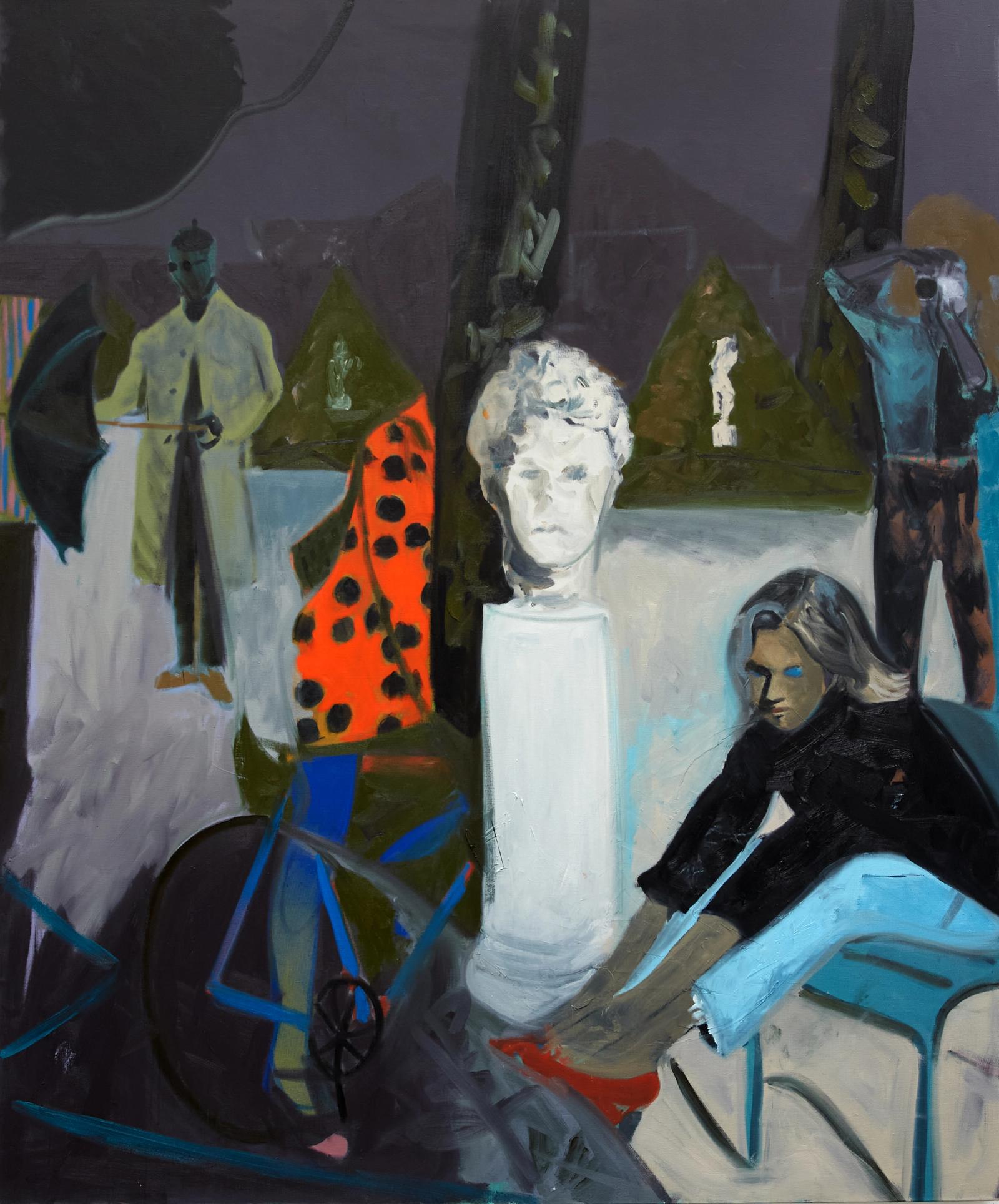
BB: You once described colour as the music within your paintings. Has thinking about painting in those terms changed the way you approach making an image?
JS: Aesthetics have very little importance in my work, as Barnett Newman said: aesthetics is to artists what ornithology is to birds. in other words, you don't need to study what should be inherently integrated. people assume that because I am interested in 'colour" I am somehow involved with making decisions based on aesthetics, whereas I am only interested in colour as way to try to access the music of the universe. I define this as a realm that exists somewhere else and which you may be allowed to access through the expressive medium of painting. this realm is where all music lives including visual music. I am still not certain if I’ve been granted permission, so each painting is in essence a request for access to another realm beyond language.
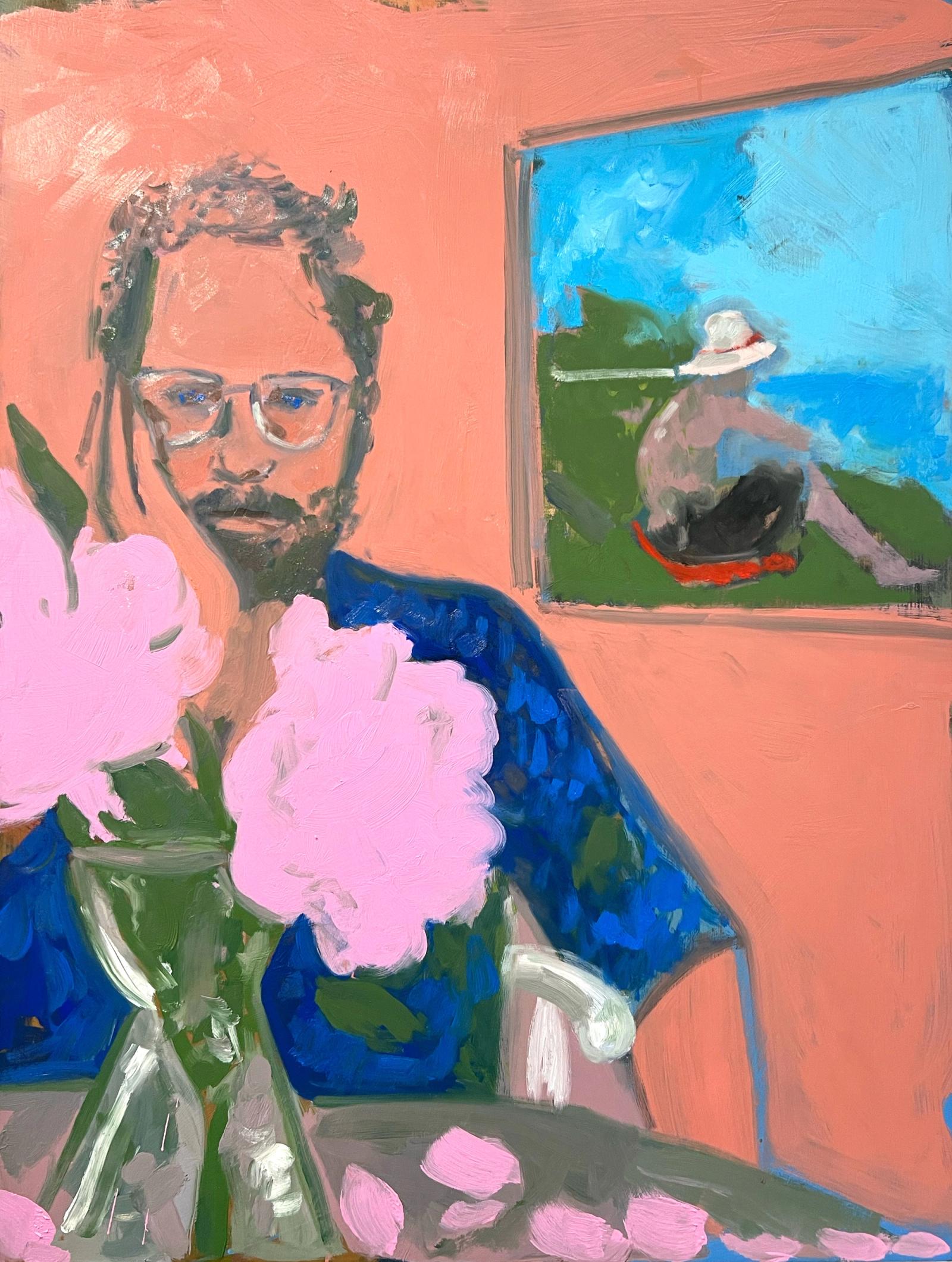
BB: So much of contemporary life encourages us to look quickly yet your paintings often begin with fleeting images of contemporary life. Has painting taught you that looking slowly can actually change what we see?
JS: Slow looking, slow eating etc have become a kind of perceived antidote to the obnoxious speed of modern life. as an artist 'slow" should mean paying attention. all one has to do is really pay attention, this can be quick or slow. painting is one of the few pursuits that allows "full beam" attention. that matters as the scattering of attention is a major problem in the world today.
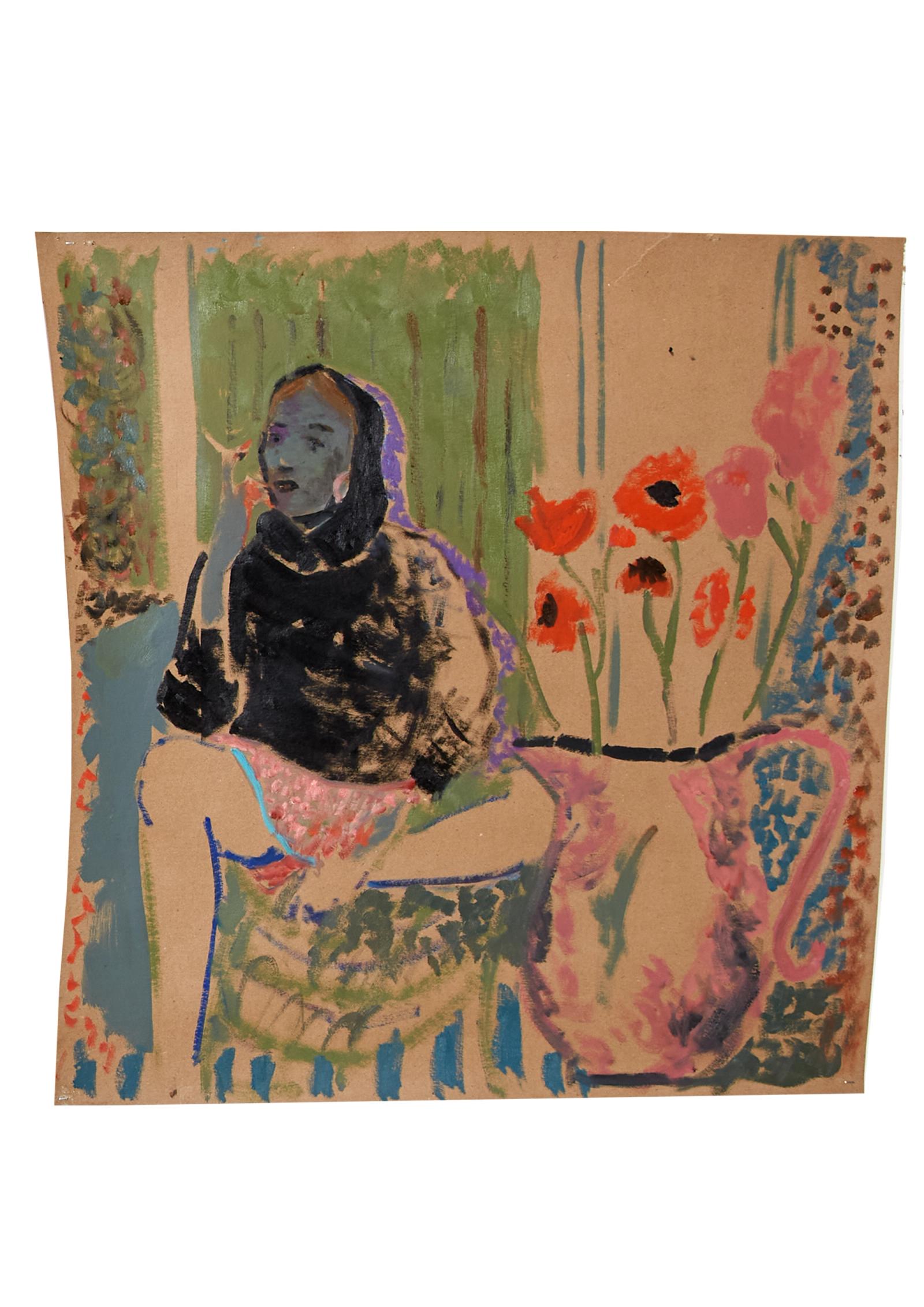
BB: You write that "we are all complicit" in the seductive promises of contemporary image culture. What role do you think painting has within that relationship?
JS: When I say we are all complicit, we all engage in fantasies of omnipotence in some form or another. all is vanity and it's the vainest thing of all to deny vanity within oneself. people have worked out that advertising is not just a tool used for selling products, whether we like it or not "branding" has become woven into the human existence. what I find really refreshing is the attitude of artists who neither sneer at nor capitulate to these forces of capitalism but find a space to work within and maintain a dynamic integrity. painting is a very good medium for this continued resistance to the attacks meted out upon the human spirit. the artist will always be a rabbit with a thousand enemies.
Comments
Leave a comment