

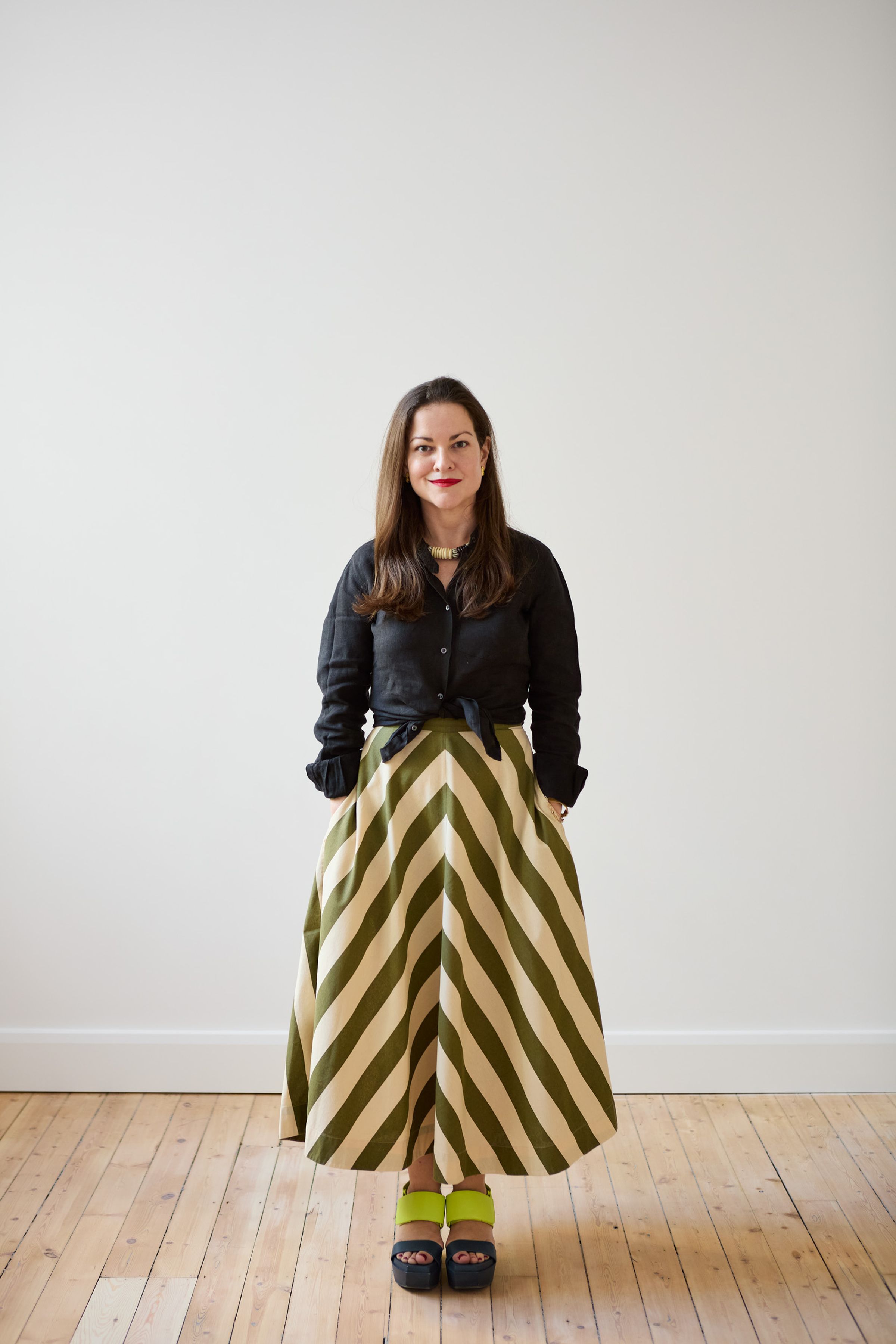
BB: Looking across your career, from helping establish Phillips Latin American department, to co-founding The Must and now your role at ANTESALA, it seems you’ve consistently chosen roles that create new pathways for artists, audiences and collectors rather than simply participating in existing ones. Was this something you set out to do or has it emerged gradually as your work has evolved?
LG: I always knew I wanted to work with art in some way. I got the bug when I was around 16. I also knew that I am not an artist myself, so I went into art history. My interest in new models grew from getting to know the existing ones over time and realizing, along with many colleagues, that traditional models and structures are not adequate. They are not capable, on their own, of sustaining and fueling the vast and diverse artistic production our society is capable of today.
We are a very under-researched industry, but it seems likely to me that there are more artists graduating from art schools today, or choosing their own self-taught paths, than ever before. With economic pressures and inequality rising, we urgently need new patronage and market structures. It’s a marker of a great society that there are so many people who want to create. We need models that make the pie bigger, instead of increasing your own slice at the expense of the ecosystem.
BB: When you first entered the art world, how did you imagine your role within it and how has that changed over time?
LG: During most of my time at university I assumed I’d go into academia or museum curating. Those were the only career paths visible to me. I didn’t know anything about the market or the contemporary art world. With graduation looming, I decided to get work experience before graduate school. I started looking for jobs– gallery receptionist, assistant, etc.-- and eventually landed one as a cataloguer at Phillips. The timing was all luck, as they wanted to get into Latin American modern and contemporary art, I speak Spanish… It all began from there.
The auction world is a great place for a young person to learn a lot in a relatively short amount of time. I got to meet colleagues and clients who are some of my dearest friends today. It was an easy transition to go into advising from that context, and advising then enabled me to work more directly with artists and collections. I eventually did go back to graduate school for a master’s, but I continued working while studying.
BB: Every new organisation is responding to something it feels is missing. What conversations did you feel weren’t happening to make this the right moment for ANTESALA?
LG: There was a sense of continuity and permanence missing in conversations about art from Latin America and other regions. I think back to the wave of Latin American artist retrospectives at museums like the Tate Modern and MoMA in the early 2010s, which were such important moments, but sporadic retrospectives cannot engender continuous activity and energy. We need more small and mid-scale organisations and businesses with specific perspectives and diverse centers of gravity, whether they ground themselves in a particular region, generation, gender identity… It can be anything as long as it’s rigorous about what it wants to do.
BB: Both academically and professionally, it appears you have consistently challenged the idea that artists should be understood through pre-existing Western narratives. How has this way of thinking influenced the projects you have chosen to build?
LG: I learned to always begin with the artwork itself, and then by educating myself on what the artist is intending to do, and whether they’re doing it successfully. Overarching narratives and frameworks can, sometimes, be useful in drawing connections and expanding perspectives, but they are tools that need to be used very carefully and coherently. They can easily obfuscate and distort. I like projects that ask interesting questions instead of seeking neat, over-simplified answers.
BB: Finally, looking across everything you have built so far, what kind of art world do you hope your work is helping to make possible?
LG: As much as I love art history and older works with long provenance notes, I don’t think any of us is doing our job well if we’re not looking out in some way for artists working today. It needs to be easier to be an artist, and it needs to be easier to work with them and help them develop the practices they want. I want a big art world that pays its artists and professionals more than liveable wages, and has lots of different ways to engage all sorts of people, whether they are collectors, enthusiasts, or occasional dabblers. It should be diverse, fun, and a bit chaotic if it’s going to be truly free and generative.
Comments
Leave a comment