

BB: Your programme introduces artists at very different stages of their careers, often placing emerging voices alongside more established ones. Before an artist has widespread recognition, have you noticed a common quality that first draws you to someone, or does each relationship begin differently?
MM: Each relationship begins differently. Sometimes the first encounter with an artist can feel cosmic, through osmosis, destined by the stars (or in this day and age, an algorithm). However, most of the time, I am drawn to the work rather than the person. Regardless of whether the artist is emerging or established, the relationship with the artist develops from my respect for the work and for the artist’s process.
BB: You once said that people collect art because they're investing in the future. It made me wonder whether galleries do something similar. Every exhibition, every new artist and every long-term relationship seems to involve believing that something is worth building over time. Do you think opening and running a gallery requires a certain optimism about the future?
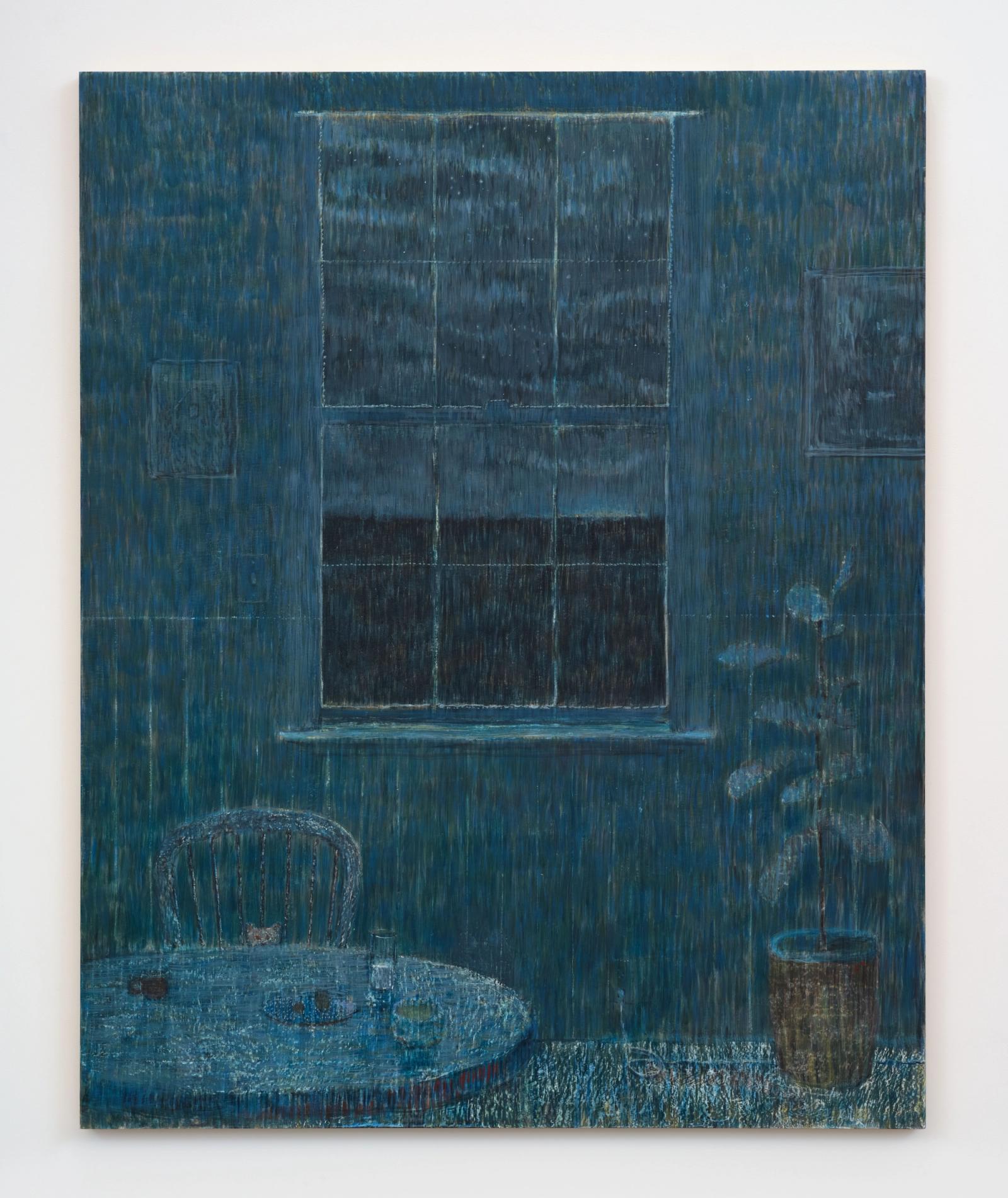
MM: Most of the time, when collecting, there is a core belief that the work the collector is acquiring matters - whether the work explains something historical, psychological, physical or is a glimpse into the contemporary or “the now”, there is a reason behind their attraction to the work. It is the opposite of nihilism and that act of acquisition is therefore hopeful. Assigning meaning to physical objects is an investment in the present, and also the future. The idea that the meaning of that object will endure over time—that it may shift and take shape into new meaning for your children or children’s children—THAT is an investment in the future. One of our artists recently made a painting about the objects of heritage and how we live with them and I loved this idea of heritage through the maintenance of objects.
Galleries believe in this system - they provide the spaces in which collectors can prescribe to these belief systems. When a collector buys a work from the gallery, they are making an investment in us. When an artist entrusts us with their work, they are making an investment in us. Even from within, when we do a show or a presentation, we are investing in our own longevity. When you consider that responsibility, it becomes clear that optimism is what creates our future. No matter the tenure of the gallery, every bit of involvement and support matters monumentally, and it is our prerogative to create a return with the tools we have and the tools we can create over time.
BB: Community has become one of the most frequently used words in the contemporary art world, but it can sometimes feel more aspirational than tangible. When you talk about building a community through your gallery, what does that actually look like in practice?
MM: Community is empowered by collaboration and transparency. As the owner of a gallery, community takes shape in transforming my physical space into an inclusive and forward thinking facility which champions dialogue and new ideas. When so much of community has transferred to the digital, maintaining a space where physical objects can be viewed with other like minded individuals is the best way to maintain the notion that the art, the material itself, is important.
Outside of my physical space, I find community through strong relationships with other galleries and trusted relationships with curators, writers, advisors, artists and collectors. For the most part, we are all after similar things, so the idea of community begins at accessibility and inclusion. I am apt to say that the gallery is my love letter to Los Angeles, but I’ve ensured that the gallery is fostering a community outside of Los Angeles as well by empowering a small staff in New York who utilize their relationships in tandem with the mission of the gallery to see connectivity play out in a larger way.
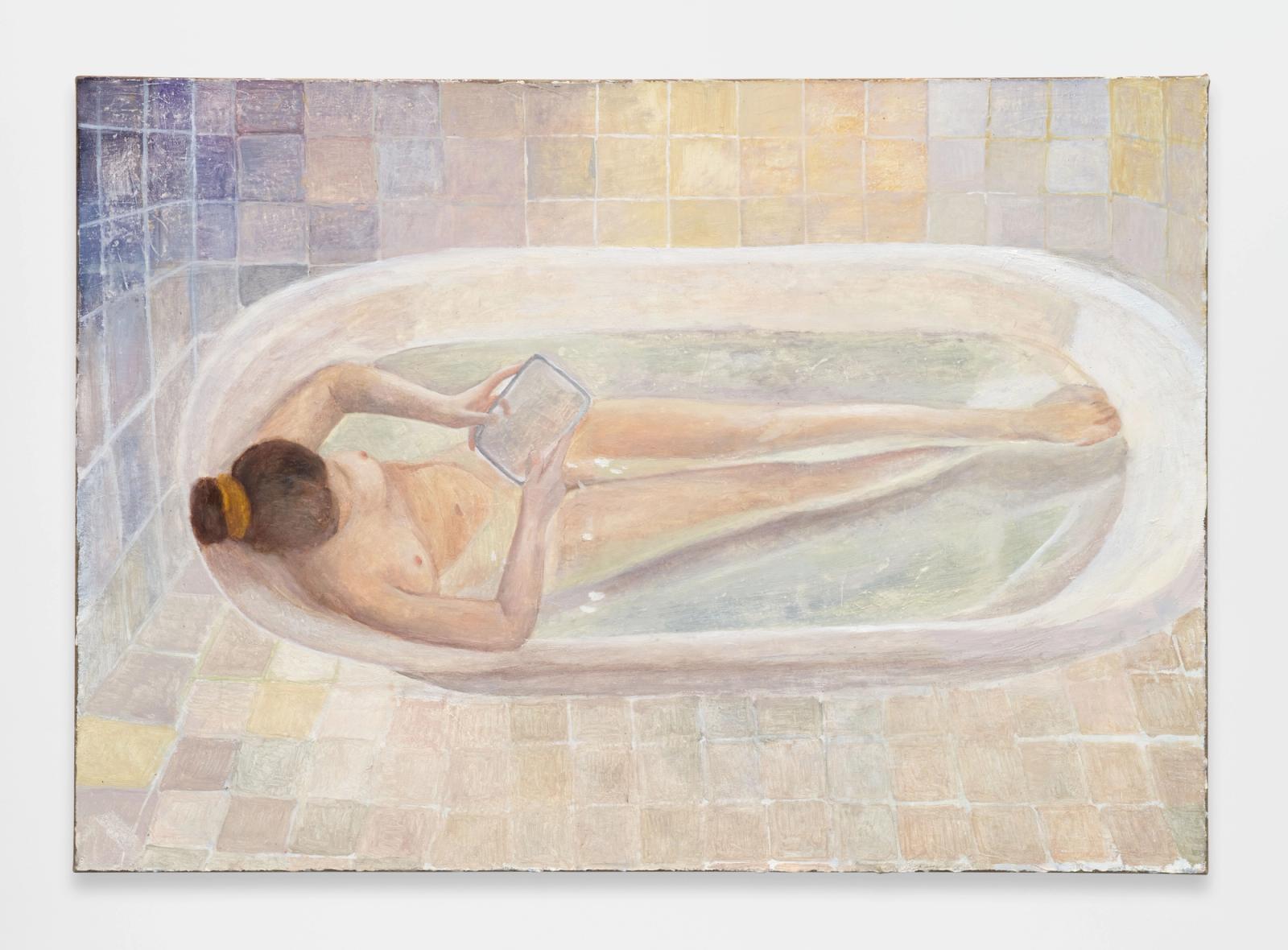
BB: Many of your exhibitions seem carefully positioned alongside one another rather than existing independently. When you're planning a programme, do you think in terms of individual exhibitions or one larger conversation?
MM: With three spaces to see art, there is the opportunity to try to create a larger theme and/or conversation. Ultimately, creating similarities, parallels and differences between the artists that I am drawn to helps people understand more about the individual artists themselves. When you focus on the objectives of the gallery as a guide post for your exhibitions, everything has the potential to be cohesive.
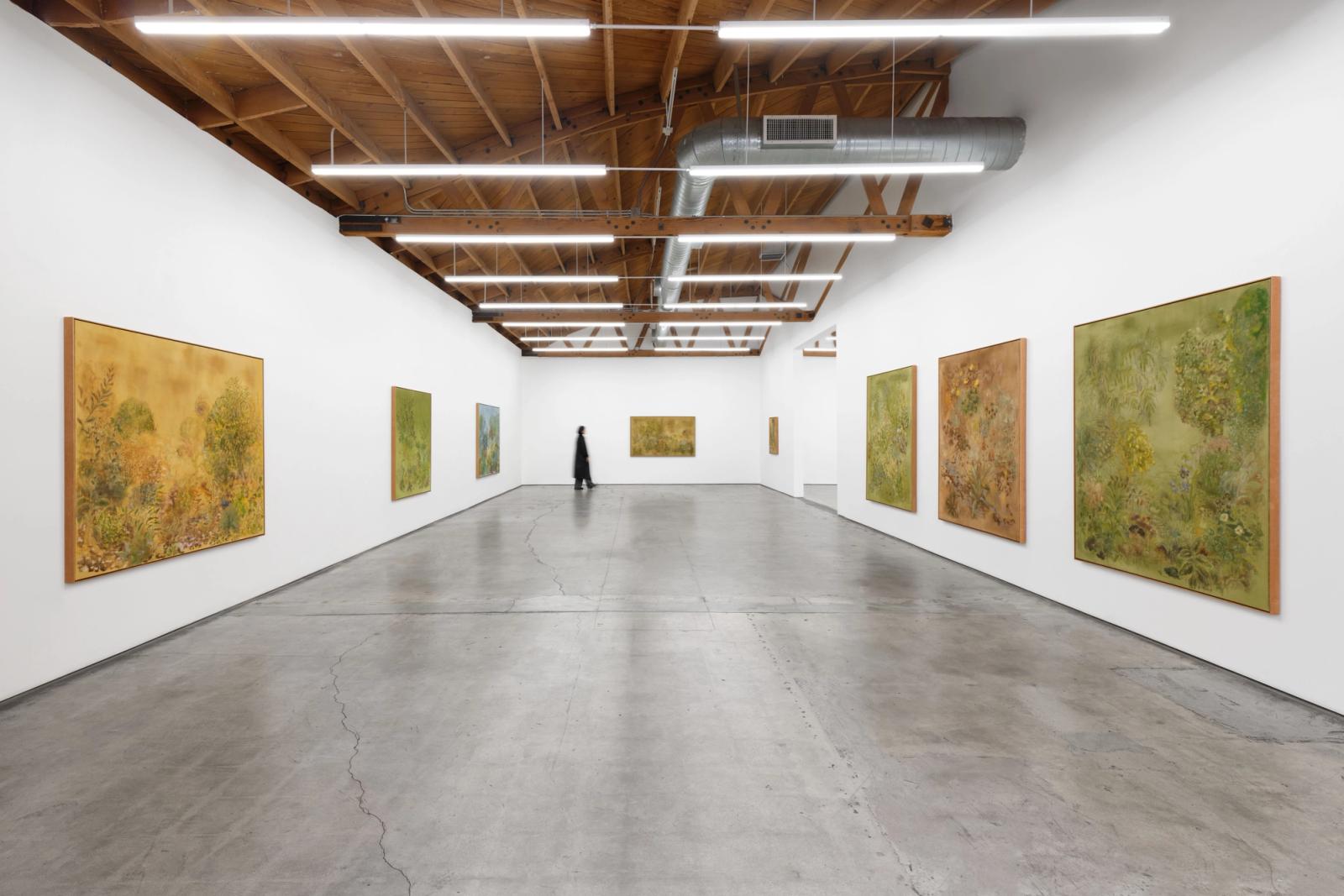
BB: Reading through your interviews and exhibition programme, I was struck by how often you return to ideas of dialogue, relationships and the future, rather than the market itself. Has opening your own gallery changed the way you think about what success actually means?
MM: Opening my own gallery has allowed me to contribute to the growth of the art world that I want to be in. The gallery operates in a comparatively young marketplace, and it is really powerful to realize that we still have the ability to write our own rules. Having my own space has encouraged me to challenge what “success” truly is, and one way in which it has changed my perspective is separating the concept of wins from the definition of success. Wins are one offs; securing an artist for a show, an insightful conversation, a great sale, which can propel you into that optimistic future. Success is perpetual and a result of knowing you are doing your absolute best for your space, your team, your artists and your collectors. Considering success in this way, every single day can and should be successful - I owe it to myself and my community. I feel an immense amount of responsibility for the art, our artists, and the gallery’s team - it makes me want to work harder. Ultimately the gallery is a business that relies on a marketplace (hopefully a healthy one), but what is most important is that we show work which feels important, hopeful and tells a story that at least one other person can connect to.

Comments
Leave a comment