

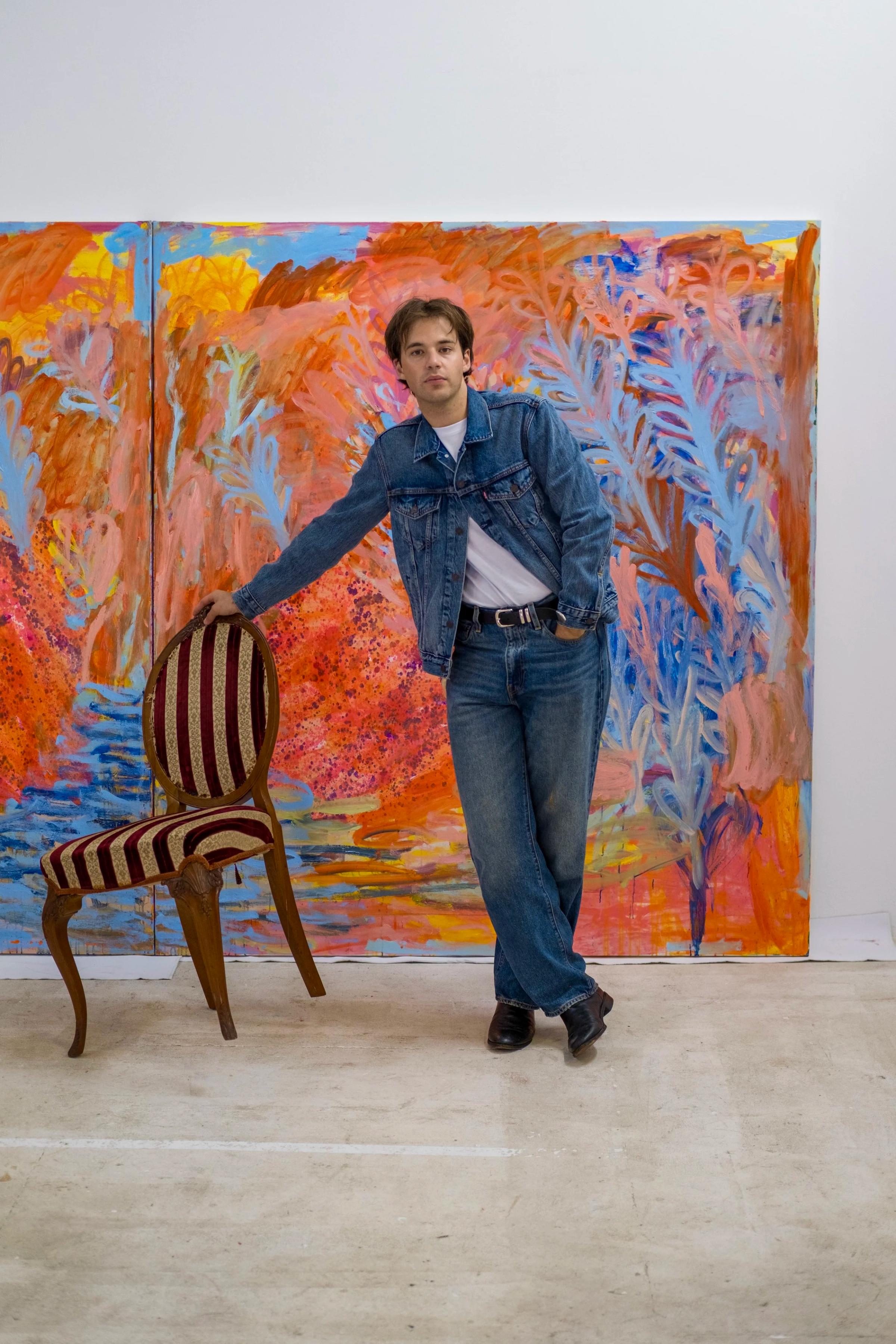
bP: Hey Zach! Titles like "A Perfect Line Doesn't Mean It's Straight" are evocative. How do you arrive at these titles and what role do they play in the viewer's experience?
ZZ: Titles usually come last for me, they're like the closing line in a conversation the painting started. Sometimes it's a phrase I wrote down years ago, something overheard on a walk, or a lyric that stuck. I'm always listening for words and phrases, some linger, and I try to match them to the painting, either to create a sense of harmony or to tilt the work on its head and invite a little chaos.
bP: How do you see your work evolving over the next few years?
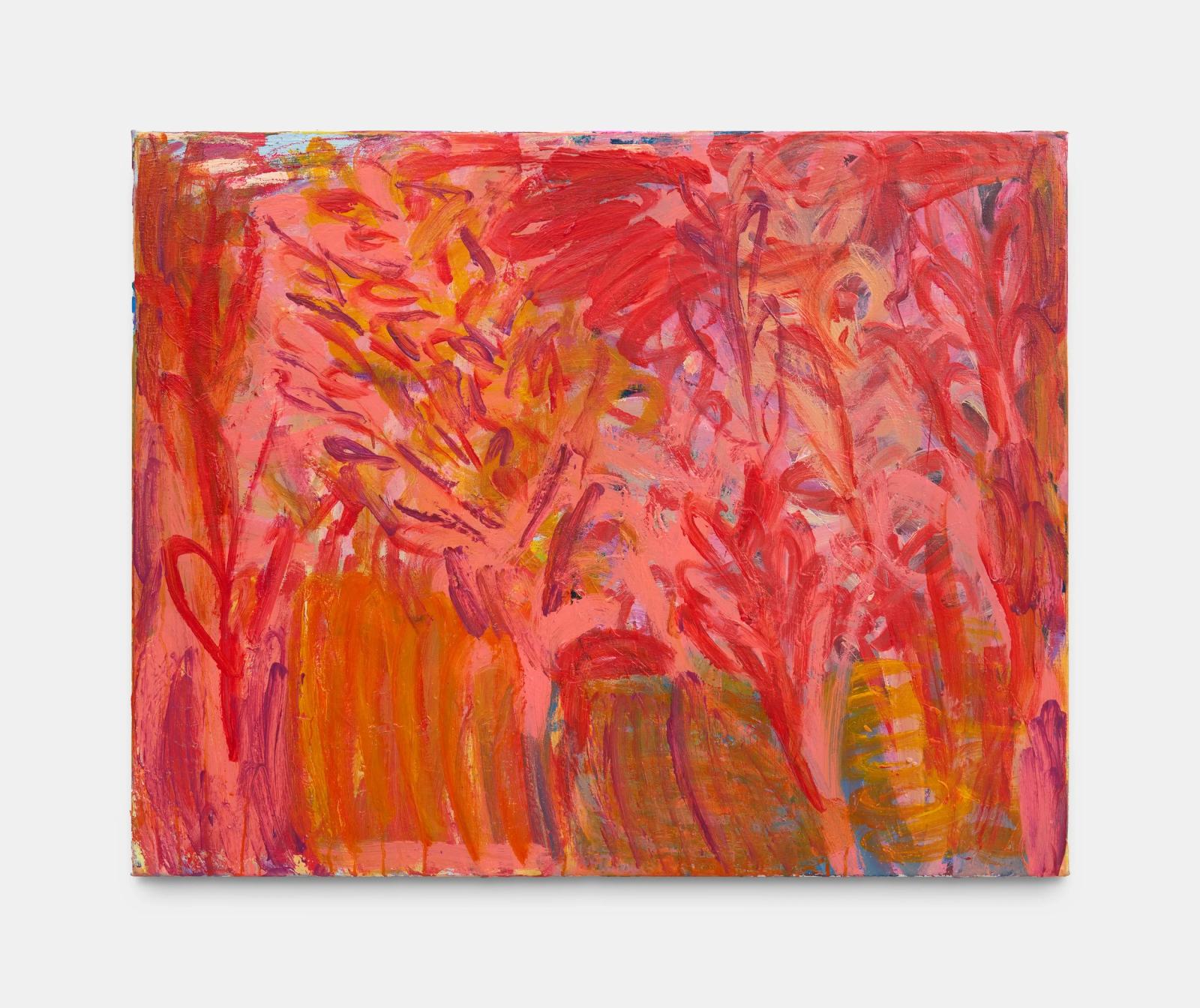
ZZ: I want to keep loosening my grip, letting the work breathe more. I'm leaning further into the first mark, the raw, physical side of painting. I want to keep stretching this visual language I'm building, seeing how far it can go.
bP: If painting were taken away from you tomorrow what other form of expression would come closest to filling that space?
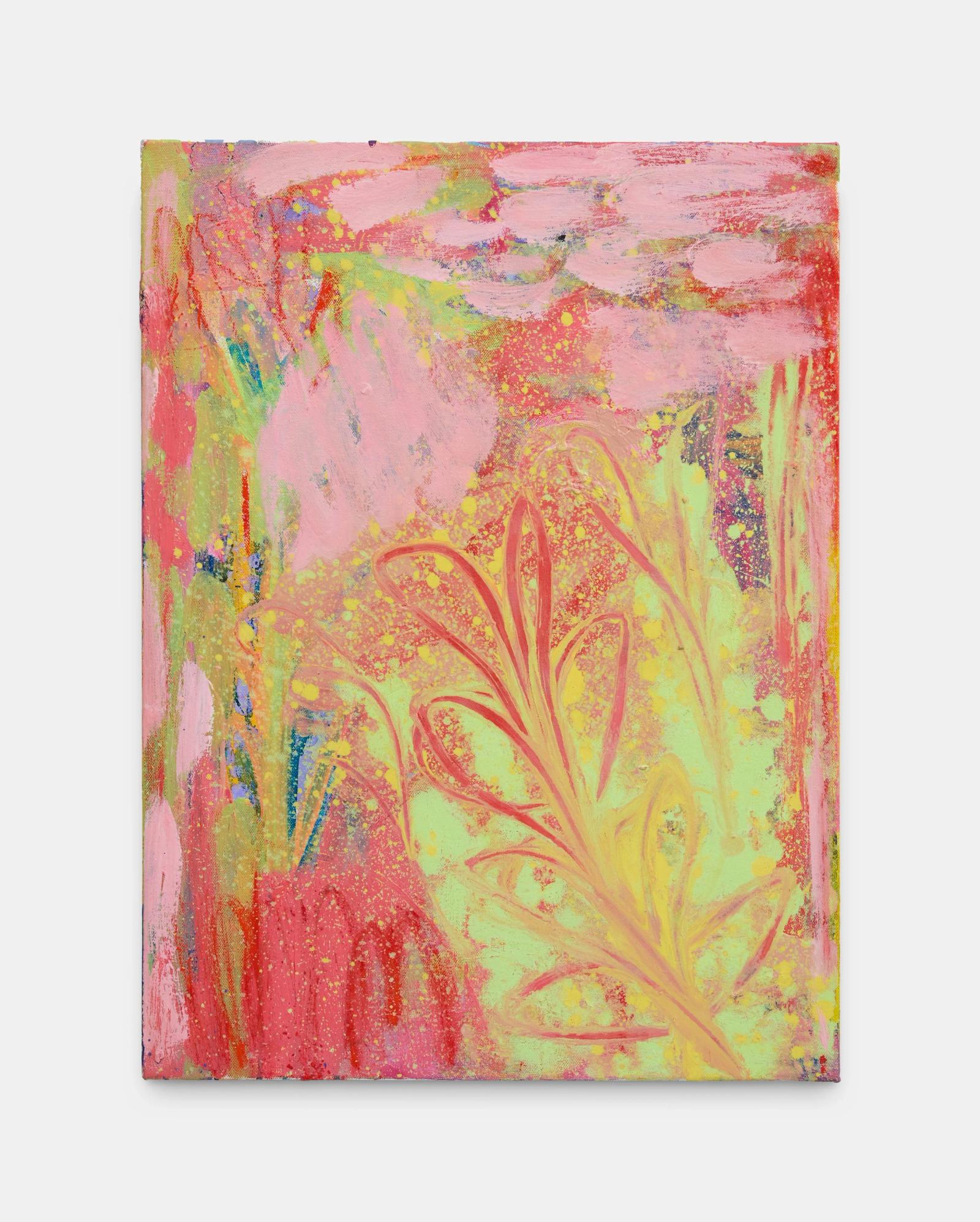
ZZ: Definitely music. I grew up playing in bands, so it's always been a part of me. There's a real connection between painting and music: rhythm, layering, tension, release. It mirrors how I work on canvas. They're both about building something that feels alive and offbeat.
bP: How has moving between continents from Cape Town to London shaped the emotional landscapes in your paintings?
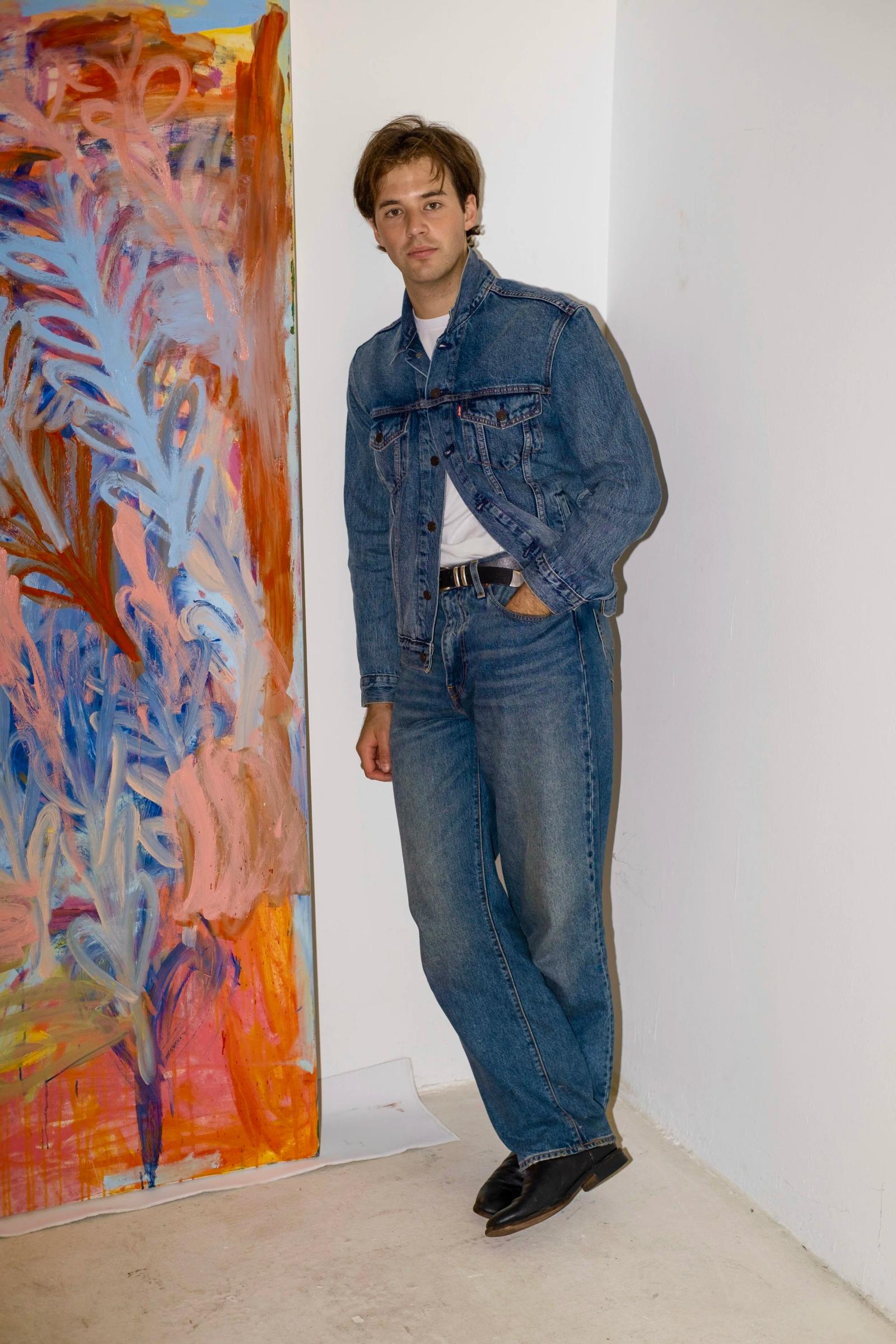
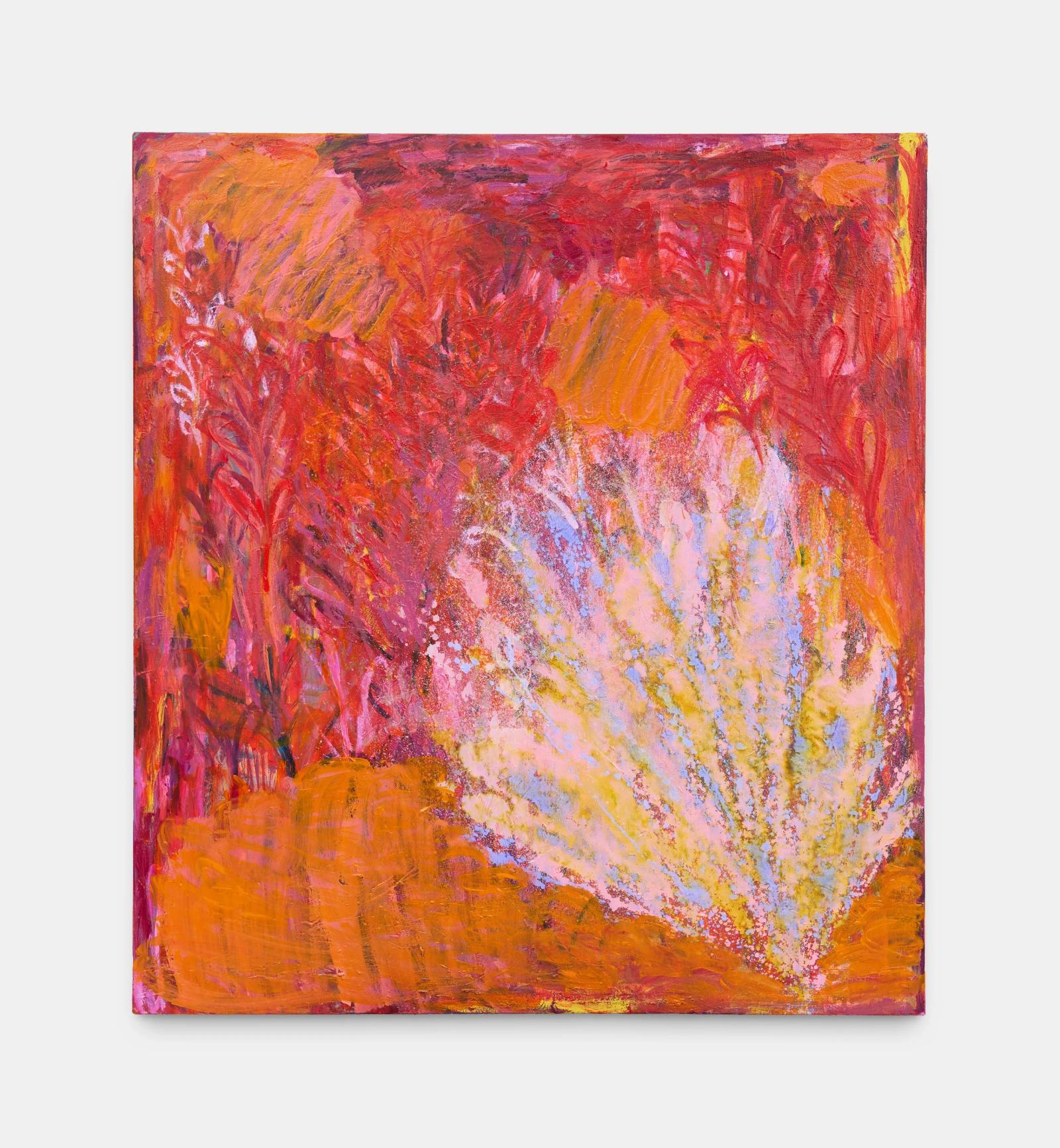
ZZ: Cape Town is in my palette: heat, light, wild saturation. London gave me movement, grit, introspection. That tension, between warmth and cool, memory and presence, has deeply shaped the work. I carry both places with me: one is where I began, and the other is where I unraveled a lot. That contrast shows up in the colour and the mark-making, memory clashing with immediacy.
bP: Have your inspirations changed as you've matured?
ZZ: Definitely. These days, I'm inspired by something new almost daily. Early on, I looked outward, at references, techniques, artists I admired. Now the work feels more internal, more instinctive. I'm pulling from memory, from feeling, from things you can't always name but still try to express. Inspiration feels less like a search and more like a remembering. I often revisit my older works, take something from them, and push it forward.
bP: Were there risks you took early on that helped shape where you are now?
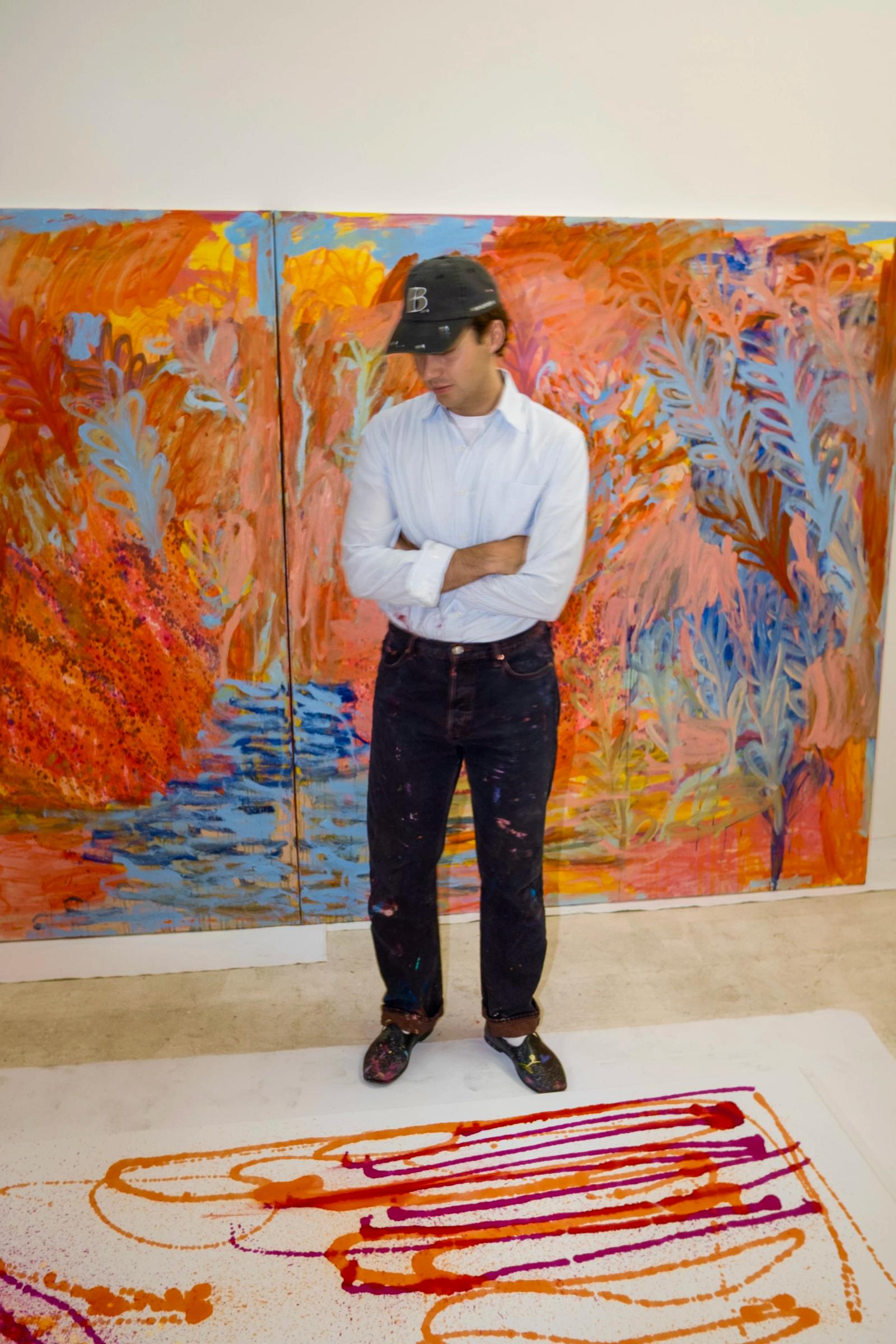
ZZ: Absolutely. My whole career started with risk. I'd put on DIY exhibitions, show work to friends before it felt finished, say yes to things I hadn't figured out yet. That kind of discomfort taught me to trust the work, even when I didn't fully understand it. Those early leaps helped me build a practice where uncertainty isn't something to fear, it's the whole point. I just kept moving forward. You need risk in art. I needed to put the work in front of anyone who wanted to see it.
Comments
Leave a comment