

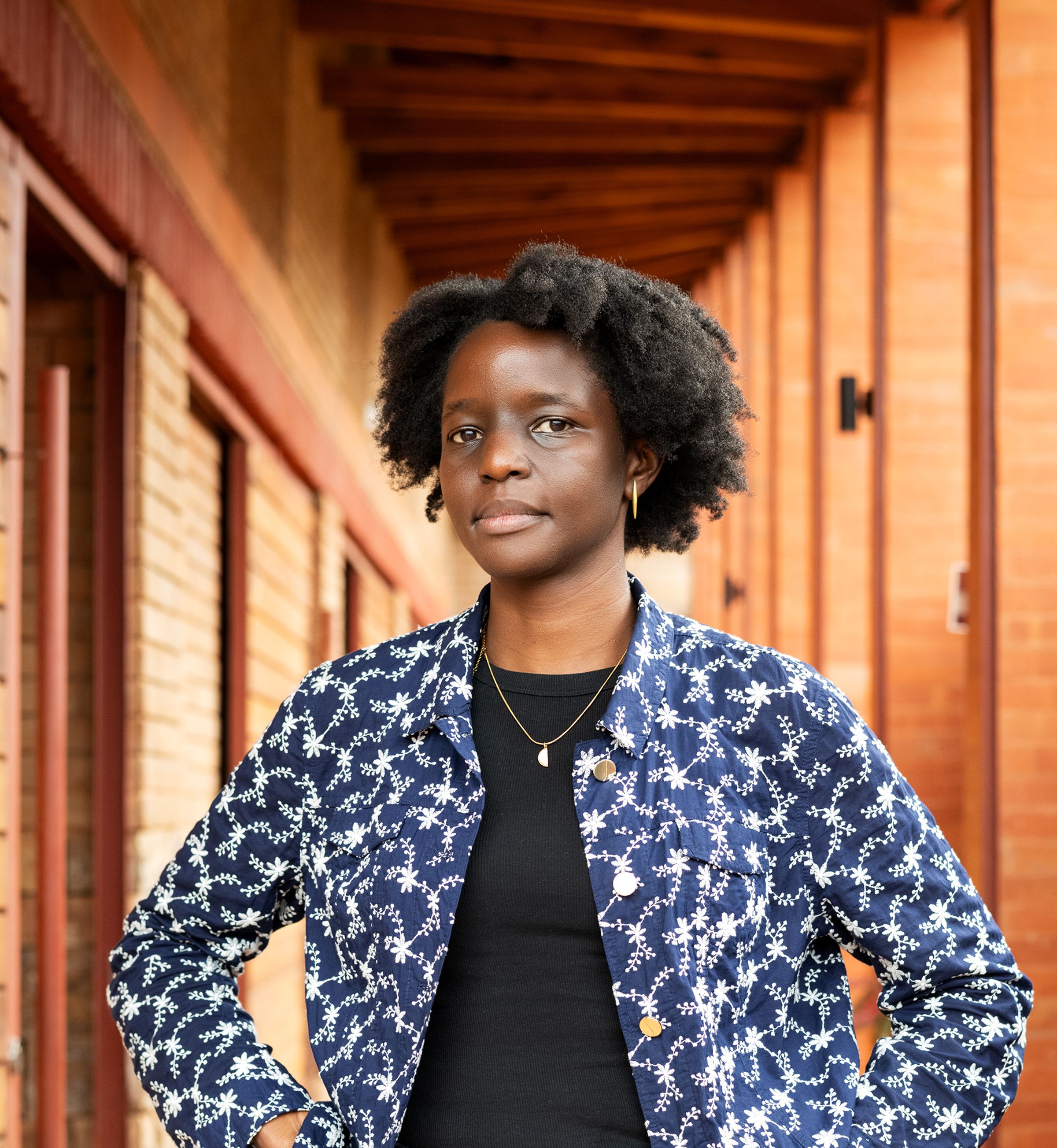
KW: Your Instagram bio states: “Trying to build in a time of collapse”. What is the collapse you reference, and what does it mean to continue building within it?
TB: Not to dodge the question but I think defining the collapse is part of the collapse. I don’t mean this in an “If you know you know” sense, but it's more to signal the kind of work that I find myself doing, building with people who also recognise this moment as one of collapse and are interested thinking through and imagining and building alternatives, the kinds of relationships and structures that will hold us during and through this collapse and an uncertain future. I see it not as continuing to build within collapse, the image for me there is like continuing to build a house during an earthquake, rather than building as a whole process that involves studying the fault lines, where the chasms will be, and what kinds of structures will be needed that are earthquake resistant.
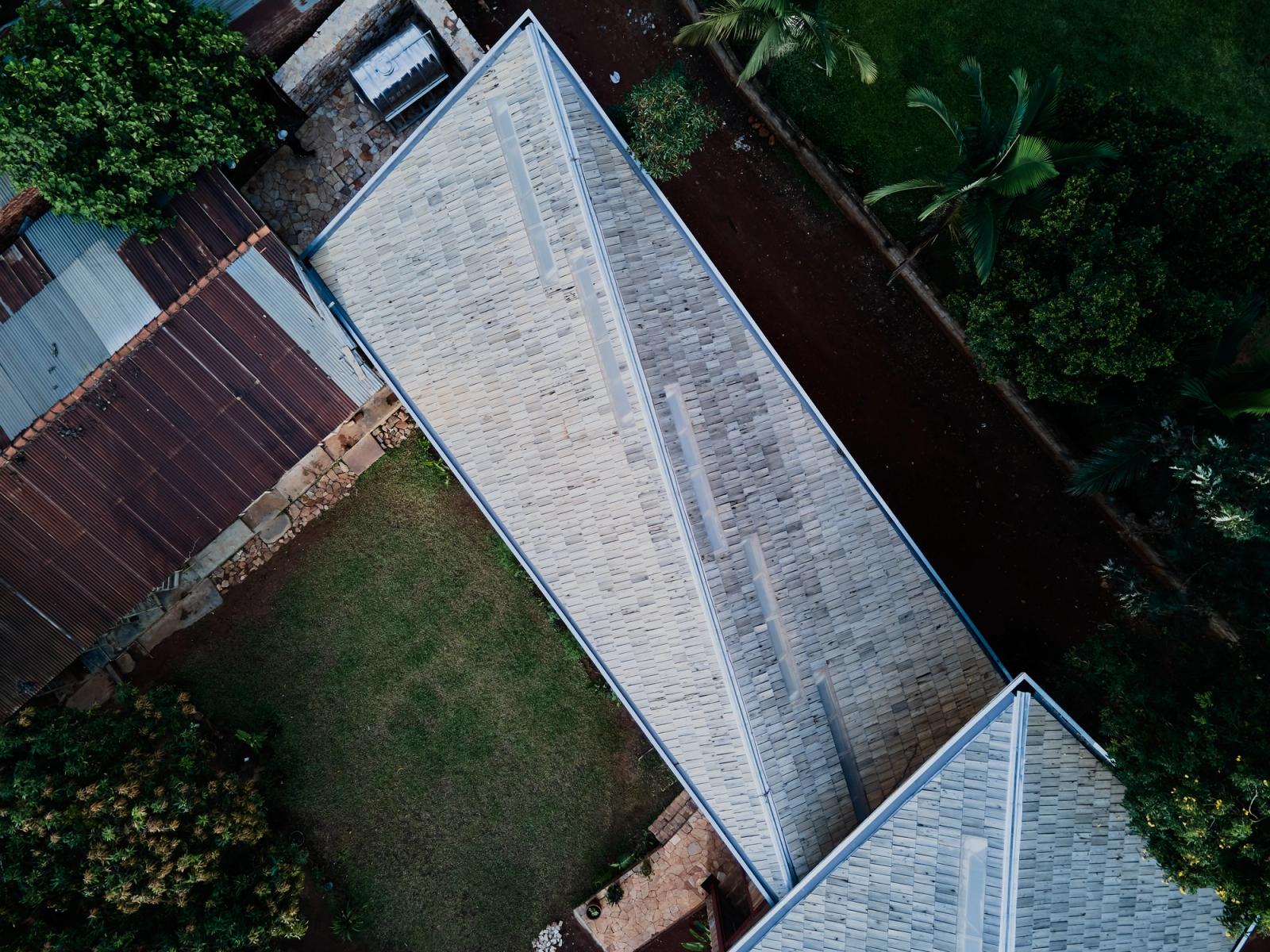
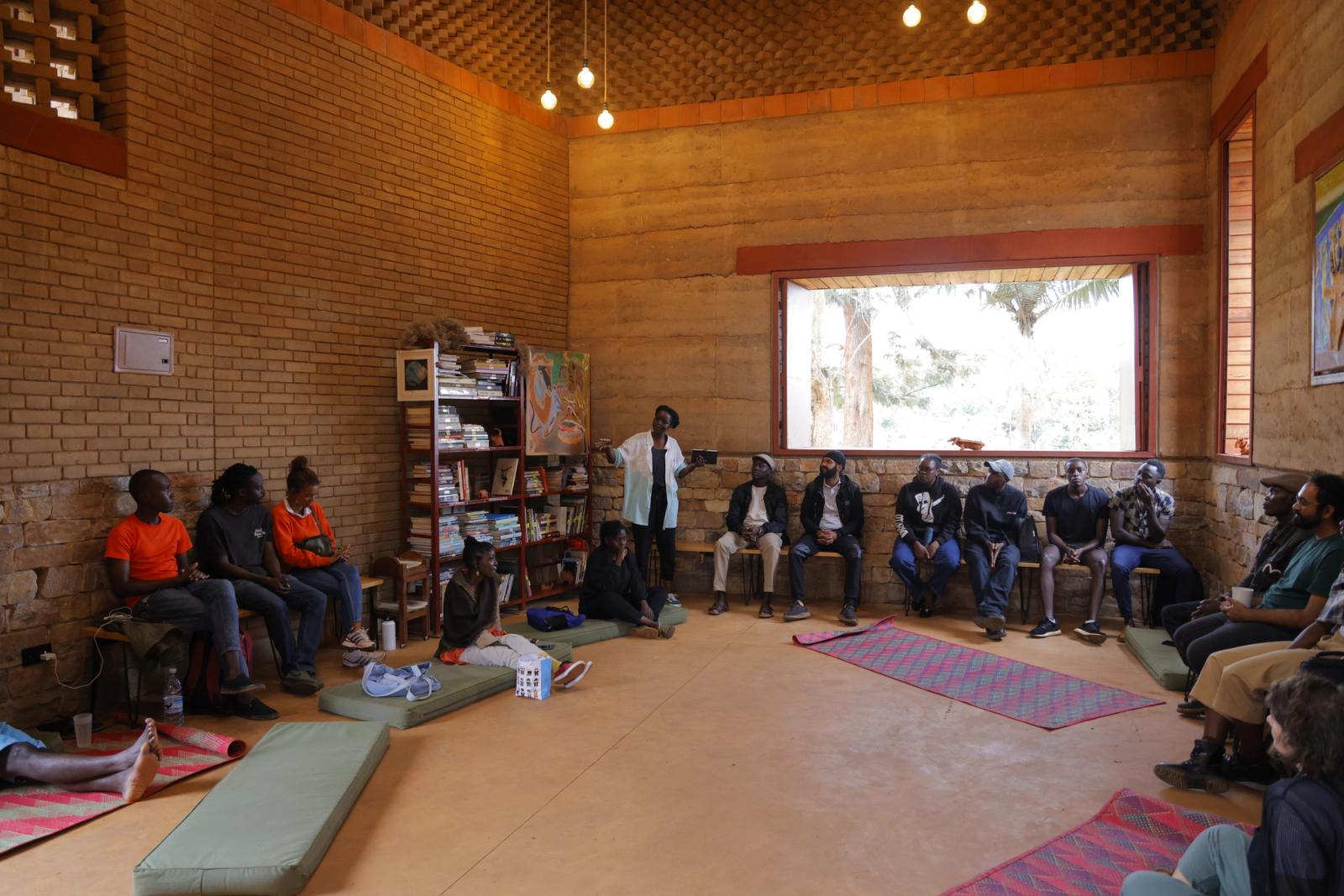
To take this out of extended analogy land, we have literally been constructing an art centre, a project we began right before COVID, and the world keeps shifting under our feet. Even though from some vantage points Uganda is seen as on the periphery of the art world, to be building infrastructure in these times also means the questions of how and why we build, and who we build for, are so very important. What are we trying to sustain, what do we want to take forward, what kinds of things can physical infrastructure do for artists, can it be a place of protection and safety—not just creativity? Can we host artists from Sudan who have fled war, and host teach-ins for Palestine? Can the building itself incite conversations on climate? Can it be a gathering space for artists who have different ambitions, ages, accents to build community and social infrastructure? I don't know, I guess that's what building through collapse might look like.
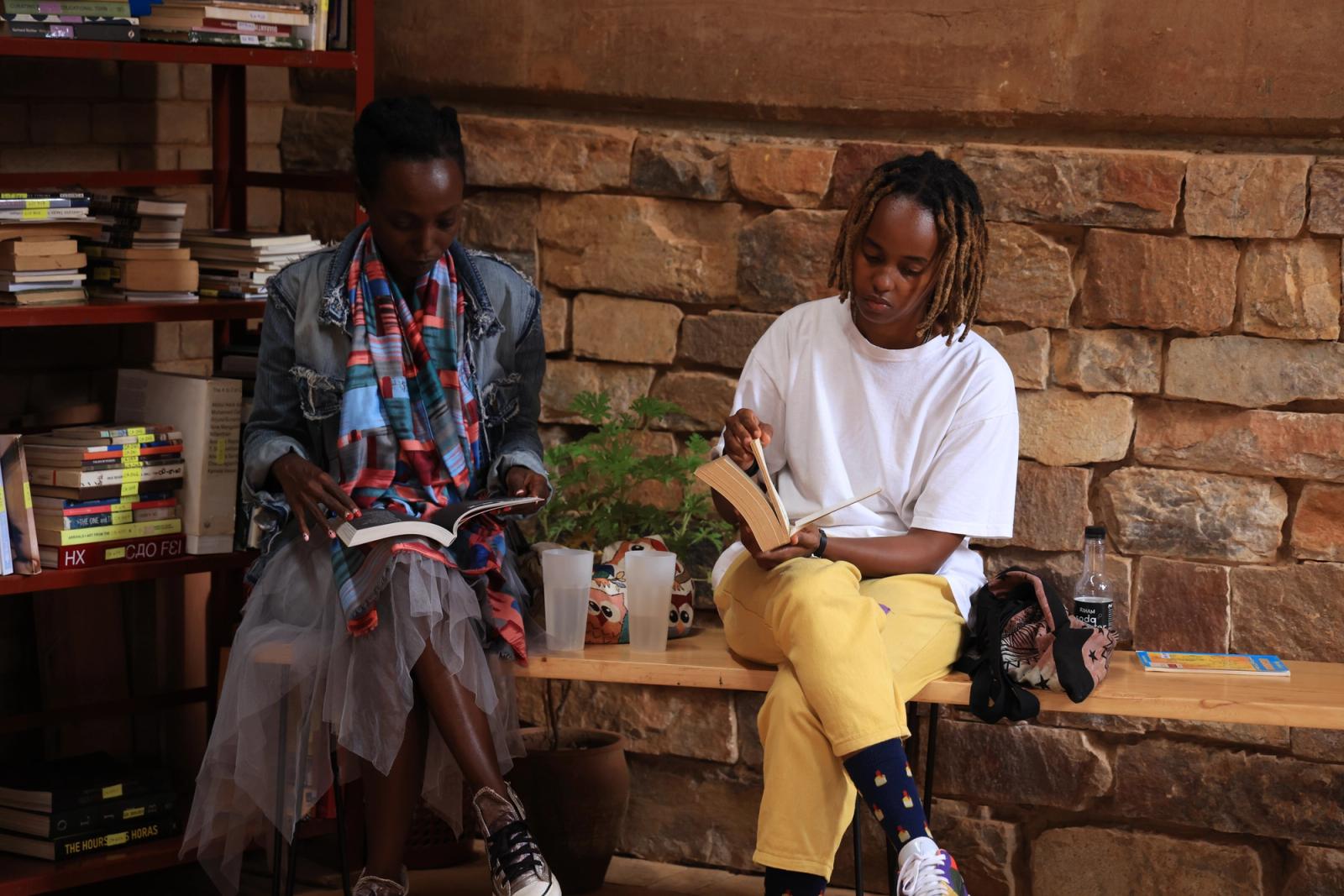
KW: As Director of 32° East, your work involves not only supporting artists, but shaping the structures that make artistic practice possible. How do you understand institution-building as a creative and critical practice in its own right?
TB: It's creative and critical because it's constantly evolving, because the times are constantly evolving. You have to be constantly weaving different priorities and relationships and ideas while holding on to both what you believe the institution can do/can make possible and who the institution is for, remembering that the institution does not exist for its own sake. And you have to make space for that kind of deeper reflective work which is also really difficult when doing the daily work of programming and fundraising. There's also the creativity that comes from working in scarcity, and the energy that comes from shaping an institution that at least attempts to engage with the crises of our times not from a removed position of intellectual curiosity but because we are implicated and see the institution as a place for agency.
KW: This series considers non-conformity not only as resistance, but as a way of constructing alternative systems. How does non-conformity operate within your approach to building and sustaining an institution?
TB: I don't know, I feel like there's something missing to that consideration, non-conformity to what, resistance to what? Non-conformity can become a brand, a form of capital, particularly in the art world. So it's not really something I think about in my work. This may also be that some part of non-conformity is a bit of a default when you choose to work in contemporary art in Uganda, we are already atypical in that sense.
Perhaps because we are operating in Uganda, where there isn't a well trodden path to our work it is a lot easy to not conform, to test out ideas, to explore different ways of governing or building relationships with artists. I don't know, I don't want to glamourise it, a lot of my approach also involves trying to collaborate with other people or organisations who are trying to imagine a different kind of art world, even if a collaborative project doesn't emerge they are all people I rely on to puzzle out loud with because there are no established answers.
KW: What are some of the greatest challenges currently facing 32 Degrees East? And things you are most excited about?
TB: Greatest challenges—like many small independent arts organisations, funding. Especially funding to complete our building and manage operations. To expand that though I'd also say the challenge is working out what to do in this shrinking funding landscape, how do we build different kinds of funding structures that bring about more independence and freedom? And how do we find the time and other resources to build these structures? The flip side is that it is part of the exciting work. I find more and more people interested in this way of thinking. I'm also very very excited about the kinds of things we'll be able to do once our building is complete, being able to work with more artists and have more artists in the space to cross-pollinate ideas and ways of working, and build more community.
KW: In the face of ongoing structural challenges—in this time of collapse—where do you look to for inspiration and the drive to keep going?
TB: I'm inspired by all the people and organisations that are questioning and re-imagining what institutions can look like, how do they respond to climate catastrophe, genocide, fascism, mis/disinformation not just in terms of exhibitions, commissions, programming but other kinds of formulations, structures, timelines, governance. As difficult as it feels to be alive in times of such cruelty and impunity, there is also an energy that comes from knowing that there is so much work to be done and that art can still be a place of possibility and imagination when so much of our future seems foreclosed.
Comments
Leave a comment