

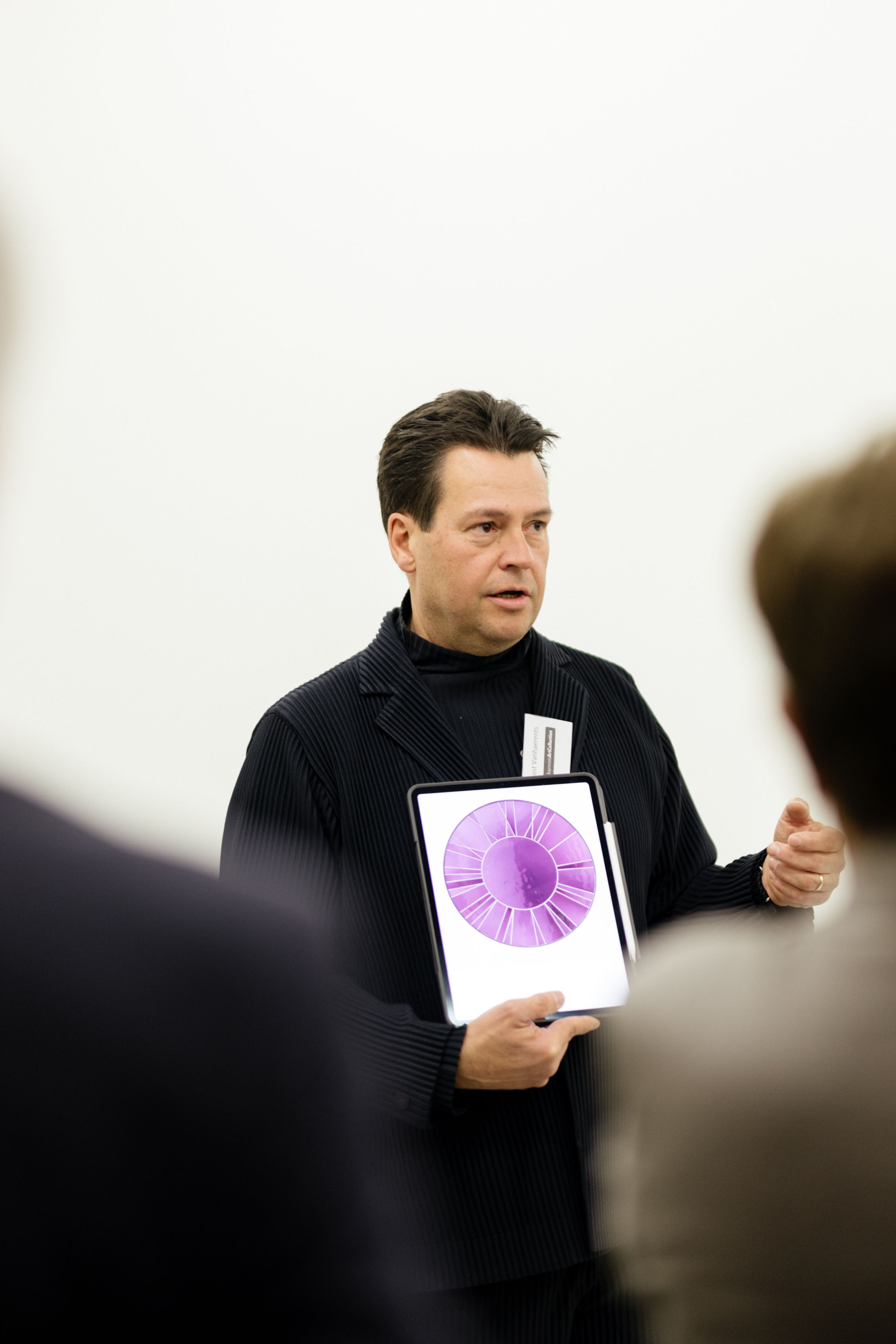
BB: Reading through previous interviews, one idea that kept resurfacing was the role of instinct. How has your understanding of instinct changed as collecting has become a family conversation?
JV: I wouldn’t call it instinct, but experience and knowledge gained through training and by constantly reviewing and comparing what we have seen in the past. Purchases are highly impulsive and unpredictable. They are always the result of a process of ‘falling in love’ with the artwork in question. We buy with our hearts and our eyes, and are always on the lookout for masterpieces to form part of the collection. We have no fixed plan, budget to spend or wish list: we’ll just see what comes our way.
When we were young children, aged 8 and 6, my sister and I were taught to look at art. And at the end of every visit to a gallery, we were asked which works we preferred. Because in every exhibition there are usually one or more works that stand out. Learning to spot and recognise them was a task we were set. So the conclusion is that the way in which we buy and select works of art has not changed over the generations. Of course, there are personal preferences and favourites, and this means that, as a trio, we have a broader perspective on the art world than in the early 1980s, when our father made his choices on his own. Yet even then, he found our input valuable.
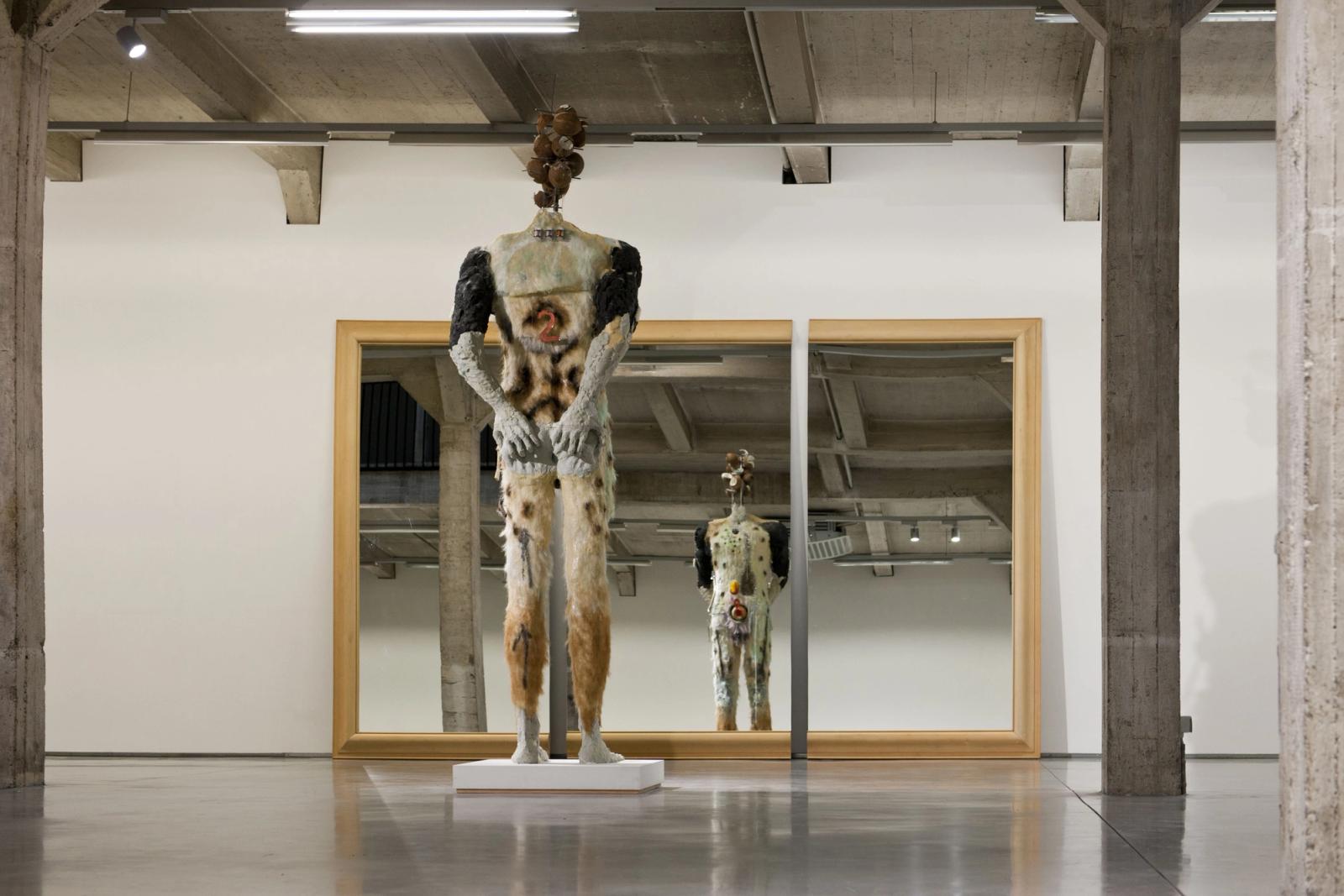
BB: Do you think the collection today could have existed if it had remained the vision of one person?
JV: I think so. After all, there are a many great collections that have been built up by a single person and remain relevant today because they reflect the collector’s relationship with the favourite artists of his generation. What’s more, our father is someone who, despite his advanced age, still thinks in a very contemporary way. He always looks ahead and has no regrets about choices that may or may not have been made in the past.
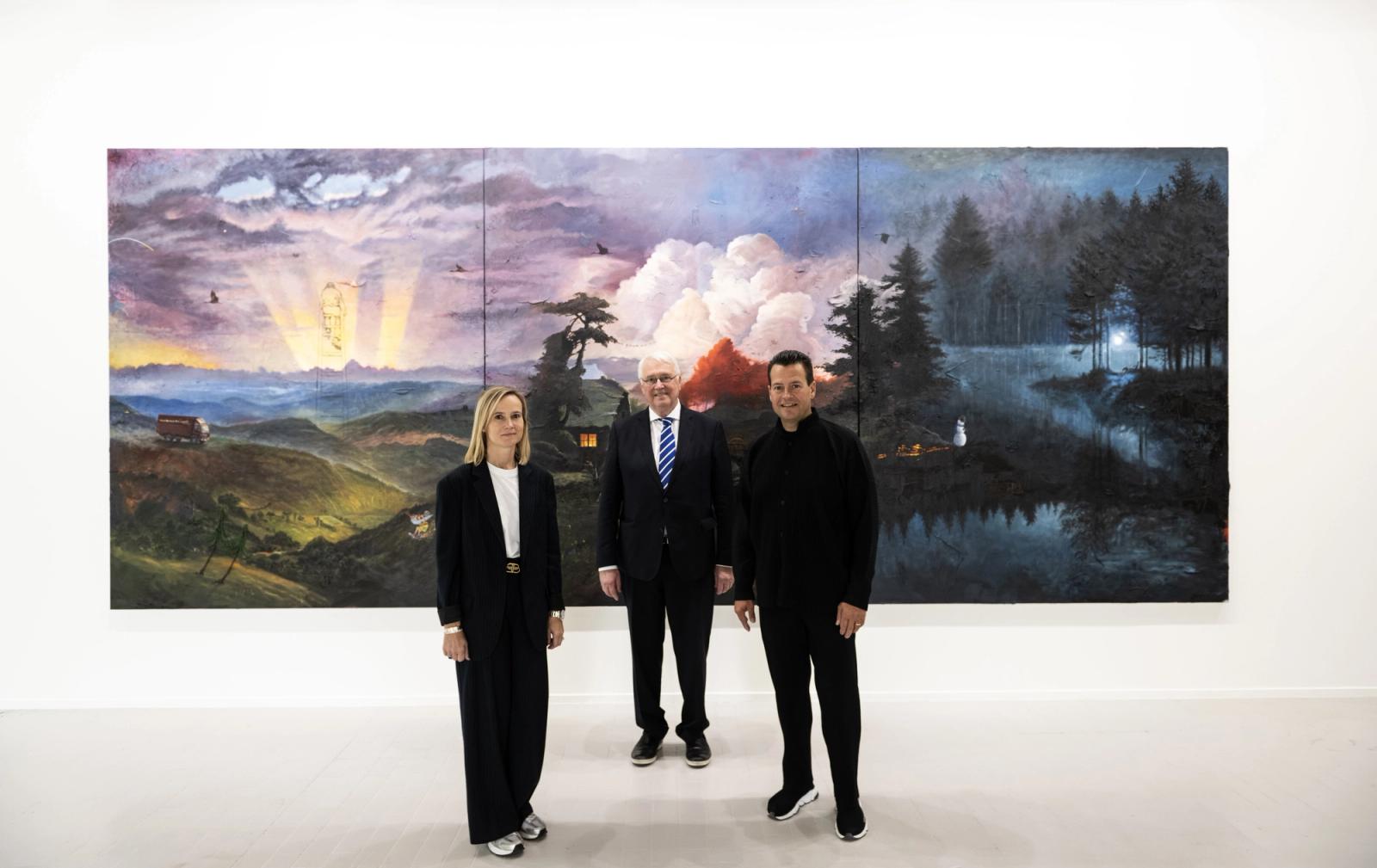
BB: How much has the building shaped the collection, rather than simply housing it?
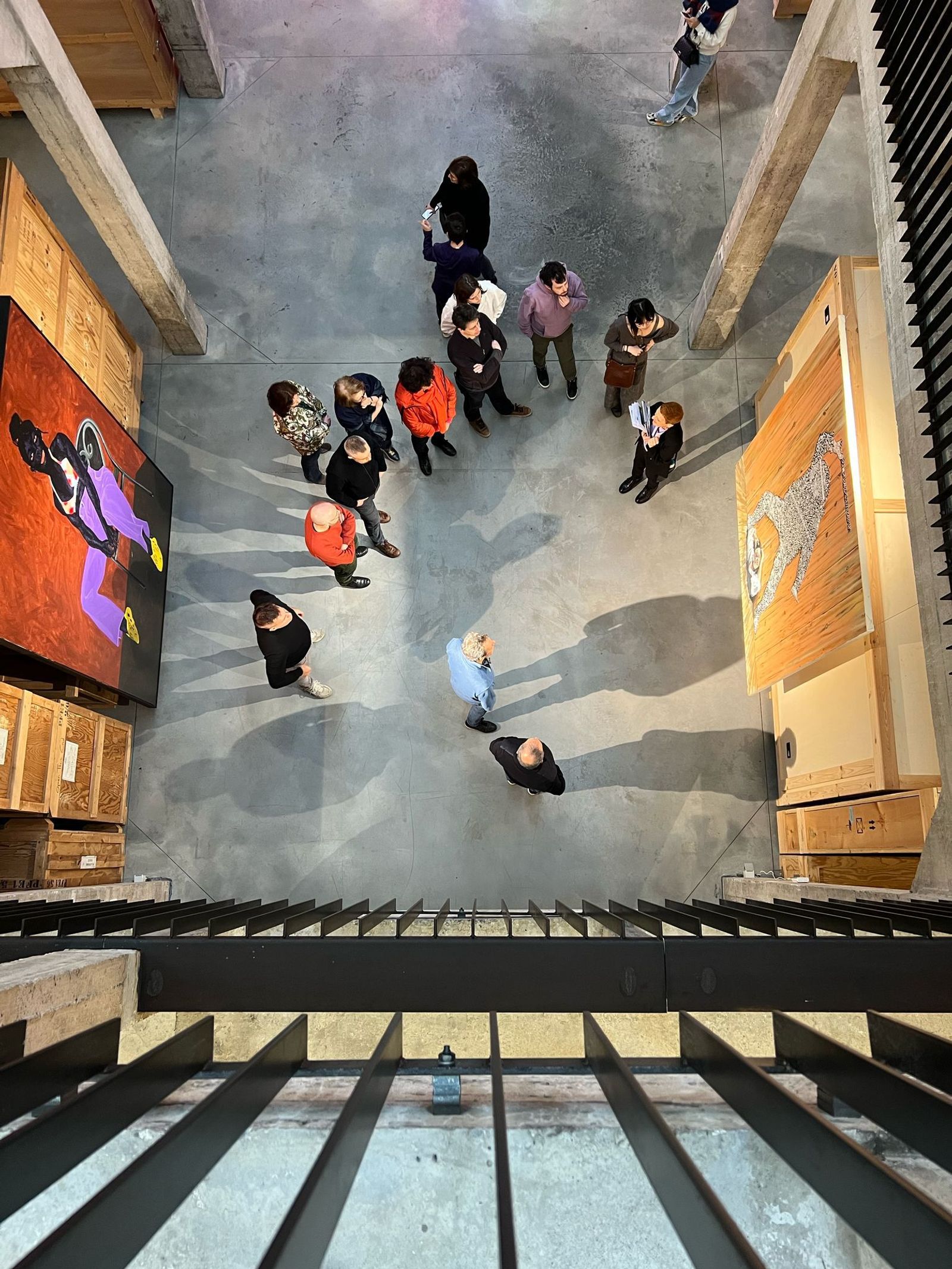
JV: The building housing the collection is an old industrial warehouse in the centre of Brussels. It has a typical industrial look and was renovated with a sense of simplicity, humility and respect by the leading architects Robbrecht & Daem from Ghent. The building resembles the kind of place where many artists create their works; artists’ studios are often located in old industrial buildings. The building is in no way intended to compete with the artworks.
The 3,500 m² floor area is ideal and allows visitors to view the exhibition in the space of an hour and a half. We apply the principle of ‘less is more’ and give the artworks sufficient space so that visitors can experience them as independent entities, rather than having them influenced by other works hung too close by.
The works take centre stage and are the most important element; the building serves to support them. However, both the collection and the
building radiate quality.
BB: I’m interested in the absence as well as presence; has there ever been a work that you loved, but for some reason couldn’t exist within the space or collection?
JV: Of course, we regret that some artists are missing from the collection. But we focus on what we have, rather than what we don’t have. As the collection only began in the early 1980s, we’ve missed out on the major minimalists such as Robert Ryman, Dan Flavin, Ellsworth Kelly, … .
But that doesn’t stop us from thoroughly enjoying them whenever we come across them in a museum or a private collection. The rapidly rising prices in the art market also mean that you no longer get the chance to follow an artist for a few years before deciding to buy their work.
BB: When the collection moves locations; from Brussels to Venice to Lille, how does context affect it? Do new conversations emerge with the new locations?
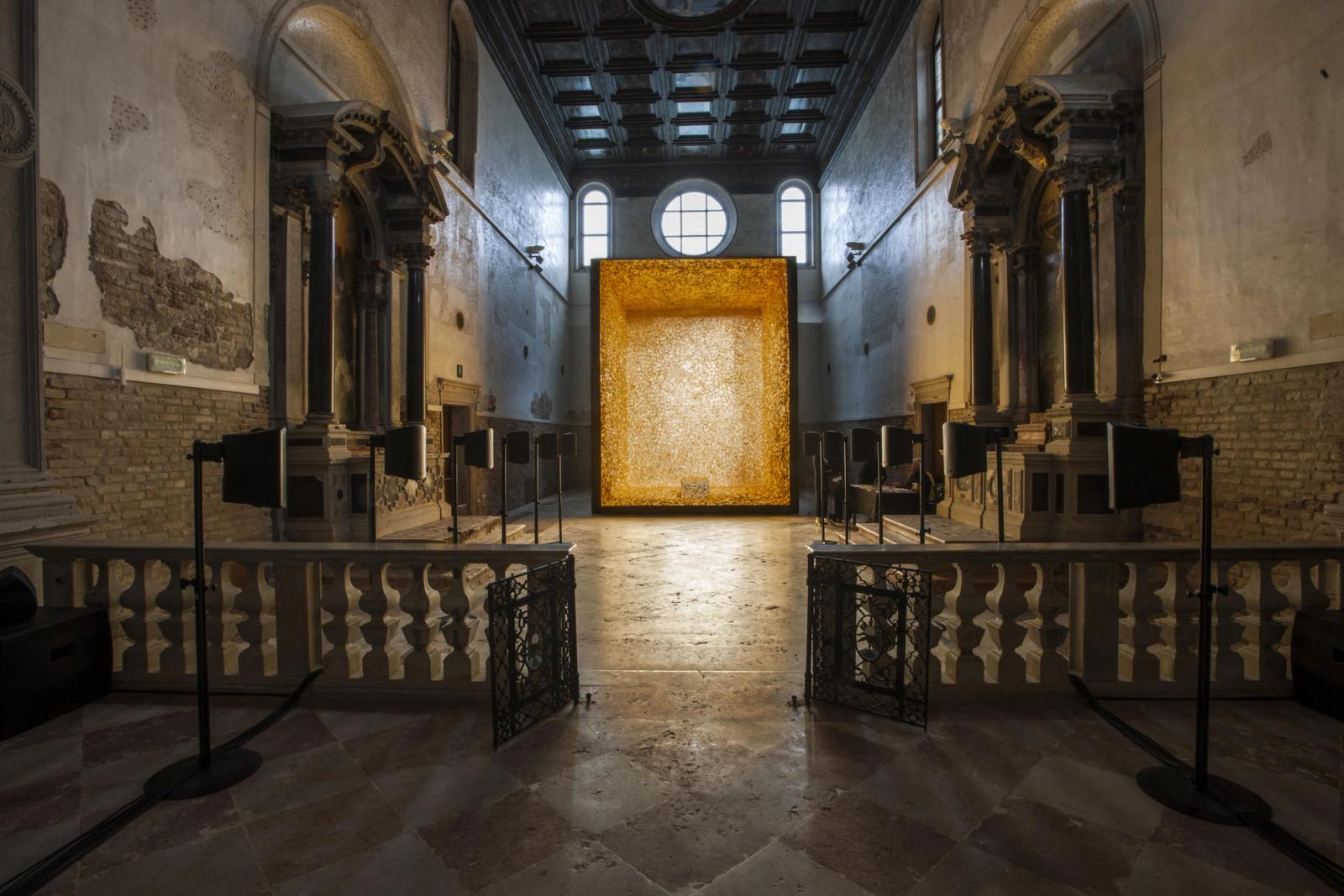
JV: Taking part in the Venice Biennale in 2015, 2019 and 2024 was important for the collection’s international profile and recognition. Many art lovers from home and abroad came to know us in Venice. Naturally, the venue in which you exhibit your work has an impact on the context and on what you choose to display in the first place. The decision to exhibit one of the most iconic works from the collection – ‘The Death of James Lee Byars’ – within and on the scale of the ‘Chiesa di Santa Maria della Visitazione’ was an absolute highlight.
The exhibition ‘Au bout de mes rêves’, in collaboration with Lille3000, was intended to be a ray of hope in a dark time of war, uncertainty and economic and social unrest. It is wonderful to see how moved visitors are when they interact with the artworks we have selected. I truly believe that art is food for the soul.
And by sharing our passion with others, an indescribable magic is created. Moreover, the exhibition in Lille, covering an area of 6,000 m², enabled us to display works of art that we had already shown in Brussels but which had been in storage due to a lack of space. For connoisseurs of the collection, but also for us, it was a joyful reunion.
BB: Walter has often distinguished between collectors and gatherers; collecting and simply accumulating artworks. What transforms an accumulated group of
artworks into a collection with a unified identity?
JV: He is annoyed that many art buyers ‘buy with their ears’ (based on fashions, trends and an artist’s reputation). He counts himself amongst those who buy ‘with their eyes and their heart’ – driven by intuition and personal aesthetics rather than investment value. He does not see himself as a traditional ‘tick-box collector’. He does not collect to hoard objects or out of greed, but regards building up his VanhaerentsArtCollection as creating his own architectural and mental world.
The collection may seem very diverse or eclectic to an outsider, but all the works have one thing in common. Each one has been purchased with genuine enthusiasm for the art itself, and together they form and are part of the Vanhaerents Art Collection.
BB: Looking to the future of the collection, where do you hope it will take you?
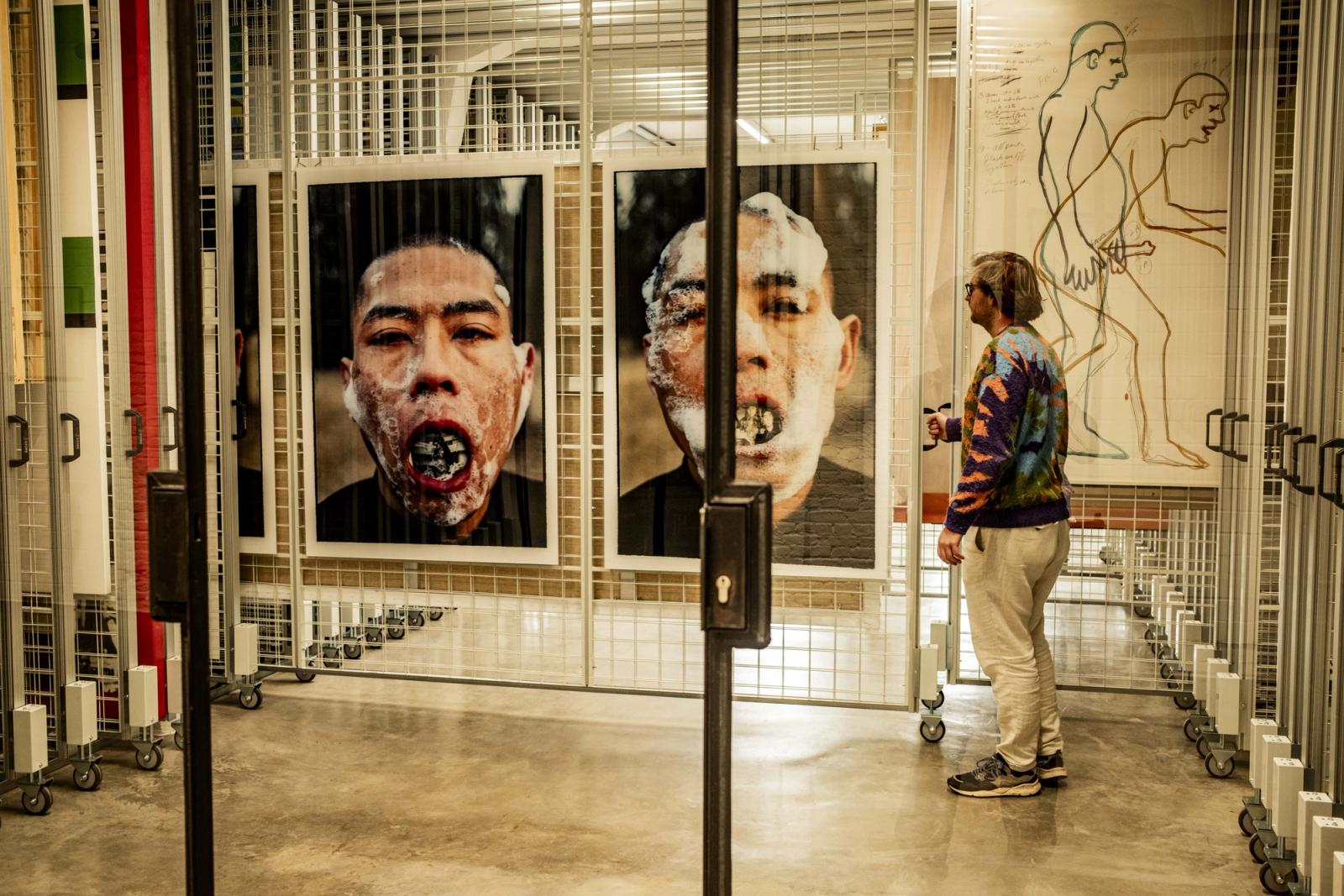
JV: We are currently creating a new format of showing the collection to the public :
2007-2017 : standard museum exhibition format
2017-2026 : the format of the viewing depot ( schaulager )
2027 : 20 years VanhaerentsArtCollection : anniversary exhibition
From 2028 : artistic alliances / platform for dialogue with other public and private collections
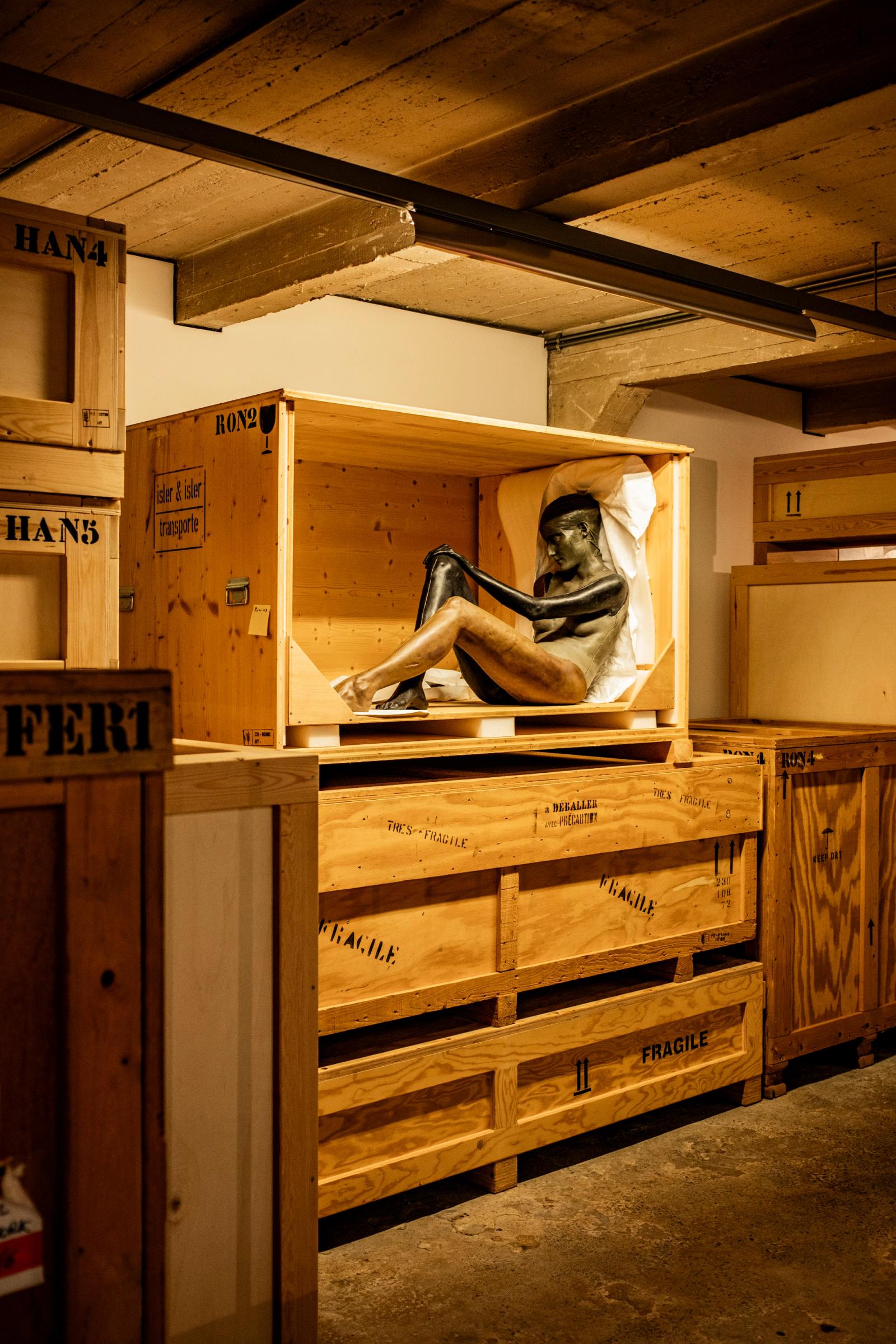
The collection originated in the 1980s when our father, Walter, bought his first works. What began as a hobby became a passion, and the collection grew over the years. However, it was not until 2000 that we found a home for the collection. Following the construction and renovation work, we opened the VanhaerentsArtCollection in Brussels on 16 March 2007. The building is a former industrial site dating from 1925 in the centre of Brussels and covers 3,500 m². During the first 10 years (from 2007 to 2017), we organised three traditional exhibitions featuring works from the collection. In 2017, we decided to discontinue external storage and switch to the hybrid model of a viewing depot, where we seek a balance between storing and displaying art within the same building. Next year we will celebrate our 20th anniversary, and on 16 March 2027 we plan to stage an anniversary exhibition featuring works from the collection. In the spring of 2028, we then intend to take a new direction and allow the collection to serve as a platform for dialogue, whilst seeking artistic partnerships ( artistic alliance )with other private and/or public collections. We are currently in discussions with various parties.
Comments
Leave a comment