

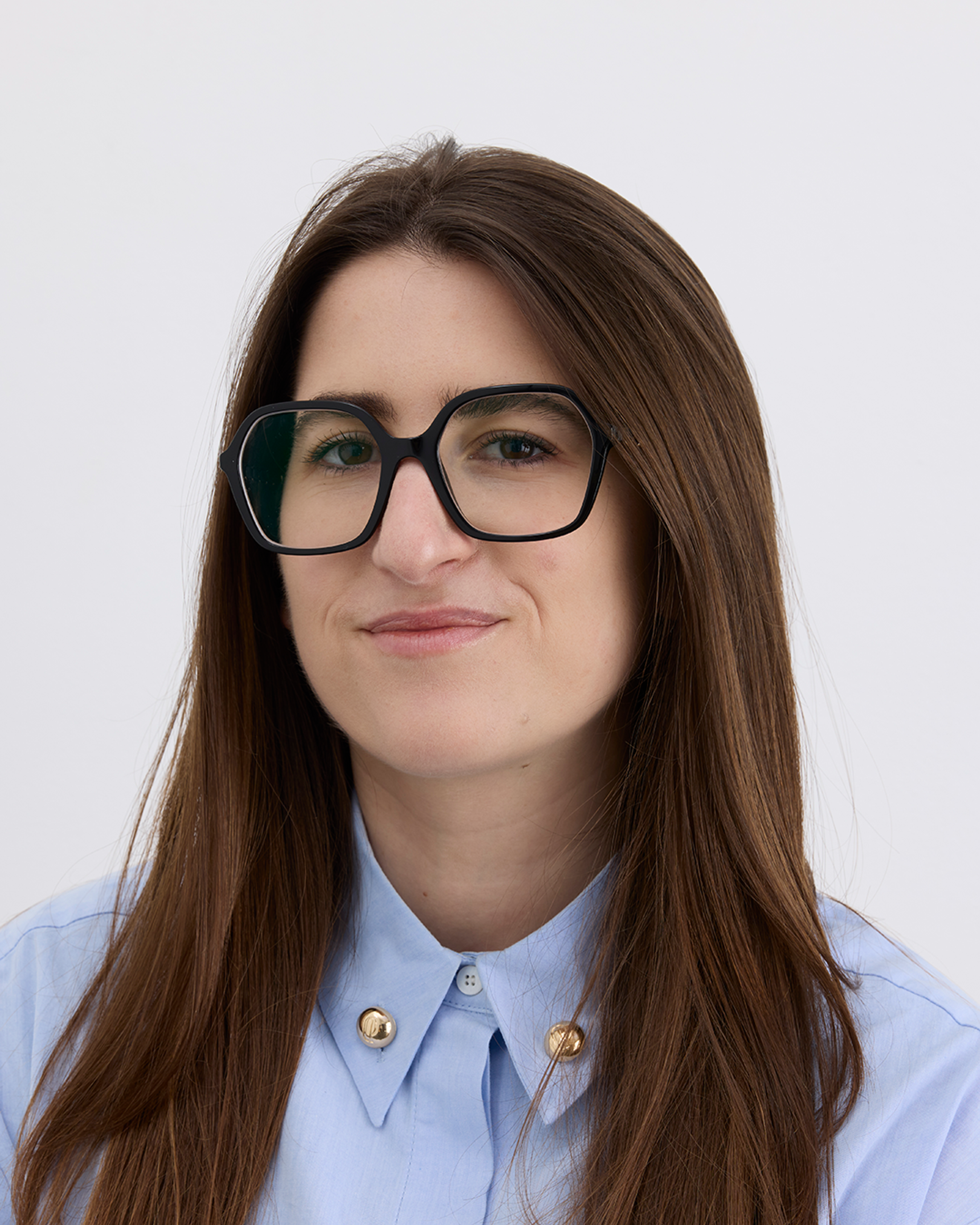
BB: Your career has taken you from being an artist to founding London Paint Club, and now to working inside major art institutions. How have those experiences changed the way you connect with contemporary art?
KF: My relationship with contemporary art has changed enormously because I’ve gradually experienced the art world from so many different perspectives.
When I was studying photography at Rhode Island School of Design, contemporary art still felt quite mysterious to me. I grew up outside Washington D.C. with access to incredible museums, but museums also made art feel quite distant and untouchable. I knew about some of the major galleries in New York, but I had no idea how they operated or how artists actually ended up exhibiting in them.
After art school, I spent several years in Zagreb, Croatia, where I found myself surrounded by young photographers, filmmakers, street artists and painters. For the first time, I understood that an art world wasn't just something that existed in museums and magazines — it was a community of people.
When I moved to London in 2017, I became obsessed with visiting galleries and discovered this enormous ecosystem of small galleries, project spaces and artists creating their own opportunities. That curiosity eventually became London Paint Club.
Building LPC taught me about all the invisible work surrounding an artwork: studio visits, writing, curating, installation, publishing, sales, fairs and the relationships that allow exhibitions to happen.
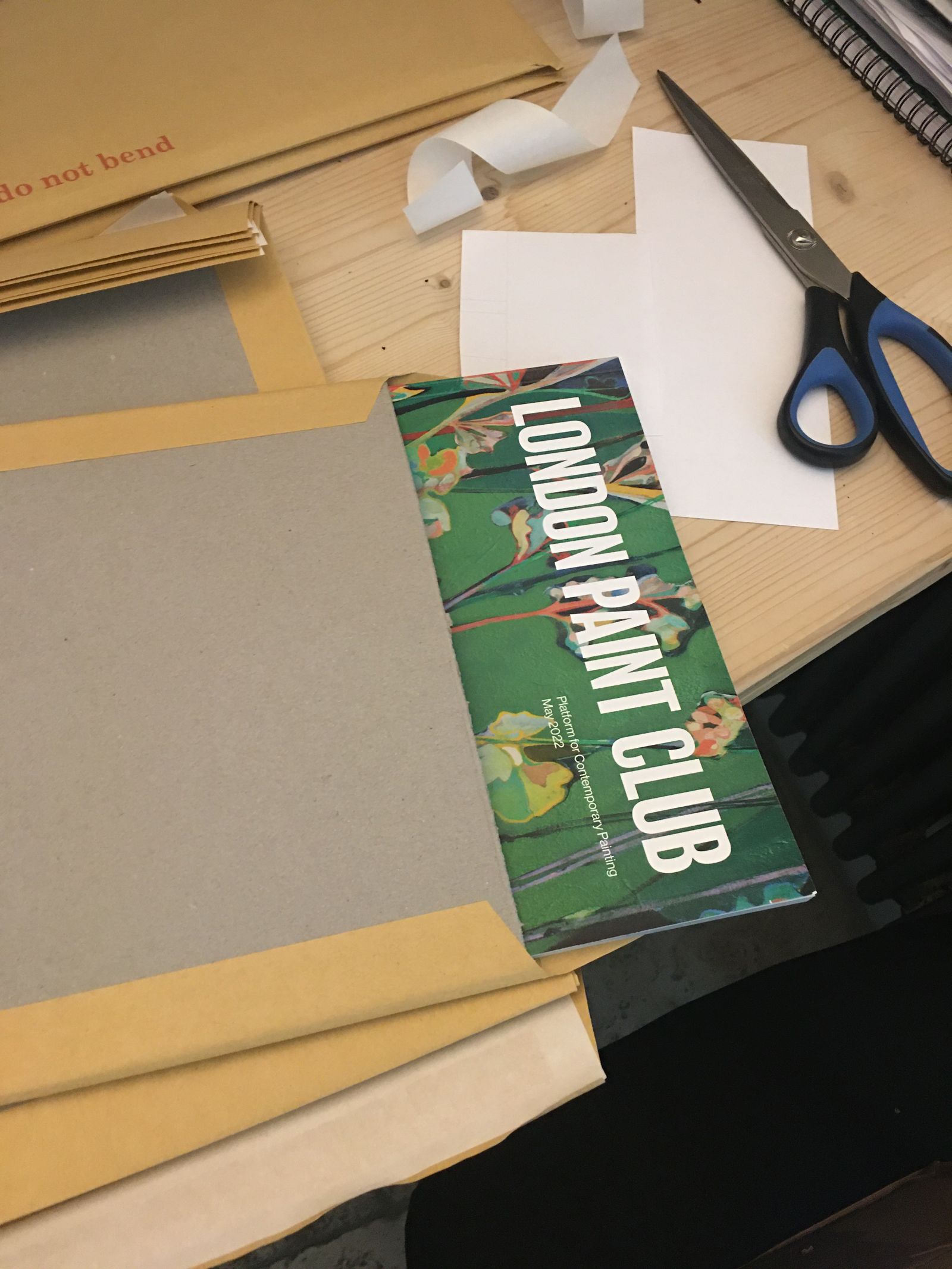
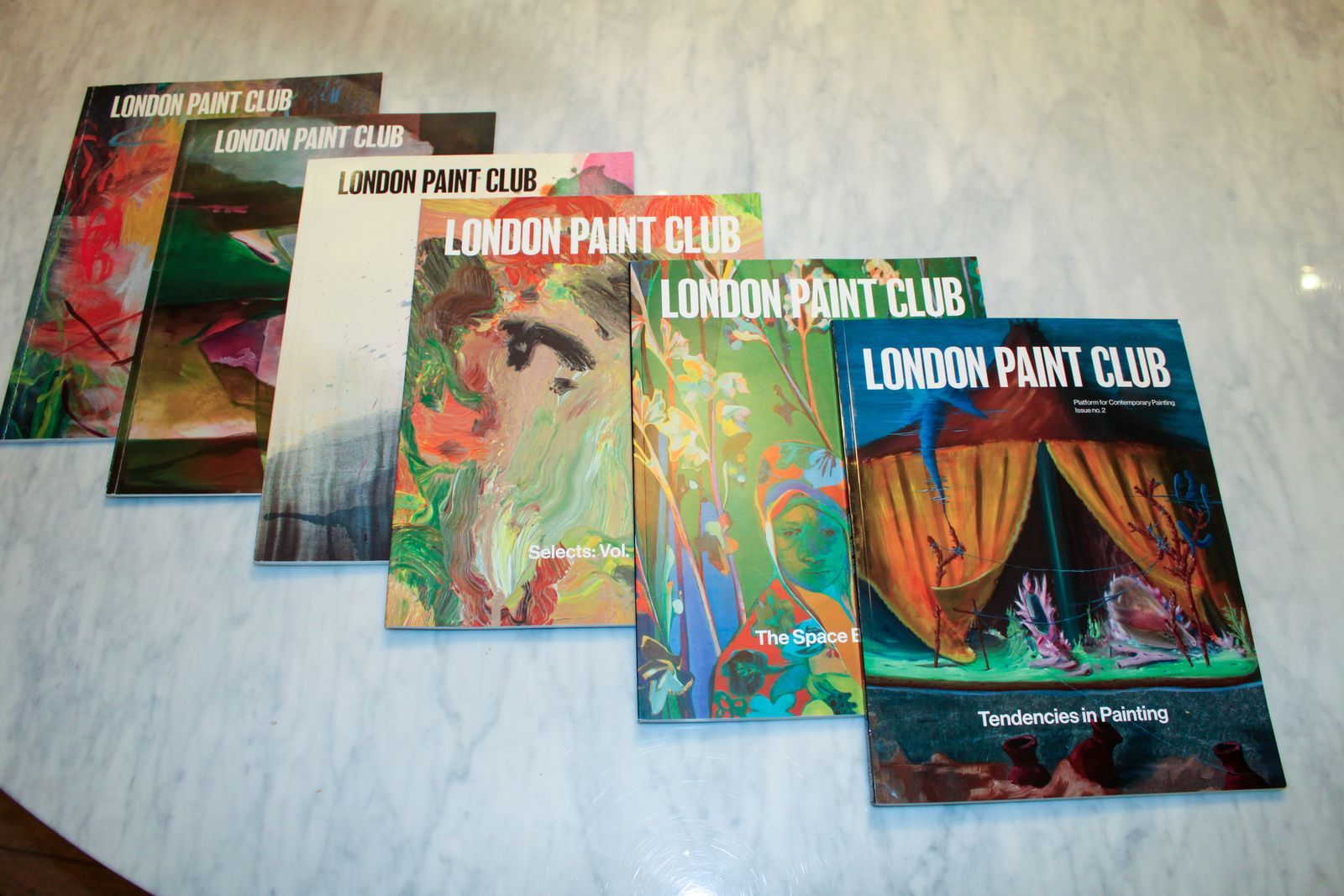
Packing London Paint Club magazine, May 2022. Image courtesy of London Paint Club.
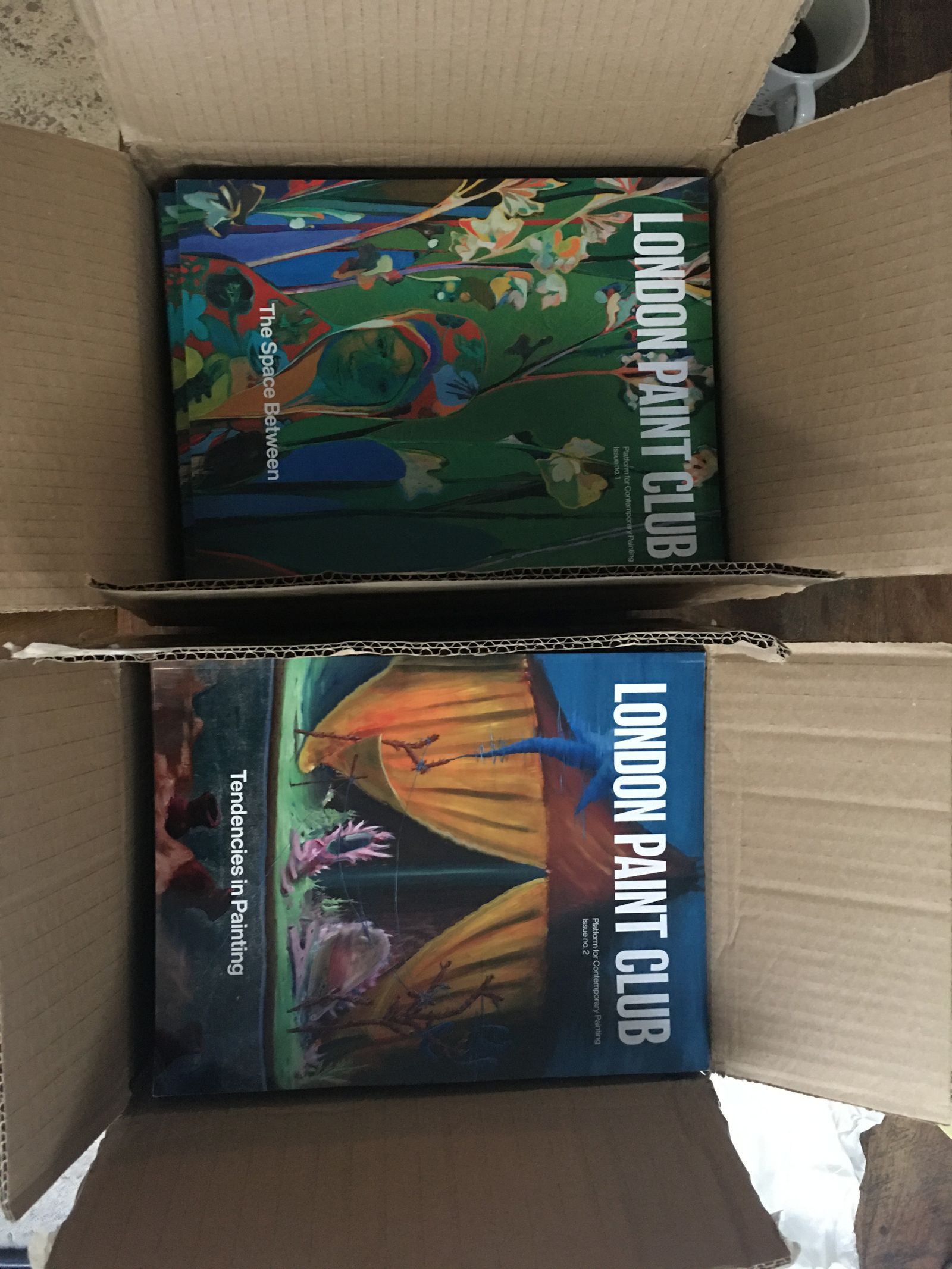
Shipping London Paint Club magazine, May 2022. Image courtesy of London Paint Club.
Later, working at The Art Newspaper broadened that perspective internationally. I travelled to fairs and exhibitions around the world, worked alongside art journalists and visited artists in their studios. It made me think much more about the ways art intersects with politics, economics, institutions and the market.
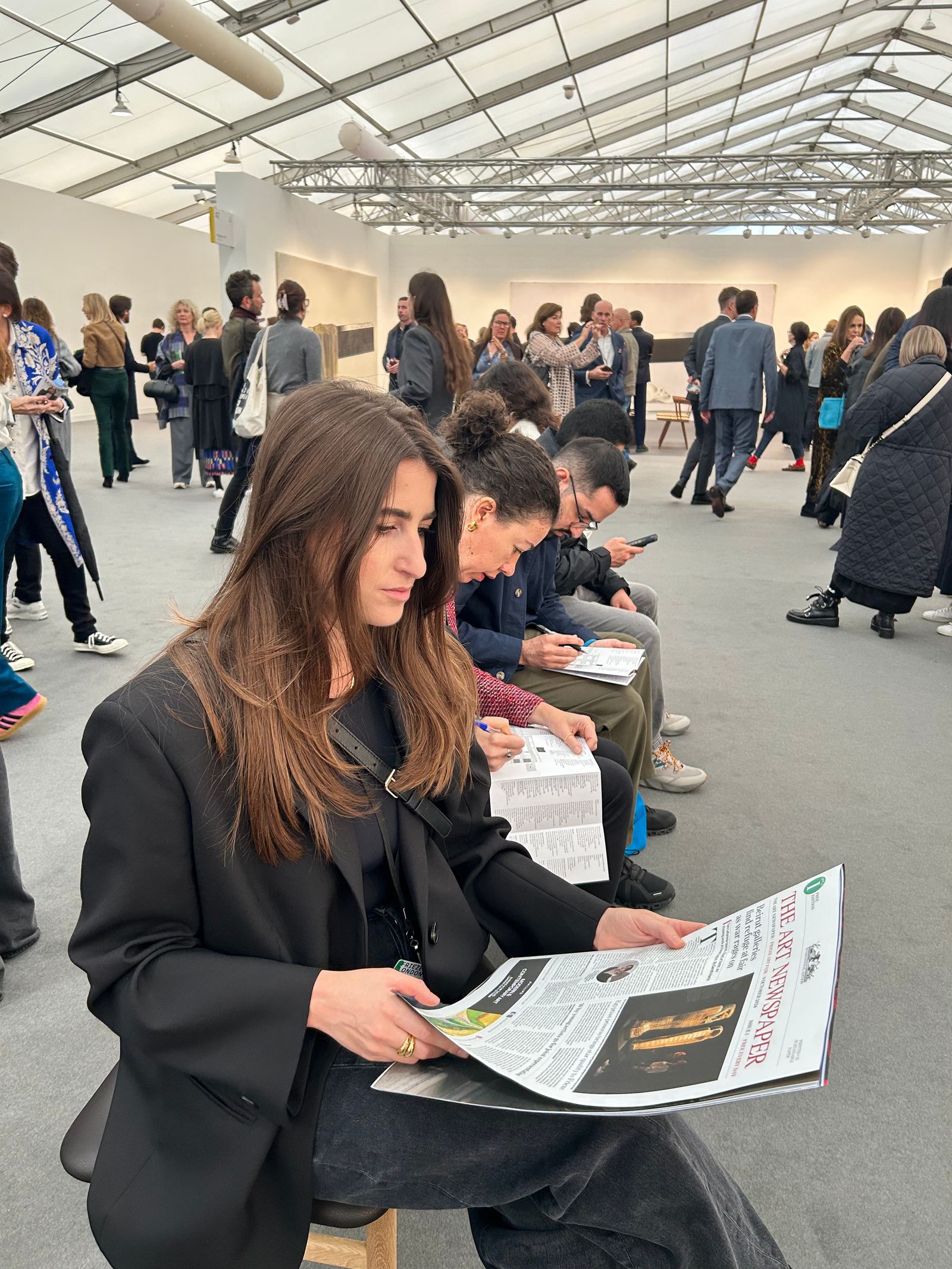
Kelly Foster at Frieze London for The Art Newspaper, October 2024. Image courtesy of Kelly Foster.
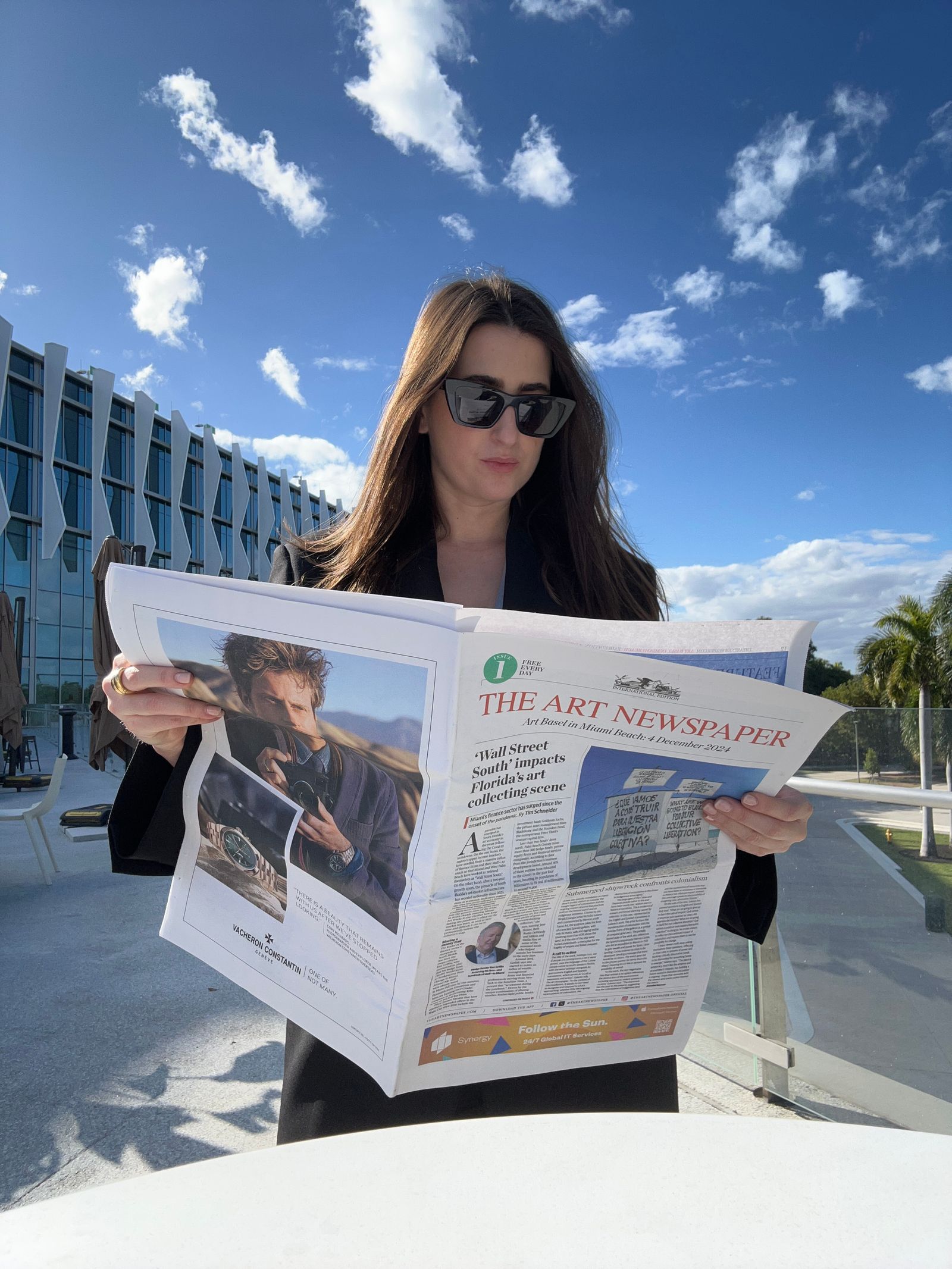
Kelly Foster at Art Basel Miami Beach for The Art Newspaper, December 2024. Image courtesy of Kelly Foster.
I no longer see contemporary art simply as the finished object. I see the enormous ecosystem surrounding it. Strangely, though, the closer I’ve got to that world, the more I’ve realised there isn't one formula for navigating it.
BB: When you first began London Paint Club, what gap in the contemporary art scene were you hoping to fill?
KF: I was trying to create something that I personally needed. When I moved to London, I didn't know many artists and found the city quite isolating. I was also making paintings and trying to understand how you were supposed to become part of the gallery world. It often felt as though artists were waiting for someone else to give them permission or an opportunity.
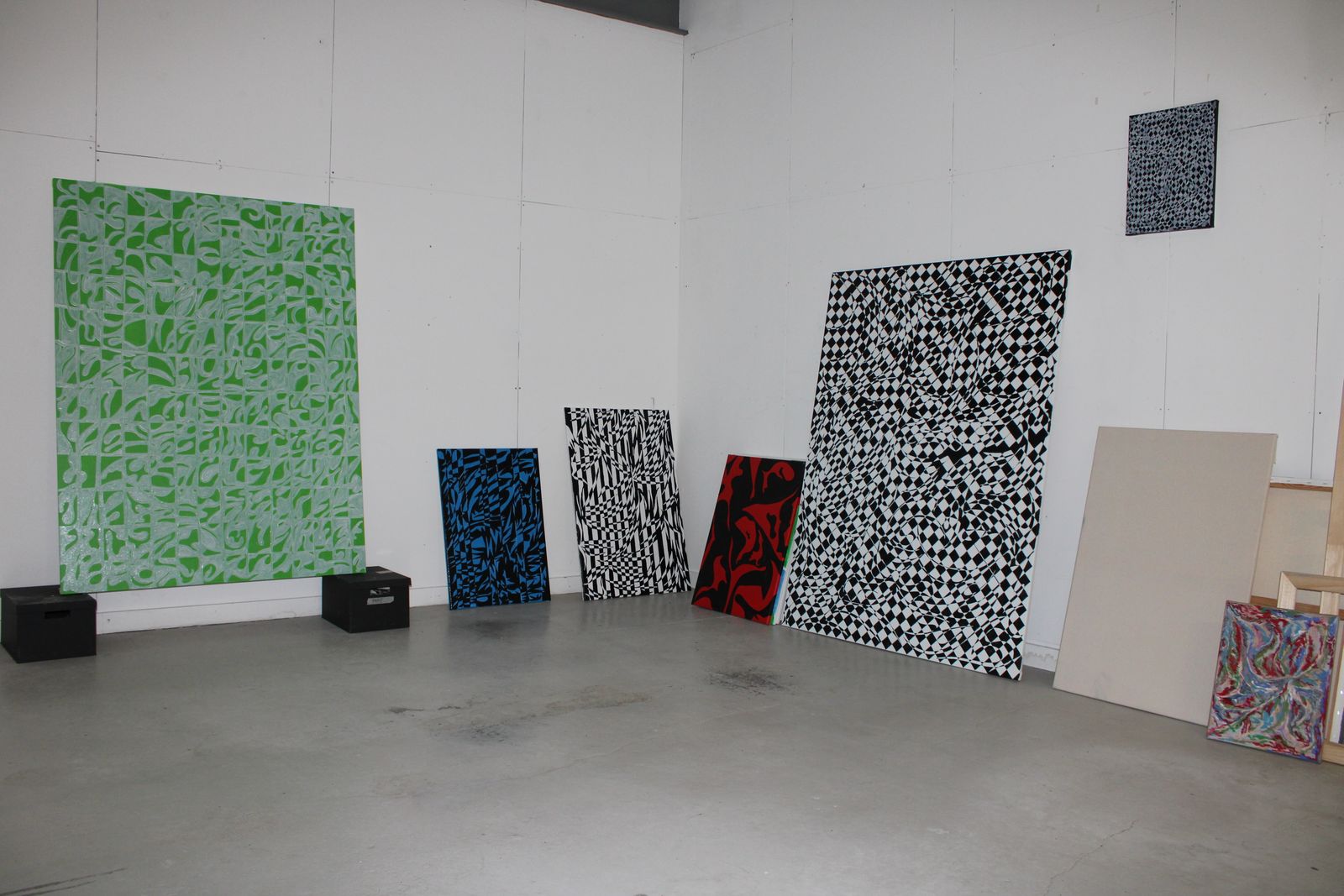
I became fascinated by the idea that social media could circumvent some of those traditional barriers. London Paint Club began as an Instagram account about contemporary painting, but the ambition was always to create a real community around it. During Covid, that accelerated. I ran online exhibitions and interviewed artists from around the world, and once London reopened, those relationships became studio visits, gallery trips and physical exhibitions.
London Paint Club's first open call on Instagram, December 2020. Image courtesy of London Paint Club.
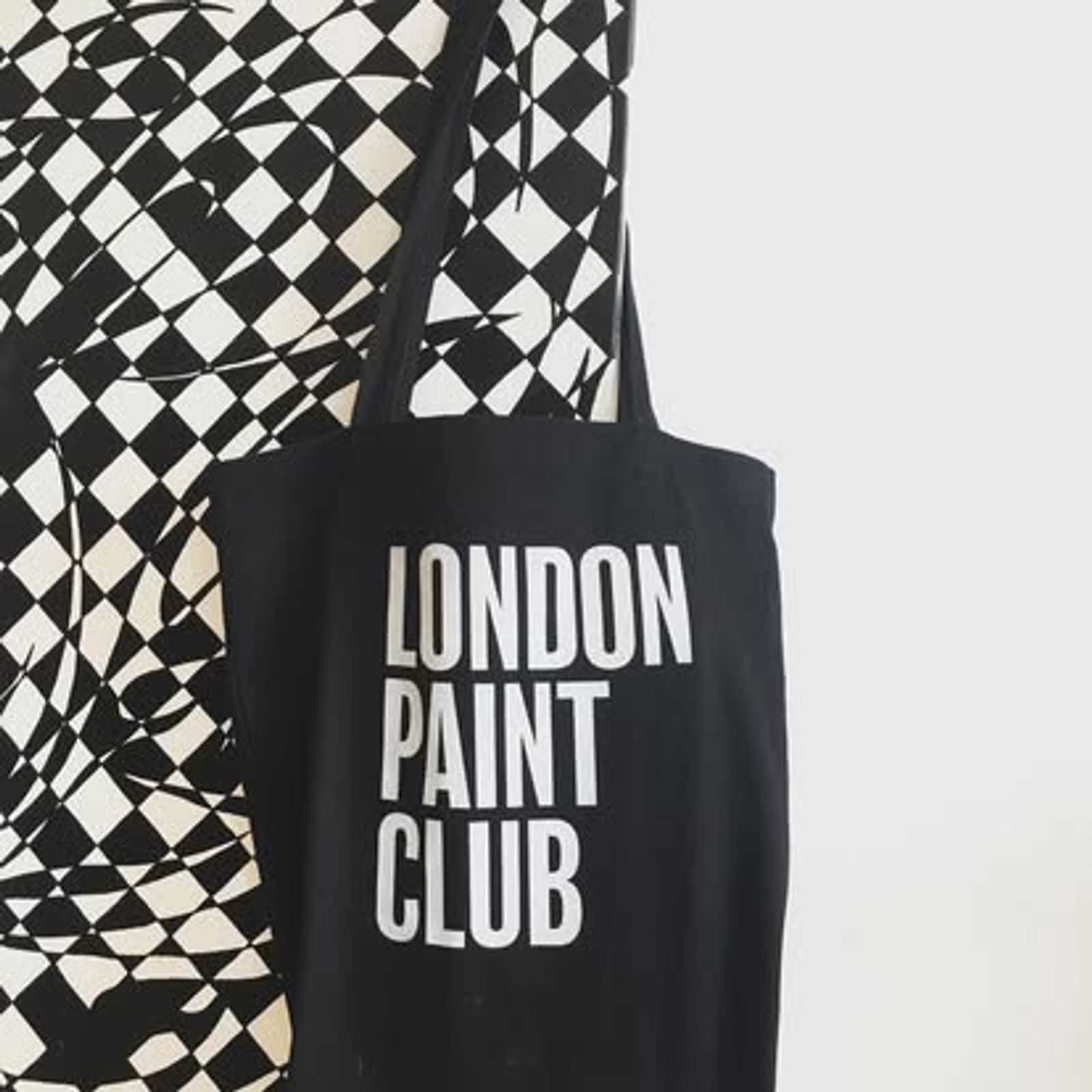
London Paint Club tote bag. Image courtesy of London Paint Club.
What I really wanted was to make the art world feel a little less anonymous and create a way for artists to find one another rather than sitting alone waiting to be discovered.
BB: Why did painting feel like the natural starting point for London Paint Club?
KF: It really began with personal curiosity. I trained as a photographer rather than a painter, but through printmaking I gradually became interested in transforming photographic imagery through paint. I became particularly fascinated by geometric abstraction and artists like Sarah Morris, Bridget Riley and Anni Albers. At the same time, I was realising just how central painting remained to the contemporary gallery and art-market ecosystem. It seemed to be everywhere, and I wanted to understand why it continued to have that hold.
So LPC partly became a way of educating myself. I researched artists and galleries and shared what I was discovering. I never started the project thinking I was an authority on painting — in many ways, London Paint Club became the vehicle through which I learned about it.
BB: You've spoken about wanting to make the art world feel less intimidating. What do you think people misunderstand most about the scene?
KF: I think one of the biggest misunderstandings is that there is a single “art world”. As an art student, it can look like this impenetrable structure where artists are on one side and powerful galleries and curators are on the other. What I've discovered is that there are many different art worlds operating alongside one another: major galleries, emerging galleries, artist-run spaces, independent curators, writers, publishers and studio communities.
Emerging artists can become so focused on the very top of that pyramid that they overlook the relationships happening around them. Networking doesn't necessarily mean convincing an important gallery director to visit your studio. It might mean meeting another artist at an opening, getting to know someone working at a small gallery, inviting someone for coffee or simply consistently turning up and being genuinely interested.
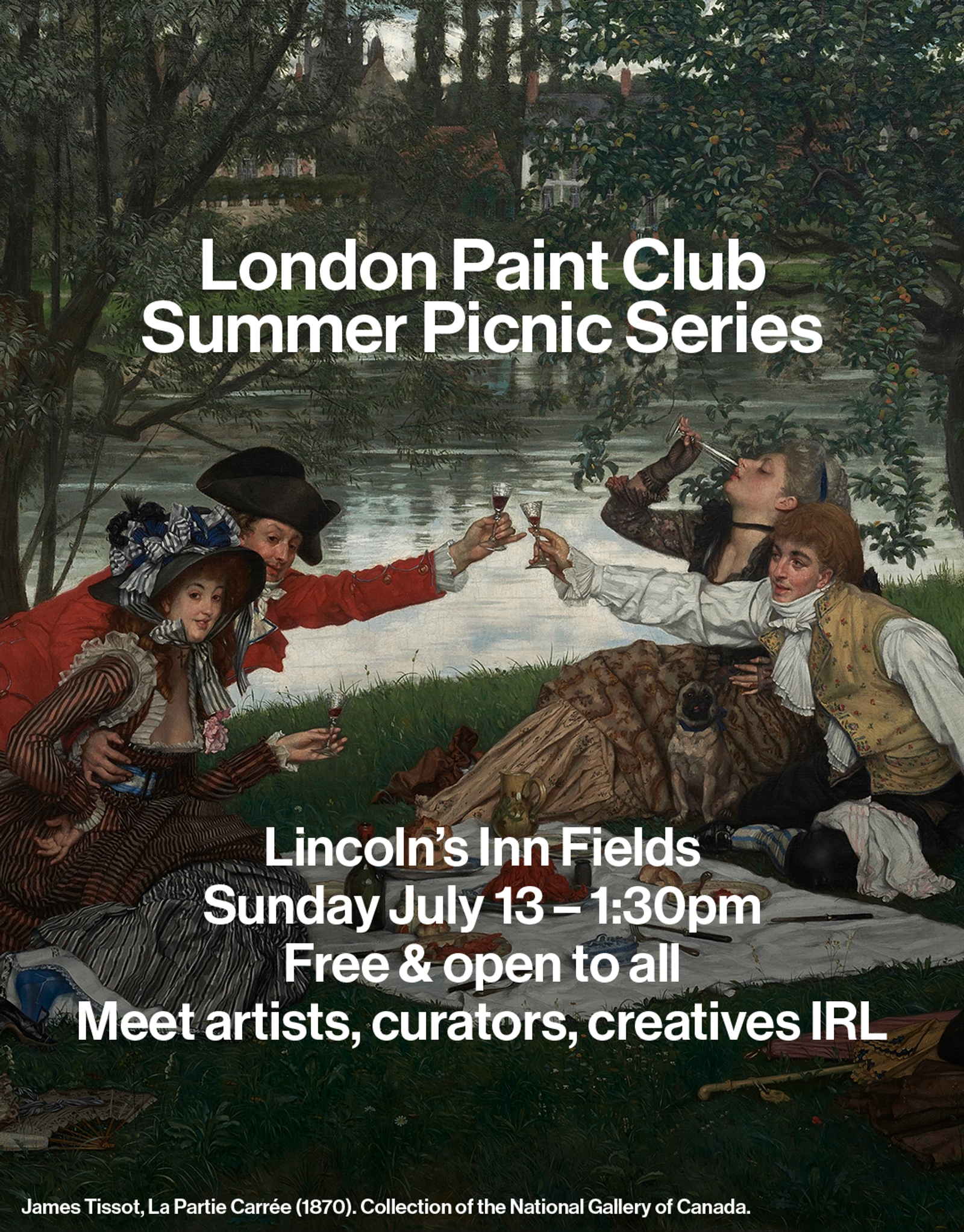
London Paint Club Summer Picnic Series poster, July 2025. Image: James Tissot, La Partie Carrée, 1870, Collection of the National Gallery of Canada.
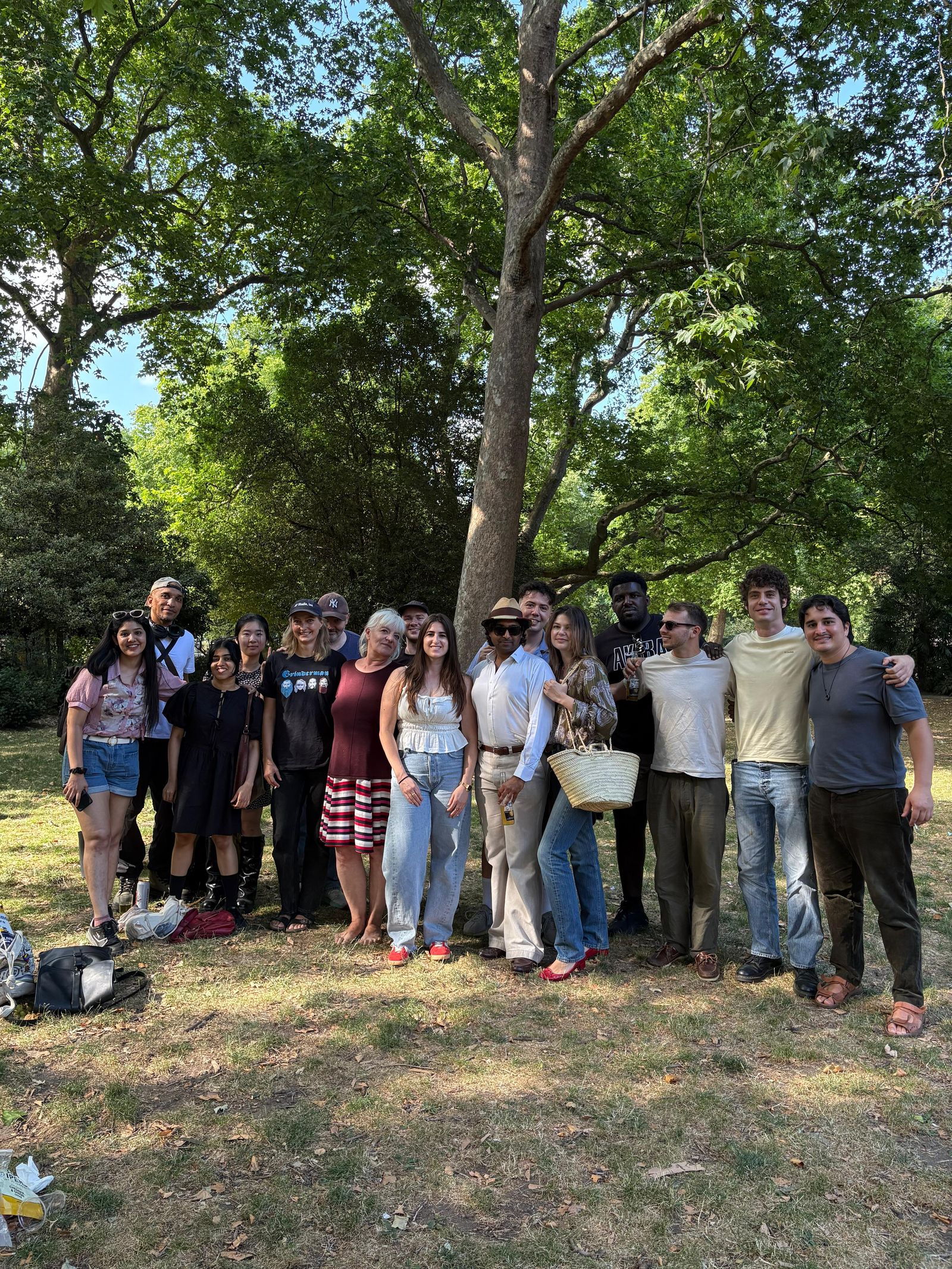
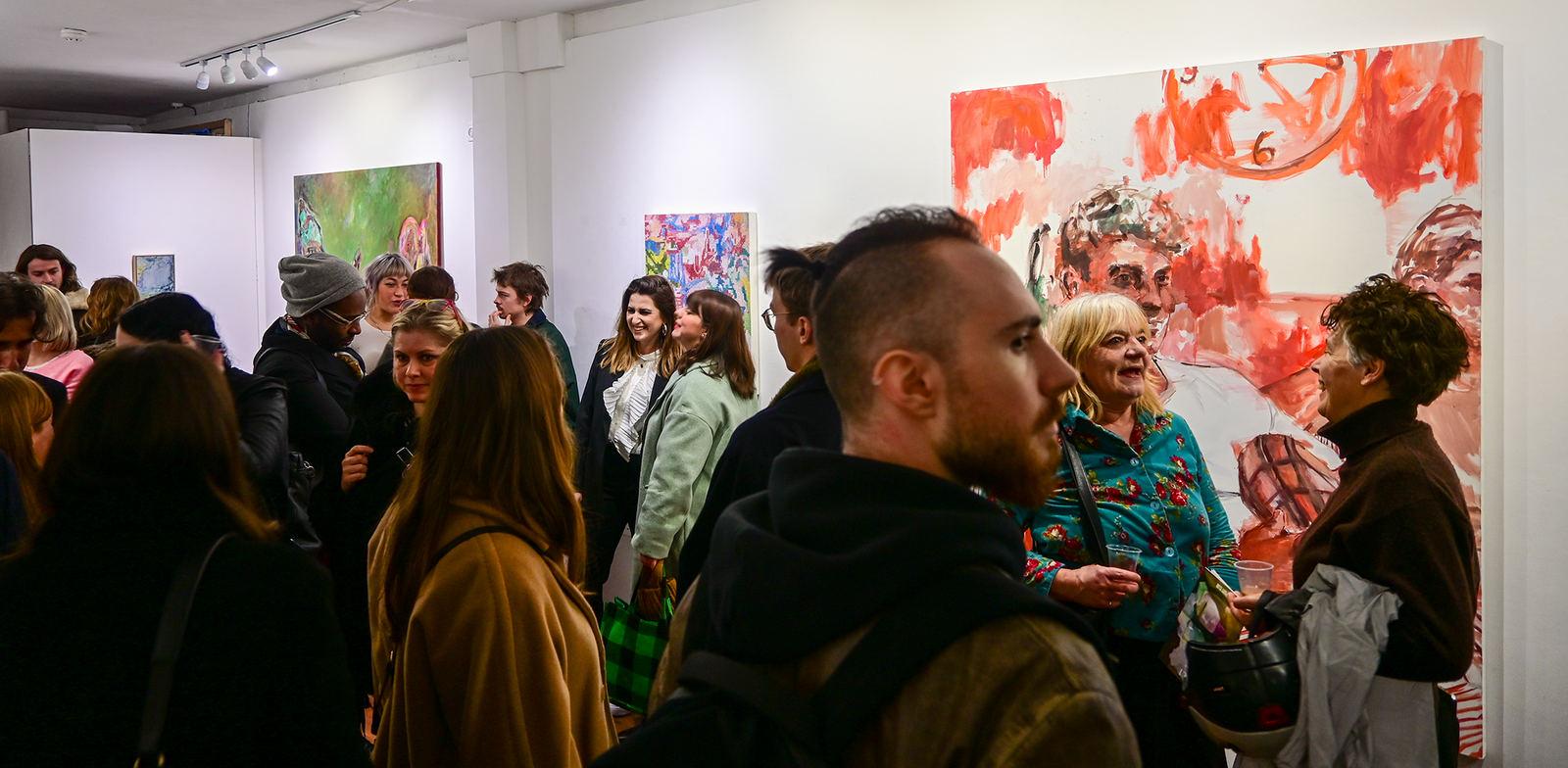
The first London Paint Club Summer Picnic, Lincoln's Inn Fields, London, July 2025. Image courtesy of London Paint Club.
There isn't a secret formula for “making it”. Talent, relationships, timing and luck all play a part. But I think the art world becomes less intimidating when you stop viewing it as one enormous gate that somebody has to let you through.
BB: After years of visiting exhibitions across London, what makes you genuinely excited to recommend a show?
KF: Curiosity is probably the biggest thing. Sometimes it's an artist I discovered years earlier at a fair or in another city, and suddenly they're exhibiting in London. I love following somebody's work over time and watching their practice develop. Other times, I'll walk into an exhibition knowing absolutely nothing about the artist and something will stop me. Those are often my favourite experiences.
I'm particularly interested in work that changes when you encounter it physically. We see so much art through screens now, so I love when scale, texture, installation or materiality gives you something that couldn't be communicated by an image online.
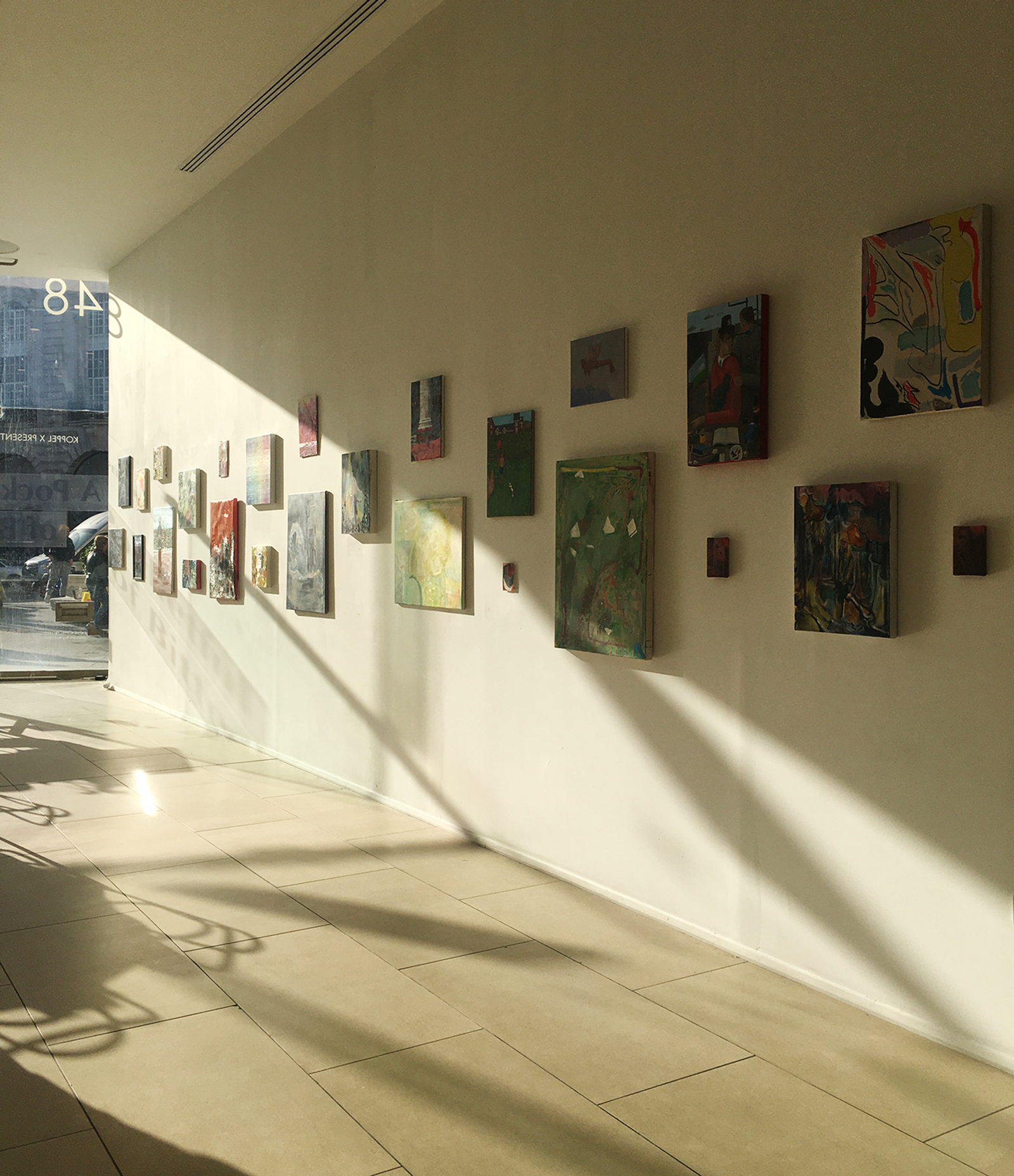
Pop-up exhibition no. 2 at Koppel Projects, Piccadilly Circus, London, November 2022. Image courtesy of London Paint Club.
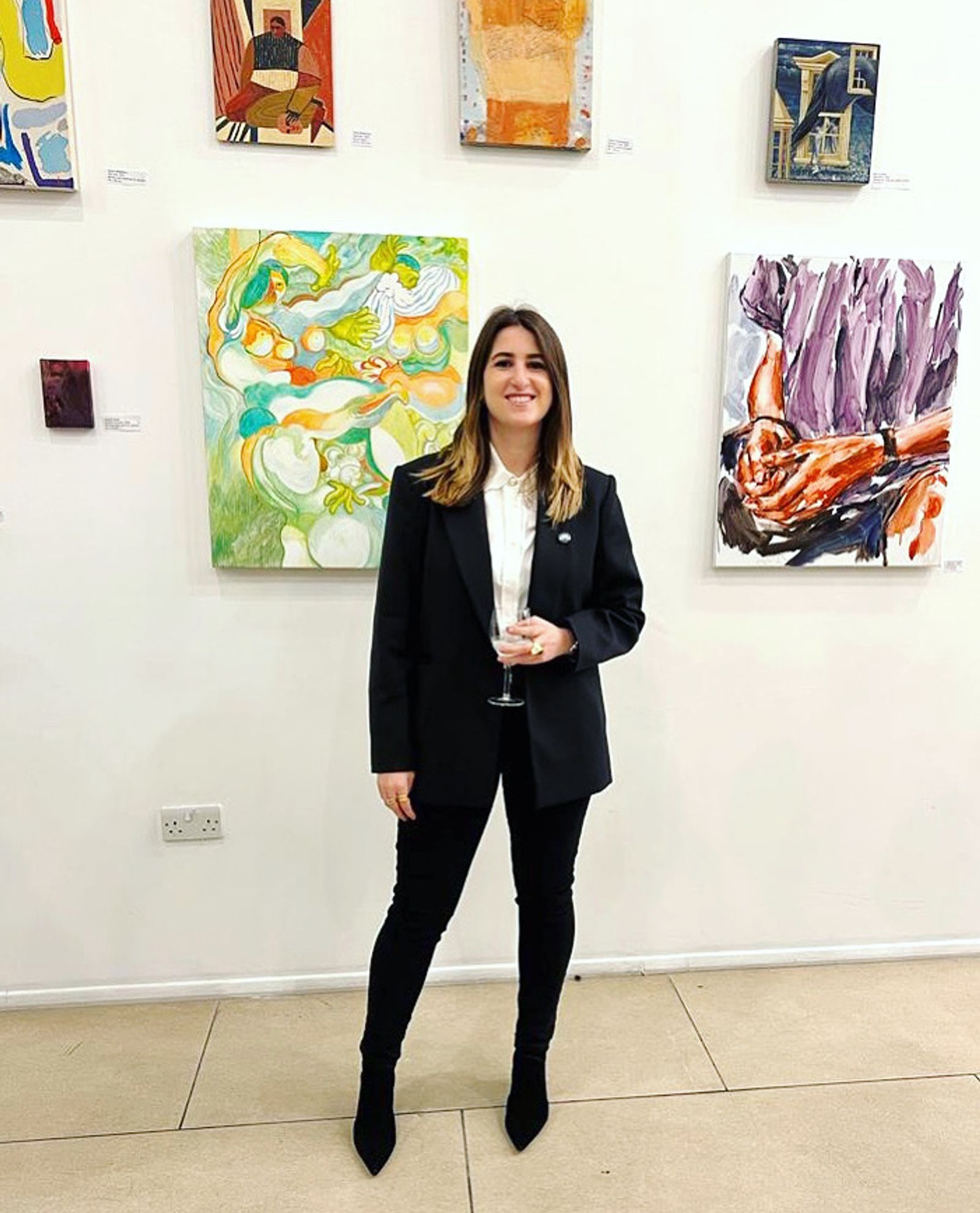
Kelly Foster at pop-up exhibition no. 2, Koppel Projects, London, November 2022. Image courtesy of London Paint Club.
That's increasingly what I want LPC recommendations to reflect. I'm less interested in documenting everything happening in London and more interested in saying: these are the things that have caught my attention, and this is why I think they're worth yours too.
BB: London Paint Club has evolved considerably since it began. Despite those changes, what has always been at the heart of the publication, and where do you see it leading you?
KF: Artists have always been at the heart of it.
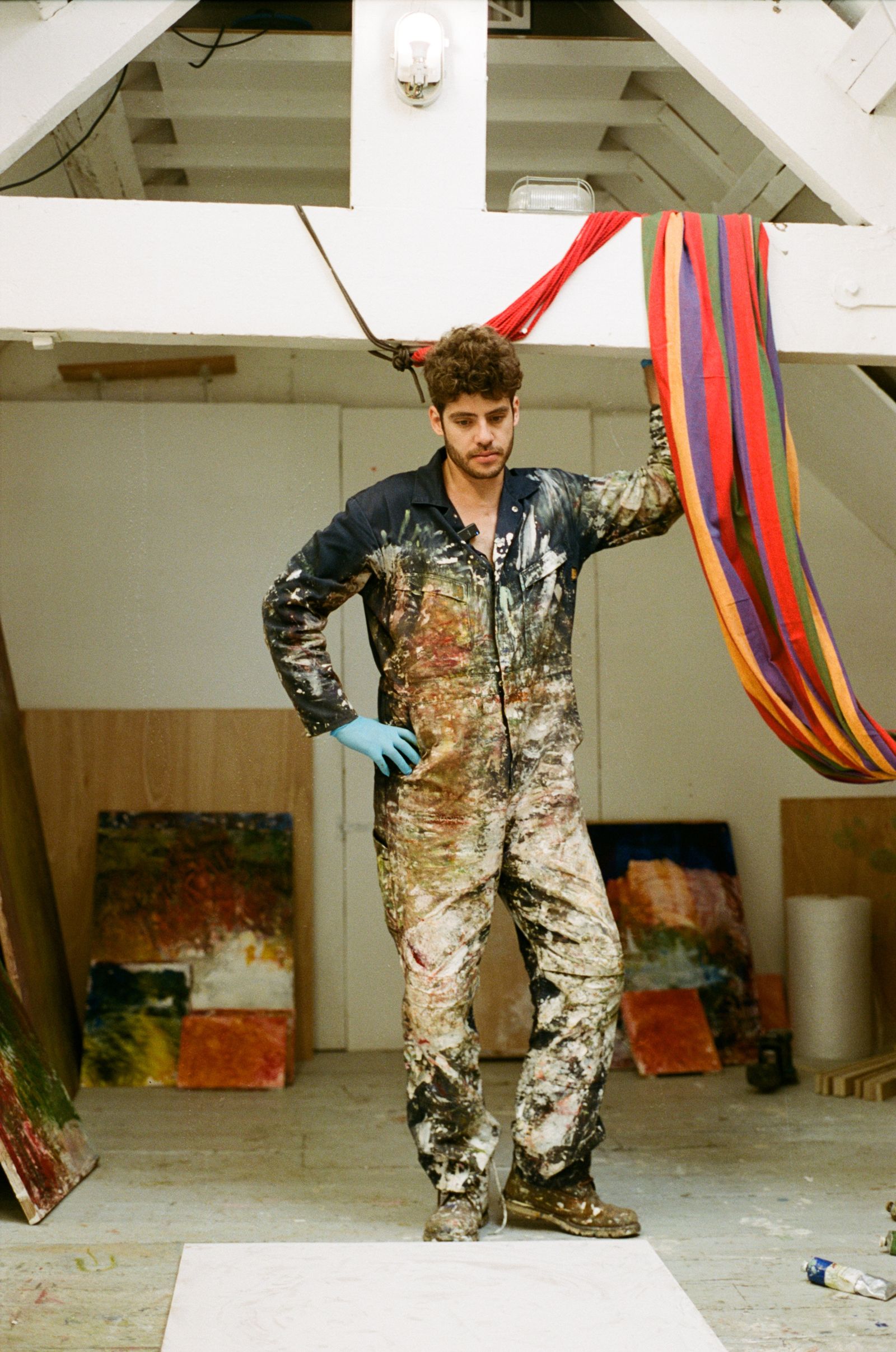
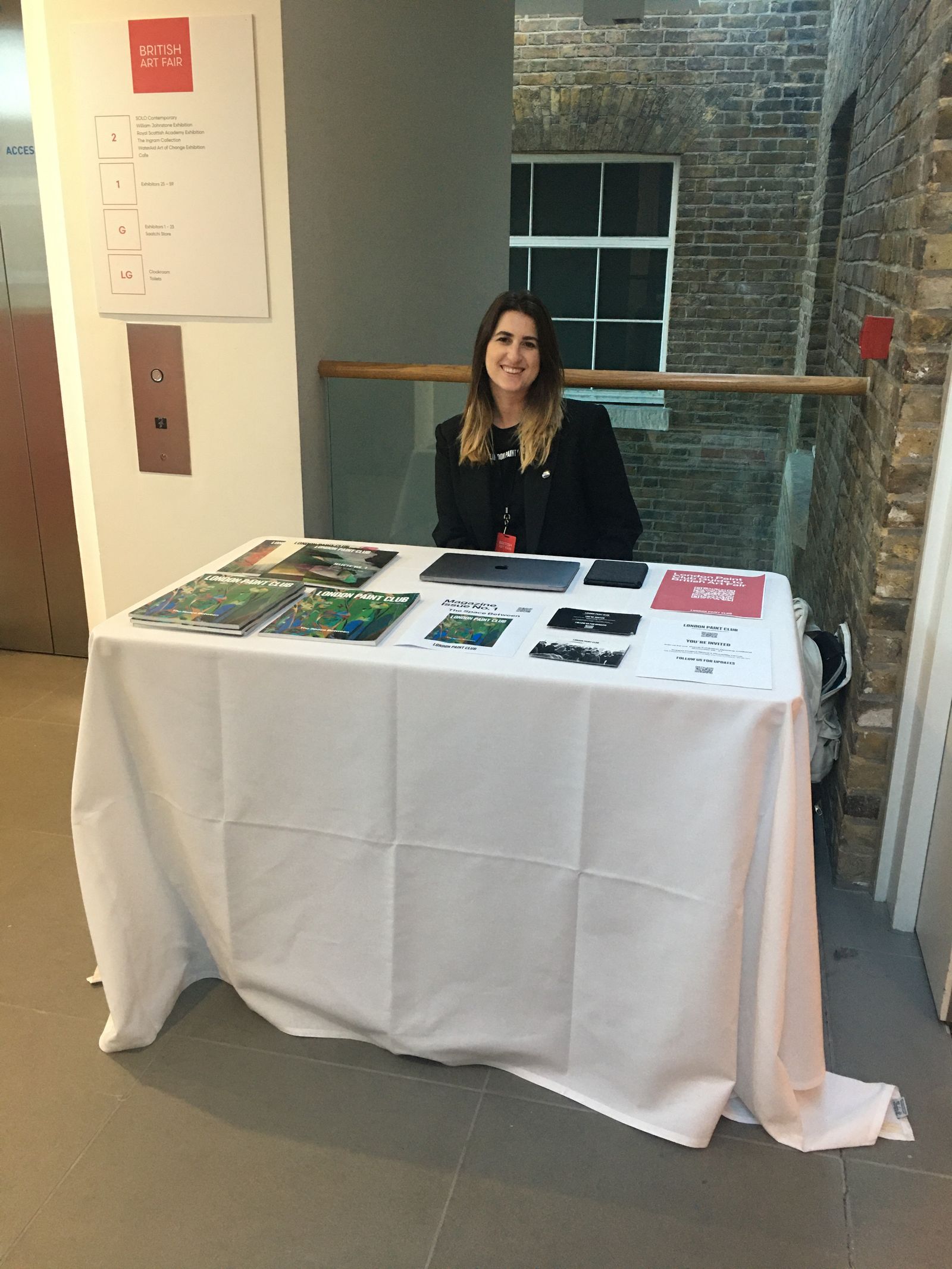
London Paint Club has been an Instagram account, online and physical exhibitions, a print magazine, studio visits, interviews and an art-fair presentation, but the part I've consistently loved most is sitting down with artists and talking about their work. In some ways, LPC has also been my attempt to understand the art world in public. I've been asking the same questions since I was an art student: How do artists find opportunities? How do communities form? How do galleries discover artists? How does any of this actually work?
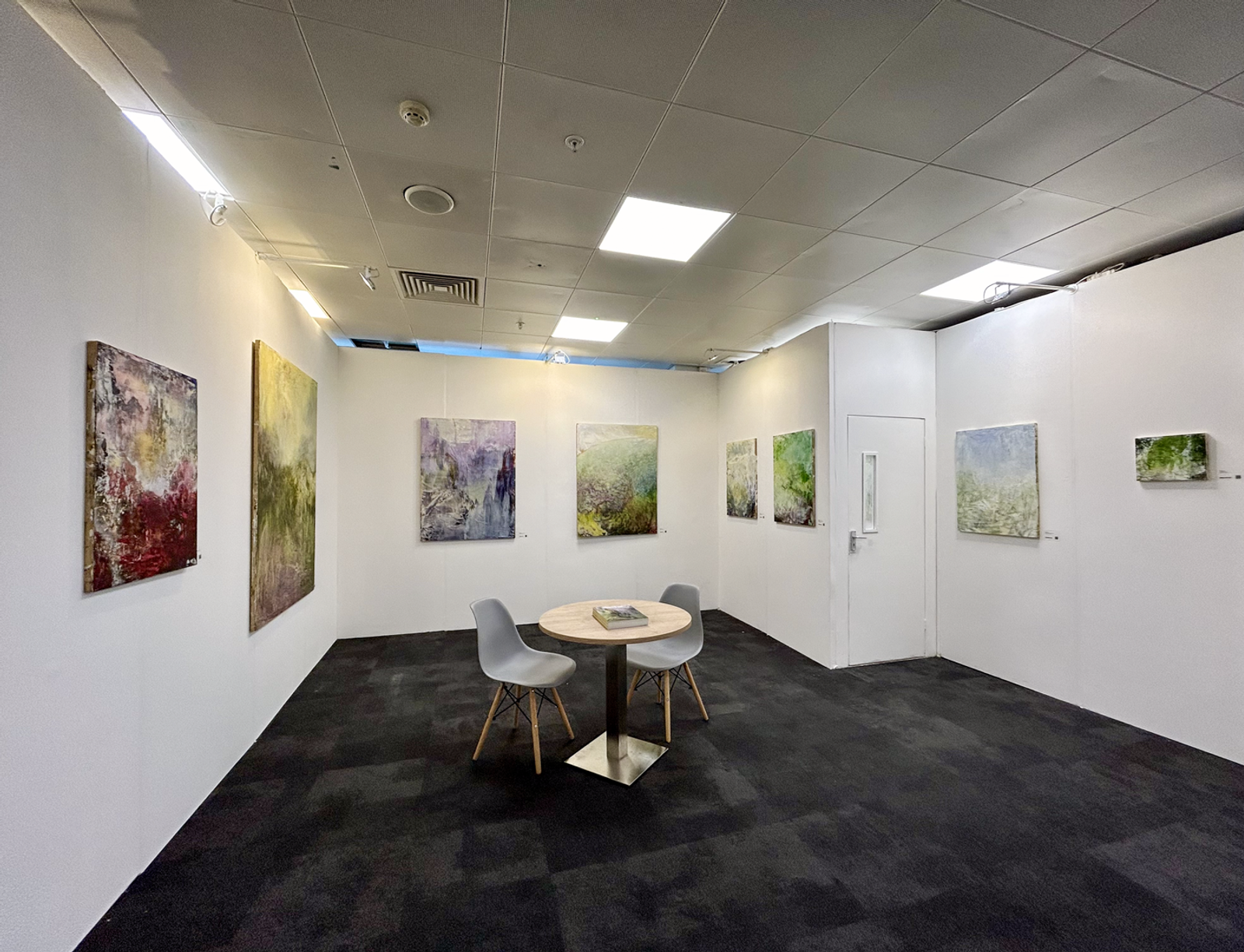
I know considerably more now than I did then, but I've also learned that there isn't one answer. I think the next iteration of LPC will be more editorial, with more films, artist interviews, exhibition recommendations and educational content that makes some of the less visible parts of the art world more legible. I don't want to promise artists a simple roadmap to success, because there isn't one. What I can do is share what I've learned, introduce people to artists and ideas I think deserve attention, and have honest conversations about what building a life around art actually looks like.

Comments
Leave a comment